
Choosing the right marker in the Philippines requires balancing ink performance, tip durability, and overall cost-effectiveness. Toyo, Pentel, Snowman, and Deli each occupy distinct niches in local school and office supply stores. While Toyo is widely recognized for its highly economical, high-volume utility, brands like Pentel focus on specialized, premium ink formulations and ergonomic designs. Snowman remains a traditional fixture for standard office whiteboards and permanent labeling, whereas Deli offers an expansive, budget-friendly catalog for general crafting and office tasks.
To make an informed purchase, you must look beyond brand names and evaluate specific product specifications, such as ink bases, tip materials, and packaging formats. Because performance factors like bleed resistance, drying speed, and erasability depend heavily on the exact combination of ink and writing surface, a systematic verification process is essential. This guide provides a practical framework to help you assess these brands based on observable traits, packaging labels, and your specific daily writing requirements.
Understanding the Contenders: Brand Positioning and Typical Use Cases
Toyo markers are primarily positioned as budget-friendly options for high-volume, everyday tasks. They are a common sight in Philippine classrooms, offices, and warehouses where markers are consumed rapidly and cost-per-unit is a primary concern. These markers are typically designed for basic paper marking, carton labeling, and general-purpose writing.
Products mentioned in this guide
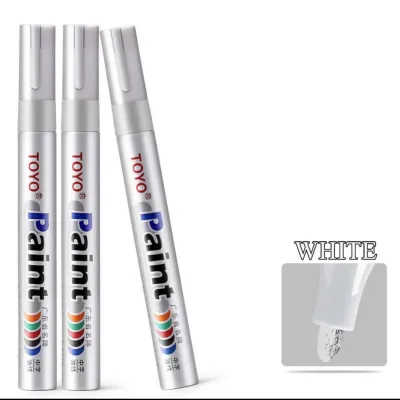
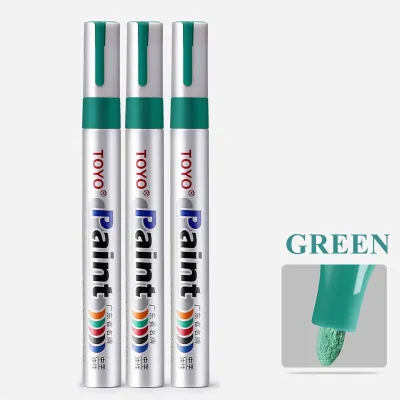
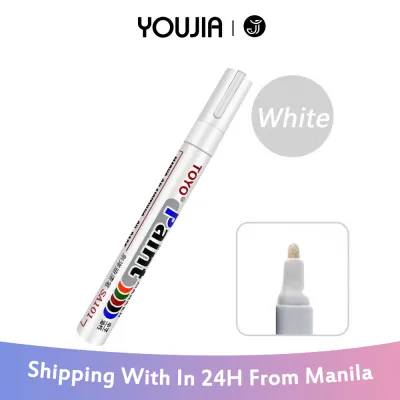
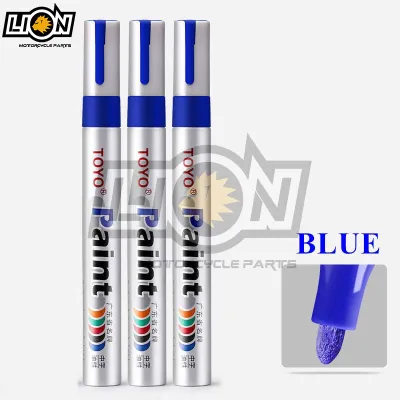
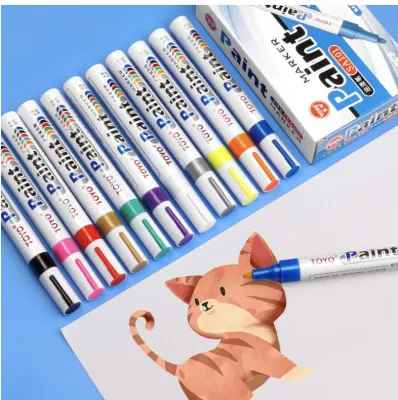
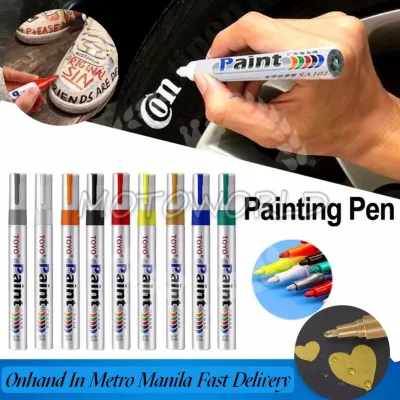
Prices are valid at publication and may change. Please refer to the product page for the latest price.
Pentel targets professional, industrial, or specialized applications at a higher price point. The brand emphasizes ergonomic barrel designs, low-odor ink formulations, and high-durability tips. This makes them suitable for long writing sessions, enclosed meeting rooms, or demanding surfaces.
Snowman is a classic, long-standing staple in the Philippine corporate and educational landscape. Particularly renowned for its whiteboard markers and standard permanent markers, Snowman occupies a reliable mid-range position, offering consistent performance for daily office presentations and labeling files.
Deli focuses on mass-market value, offering a broad variety of basic stationery and craft markers. Deli’s catalog is incredibly diverse, spanning basic office markers, whiteboard markers, and colorful craft markers. They focus on providing modern designs and functional performance at highly competitive price points.
How to Evaluate Ink Quality and Tip Durability Without Lab Tests
The performance of any marker starts with its ink formulation, which you can verify by checking the product packaging. Water-based inks are generally low-odor, washable, and ideal for paper or whiteboards where easy erasability or minimal bleed-through is required. Alcohol-based inks are standard for permanent markers, offering quick drying times and water resistance, but they can emit stronger odors and bleed through standard copy paper. Acrylic-based paint markers, common in Toyo’s specialized lines, use pigment-rich formulas designed for non-porous surfaces like glass, metal, or plastic.

The durability of a marker’s tip determines how long it will write before fraying or losing its shape. Look for packaging that specifies acrylic or polyester fiber tips, as these materials resist flattening under pressure. The shape of the tip should match your task: bullet tips provide a consistent line width for general writing; chisel tips allow for both broad strokes and fine lines; fine or ultra-fine tips are necessary for detailed labeling.
When testing a marker in-store or immediately after purchase, perform a few simple writing tests to evaluate its quality. Draw a continuous line to check for consistent ink flow; skipping or fading indicates poor ink delivery. Apply normal writing pressure and observe if the tip flexes excessively, frays, or flattens. A high-quality tip should retain its shape even after several strokes. Additionally, test the drying speed on your target surface; permanent markers should dry within seconds to prevent smudging, while whiteboard markers should dry to a clean, erasable powder.
A common frustration in tropical climates like the Philippines is markers drying out prematurely due to high temperatures or poorly sealed caps. Examine the physical design of the marker cap and barrel. Look for caps that click securely into place, indicating an airtight seal that prevents solvent evaporation. Some manufacturers specify “cap-off” times on their packaging, claiming the marker can remain uncapped for hours without drying out. Verify these claims by checking the product specifications before buying in bulk.
Comparing Value for Money: Price per Unit and Ink Capacity
To determine the true cost-effectiveness of a marker, do not rely solely on the retail price of the pen. Look for the net weight or ink volume (usually printed in milliliters, ml) on the barrel or outer packaging. By dividing the retail price in ₱ by the volume, you can calculate the actual cost per milliliter of ink. A cheaper marker with very low ink capacity may end up costing more in the long run than a slightly more expensive marker packed with a higher volume of ink.
Buying markers in single-unit blister packs is convenient but often carries a premium price per unit. For high-consumption environments like schools, offices, or logistics warehouses, look for bulk box sets (typically containing 10 to 12 units). Bulk packaging significantly reduces the cost per marker, making brands like Toyo and Deli even more economical for large-scale operations.
Some premium and mid-range markers, particularly from brands like Pentel and Snowman, offer refillable ink systems and replaceable tips. While the initial purchase price of a refillable marker is higher, the long-term cost of buying ink refills is substantially lower than repeatedly purchasing entire disposable markers. If you use markers daily, check if the specific model supports refills, as this dramatically improves its long-term value and reduces plastic waste.
In the humid and warm climate of the Philippines, stationery stored in warehouses for extended periods can degrade. When purchasing markers, especially in bulk, check the packaging for a manufacturing date. Avoid buying old stock that has been sitting on shelves for years, as the solvents in the ink may have already begun to evaporate, leading to a shortened lifespan once opened.
Decision Framework: Which Marker Brand Fits Your Specific Needs?
Opt for Toyo markers if your primary goal is finding a highly economical, dependable tool for high-volume paper marking, carton labeling, or general school supplies. Toyo is particularly well-suited for environments where markers are frequently misplaced or consumed rapidly, such as busy shipping departments, retail stockrooms, or large classrooms. Their specialized paint markers are also excellent budget options for marking metal, plastic, or rubber surfaces.
Select Pentel if your work demands specialized ink properties, such as low-odor formulations for small, air-conditioned meeting rooms, or highly durable tips that maintain their shape under heavy industrial use. Pentel is the ideal choice for professionals who require ergonomic grips for long writing sessions, precise line widths for technical drawings, or certified non-toxic inks for sensitive environments.
Choose Snowman if you need a reliable, traditional workhorse for standard office whiteboards or permanent file labeling. Snowman’s consistent ink flow and easily erasable whiteboard formulas make them a dependable choice for corporate boardrooms, university lecture halls, and administrative offices where clarity and reliability are paramount.
Go with Deli if you are purchasing in bulk for diverse, low-stakes crafting, basic color-coding, or general office tasks. Deli’s wide variety of colors and affordable multi-packs make them perfect for student projects, creative brainstorming sessions, and general household labeling where you need a broad palette of colors without a heavy financial investment.
Regardless of the brand you choose, always verify that the specific marker model is designed for your target surface. Writing on a non-porous surface (like glass, metal, or whiteboard) requires a completely different ink formulation than writing on porous surfaces (like paper, cardboard, or wood). Using a permanent marker on a whiteboard can ruin the board, while using a whiteboard marker on paper will result in rapid ink absorption and potential bleeding. Always read the manufacturer’s surface recommendations on the label before making your final selection.
Where to Buy and What to Verify Before Checkout
To ensure you are getting genuine products with fresh ink, purchase your markers from established local bookstores, authorized stationery distributors, or official brand storefronts on reputable ecommerce platforms. Avoid buying from unverified third-party sellers offering unusually low prices, as these may be counterfeit products or old, dried-out stock.
If you are purchasing in a physical retail store, take a moment to inspect the markers before heading to the cashier. Ensure the cap fits tightly and clicks securely when closed. Check the barrel and tip area for any signs of cracking, plastic warping, or ink leakage. A marker with ink residue on the outside of the barrel or cap may have a damaged seal and will likely dry out quickly.
Look for manufacturing or batch codes printed on the outer box or the marker barrel. While not all brands print explicit expiration dates, a recent manufacturing date is a good indicator of fresh ink quality. If you are buying bulk boxes, ask the store staff for stock from their latest shipment to maximize the shelf life of your purchase.
When buying markers online or in bulk, always verify the seller’s return and exchange policy. Since you cannot physically test the markers before delivery, ensure the seller offers a clear policy for replacing defective, damaged, or dried-out units. Keep your receipt or digital order confirmation handy in case you need to request a replacement for any non-functional markers.
Frequently Asked Questions (FAQ)
How can I safely attempt to revive a dried-out water-based marker?
To safely attempt to revive a dried-out water-based marker, place a few drops of clean, room-temperature water directly onto the fiber tip, or briefly dip the very tip of the marker into a small container of water for a few seconds. Cap the marker tightly and store it vertically with the tip pointing downward for several hours to allow capillary action to draw the moisture back into the ink reservoir. Note that this rehydration method only works for water-based inks, such as standard washable school markers or whiteboard markers; attempting this on alcohol-based permanent markers or acrylic paint markers will ruin the chemical composition of the ink and render the marker permanently unusable.
Are permanent markers from these brands safe for children's school projects?
When selecting markers for children’s school projects, always check the product packaging for non-toxic certifications, such as the AP (Approved Product) seal or compliance with international safety standards like EN71. Permanent markers, which are typically alcohol-based, contain organic solvents that can emit strong fumes and may cause skin irritation with prolonged contact, making them less suitable for young children. For school projects, it is highly recommended to choose water-based, washable markers that are specifically labeled as non-toxic and acid-free. If older children must use permanent markers for specific projects, ensure they do so in a well-ventilated area and under adult supervision to prevent accidental inhalation of fumes or skin contact.
Community discussion
Share your experience or ask a question. Comments are reviewed before publication.