
There is no single “best” tracing product for every kindergartener; the ideal choice depends on your child’s fine motor development stage, how often they practice, and your household routine. Reusable tracing sheets offer the highest repetition for marker-based practice, name tracing notebooks provide a structured way to track progress with standard pencils, and tracing pads deliver tactile sensory feedback for early pre-writing skills. Use this guide to evaluate the structural differences and choose the format that aligns with your child’s current learning needs.
Helping a young learner master their own name is a major milestone in early childhood education. In the Philippines, where kindergarten classrooms often emphasize early penmanship and structured writing exercises, finding the right tool can make daily practice feel like a game rather than a chore. By understanding how different materials interact with a child’s developing hand muscles, you can select a tool that minimizes frustration and builds lasting confidence.
Understanding Tracing Pads, Reusable Sheets, and Notebooks
To make an informed decision, it is helpful to first look at the physical construction of each option. These tools are designed with different tactile experiences and learning philosophies in mind, meaning they serve different stages of a child’s writing journey.
Products mentioned in this guide
Prices are valid at publication and may change. Please refer to the product page for the latest price.
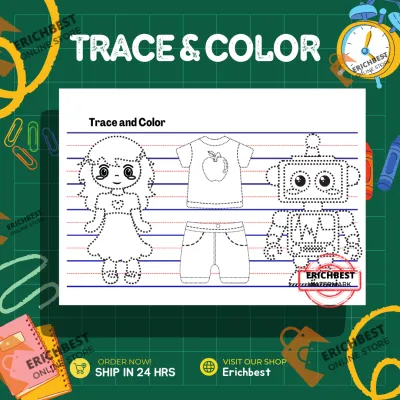
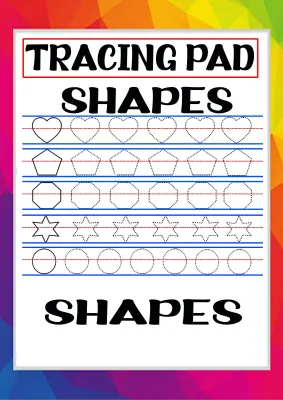
Tracing pads are typically durable, non-paper boards made from materials like textured silicone, wood, or heavy-duty plastic. Instead of using traditional ink or graphite, these pads often feature recessed grooves, raised textures, or magnetic beads that children trace using a specialized stylus or even their own fingers. The primary mechanism here is sensory feedback; the physical boundaries of the grooves guide the hand, helping the child internalize the muscle memory required for specific letter shapes before they ever have to worry about controlling a slippery pen.
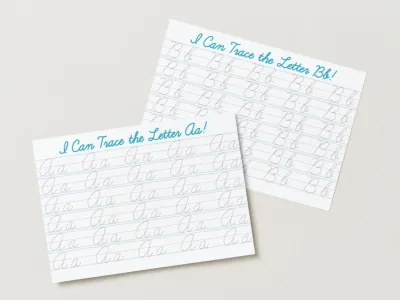
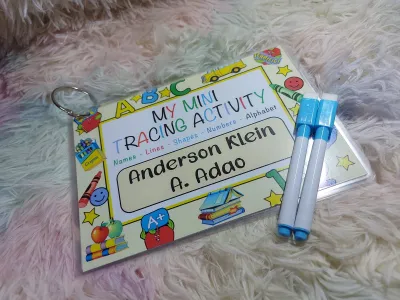
Reusable tracing sheets consist of printed templates protected by a wipe-clean surface, such as laminated cardstock or heavy-duty plastic sleeves. These sheets are designed to be paired with dry-erase markers, wet-erase markers, or liquid chalk. Because the ink can be wiped away instantly with a dry cloth or a damp tissue, these sheets allow for endless repetition. This format is highly visual and forgiving, allowing a child to immediately erase a mistake and try again without leaving messy eraser crumbs or tearing the writing surface.
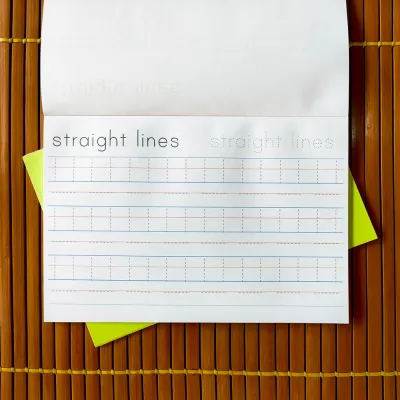
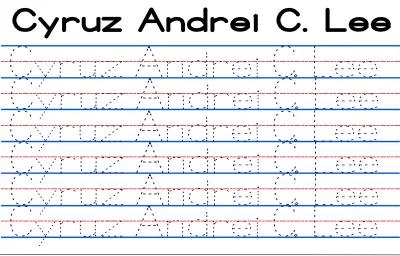
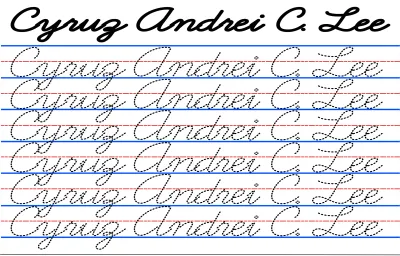
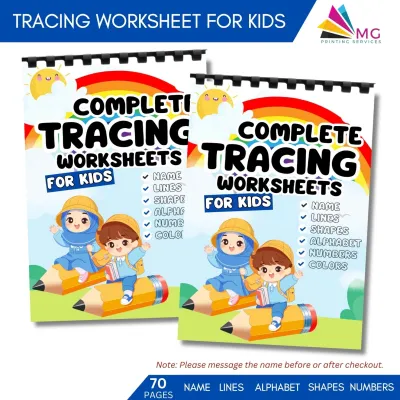
Name tracing notebooks represent the traditional paper-and-pencil approach to handwriting practice. These workbooks feature sequential pages printed with dotted or dashed guidelines, often customized with the child’s name repeated across multiple lines. They are designed for use with standard graphite pencils, colored pencils, or crayons. Unlike reusable options, notebooks are consumable, meaning each page is filled out once and kept as a permanent record of the child’s progress over weeks or months.
Comparing Learning Benefits and Everyday Convenience
When deciding between these three formats, parents must balance the educational benefits for fine motor development against the practical realities of daily household use. Each format has distinct advantages and trade-offs in terms of physical feedback, cost, cleanup, and portability.

Fine motor development relies heavily on the concept of friction and resistance. Writing with a standard pencil on paper in a name tracing notebook provides natural resistance, which helps young children develop grip strength and control their stroke speed. In contrast, writing with a marker on a slick, laminated reusable sheet offers very little friction. While this makes writing feel smooth and effortless, it can sometimes be challenging for children who still struggle with shaky hands or weak grip control, as the marker tip can easily slide out of the lines. Tracing pads with recessed grooves offer the highest level of physical guidance, making them excellent for building basic stroke pathways but less effective for transitioning to freehand writing.
From a budget perspective, reusability plays a significant role in long-term cost-efficiency. Investing a few hundred ₱ in a set of high-quality reusable tracing sheets or a durable tracing pad can save money over time, as these items do not need to be replaced when a child finishes a practice session. However, parents must factor in the ongoing cost of replacement dry-erase markers, which tend to dry out quickly if caps are left off. Name tracing notebooks are relatively inexpensive upfront, but because they are consumable, you may find yourself purchasing multiple volumes or printing fresh sheets regularly to keep up with daily practice.
Mess and cleanup are inevitable parts of kindergarten activities, but the type of mess varies by format. Reusable sheets require dry-erase markers, which can easily smudge onto a child’s hands, sleeves, or wooden study tables. In the warm, humid climate of the Philippines, marker ink can sometimes take slightly longer to dry on plastic surfaces, leading to accidental smudges as a child’s hand moves across the page. Notebooks, on the other hand, produce pencil shavings and eraser crumbs, and enthusiastic young writers may occasionally tear the paper if they press down too hard with a sharp pencil.
Portability and storage are also key considerations for busy families. Laminated sheets are lightweight and slide easily into a school backpack, but they can become bent or creased if not stored flat. Paper notebooks are highly portable but are vulnerable to water damage from leaky water bottles or sudden tropical downpours. Tracing pads are the most durable option and will not bend or tear, but their rigid structure and slightly heavier weight can make them less convenient to carry around in a small child’s school bag.
Quick Comparison of Tracing Formats
To help you quickly evaluate your options, the table below summarizes the core attributes, ideal users, and key limitations of each tracing format based on standard physical designs.
| Format Type | Best Suited For | Required Writing Tool | Reusability Level | Key Limitation to Verify |
|---|---|---|---|---|
| Tracing Pads | Early sensory training and pre-writing | Stylus or finger | Infinite | Does not mimic pencil-on-paper feel |
| Reusable Sheets | High-volume repetitive daily practice | Dry-erase or liquid chalk marker | High (wipe-clean) | Ink can smudge easily on hands |
| Name Notebooks | Transitioning to school writing and tracking progress | Standard pencil or crayon | Single-use (consumable) | Pages can tear with heavy pressure |
How to Choose the Right Tracing Format
Selecting the right tool involves matching the product’s physical characteristics to your child’s current developmental stage and your family’s daily routine.
Choose reusable sheets if your child enjoys high-volume repetition and gets frustrated by making permanent mistakes on paper. This format is ideal for children who have already developed basic hand-eye coordination and can handle the slick surface of a laminated sheet without their marker sliding completely off course. It is also a great choice for eco-conscious households looking to minimize paper waste during the intensive early phases of learning to spell and write a first name.
Choose name tracing notebooks if your primary goal is to prepare your child for the structured environment of a kindergarten classroom. Because Philippine schools typically require students to write with standard pencils on ruled paper, practicing in a notebook helps build the exact muscle memory and grip strength they will need for schoolwork. Additionally, keeping a physical notebook allows you to look back at early pages and visually track how much your child’s penmanship has improved over time, which can be a wonderful confidence booster for both parent and child.
Choose tracing pads if your child is in the very early stages of pre-writing or struggles with traditional writing utensils. If your child has difficulty maintaining a steady grip on a pencil or gets easily fatigued by the pressure required to write on paper, the guided grooves of a tracing pad offer a low-stress way to practice letter shapes. This format focuses purely on the motor pathways of the letters without the added complexity of managing ink or lead.
Before making a final decision, always verify a few key details. Check if your child’s school mandates a specific paper ruling, such as the traditional blue-red-blue lines, so you can match that format in your practice materials. If your child is left-handed, keep in mind that wet marker ink on reusable sheets is highly prone to smudging as their left hand drags across the line; in this case, a paper notebook with quick-drying pencil lead or a dry tracing pad may prevent a lot of frustration. Finally, if your child is working with an occupational therapist, consult their specific recommendations regarding grip trainers or writing surfaces.
Getting the Most Out of Your Tracing Tools
Once you have selected a tracing format, proper setup and maintenance will ensure the tools remain effective and durable for daily practice sessions.
Matching the right writing tool to the surface is crucial for a smooth learning experience. For reusable sheets, look for fine-tip dry-erase markers rather than broad chisel tips, as fine tips allow children to trace detailed letter shapes more accurately. For paper notebooks, choose a pencil with a softer lead, such as a 2B pencil, which leaves a dark, clear line with minimal downward pressure, reducing hand fatigue and preventing the paper from tearing.
Proper cleaning and storage will extend the lifespan of your materials. If you are using reusable sheets, make it a habit to wipe the ink off immediately after each practice session; leaving dry-erase ink on plastic for days or weeks can cause “ghosting,” where the pigment permanently stains the surface. Store both sheets and notebooks flat in a cool, dry place to prevent warping or moisture damage, which is especially common during the humid rainy season.
Finally, focus on creating a supportive practice environment. Ensure your child is sitting at a comfortable height with their feet supported, and encourage them to hold the writing tool with a relaxed grip. Keep practice sessions short—around five to ten minutes a day is often plenty for a kindergartener. If you notice signs of physical fatigue, such as shaking hands, or emotional frustration, stop the session and try again the next day, keeping the focus on positive reinforcement and steady progress.
Frequently Asked Questions (FAQ)
At what age should a child start tracing their name?
Rather than focusing on a strict chronological age, look for signs of developmental readiness. Most children begin showing interest in tracing and writing between the ages of four and five, but readiness is best measured by fine motor milestones. If your child can hold a crayon using a transitional grip (such as a three-finger pinch rather than a full fist) and can copy simple shapes like circles or straight lines, they are likely ready to begin tracing their name. You can also consult your child’s preschool or kindergarten teacher for an individualized assessment of their readiness.
Can I make my own reusable tracing sheets at home?
Yes, creating DIY reusable tracing sheets is a simple and cost-effective project. You can design a template on a computer using a dotted font with your child’s name, print it out on standard paper, and slide the page into a clear, heavy-duty plastic document sleeve or use a home laminating machine. Before letting your child practice, always test your dry-erase markers on a small corner of the plastic to ensure the ink can be wiped away cleanly without leaving permanent stains or requiring heavy scrubbing.
Community discussion
Share your experience or ask a question. Comments are reviewed before publication.