
Traditional Philippine fabrics are celebrated globally for their exquisite craftsmanship, natural origins, and distinct textures. Sourced from indigenous plants like pineapple, banana, and cotton, these textiles—namely Piña, Jusi, Abaca, and Inabel—serve as the foundation for iconic garments and durable home goods. For sewists, designers, and cultural enthusiasts, selecting the right cloth requires a close look at fiber behavior, weave structure, and project compatibility. By understanding how these materials drape, breathe, and sew, you can confidently choose the perfect textile for formal wear, structured accessories, or everyday home decor.
Characteristics and Best Uses of Piña, Jusi, Abaca, and Inabel
Each traditional Philippine fabric possesses a distinct structural identity shaped by its raw materials and weaving techniques. Comparing their drape, texture, and opacity is the first step in matching a fabric to your specific sewing or crafting project.
Piña Cloth: Delicate and Formal
Piña cloth is widely considered the finest of traditional Philippine textiles, characterized by its sheer, stiff, and translucent qualities. Extracted from the leaves of the Red Spanish pineapple plant, the fibers are scraped, washed, and hand-woven into a lustrous, ivory-colored fabric. Because of its delicate nature and elegant sheen, Piña is the premier choice for formal traditional attire, including the Barong Tagalog, Filipiniana gowns, and wedding ensembles.
Products mentioned in this guide
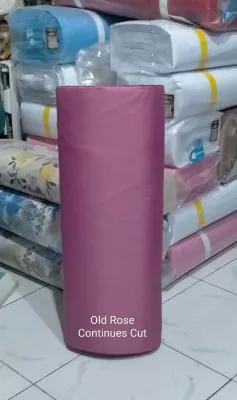
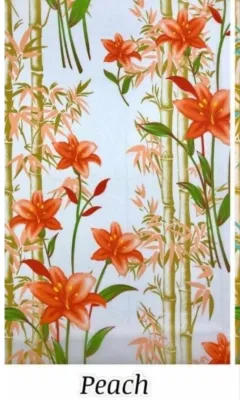
Prices are valid at publication and may change. Please refer to the product page for the latest price.
When sewing with Piña, use a fine size 60/8 or 70/10 Microtex needle and silk thread to prevent snagging. To verify authenticity, inspect the fabric closely for natural fiber slubs and slight variations in thread thickness, which indicate hand-weaving. Synthetic imitations often feel slick, uniform, and lack the characteristic organic texture of genuine pineapple fiber.
Jusi Fabric: Smooth and Versatile
Jusi fabric offers a practical and elegant alternative to Piña, providing a smoother texture and a slightly softer drape. While historically made from raw silk, modern Jusi is frequently woven from silk blended with cotton or synthetic fibers to enhance its durability and affordability. This blend gives Jusi a semi-sheer appearance with enough structural body to hold tailored pleats and clean lines, making it highly versatile for both formal events and semi-formal everyday wear.
Before purchasing Jusi, verify the specific fiber blend by checking the product label, as different compositions affect how the fabric handles heat and moisture. When preparing to sew, use a size 70/10 universal needle and low-tension machine settings to avoid puckering along the seams. A quick trial stitch on a small scrap will help you calibrate your machine for this lightweight material.
Abaca Textile: Durable and Structured
Abaca textile, sourced from the leaf sheaths of the abaca plant (a relative of the banana tree), is world-renowned for its exceptional tensile strength and rigid structure. Often woven into coarse, highly textured fabrics like sinamay, abaca is incredibly resilient and resistant to water damage. These properties make it unsuitable for soft, flowing garments, but highly ideal for structured items such as bags, footwear, millinery, home furnishings, and decorative outerwear accents.
Because raw abaca fibers can be stiff and abrasive, always perform a quick touch test against your skin if you plan to incorporate it into wearable items. For direct-to-skin comfort, consider lining the abaca panels with a soft cotton backing. When sewing this heavy-duty material, equip your machine with a robust needle, such as a size 90/14 or 100/16 denim needle, and use strong polyester thread to handle the dense fibers.
Inabel Weave: Patterned and Resilient
Inabel, hailing from the rich weaving traditions of the Ilocos region, is a durable cotton fabric known for its vibrant colors and intricate geometric or nature-inspired patterns. Woven on traditional wooden handlooms, this resilient cloth is thick, soft, and highly functional. It is traditionally used for heavy-duty household items like blankets, towels, table runners, and upholstery, but it has also found a modern home in casual apparel like structured jackets, vests, and everyday bags.
When sourcing Inabel, inspect the tightness of the weave by gently pulling the fabric diagonally; a high-quality handwoven piece will maintain its structural integrity without excessive stretching. Additionally, verify the colorfastness of the dyed threads before washing by rubbing a damp white cloth over an inconspicuous corner of the fabric. If the dye transfers to the white cloth, the fabric will require separate hand-washing to prevent color bleeding.
How to Choose the Right Local Fabric for Your Project
Selecting the perfect traditional Philippine cloth requires balancing your project’s structural needs with the practical realities of wear and care. Begin by matching the fabric’s natural drape and weight to your desired silhouette. For flowing, lightweight garments, Jusi provides a graceful movement, whereas Piña is essential for crisp, architectural shapes like butterfly sleeves. For rigid, non-apparel items, Abaca offers unmatched structural support, while Inabel provides the warmth and durability needed for functional home textiles.

Climate comfort is another critical factor, especially in the tropical, high-humidity environment of the Philippines. Natural fibers like cotton Inabel and pure Piña offer excellent breathability and moisture-wicking properties, keeping the wearer cool during warm-weather gatherings. Synthetic blends, while often more wrinkle-resistant and budget-friendly, can trap heat and may feel uncomfortable during prolonged outdoor wear.
Always seek transparency from your supplier regarding the fabric’s origin and production method. Authentic hand-woven textiles support local artisan communities and carry a unique cultural heritage, but they command premium pricing and require longer lead times. If your project has a tight budget or a strict deadline, machine-woven alternatives or fiber blends can offer a practical compromise while still honoring the traditional aesthetic.
Care and Maintenance Guidelines for Philippine Textiles
Preserving the beauty and longevity of traditional Philippine fabrics requires careful handling and storage. Always read and follow any specific manufacturer or weaver care labels before attempting to clean your textiles, as fiber blends dictate the safest maintenance path.
For delicate fabrics like Piña and Jusi, hand-washing in cool water with a mild, pH-neutral detergent is the safest method to prevent shrinkage or fiber damage. Gently squeeze the soapy water through the fabric without wringing, twisting, or scrubbing, as these actions can distort the delicate weave. Rinse thoroughly, then lay the fabric flat on a clean, dry towel to air dry away from direct sunlight. For highly structured, embroidered, or antique garments, professional dry cleaning is strongly recommended to preserve their shape and intricate details.
Proper storage is essential in humid tropical climates to prevent mold, mildew, and fiber degradation. Store your garments in breathable cotton or canvas garment bags rather than plastic covers, which can trap moisture and cause yellowing. To protect structured Abaca items, wipe them down with a dry microfiber cloth to remove dust, and store them in a well-ventilated space. If a cherished heirloom fabric becomes heavily soiled or damaged, consult a professional textile conservator or a specialized dry cleaner rather than attempting aggressive home stain removal.
Frequently Asked Questions (FAQ)
Is Piña cloth suitable for everyday casual wear?
Pure Piña cloth is generally not recommended for everyday casual wear due to its delicate, sheer structure and susceptibility to friction damage. The fine pineapple fibers can easily snag on jewelry, zippers, or rough surfaces, and frequent washing can weaken the natural weave over time. For daily wear, consider more resilient alternatives like cotton Inabel, Jusi-polyester blends, or fabrics that incorporate Abaca fibers for added durability while maintaining a traditional aesthetic.
How can I verify if an Inabel product is authentically handwoven?
You can verify the authenticity of an Inabel product by performing a few visual and tactile checks. Look closely at the edges of the fabric; handwoven textiles typically feature slightly uneven selvedges and minor variations in the pattern alignment, which are natural signatures of a human weaver operating a handloom. Machine-woven imitations, by contrast, are perfectly uniform and often feature printed designs rather than woven-in patterns. Additionally, authentic Inabel products sourced from reputable artisan cooperatives often come with specific tags or regional certifications that verify their origin.
Community discussion
Share your experience or ask a question. Comments are reviewed before publication.