
Traditional Philippine fabrics like piña, jusi, and abaca offer distinct structural properties, ranging from the sheer, crisp elegance of pineapple fibers to the robust, earthy strength of wild banana stalks. Choosing the right tela (fabric) for your sewing project depends on your garment’s structural needs, the desired drape, and how the material handles humidity. By understanding how these fibers behave under a needle, you can select the perfect textile for formal wear, structured accessories, or lightweight tropical garments.
Understanding the Core Traditional Philippine Fabrics
The rich heritage of weaving in the Philippines reflects a deep relationship with the natural landscape, where artisans transform native plant fibers into exquisite textiles. For generations, local weavers have utilized indigenous plants to create fabrics that are not only culturally significant but also highly functional in tropical climates. These traditional materials are celebrated for their breathability, unique textures, and distinct structural qualities.
The physical properties of these fabrics—such as how they drape, catch the light, or hold a crease—are directly determined by their source fibers. Piña comes from agricultural pineapple leaves, jusi historically blended banana or silk fibers (and now often incorporates modern synthetics), and abaca is harvested from a relative of the banana plant. When handling these materials, a sewist will immediately notice differences in stiffness, transparency, and surface texture that set them apart from standard mass-produced cotton or polyester.
Products mentioned in this guide
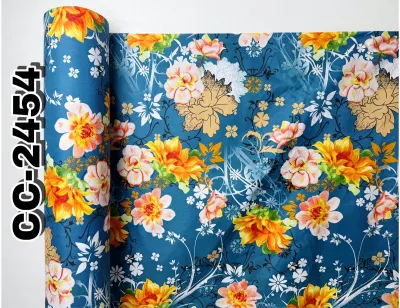
Prices are valid at publication and may change. Please refer to the product page for the latest price.
Piña Fabric Characteristics and Handling
Piña is widely considered the most luxurious of the traditional Philippine textiles, prized for its ivory hue, delicate transparency, and remarkable luster. The fibers are painstakingly extracted from the leaves of the Red Spanish pineapple variety, scraped, washed, and hand-woven into a fine, gauze-like cloth. This labor-intensive process yields a fabric that is incredibly lightweight yet surprisingly stiff, giving it a unique ability to hold sculptural shapes without collapsing.
When inspecting genuine piña, you will observe a subtle, organic irregularity in the weave and a soft, natural sheen that synthetic imitations cannot replicate. The fabric has virtually no stretch, meaning your garment patterns must account for ease of movement to prevent the seams from pulling. Because the individual fibers are delicate, they can easily snag or split if handled roughly during the sewing process.
To work successfully with piña, you must select your tools with care. Fine, sharp needles and lightweight threads are essential to prevent puckering. Additionally, because the raw edges of piña fray easily under friction, you should plan for clean seam finishes. French seams or bias-bound edges are highly recommended to encase the raw threads securely while maintaining the clean, sheer aesthetic of the finished garment.
Jusi Fabric Properties and Variations
Jusi fabric offers a versatile alternative to piña, known for its smoother texture and slightly more substantial weight. Historically, jusi was woven from wild banana fibers or silk, but modern variations in the market are typically made from silk blends or high-quality synthetic fibers like polyester. This evolution has made jusi more accessible and easier to dye, resulting in a wide array of vibrant colors and intricate embroidered patterns.
Compared to the stiff, paper-like quality of piña, jusi has a noticeably softer drape and a higher level of opacity. It flows more easily, making it an excellent choice for classic formal wear like the Barong Tagalog, elegant gowns, or structured blouses that require a bit of movement. Because it is less transparent than piña, jusi can often be used as a standalone fabric or paired with a simple lightweight lining to enhance comfort.
When sourcing jusi for a project, it is crucial to evaluate the fiber content, as the performance of the fabric varies depending on its composition. Synthetic jusi blends tend to retain more heat and may feel slicker, while silk-blended jusi offers superior breathability in warm, humid weather. You can verify the material by checking the product labels or performing a simple touch test: silk-rich jusi will feel warm and soft to the touch, whereas pure synthetic variations often have a cooler, slightly stiffer hand feel.
Abaca Textile Traits and Structural Uses
Abaca, also known globally as Manila hemp, is harvested from the leaf stalks of the Musa textilis plant, a close relative of the banana. This fiber is celebrated for its exceptional tensile strength, resistance to saltwater damage, and robust, coarse texture. When woven into a textile, abaca displays a rustic, earthy aesthetic with a highly visible grain and a stiff, structural hand that makes it incredibly durable.
Because of its coarse nature, pure abaca is rarely used for garments worn directly against the skin, as it can feel scratchy and rigid. Instead, it excels in structured fashion elements, such as wide-brimmed hats, stiff collars, sculptural sleeves, bags, and decorative footwear. It is also a popular choice for home accessories and outerwear where structural integrity and shape retention are the primary goals.
Before purchasing abaca tela, you should carefully examine the weave density and check if the fabric has been blended with softer fibers like cotton or silk. Some modern weavers produce abaca blends that are significantly softer and more pliable, making them suitable for structured jackets or vests. If you plan to use a stiffer, pure abaca weave for a wearable item, ensure you incorporate a comfortable lining material to protect the wearer’s skin from friction.
Matching the Right Tela to Your Sewing Project
Selecting the ideal traditional fabric requires balancing the aesthetic goals of your design with the physical limitations of the fiber. Because these textiles do not behave like standard modern knits or soft cottons, matching the tela to the specific pattern is the key to a successful sewing project. You must consider how the garment will sit on the body, how much structure it requires, and whether it needs to withstand frequent movement.

For formal garments like the traditional Barong Tagalog or elegant evening wear, jusi and piña remain the premier choices. If your design features intricate embroidery, crisp pleats, or dramatic, structured sleeves (such as the classic butterfly sleeves), piña provides the necessary stiffness to hold these shapes aloft. If your project demands a softer silhouette, a more fluid skirt, or a budget-friendly formal option, jusi is the more practical candidate.
Working with sheer fabrics like piña or lightweight jusi also requires careful planning for linings and underlays. A matching satin, silk, or high-quality cotton lawn lining not only conceals inner construction details like seam allowances and interfacing but also protects the delicate outer fabric from body oils and sweat. When choosing a lining, ensure its weight and drape complement the outer shell without dragging it down or making the garment too hot for tropical climates.
Your pattern selection should also adapt to the fabric’s natural properties. For crisp, non-stretch materials like piña and pure abaca, avoid patterns that require heavy gathering, tight easing, or complex, curved seams, as these can cause the fabric to bulk up or fray. Instead, opt for clean, straight lines, simple darts, and minimalist silhouettes that allow the natural beauty and structure of the weave to take center stage. Softer jusi variations can handle slightly more complex gathering and gentle draping, but still benefit from generous ease to prevent seam strain.
Sourcing and Verifying Authentic Local Textiles
As demand for traditional Philippine textiles grows, so does the prevalence of synthetic imitations. To ensure you are supporting local artisans and working with high-quality materials, it is important to know how to source and verify authentic tela. Genuine handwoven fabrics carry a distinct character and durability that mass-produced polyester alternatives simply cannot match.
The most reliable way to purchase authentic piña, jusi, and abaca is to source directly from established local weaving cooperatives, cultural heritage hubs, or specialized physical retailers that work directly with weaving communities in regions like Aklan, Laguna, and Mindanao. Purchasing from these verified sources guarantees that your fabric is hand-crafted using traditional methods, directly supporting the livelihood of local weavers.
When evaluating a fabric in person, look closely at the weave consistency. Authentic handwoven textiles will feature slight, natural imperfections, such as tiny variations in thread thickness or minor irregularities in the weave pattern. These are not defects, but rather the hallmarks of genuine artisan craftsmanship. In contrast, synthetic imitations will appear flawlessly uniform and often exhibit an unnaturally bright, metallic sheen under artificial light.
Price is another major indicator of authenticity. Because extracting and weaving fibers like piña and abaca requires immense manual labor and time, genuine pieces command a premium price. If you encounter a fabric labeled as pure piña or high-grade jusi at an unusually low price, it is highly likely a synthetic polyester blend. Always read the manufacturer labels carefully and ask the retailer about the specific origin and fiber composition of the textile before making your purchase.
Care and Maintenance for Delicate Woven Materials
Traditional Philippine fabrics are investments that require careful preservation to maintain their beauty and structural integrity over time. Because natural fibers like pineapple and abaca are sensitive to moisture, heat, and friction, standard modern laundry practices can easily ruin a finished garment. Establishing a gentle care routine is essential to prevent discoloration, fiber breakage, and warping.
When it comes to cleaning, the safest approach is to prioritize professional dry cleaning, especially for structured, embroidered, or multi-layered garments. For simpler, unlined items, a gentle hand-wash in cool water using a mild, pH-neutral liquid detergent is acceptable. Avoid twisting, wringing, or scrubbing the fabric, as this can distort the delicate weave and cause permanent creasing. Instead, gently press the soapy water through the fibers, rinse thoroughly, and lay the garment flat on a clean towel to air dry away from direct sunlight.
Ironing these materials requires a cautious touch to avoid scorching or melting the fibers. Always use a clean, lightweight pressing cloth between the iron and the fabric to distribute heat evenly. Set your iron to a low-to-medium heat setting, and utilize gentle steam to relax any stubborn wrinkles. Never press a hot iron directly onto embroidered areas, as this can flatten the decorative threads or damage the delicate backing.
Proper storage is the final step in preserving your handwoven garments. Avoid hanging heavy garments by thin straps, which can stretch the shoulders out of shape. Instead, store your items in breathable cotton garment bags rather than plastic covers, which can trap humidity and encourage mold growth in tropical climates. Keep the garments in a cool, dry, dark closet away from direct sunlight to prevent the natural dyes from fading. Finally, avoid folding crisp fabrics like piña too tightly; instead, roll them gently or cushion the folds with acid-free tissue paper to prevent the stiff fibers from snapping along the crease lines.
Frequently Asked Questions (FAQ)
Can I machine wash garments made from Piña or Jusi?
No, you should avoid machine washing garments made from piña or jusi. The intense agitation, spinning, and friction of a standard washing machine can easily tear the delicate, handwoven fibers, distort the weave, and ruin intricate embroidery. To preserve the shape and quality of your garments, always opt for professional dry cleaning or a gentle hand-wash using mild detergent, followed by air drying.
What type of needle and thread should I use for sewing Piña cloth?
When sewing piña cloth, it is best to use a very fine, sharp sewing machine needle, such as a microtex or sharp needle in size 60/8 or 70/10. These needles are designed to pierce the crisp, tightly woven pineapple fibers cleanly without snagging or causing runs in the fabric. Pair this with a high-quality, fine polyester or silk thread that matches the weight of the fabric to ensure smooth seams and prevent puckering.
Community discussion
Share your experience or ask a question. Comments are reviewed before publication.