
Preparing for a professional licensure exam in the Philippines requires intense focus on your review materials, but last-minute security hurdles can easily disrupt your concentration. Failing to meet the strict transparent bag requirements set by the Professional Regulation Commission (PRC) and individual testing venues can cause unnecessary stress or even delay your entry on exam day. To ensure a smooth check-in process, examinees must use a completely clear, transparent bag or envelope to hold their documents, identification, and permitted stationery.
This guide breaks down the exact specifications, material standards, and organizational strategies required to pass security inspections without a hitch. By understanding what proctors look for, you can select the right storage solution and focus entirely on passing your exam.
Locating Official Bag Policies for Your Specific Board Exam
The primary source for all exam-day rules is the official Notice of Admission (NOA) issued to you by the PRC after your application is approved. This document explicitly lists the required materials, permitted calculator models, and the baseline rule regarding transparent bags. Because guidelines can vary slightly depending on the nature of the profession, always read the specific exam advisory published on the official PRC website a few weeks before your scheduled date.
Products mentioned in this guide
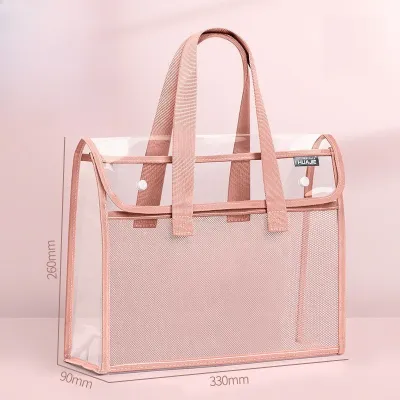
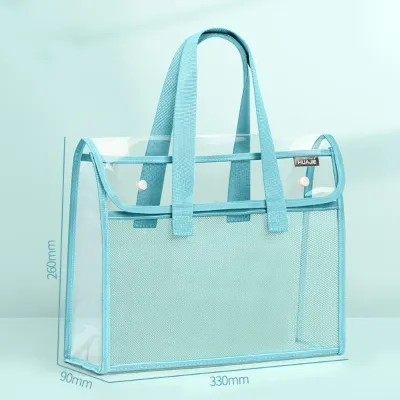
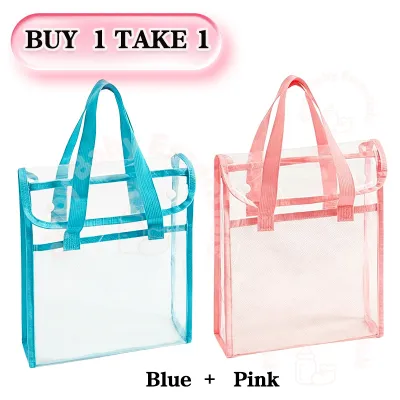
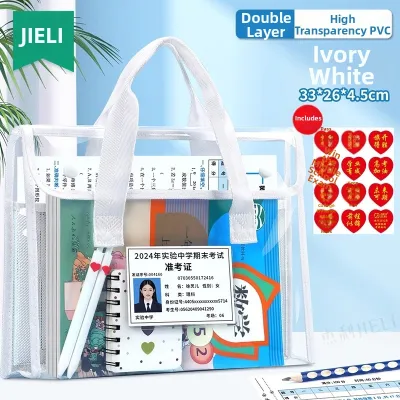
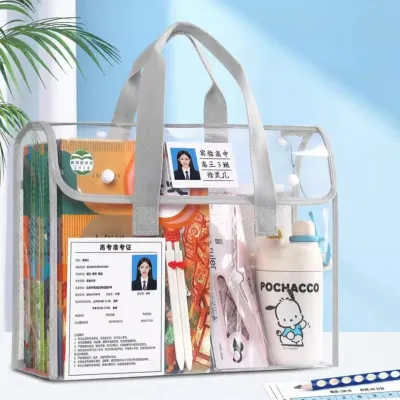
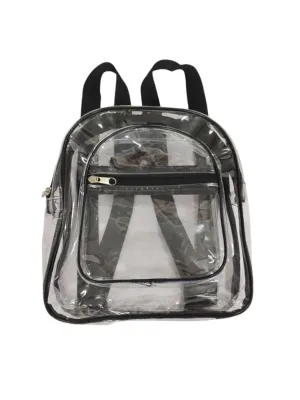
Prices are valid at publication and may change. Please refer to the product page for the latest price.
In addition to national PRC guidelines, localized testing venues often enforce their own campus security rules. Many board exams are held in public elementary schools, high schools, or private university campuses across the Philippines. These venues may have strict gate policies regarding bag sizes, metal components, or the types of personal belongings allowed inside the campus gates.
Universally prohibited features include tinted plastics, heavy printed logos, opaque compartments, mesh backings, and multi-pocket organizers. The primary goal of the security check is to ensure no unauthorized notes, cheat sheets, or electronic devices are hidden from view. Any design element that obstructs a clear, 360-degree view of the bag’s contents will likely be flagged by proctors at the entrance.
Core Specifications to Evaluate When Choosing a Clear Bag
When shopping for a compliant bag, size is the first critical dimension to evaluate. The bag must comfortably accommodate standard Philippine document sizes, primarily Legal (8.5 x 13 inches), Letter (8.5 x 11 inches), and A4 (8.27 x 11.69 inches). Your NOA and official receipts must remain flat and uncreased for easy scanning and verification by the room examiners.

A bag that is too small forces you to fold these critical documents, which can damage barcodes and slow down the registration line. Conversely, an oversized bag, such as a large clear tote or duffel, may exceed the personal space allowance at your assigned desk. This may force proctors to request that you place the bag on the floor or at the front of the room, out of your reach during the exam.
Material clarity is equally important, especially when distinguishing between polyvinyl chloride (PVC) and polypropylene (PP). PVC is highly flexible, thick, and completely glass-clear, making it excellent for zipper pouches. However, cheap PVC can become sticky or cloudy in high-humidity tropical environments, which are common in Philippine testing centers during the rainy season or in non-airconditioned rooms.
Polypropylene is stiffer, lightweight, and highly resistant to moisture, making it the standard choice for snap-button envelopes. Avoid frosted, matte, or tinted plastics, as well as mesh-reinforced materials. If a proctor cannot easily read a printed document through the plastic from two feet away, the bag does not meet the transparency standard.
Closure mechanisms also require careful evaluation to balance security and accessibility. Zippers offer the most secure seal, preventing small items like erasers, pencil sharpeners, and spare lead from falling out during transit. Plastic slide zippers are highly recommended over metal ones, as they operate smoothly and do not trigger metal detectors.
Snap buttons, commonly found on polypropylene envelopes, allow for rapid opening and closing during inspections but can pop open if the envelope is overfilled. Hook-and-loop fasteners are secure but can collect lint over time, and the loud ripping sound they make can be highly disruptive in a quiet examination room.
Recommended Transparent Bag Styles for Strict Exam Rules
To minimize the risk of rejection at the testing center, stick to simple, time-tested designs that prioritize maximum visibility. The following styles generally align with strict testing environment rules:
- Clear PVC Zipper Pouches: These are highly durable, water-resistant, and provide excellent visibility. They are ideal for holding smaller items like calculators, pens, pencils, and erasers alongside your flat documents. Look for designs with reinforced fabric stitching along the zipper line for added durability, but ensure the fabric border is thin and does not obscure the main compartment.
- Transparent Polypropylene Envelopes with Snap Buttons: Often referred to locally as clear plastic envelopes, these are the gold standard for document preservation. They keep your NOA, official receipts, and certificates perfectly flat. If you choose an expanding version to accommodate a calculator, ensure the expansion gusset is also made of fully transparent plastic rather than opaque fabric.
Avoid multi-layer bags, mesh inserts, thick colored borders, or bags with internal dividers. Multi-layer bags create overlapping shadows that make it difficult for proctors to verify contents at a glance. Mesh inserts, even if made of clear nylon, distort the text of documents underneath them. Thick colored borders or opaque fabric backings are often used by manufacturers to hide weak seams, but they also create blind spots where small notes could be concealed.
At-Home Compliance Checks to Perform Before Exam Day
Before heading to your testing center, perform a few simple checks at home to ensure your bag is fully compliant. This proactive step can save you from frantic, last-minute adjustments at the venue gates.
First, perform the text-visibility test. Place your printed NOA and a government-issued ID inside the bag. Hold the bag at arm’s length under normal indoor lighting. If you cannot clearly read your name, exam details, and the barcode on the permit without opening the bag, the plastic is too cloudy or scratched and must be replaced.
Next, verify the internal dimensions of the bag. A bag might have external dimensions of 10×14 inches, but thick heat-sealed seams or zipper tracks can reduce the actual internal width. Ensure your documents can slide in and out smoothly without catching on the edges or bending the corners.
Finally, conduct a quick durability check. Gently tug at the side seams and run the zipper or snap button back and forth several times. Philippine board exams are high-stakes events, and the last thing you want is a split seam spilling your pens and calculator onto the floor of a crowded testing center. If the plastic shows signs of stretching, thinning, or tearing near the joints, replace the bag immediately.
Organizing Allowed Items for Maximum Visibility
How you organize your items inside the bag is just as important as the bag itself. A cluttered, messy bag raises suspicion and slows down the security line, while a neat layout allows proctors to clear you in seconds.
Only pack the standard allowed items permitted by the PRC. These typically include your NOA, official receipt, two or more No. 2 pencils, a high-quality eraser, a small pencil sharpener, two black ballpoint pens, a compliant calculator (if permitted for your specific exam), and a valid government ID.
Leave all prohibited items behind. Smartwatches, mobile phones, fitness trackers, wallets, keys, tinted sunglasses, and unauthorized reference materials should either be left at home, in your vehicle, or surrendered to the designated baggage area before entering the exam room. Keeping these items in your transparent bag, even if powered off, can lead to immediate disqualification.
When packing, place your largest flat documents against the back wall of the bag, facing outward so the proctor can read them instantly. Position your stationery, calculator, and other small items in the front, spacing them out rather than piling them on top of each other. This flat, organized layout allows security personnel to verify every single item in your bag in a matter of seconds.
Frequently Asked Questions (FAQ)
Can I use a transparent bag with a small brand logo?
Small, unobtrusive manufacturer logos printed on the corner of the bag are generally acceptable, provided they do not block the view of your documents or stationery. However, if the logo is large, colorful, or placed directly in the center of the bag, it can create a blind spot. To avoid any potential scrutiny from strict proctors, it is always safest to opt for completely unbranded, clear alternatives.
Are clear pencil cases treated the same as transparent document bags?
No, clear pencil cases are typically much smaller and are designed solely to hold writing utensils and erasers at your desk. While you can use a clear pencil case inside your larger transparent document bag, some testing centers require you to remove all stationery from smaller cases during the exam. Using a single, medium-sized transparent envelope to hold both your documents and stationery is often the most efficient approach.
What happens if my bag is rejected at the testing center entrance?
If your bag is rejected, security personnel will instruct you to transfer your allowed items into a compliant container or carry them loose. Many testing centers have local vendors outside the gates selling basic clear plastic envelopes on exam morning. To avoid paying inflated prices or risking delays, arrive at the venue at least one hour early so you have ample time to resolve any compliance issues before the gates close.
Community discussion
Share your experience or ask a question. Comments are reviewed before publication.