
Quick Answer: Matching the Grip to Your Child's Needs
Choosing the right pencil grip can transform your child’s writing experience, but the best option depends entirely on their current developmental stage and hand size. There is no single design that works for every young writer, as each shape serves a distinct physical purpose.
- Triangular Grips: Best for early learners who need gentle, tactile guidance to establish a standard tripod grasp. These grips provide flat surfaces that naturally position the fingers without physical restriction.
- Round Grips: Ideal for children who already use a functional grasp but experience hand fatigue. They offer cushioning, increase the pencil's diameter, and reduce the strain of tight gripping.
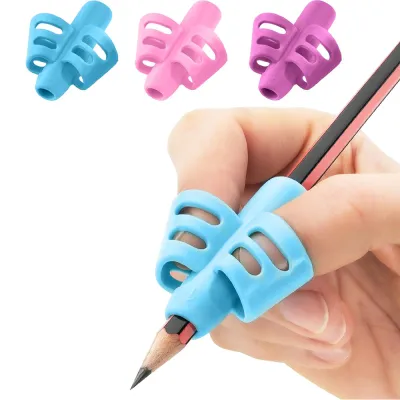
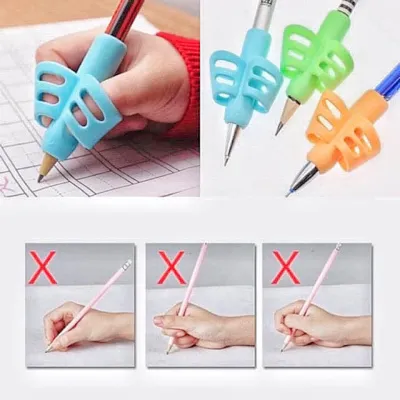
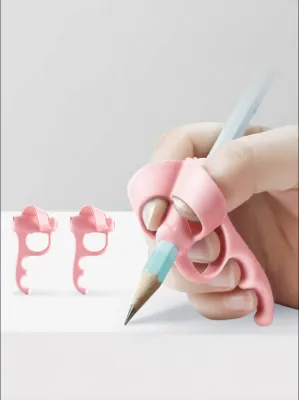
- Claw Grips: Most effective for children struggling with severe grip deviations, weak finger isolation, or a fisted grasp. The physical pockets or rings force the fingers into the correct positions.
Before purchasing a large pack on an online marketplace, consider your child’s specific hand size and motor challenges. A physical trial with a single grip is always recommended to ensure the design matches their unique hand structure.
How Triangular, Round, and Claw Grips Actually Work
Understanding the mechanical design of each grip type helps you select the one that addresses your child’s specific physical needs. These tools use different shapes and materials to alter how a child interacts with a writing utensil.
Products mentioned in this guide
![[COD] SAjeNH SPORT Silicone Pencil Grips Children Writing Pencil Pen Holder Five Fingers Fixed Handwriting Posture Correction Assisted Grip](https://img.lazcdn.com/g/p/ce883ed461e54356def3905b3267e6e3.jpg_400x400q80.jpg_.webp)
Prices are valid at publication and may change. Please refer to the product page for the latest price.

Triangular Grips
Triangular grips feature three distinct, flat sides that run parallel to the pencil shaft. This geometry relies on tactile boundaries to guide the thumb, index, and middle fingers into a classic tripod position. When your child places their fingers on the flat surfaces, the grip naturally discourages crossing the thumb over the index finger. Because there are no physical pockets, the child retains full freedom to adjust their finger height along the pencil.
Round Grips
Round grips are cylindrical or bulbous sleeves that slide over the pencil. Instead of forcing a specific finger placement, they focus on ergonomics and comfort. By increasing the overall diameter of the pencil, round grips reduce the muscle force required to hold the writing tool. This design is particularly helpful for children who squeeze their pencils too tightly, as the soft material cushions the knuckles and distributes pressure more evenly.
Claw Grips
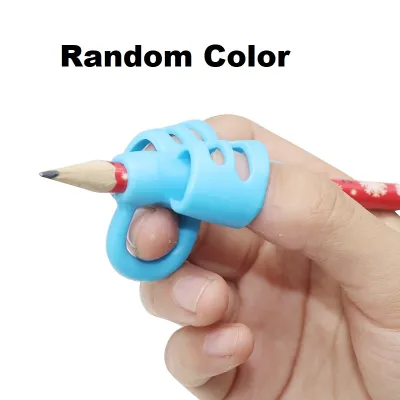
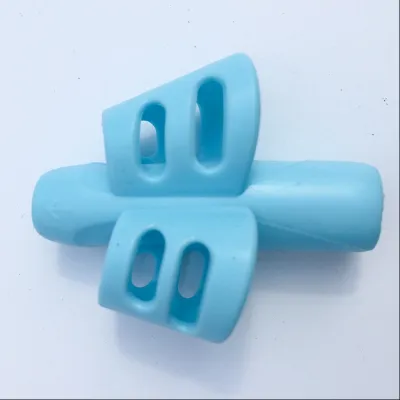
Claw grips utilize physical barriers, such as individual finger cups, rings, or flexible silicone webs. This design physically restricts the fingers, forcing the thumb, index, and middle fingers into dedicated slots. By locking the fingers into a pre-determined configuration, claw grips prevent common errors like thumb-wrapping or a fisted grasp. This mechanical restriction provides strong sensory feedback, making it clear where each finger must rest.
Material and Texture Considerations
When shopping for grips, check the product labels for material specifications. Silicone grips tend to offer excellent flexibility, durability, and a soft touch, making them comfortable for long writing sessions. Rubber grips are often firmer and provide higher surface friction, which prevents fingers from sliding down the pencil. In warm, humid climates like the Philippines, sweaty hands can cause fingers to slip off smooth plastic. Opting for textured silicone or matte rubber grips can help maintain a secure hold even during hot school days.
4 Physical and Developmental Factors to Check Before Buying
Selecting a pencil grip requires looking closely at your child’s physical hands and how they currently hold a pencil. Assessing these four key areas will prevent you from buying a tool that causes frustration.
Hand Size and Finger Length
A grip that is too large for a child’s hand will force their fingers too far apart, leading to rapid muscle fatigue. Conversely, a grip that is too small will not provide enough surface area for proper finger placement. Measure the distance from your child’s wrist crease to the tip of their middle finger. Compare this with the manufacturer’s product dimensions to ensure the finger slots or flat sides align naturally with their physical proportions.
Current Grip Style and Deviations
Observe your child while they write or draw without any assistance. Note whether they use a dynamic tripod grasp, where the pencil is held between the thumb and index finger while resting on the middle finger. If they use a lateral grasp, wrap their thumb tightly over their index finger, or hold the pencil in a closed fist, they have a grip deviation. Severe deviations usually require the physical boundaries of a claw grip, while minor adjustments can be managed with a triangular design.
Age and Fine Motor Development Stage
Children develop hand strength and finger isolation at different rates. Younger children in preschool or kindergarten are still developing the intrinsic hand muscles needed for precise finger movements. Introducing a highly restrictive claw grip too early can frustrate a child who lacks the developmental readiness to use it. Start with simpler, open designs like triangular grips for early learners, and reserve restrictive grips for older children who need targeted correction.
Specific Writing Challenges
Identify the exact problem your child faces during schoolwork. If they complain of rapid hand fatigue or show white knuckles from squeezing too hard, they need the cushioning of a round, bulbous grip. If their fingers constantly slide down toward the pencil tip, especially in humid classrooms, they need a textured grip with high surface friction. If they cannot keep their fingers separated, a structured claw grip is the most appropriate choice.
Triangular vs Round vs Claw: A Practical Comparison
To help you decide which design fits your child’s current needs, this comparison highlights the practical differences in restriction, target usage, and limitations.
| Grip Type | Physical Restriction Level | Primary Target | Best Suited For | Key Limitation |
|---|---|---|---|---|
| Triangular | Low | Finger placement guidance | Early learners, mild grip adjustments | Does not prevent severe thumb-wrapping |
| Round | None | Comfort and pressure reduction | Children with a functional grasp who experience fatigue | Ineffective for correcting finger placement |
| Claw | High | Strict finger positioning | Children with severe grip deviations or weak hand strength | Can feel restrictive or uncomfortable for larger hands |
Triangular Grips Evaluation
Triangular grips are excellent transitional tools for children who are just learning to write. Because they offer low physical restriction, they encourage the child to actively find the correct finger placement rather than forcing them into it. This helps build long-term muscle memory. However, if your child has a strong habit of wrapping their thumb over their index finger, a triangular grip may not provide enough physical resistance to break the habit.
Round Grips Evaluation
Round grips excel at providing sensory comfort and reducing physical strain. They are highly effective for older children who already write legibly but suffer from hand fatigue during long writing tasks. The added thickness makes the pencil easier to hold, which is beneficial for children with joint hypermobility. However, because round grips lack tactile guides for individual fingers, they will not correct improper finger positioning or poor grasp habits.
Claw Grips Evaluation
Claw grips offer the highest level of physical guidance, making them the go-to choice for correcting stubborn grip habits. The individual finger cups ensure that the thumb, index, and middle fingers remain isolated and properly positioned. Despite their effectiveness, claw grips can feel highly restrictive. Children with larger hands may find the finger cups too tight, and those with high sensory sensitivity might reject the feeling of being physically locked into place.
Pencil and Grip Compatibility
Always verify that the grip you choose fits the specific writing utensils your child uses at school. Standard yellow wooden pencils, thick beginner pencils, and mechanical pencils all have different diameters. Some silicone grips are highly stretchable and can accommodate various sizes, while rigid rubber grips may only fit standard hexagonal pencils. A mismatched grip will either slide around loose on the pencil or stretch so tightly that it becomes difficult to remove.
How to Test the Fit and Know When to Stop
Once you select a pencil grip, you must monitor how your child uses it to ensure it is actually helping their writing mechanics. A grip should never cause discomfort or make writing more difficult.
Observable Checks for a Proper Fit
Watch your child’s hand closely during a writing session. Look for these key indicators of a successful fit:
- Finger Placement: The thumb and index finger should form a clean oval shape, with the pencil resting gently on the middle finger.
- Knuckle Color: The skin over your child's knuckles should maintain its natural color. If the knuckles turn white, they are still squeezing the pencil with excessive pressure.
- Wrist Posture: The wrist should rest flat on the paper, slightly below the writing line, rather than being hooked or elevated in the air.
Introducing the Grip Gradually
Do not expect your child to use a new pencil grip for all of their schoolwork immediately. Introduce the tool gradually during short, low-stress writing or coloring sessions lasting five to ten minutes. This gradual introduction prevents muscle fatigue and reduces sensory rejection. As your child becomes accustomed to the new physical feedback, you can slowly increase the usage time during daily homework.
Verifying Tool Compatibility
Ensure the grip works seamlessly with your child’s standard school supplies. If your child is left-handed, verify that the grip design is ambidextrous or specifically molded for left-handed writers. Some asymmetrical grips have molded finger slots that only fit right-handed users, which will cause pain and improper positioning if used with the left hand. Additionally, make sure the grip does not block the pencil eraser or prevent the pencil from fitting into a standard sharpener if it cannot be easily removed.
Clear Stop Conditions
While pencil grips are helpful assistive tools, they are not always the complete solution. Discontinue use immediately if your child complains of physical pain, numbness, or tingling in their fingers or wrist. If you observe that the grip causes them to hold their wrist at an awkward, strained angle, remove it. If your child shows no improvement in hand fatigue or legibility after several weeks of consistent, gradual use, consult an occupational therapist or a pediatric specialist for a professional evaluation.
Frequently Asked Questions (FAQ)
Can a pencil grip permanently fix a child's handwriting?
A pencil grip is a temporary assistive tool designed to provide physical feedback and comfort while writing. It does not permanently fix handwriting on its own, as legible writing relies on fine motor control, shoulder stability, and consistent practice. While the grip helps establish proper finger placement during use, long-term improvement requires building the underlying hand strength and motor planning skills through targeted exercises.
How do I clean and maintain silicone or rubber pencil grips?
To clean silicone or rubber pencil grips, wipe them down with a damp cloth and a small drop of mild dish soap. Avoid using harsh chemical solvents, bleach, or boiling water, as these can degrade the material, causing it to lose its elasticity or become sticky. Allow the grips to air dry completely in a cool place before sliding them back onto a pencil, as any trapped moisture can cause the grip to slip during use or damage wooden pencils.
Community discussion
Share your experience or ask a question. Comments are reviewed before publication.