
Selecting the right bead material is the most critical decision in jewelry making, directly influencing your project’s durability, weight, cost, and overall aesthetic. The primary types of beads available to crafters include glass, wood, acrylic, gemstone, and metal. Each material possesses unique physical properties that dictate how it behaves when strung, how it drapes against the skin, and how well it withstands daily wear and environmental factors.
Whether you are crafting a delicate pair of woven earrings or assembling a heavy statement necklace, understanding these material differences ensures your handmade jewelry looks professional and lasts for years. In tropical climates like the Philippines, where humidity and perspiration are constant factors, choosing the correct material also prevents premature tarnishing, warping, or degradation of your creations. By matching your beads to the right stringing materials and techniques, you can ensure your designs remain beautiful and structurally sound.
How to Choose the Right Bead Material for Your Project
Before purchasing your materials, evaluate the intended use of the finished jewelry piece. Everyday accessories require durable, water-resistant materials that can handle daily wear, friction, and exposure to personal care products. Occasional-wear jewelry, on the other hand, allows you to experiment with delicate glass, untreated wood, or soft gemstones that require gentler handling.
Products mentioned in this guide
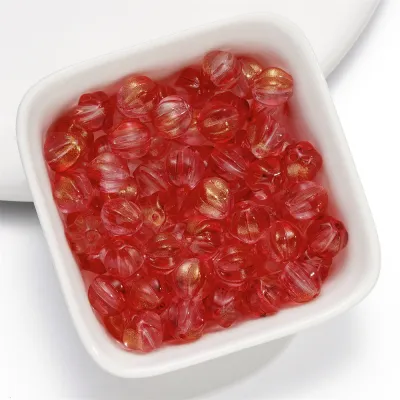
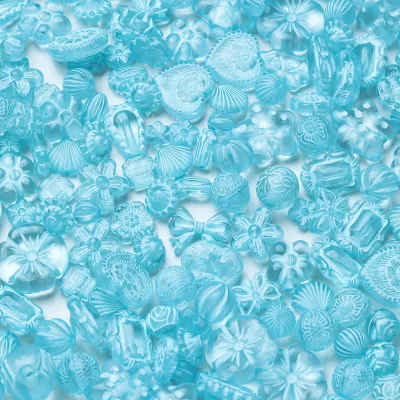
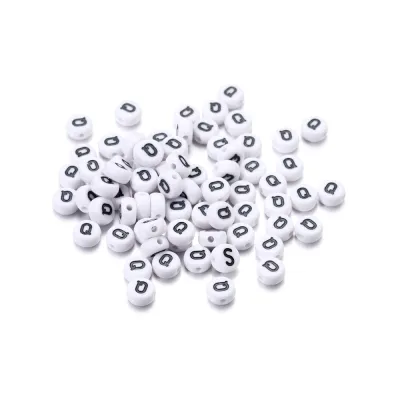
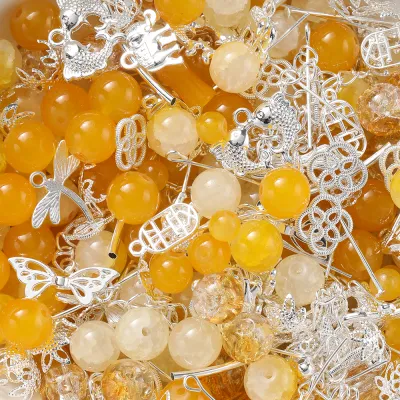
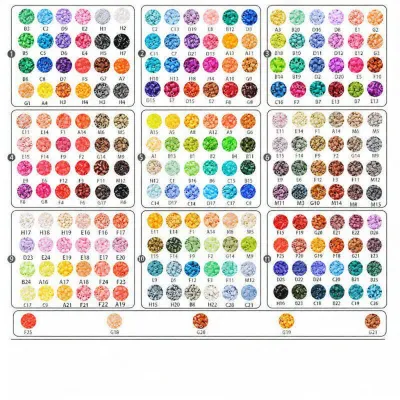
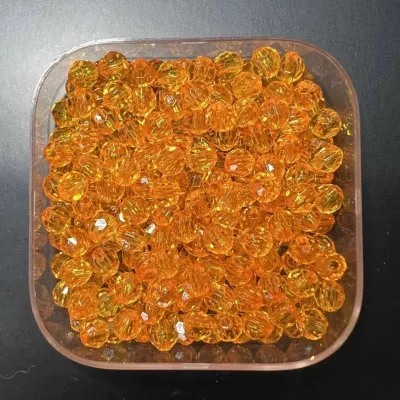
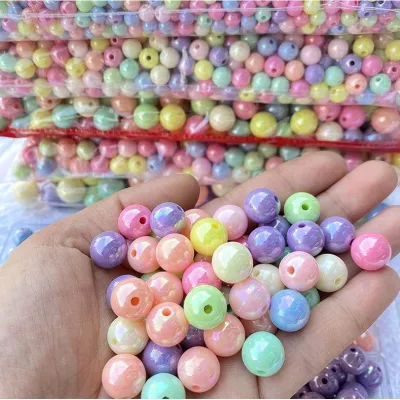
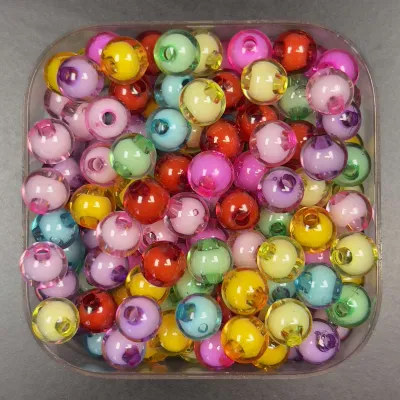
Prices are valid at publication and may change. Please refer to the product page for the latest price.
Weight tolerance is another crucial factor to consider. Heavy materials like solid gemstones, thick glass, and metals can make large necklaces uncomfortable to wear and may stretch or snap your stringing medium over time. For chunky, oversized designs, lightweight alternatives such as acrylic or hollow wooden beads offer a comfortable wear without sacrificing visual impact.
Your budget and current skill level should also guide your selection. Beginners often find it more practical to practice with budget-friendly acrylic or basic glass beads, which typically cost between ₱50 to ₱150 per pack, before investing in premium semi-precious gemstones or sterling silver accents. Larger beads with generous hole sizes are much easier to handle when you are still mastering basic knotting, crimping, and wire-wrapping techniques.
Finally, pay close attention to the hole size of the beads, as this dictates your choice of stringing material. Beads with very small holes, such as size 11/0 seed beads, require ultra-fine nylon threads and specialized needles. Conversely, large-hole beads can accommodate thicker cords, leather strips, or elastic bands, which heavily influences the final drape and structural flexibility of your jewelry piece.
Glass Beads: Versatility, Types, and Best Uses
Glass beads are celebrated for their exceptional luster, rich color depth, and moderate weight. They offer a smooth, cool feel against the skin and are highly resistant to fading from sunlight or moisture exposure. However, because glass is inherently fragile, these beads can chip or shatter if dropped on hard surfaces, such as the tile or concrete floors common in many homes.

When working with glass, you will encounter several distinct varieties, each suited to different techniques:
- Seed Beads: These tiny, precision-cut beads are the foundation of bead weaving, loom work, and detailed embroidery. They are categorized by size numbers (such as 8/0, 11/0, or 15/0), where larger numbers indicate smaller beads.
- Lampwork Beads: Created by melting glass rods over a torch, these beads feature intricate, handmade internal patterns, swirls, and floral designs, making them ideal focal points for necklaces or drop earrings.
- Pressed Glass Beads: Molded into highly consistent shapes and sizes, pressed glass is perfect for structured patterns, multi-row bracelets, and designs that require uniform geometry.
Glass beads are highly versatile, but they require careful handling during assembly. The edges around the drilled holes can sometimes be sharp enough to slice through delicate nylon or silk threads. To prevent this, inspect the bead holes before stringing, and use a hand-held bead reamer to gently smooth any rough glass edges. For added security, pair glass beads with durable, nylon-coated stainless steel beading wire.
Wooden Beads: Natural Texture and Lightweight Designs
Wooden beads bring an organic, earthy texture and a warm aesthetic to jewelry designs. Their standout feature is their remarkably lightweight nature, which allows you to create massive, multi-layered statement necklaces or dramatic drop earrings that remain comfortable to wear all day long. Because wood is naturally porous, these beads can be dyed, painted, carved, or varnished to achieve a wide range of rustic or modern finishes.
These beads are particularly well-suited for bohemian-style jewelry, men’s bracelets, yoga-inspired mala beads, and children’s craft projects. They pair beautifully with other natural materials like leather, hemp, linen cord, and raw metal accents. When using wooden beads for children’s projects, always verify that the manufacturer has used non-toxic, lead-free paints and sealants.
However, wooden beads require specific care, especially in hot and humid tropical environments. Prolonged exposure to moisture, sweat, body lotions, or perfumes can cause untreated wood to swell, warp, crack, or develop mold. To preserve their finish and structural integrity, advise wearers to remove wooden jewelry before bathing or swimming, and store the pieces in a dry, well-ventilated space.
When stringing wooden beads, you may encounter rough fibers or splinters inside the drilled holes. These rough interiors can easily abrade and weaken thin threads. To ensure durability, string wooden beads onto thicker, abrasion-resistant cords like waxed cotton or hemp, or use protective wire guards and metal eyelets to shield the stringing material from friction.
Acrylic and Plastic Beads: Affordable Options for Beginners
For crafters seeking highly durable, lightweight, and cost-effective materials, acrylic and plastic beads are excellent options. These synthetic beads are virtually shatterproof, making them incredibly safe for everyday wear and active lifestyles. They are available in an unmatched spectrum of vibrant colors, pastel shades, metallic coatings, and whimsical novelty shapes like stars, flowers, and alphabet letters.
These properties make acrylic beads the premier choice for beginner practice, children’s jewelry-making parties, large hair accessories, and casual, trendy beaded bags. Because they are exceptionally lightweight, you can use oversized acrylic links to build bold, chunky fashion chains that do not strain the neck or shoulders.
Despite their practicality, synthetic beads have a few distinct drawbacks. They carry a lower perceived value compared to natural materials and are highly susceptible to surface scratching over time. Additionally, cheap metallic or painted finishes on plastic beads can wear off or peel when exposed to friction, sweat, or alcohol-based hand sanitizers, so it is wise to verify the coating quality by performing a quick scratch test on a single bead before assembling a complete piece.
Gemstone and Crystal Beads: Premium Choices for Fine Jewelry
Gemstone and crystal beads represent the premium tier of jewelry-making materials. Whether you choose natural semi-precious stones like amethyst, jade, and turquoise, or high-quality leaded crystals, these beads offer an unmatched weight, brilliant light refraction, and a cool, luxurious feel. Each natural gemstone bead is entirely unique, displaying individual color banding, natural inclusions, and organic patterns that give finished jewelry an artisanal, high-end appeal.
These premium materials are best reserved for fine jewelry, bridal accessories, custom gifts, and wire-wrapped keepsake pendants. Because gemstone beads are significantly heavier than wood or acrylic, they require robust structural support. Always use multi-strand, nylon-coated stainless steel beading wire paired with secure metal crimps to ensure the finished piece does not stretch or break under its own weight.
When designing with gemstones, it is essential to consider the Mohs hardness scale to prevent premature wear. Softer stones, such as turquoise (Mohs 5-6) or fluorite (Mohs 4), can easily be scratched or chipped if they rub directly against harder stones like quartz (Mohs 7) or sharp metal spacer beads. To protect softer gemstones, place small, soft seed beads or protective silicone spacers between them to absorb friction.
Furthermore, because natural stones vary in color and shape, always layout your design on a grooved bead board before stringing. This allows you to balance the visual weight, distribute color variations evenly, and ensure a symmetrical, professional layout.
Metal Beads: Durability, Accents, and Skin Sensitivities
Metal beads serve both structural and decorative purposes in jewelry design. They range from premium precious metals like sterling silver and gold-filled options to affordable base metals such as brass, copper, and zinc alloys. Metal beads excel as spacer elements, adding contrast and sparkle between colorful glass or gemstone beads, and are indispensable for functional components like clasps, crimp beads, bead caps, and bail attachments.
While metal beads add a sleek, modern, or antique finish to your work, they require careful consideration regarding skin sensitivities and oxidation. In warm climates, sweat and humidity accelerate the tarnishing process of base metals, which can leave green or black marks on the wearer’s skin. Furthermore, many inexpensive alloy beads contain nickel, a common allergen that can trigger contact dermatitis.
To ensure your jewelry is safe and comfortable for long-term wear, prioritize hypoallergenic metals. Sterling silver, gold-filled, anodized aluminum, and surgical-grade stainless steel are excellent choices for components that sit directly against the skin, such as earring hooks and bracelet inner bands.
To maintain the luster of your metal beads and prevent oxidation, store finished jewelry in airtight plastic bags along with anti-tarnish strips or silica gel packets to absorb ambient moisture. Advise customers and wearers to clean metal components gently with a dry microfiber polishing cloth rather than harsh chemical cleaners, which can strip away protective finishes.
Matching Strings and Findings to Different Bead Materials
A beautiful jewelry design will only last as long as the structural materials holding it together. Pairing your chosen beads with the correct stringing medium, needle, and hardware is essential for creating durable, professional-grade accessories. Use this quick matching guide to select the right combination for your next project:
- Nylon Thread or Silk Cord: These soft, highly flexible threads are the industry standard for lightweight pearls, delicate glass seed beads, and intricate bead-weaving projects. They allow for precise knotting between individual beads, which prevents them from rubbing against each other and secures them in place if the strand ever breaks.
- Flexible Beading Wire: Composed of multiple micro-strands of stainless steel coated in nylon, this wire offers superior strength and kink resistance. It is the absolute best choice for heavy gemstone, glass, and metal beads. Always secure the ends of beading wire using metal crimp beads and wire protectors (wire guards) to prevent the wire from fraying at the clasp connection.
- Elastic Cord: Ideal for quick, clasp-free stretch bracelets, elastic cord works best with smooth-holed beads made of acrylic, wood, or polished gemstone. Avoid using elastic with heavy glass or sharp-edged metal beads, as they can quickly slice through the rubber core.
Your needle choice should also align with your bead and thread selection. When working with tiny seed beads and multiple thread passes, use fine, flexible wire beading needles (such as size 10 or 12). For large-hole wooden or acrylic beads, a rigid tapestry needle or even a self-needle (dipping the end of your cord in craft glue to let it harden) is often sufficient and much easier to thread.
Always double-check the compatibility of your findings. When using heavy beading wire, secure it with high-quality copper or brass crimps rather than brittle alloys that can crack under pressure. For silk or nylon threads, use bead tips (clamshells) or traditional knotting techniques to hide and secure the thread ends cleanly.
Frequently Asked Questions (FAQ)
Can I mix different bead materials in one jewelry piece?
Yes, mixing different bead materials can create stunning visual contrasts and unique textures. However, you must carefully manage the weight distribution and potential friction between materials. Avoid placing very heavy gemstone or metal beads directly next to soft, delicate materials like wood or pearls, as the harder surfaces can abrade and damage the softer ones over time. Use smooth glass seed beads or small silicone spacers as protective buffers between contrasting materials.
How do I clean and maintain natural gemstone beads?
To clean natural gemstone beads safely, wipe them gently with a soft, clean, damp microfiber cloth after each wear to remove body oils and perspiration. Avoid using ultrasonic cleaners, steam, or harsh chemical detergents, which can damage the structure of the stones. Porous gemstones—such as turquoise, opal, lapis lazuli, and organic pearls—should never be submerged in water or exposed to perfumes, hairsprays, or household cleaners, as they can easily absorb chemicals and lose their color or luster.
What is the best way to store unused beads to prevent damage?
The most effective way to store unused beads is in compartmentalized plastic organizers with secure, individual latches to prevent accidental spills. Keep different materials separated: store metal beads in small, airtight anti-tarnish bags to prevent oxidation, keep wooden beads in a cool, dry drawer away from extreme humidity to avoid mold, and store gemstones individually or wrapped in soft cloth to prevent them from scratching one another.
Community discussion
Share your experience or ask a question. Comments are reviewed before publication.