
Clay beads are a cornerstone of custom jewelry making, offering endless possibilities for personal expression, color curation, and tactile design. Whether you are crafting lightweight statement earrings, bohemian necklaces, or durable everyday bracelets, selecting the correct type of clay is the foundational decision that dictates your entire creative workflow. The three primary materials used to make these beads are polymer clay, air-dry clay, and ceramic clay. Each material behaves differently under your hands, requires distinct curing environments, and demands specific post-processing steps to ensure the finished jewelry can withstand daily wear.
In the Philippines, environmental factors such as high tropical humidity and warm ambient temperatures play a significant role in how these materials cure and age. Humidity can slow down the drying process of water-based clays, while sweat and skin oils can quickly degrade unsealed materials. Understanding the physical properties, curing requirements, and finishing demands of each clay type will help you choose the ideal medium for your skill level, workspace, and design vision.
Quick Guide to Choosing the Right Clay Bead Material
Selecting the right clay bead material requires balancing your creative goals with your physical workspace and available tools. If you lack specialized heating equipment, your choices will naturally lean toward air-dry options, whereas those with standard kitchen appliances or access to professional studios can explore polymer and ceramic alternatives. The ultimate success of your jewelry piece depends on matching the clay’s inherent strengths to how the finished item will be worn.
Products mentioned in this guide
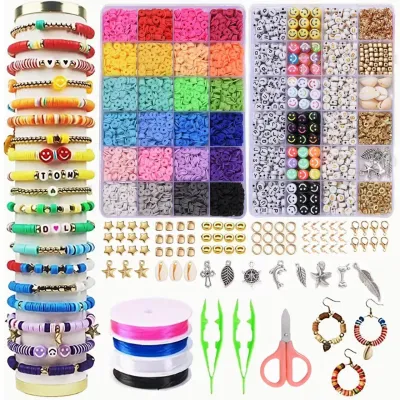
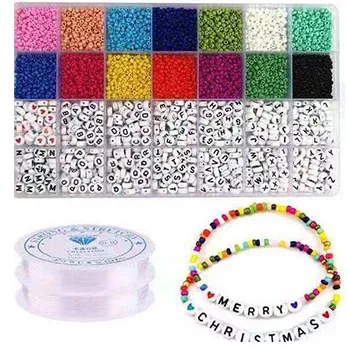
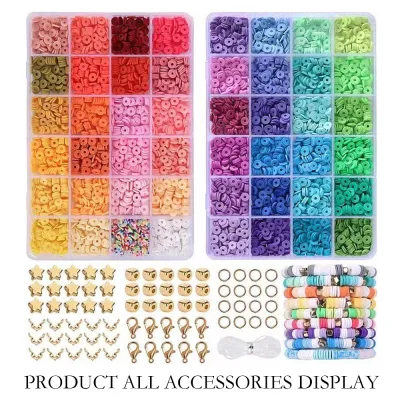
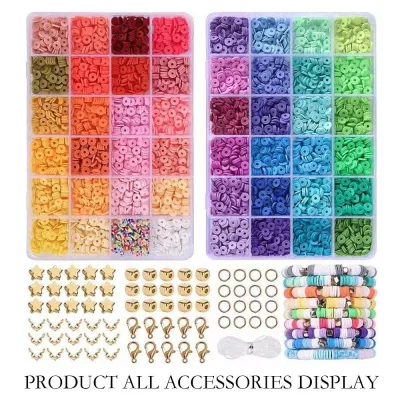
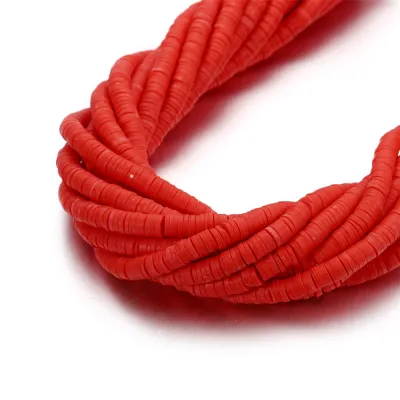
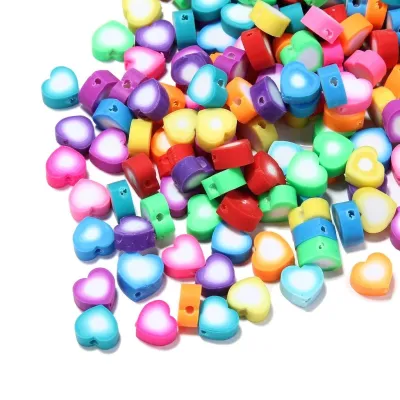
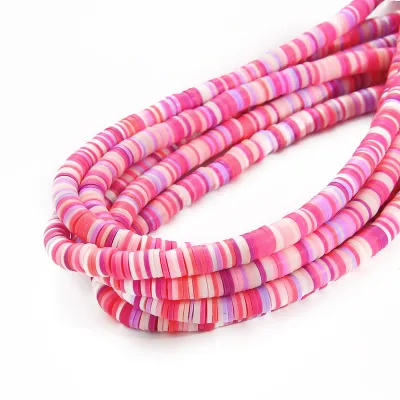
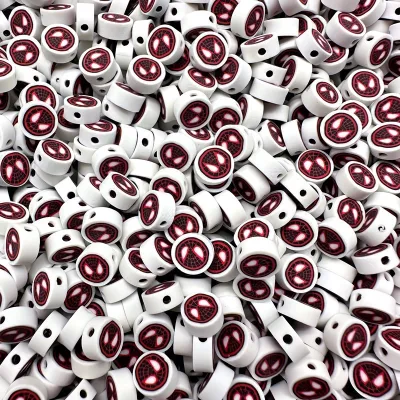
Prices are valid at publication and may change. Please refer to the product page for the latest price.
Each of the three main clay types—polymer, air-dry, and ceramic—serves a distinct segment of jewelry making. Polymer clay is highly favored for its vibrant color potential and structural flexibility, making it a staple for modern, detailed designs. Air-dry clay offers an accessible, low-barrier entry point for beginners and those seeking a rustic, organic aesthetic without heat processing. Ceramic clay represents the premium, traditional end of the spectrum, yielding heirloom-quality beads that are exceptionally durable but require specialized, high-temperature firing.
When deciding which clay to purchase, prioritize your curing capabilities first, followed by the wearability requirements of the jewelry. If your project involves delicate, high-contact items like rings or thin dangling earrings, the material must be strong enough to resist snapping. Conversely, if you are hosting a casual crafting session or working on large, chunky beads where minor imperfections add character, simpler drying methods will suffice.
Polymer Clay Beads: Best for Detailed and Colorful Designs
Polymer clay is a synthetic modeling material composed of polyvinyl chloride (PVC) polymers, plasticizers, and color pigments. Unlike natural clays, it does not contain water, which gives it a smooth, highly workable, and slightly plastic texture that does not dry out when left on your worktable. This indefinite working time allows you to take your time sculpting, texturing, and refining your bead shapes without the rush of a drying deadline.

To transform polymer clay from a pliable dough into a rigid bead, it must be cured using a standard home oven or a dedicated toaster oven. You must consult the manufacturer’s packaging for exact baking instructions, as temperature requirements generally range between 110°C and 130°C. Baking polymer clay at too low a temperature results in undercured beads that are highly brittle and prone to snapping, while exceeding the recommended temperature can burn the clay, releasing irritating, toxic PVC fumes. Always bake in a well-ventilated space, use an independent oven thermometer to verify the temperature, and wear protective gloves if handling warm items.
The primary strength of polymer clay lies in its remarkable versatility for color blending and pattern creation. Techniques such as millefiori (creating intricate patterned canes) and mokume gane (layering, stamping, and slicing clay) are highly achievable with this medium. Properly cured polymer clay is incredibly lightweight, making it ideal for large, dramatic statement earrings that will not stretch the wearer’s earlobes. Additionally, cured polymer clay is inherently water-resistant, meaning it will not soften or dissolve if exposed to a sudden tropical downpour.
Despite its strength, polymer clay has distinct limitations that crafters must navigate. If the clay is sliced too thin or underbaked, it loses its structural integrity and can easily snap under pressure. It also requires proper ventilation during the baking process to prevent the inhalation of fumes, and baking sheets used for clay should not be reused for food preparation without thorough cleaning. Furthermore, prolonged exposure to direct, intense UV sunlight can slowly fade certain organic pigments over time, so finished pieces should be stored in a cool, dark drawer when not in use.
Polymer clay is best applied to projects that demand intricate patterns, precise geometry, and vibrant color coordination. It is the premier choice for making uniform spacer beads, detailed floral pendants, and multi-colored statement earrings. Because it can be sanded, drilled, and buffed to a high sheen after baking, it allows for a highly polished, professional finish that mimics semi-precious stone, glass, or wood.
Air-Dry Clay Beads: Ideal for Beginners and Rustic Styles
Air-dry clay is a water-based medium often formulated with natural clays, paper fibers, or starch binders. It is highly accessible because it requires no specialized ovens, kilns, or heat sources to cure, making it a popular choice for school projects, casual hobbyists, and those working in restricted home environments. The clay is soft, easy to manipulate, and cleans up easily with plain water.
Curing air-dry clay is a passive process that relies entirely on the evaporation of water at room temperature. In the humid climate of the Philippines, this drying phase can take anywhere from 24 hours to several days depending on the thickness of your beads. As the water evaporates, the clay naturally shrinks, sometimes by as much as 5% to 10%. To prevent the beads from cracking during this process, they should be dried slowly on a non-stick surface, away from direct sunlight, air conditioning drafts, or high-speed electric fans.
The main advantage of air-dry clay is its extreme ease of use and low setup cost. It requires no chemical safety precautions during curing, and it can be easily carved, stamped, textured, and sanded using basic household tools once dry. It is also highly receptive to post-drying decoration, allowing you to paint the cured beads with acrylic paints, water-based inks, or metallic markers to achieve a wide array of rustic, earthy, or painted finishes.
However, air-dry clay is significantly less durable than baked or fired alternatives. Because it remains water-soluble even after drying, unsealed air-dry clay is highly vulnerable to moisture; exposure to rain, sweat, or high humidity can cause the beads to soften, lose their shape, or harbor mold. It is also relatively brittle and prone to chipping or shattering if dropped on hard surfaces, making it unsuitable for delicate, high-stress jewelry components.
To make air-dry clay beads wearable, a crucial finishing step is mandatory. You must apply a protective, waterproof barrier to seal the clay completely from ambient moisture and bodily oils. Suitable sealants include jewelry-grade UV resin, polyurethane varnish, or non-toxic acrylic sealants. Before applying any sealant to your finished beads, perform a trial test on a scrap piece of dried clay to verify that the varnish dries clear, does not dissolve your paint, and does not remain sticky after curing.
Given these characteristics, air-dry clay is best suited for large, chunky statement beads, organic or rustic pendants, and diffuse essential oil beads. Because porous air-dry clay can absorb liquids, unsealed beads can be lightly infused with essential oils to serve as wearable aromatherapy diffusers. It is also an excellent, low-risk medium for practicing bead-shaping techniques before investing in more expensive materials.
Ceramic and Pottery Clay Beads: For Durable and Professional Jewelry
Ceramic clay is a traditional, natural material sourced from earth deposits, categorized primarily into earthenware, stoneware, and porcelain. Earthenware is fired at lower temperatures and remains porous unless glazed, while stoneware is fired at higher temperatures to achieve a dense, stone-like quality. Porcelain is the most refined and delicate ceramic option, fired at extremely high temperatures to produce a translucent, glass-like finish that is highly prized in luxury jewelry.
Curing ceramic clay is a multi-step, high-barrier process that requires a specialized pottery kiln capable of reaching temperatures between 1,000°C and 1,300°C. This requirement makes ceramic bead making a more advanced pursuit, usually requiring access to a local pottery studio, community college workshop, or a personal studio setup. The process involves an initial “bisque” firing to harden the clay, followed by the application of liquid glazes, and a secondary “glaze” firing to vitrify the surface into a glassy, scratch-resistant coating.
Once fully fired and glazed, ceramic beads offer unparalleled durability and aesthetic depth. They are completely waterproof, chemically inert, and highly resistant to scratches, fading, and environmental degradation. The glaze firing process creates a rich, glossy, or satin finish with deep color variations that synthetic materials cannot easily replicate, giving each bead an heirloom-quality appeal that elevated jewelry lines demand.
Despite their beauty, ceramic beads carry significant practical trade-offs. The equipment required to produce them is expensive and requires dedicated, safe ventilation and high-voltage power sources. Ceramic clay also undergoes substantial shrinkage—often between 10% and 15%—during the drying and firing stages, which requires careful calculation when drilling bead holes to ensure they do not shrink too small for your threading cords. Additionally, ceramic beads are relatively heavy, which can cause discomfort or earlobe strain if used in large quantities for dangling earrings.
Ceramic clay is the ideal choice for professional jewelry designers aiming to create high-end, durable collections. It is perfectly suited for heavy focal pendants, premium everyday bracelets, and necklace designs where the cool, substantial weight of natural ceramic adds to the perceived value of the piece. When properly crafted, these beads can easily last for generations without losing their color or structural integrity.
How to Match Clay Beads to Your Jewelry Project
To choose the best clay for your specific jewelry project, you must weigh your available tools against the physical demands of the design. The table below outlines the core differences between the three clay types to help you make an informed decision.
| Clay Type | Curing Method | Durability & Water Resistance | Skill / Equipment Level | Best Jewelry Application |
|---|---|---|---|---|
| Polymer Clay | Home oven baking (110°C–130°C) | High durability; naturally water-resistant | Beginner to Intermediate; standard home kitchen oven | Detailed earrings, colorful pendants, precise spacer beads |
| Air-Dry Clay | Passive air drying (room temp) | Low durability; requires waterproof sealing | Beginner; no specialized heating equipment needed | Rustic beads, textured pendants, aromatherapy jewelry |
| Ceramic Clay | Kiln firing (1,000°C–1,300°C) | Maximum durability; waterproof when glazed | Advanced; requires access to a pottery kiln | Heavy focal beads, premium bracelets, luxury necklaces |
Your choice should always start with tool availability. If you are working at a dining table with no access to specialized heat sources, air-dry clay is your logical starting point. If you have a standard kitchen oven and want to create vibrant, detailed patterns, polymer clay is the most rewarding option. For those who already participate in pottery or have access to a local kiln service, ceramic clay provides a professional path to commercial-grade jewelry.
Weight and wearability are equally critical factors when planning your design. Heavy ceramic beads are excellent for anchoring a necklace or adding substance to a bracelet, but they can quickly become uncomfortable if hung from an earring hook. For large, dramatic earrings, polymer clay is the superior choice because its lightweight nature allows you to create oversized, sculptural shapes that can be worn comfortably all day. Air-dry clay is also light, but its lack of structural flexibility means thin, delicate earring components are highly prone to breaking, making it better suited for thicker, simpler shapes.
Finally, consider the environmental exposure of the finished jewelry. If you are designing everyday bracelets that will be subjected to handwashing, sweat, and daily friction, ceramic or properly cured polymer clay will withstand the wear. Air-dry clay should be reserved for low-contact items, such as statement pendants worn over clothing, where the protective sealant is less likely to be worn away by constant skin friction.
Essential Tips for Making and Finishing Clay Beads
Creating beautiful clay beads requires careful attention to detail during the forming, drilling, and curing stages. To ensure your beads are functional and long-lasting, implement these practical techniques into your workflow:
- Drilling Bead Holes: The timing of your drilling depends entirely on the clay type. For polymer and air-dry clays, it is easiest to pierce the holes before curing using a needle tool, toothpick, or bead piercer. Gently rotate the tool as you push it through to avoid distorting the bead's shape, and verify that the hole matches your intended threading cord (typically 1mm to 2mm in diameter). If you need to drill polymer clay after baking, use a manual hand drill or pin vise with a fine drill bit, applying gentle, steady pressure to prevent the cured plastic from cracking. For ceramic clay, holes must be made while the clay is leather-hard; once fired in a kiln, the material becomes too hard to drill without specialized diamond-tipped bits.
- Sealing and Finishing: Always select sealants that are chemically compatible with your clay type. For polymer clay, avoid solvent-based varnishes or aerosol spray cans, as the solvents can react with the plasticizers in the clay, leaving the surface permanently sticky and dust-attracting; instead, use water-based acrylic glazes or high-quality UV resins. For air-dry clay, apply two to three thin coats of a polyurethane varnish or jewelry-grade resin, ensuring you coat the inside of the bead hole to prevent moisture from seeping in from the threading cord. Always read product labels to ensure your chosen sealant is non-toxic, skin-safe for prolonged body contact, and formulated with UV inhibitors to prevent yellowing over time.
- Proper Storage: Uncured clays must be stored correctly to maintain their workability. Keep uncured polymer clay wrapped in wax paper or acid-free plastic wrap inside airtight plastic containers, away from dust and direct sunlight. Unused air-dry clay should be wrapped tightly in plastic wrap, placed in a zip-top bag with a slightly damp paper towel, and stored in a cool place to prevent it from hardening prematurely. Finished beads should be stored in a dry, organized jewelry box to protect them from scratches and high tropical humidity.
Frequently Asked Questions (FAQ)
Can I mix different types of clay in one jewelry piece?
You should not mix different types of uncured clay together in a single bead. Polymer clay, air-dry clay, and ceramic clay have completely incompatible curing methods, shrinkage rates, and temperature requirements. For example, baking air-dry clay in an oven can cause it to crack rapidly due to sudden water loss, while putting polymer clay in a ceramic kiln will completely burn and destroy the synthetic material. If you want to combine different clay textures in one jewelry piece, cure each bead type separately according to its specific manufacturer instructions, seal them, and then assemble them together using jewelry findings or a strong, flexible jewelry-grade adhesive.
Do air-dry clay beads need to be sealed before wearing?
Yes, air-dry clay beads must be sealed before they are worn as jewelry. Because air-dry clay is water-based and cured through simple evaporation, it remains highly sensitive to moisture after drying. Exposure to sweat, rain, high humidity, or skin oils will cause unsealed air-dry clay to soften, lose its structural shape, degrade, or even harbor mold over time. To protect your work, apply at least two thin coats of a waterproof, jewelry-safe sealant, such as polyurethane, acrylic varnish, or UV resin. Always verify that the sealant is completely dry and non-sticky before stringing the beads.
Community discussion
Share your experience or ask a question. Comments are reviewed before publication.