
Selecting the perfect clay for molding requires looking beyond the packaging to understand the underlying binder—whether water, oil, or polymer plastic. This fundamental chemical base determines how the material behaves under your hands, how it cures, and how long the final piece will endure. For artists, hobbyists, and makers, matching these properties to your specific project goals is the key to avoiding cracked sculptures, melted prototypes, or ruined molds.
The landscape of modeling clays is broadly divided into four distinct categories: air-dry clay, polymer clay, traditional ceramic clay, and oil-based clay. Each material serves a unique niche, from temporary industrial prototyping to heirloom-quality functional pottery. Deciding among them involves evaluating three critical dimensions: the level of detail your design demands, the ultimate durability required of the finished object, and your access to specialized curing equipment like home ovens or high-temperature kilns.
Air-Dry Clay: Properties and Best Project Uses
Air-dry clay is a highly accessible, water-based medium that hardens naturally at room temperature without the need for specialized heating equipment. Its formulation typically combines natural clay minerals, paper pulp, or synthetic fibers with water as the primary solvent. As the water evaporates into the surrounding air, the binding agents draw the solid particles together, causing the structure to solidify. Because this curing process relies entirely on evaporation, the material naturally undergoes physical shrinkage, which can range from minor to highly noticeable depending on the specific brand’s fiber content.
Products mentioned in this guide
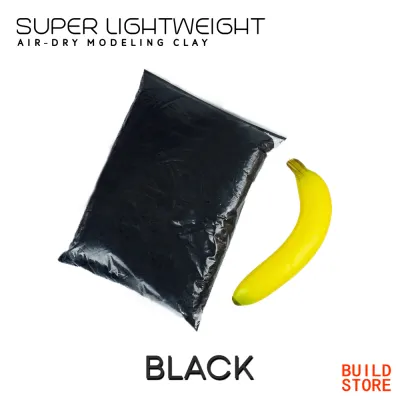
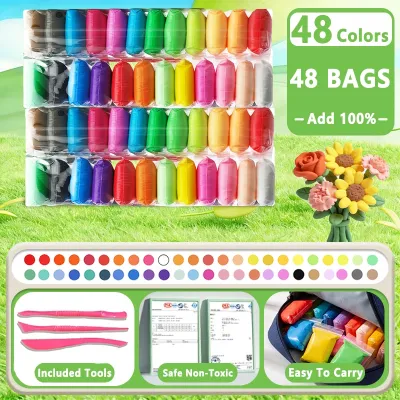
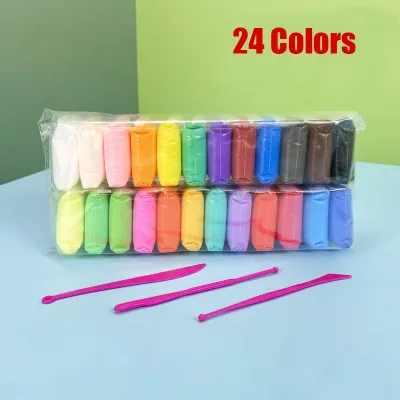
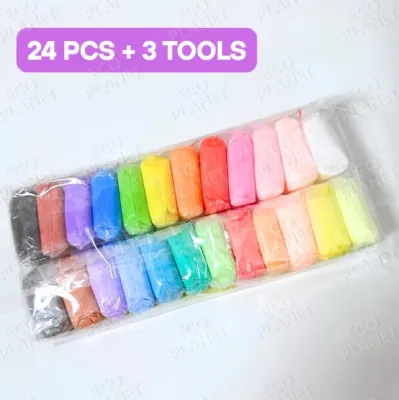
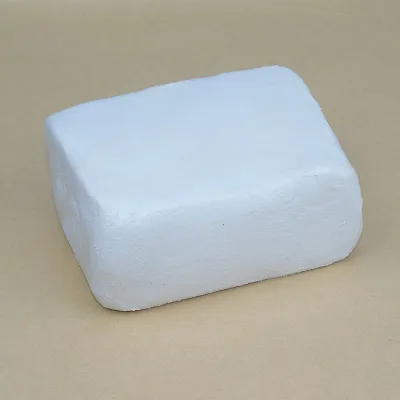
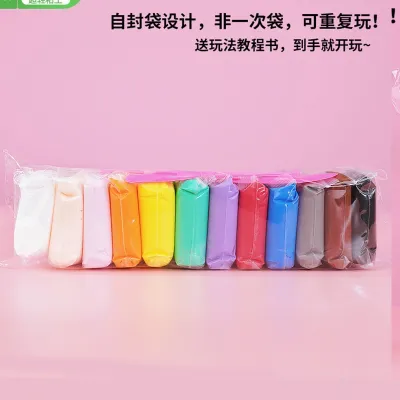
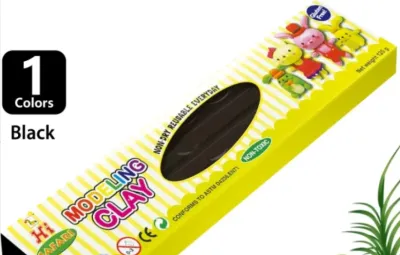
Prices are valid at publication and may change. Please refer to the product page for the latest price.
When working with air-dry clay, the tactile experience is highly intuitive. It is exceptionally easy to shape, roll, and carve using basic wooden or plastic modeling tools. You can easily smooth out surface imperfections, seams, and fingerprints simply by applying a small amount of water with your fingertips or a damp sponge. However, this high sensitivity to water means the material begins drying the moment it is exposed to air. In warm, tropical climates like the Philippines, managing moisture is a constant task. If the outer layer dries too quickly while the core remains wet, the uneven tension can lead to structural warping or deep surface cracks. Crafters must frequently mist their working pieces with water and keep unused portions tightly wrapped in damp cloths and airtight plastic bags.
Once fully cured, air-dry clay achieves a lightweight, matte, and highly porous finish. In this state, the material is relatively fragile and highly susceptible to moisture damage. If exposed to water or high humidity without protection, it will soften and eventually disintegrate. To preserve your creations, you must seal them thoroughly with an appropriate acrylic varnish, polyurethane coat, or specialized craft sealant. Even when sealed, the cured clay remains structurally delicate compared to baked or fired alternatives.
This clay is best suited for lightweight, decorative, or educational projects. It is an excellent choice for school dioramas, basic hand-built sculptures, relief plaques, and quick physical prototypes where structural strength is not a priority. It is also highly popular for making flat ornaments or decorative trays that will remain indoors.
However, its inherent limitations make it entirely unsuitable for functional household items, such as drinking mugs, bowls, or outdoor plant pots, as it cannot safely hold liquids. Furthermore, because it shrinks as it dries, it is poor for high-detail miniatures, delicate jewelry, or precision parts, as fine edges and intricate details tend to warp, round off, or crack during the evaporation process.
Polymer Clay: Properties and Best Project Uses
Polymer clay is a synthetic modeling material composed of polyvinyl chloride (PVC) nanoparticles suspended in a liquid plasticizer. Unlike water-based options, it contains no water or organic solvents, meaning it will never dry out or harden when left exposed to the air at room temperature. Instead, it remains completely workable indefinitely until it is subjected to heat. The curing process occurs when the material is baked, causing the plasticizer to fuse the PVC particles into a solid, durable plastic matrix. To achieve a proper cure, you must bake the clay in a standard home oven or a dedicated toaster oven, strictly following the manufacturer’s specified temperature and duration guidelines on the packaging’s instructions.

The working properties of polymer clay are highly favored by detailed crafters. Because it does not dry out mid-project, you can work on a single piece over several days or weeks without any rush. It is exceptionally pliable, holds its shape well, and responds beautifully to fine metal detailing tools, silicone color shapers, and texture mats. It does not stick excessively to hands or clean work surfaces, and different colors can be blended seamlessly to create custom gradients, marble patterns, or intricate cane designs.
After proper baking, polymer clay transforms into a highly durable, water-resistant, and slightly flexible plastic. This slight flexibility is a major advantage, especially for thin components like flower petals or figurine limbs, as it allows the piece to bend slightly under pressure rather than snapping instantly. The finished surface can be sanded, drilled, painted with acrylics, or polished to a high sheen.
These properties make polymer clay the premier choice for jewelry making (such as statement earrings and beads), highly detailed miniatures, tabletop gaming figurines, and small decorative molds. Its ability to preserve razor-sharp edges and microscopic details through the baking process is unmatched by air-dry alternatives.
Despite these benefits, polymer clay has clear limitations. If rolled too thin without an internal wire armature, it can still become brittle and break under moderate stress. It requires precise temperature control during baking; under-baking leaves the clay weak and crumbly, while over-baking can scorch the plastic, releasing irritating fumes. It is also important to note that cured polymer clay is not food-safe, meaning it should never be used for functional kitchenware or items that come into direct contact with food or drink.
Ceramic (Water-Based) Clay: Properties and Best Project Uses
Ceramic clay, often referred to as traditional or water-based pottery clay, is a natural material sourced from earth minerals, primarily consisting of hydrated aluminum silicates. It is categorized into three main types based on mineral composition and firing temperatures: earthenware, stoneware, and porcelain. Unlike synthetic or craft clays, ceramic clay requires firing in a specialized high-temperature kiln—reaching temperatures from 1,000°C to over 1,300°C—to undergo vitrification, a chemical process where the silica minerals melt and fuse into a glass-like, permanent structure.
The working properties of ceramic clay are deeply tied to its water content and plasticity. It requires physical preparation, such as “wedging” (a kneading process), to eliminate air bubbles that could expand and shatter the piece inside the kiln. It is highly versatile, allowing artists to throw shapes on a spinning pottery wheel, build large hollow structures using coils or slabs, or press the wet clay into plaster molds. However, moisture management is critical; as the clay dries from its wet working state to a “leather-hard” state, and finally to a completely dry “bone-dry” state, it shrinks significantly.
Once fired in a kiln (the “bisque” fire), the clay becomes hard and porous. To make it waterproof and chemically stable, a liquid glaze (composed of powdered glass and minerals) is applied to the surface, and the piece is fired a second time. This glaze melts into a smooth, impervious coating. The final result is an incredibly durable, scratch-resistant, waterproof, and chemically inert object that is completely food-safe and capable of lasting for generations.
This material is the industry standard for functional pottery, including mugs, plates, bowls, and baking dishes, as well as large-scale outdoor sculptures and architectural ceramics. Its structural integrity allows for substantial, heavy creations that can withstand daily use, washing, and outdoor weather.
The primary limitation of ceramic clay is its exceptionally high barrier to entry. It requires access to an expensive, high-powered kiln, specialized glazes, and dedicated studio space to manage the dust and debris. The material also has a steep learning curve; uneven drying, trapped air pockets, or firing too quickly can easily cause the piece to crack, warp, or explode during the firing process.
Oil-Based Clay: Properties and Best Project Uses
Oil-based clay, commonly known by trade names like plastiline or plastilina, is a non-hardening modeling material made from a combination of oils, waxes, and clay minerals. Because it contains no water, it does not evaporate, dry out, or shrink, regardless of how long it is exposed to the air. It remains permanently pliable and reusable, allowing artists to shape, reshape, scrape down, and rebuild the same batch of clay indefinitely.
The working properties of oil-based clay are defined by its smooth, non-sticky texture and its response to temperature. When cold, the clay can be quite firm, requiring hand warmth or a gentle external heat source (like a heat lamp) to soften it to a workable consistency. Once warmed, it is highly malleable and holds the finest structural details imaginable, from skin textures on a sculpt to precise mechanical edges on a prototype. Because it does not stick to tools or hands, it is highly efficient for clean, rapid sculpting.
The most important characteristic of oil-based clay is its final state: it never hardens. It cannot be baked, fired, or chemically cured into a permanent, durable product. If left on a shelf, it will retain its shape, but it remains soft enough to be dented by a fingernail or damaged by accidental contact.
This makes oil-based clay the ideal choice for creating master patterns in silicone mold-making. Mold makers sculpt their design in oil-based clay, pour liquid silicone over it, and peel the silicone off once cured; the clay’s non-drying nature ensures it does not bond with the silicone, allowing for easy clean-up and mold release. It is also widely used in industrial design prototyping (such as automotive design), special effects studios, and stop-motion animation (claymation) where characters must be subtly repositioned between frames.
Its limitations are straightforward. It cannot be used for any final, functional consumer goods due to its permanent softness. It is highly sensitive to ambient temperature; in warm tropical environments, it can become overly soft or lose its structural crispness if stored in non-air-conditioned spaces. Additionally, some oil-based formulations contain sulfur, which can chemically inhibit the curing process of certain platinum-cure silicone rubbers. Users must verify compatibility or use sulfur-free formulations when making molds.
How to Match Clay Properties to Your Molding Needs
Choosing the right clay for molding is a matter of balancing your project’s technical requirements with your available workspace and tools. By evaluating key physical dimensions, you can pinpoint the exact material that will guarantee a successful outcome.
Detail Retention
For projects requiring microscopic precision, sharp edges, and intricate textures—such as tabletop miniatures, custom jewelry, or industrial prototypes—your best options are polymer clay and oil-based clay. These materials do not shrink during curing or storage, ensuring your sculpted details remain exactly as you carved them. Air-dry and ceramic clays are better suited for medium to large-scale details, as their natural drying shrinkage can soften fine lines and warp delicate features.
Durability and Function
If your finished object needs to hold liquids, withstand daily washing, or serve hot food, ceramic clay is the only viable choice. For durable, water-resistant decorative items, wearable jewelry, and sturdy figurines, polymer clay offers excellent strength and mild flexibility without the need for a kiln. Air-dry clay should be reserved strictly for indoor, display-only pieces that will not experience physical stress or exposure to moisture.
Equipment and Workflow
Consider your physical workspace and budget before making a purchase. Air-dry and oil-based clays require no specialized equipment, making them highly accessible for casual crafting at a kitchen table. Polymer clay requires a standard kitchen oven or toaster oven, along with basic temperature monitoring tools. Ceramic clay demands a highly specialized environment, including a high-temperature kiln and proper ventilation, making it best suited for dedicated studios or community workshop spaces. In the Philippines, budget-friendly craft-grade air-dry clay is highly accessible, with basic packs starting under ₱150, while imported professional-grade polymer clays typically range from ₱150 to ₱400 per block.
Quick Selection Guide
- Jewelry and Small Figurines: Polymer clay is ideal due to its rich color options, high detail retention, and durable, lightweight finish after baking.
- Functional Mugs, Bowls, and Plates: Ceramic clay is required to ensure the item is structurally sound, waterproof, and completely food-safe after glazing and firing.
- Reusable Master Patterns for Silicone Molds: Oil-based clay (specifically sulfur-free varieties) is the industry standard because it never dries out, allows for endless adjustments, and releases cleanly from cured silicone.
- Kids' Crafts and Quick Classroom Projects: Air-dry clay is highly recommended for its safety, ease of cleanup, and simple room-temperature curing process.
Frequently Asked Questions (FAQ)
Can I use air-dry clay for making silicone molds?
While it is technically possible, air-dry clay is highly porous and contains moisture, which can cause liquid silicone to stick to the surface or inhibit its curing process. If you must use air-dry clay as a master pattern, you must allow it to dry completely and then seal it thoroughly with multiple coats of a non-reactive acrylic primer or clear varnish. For a smoother, lower-risk mold-making workflow, oil-based or polymer clays are generally much better choices as they do not require extensive sealing.
Is polymer clay safe to use for food-related items?
No, polymer clay is not safe for direct contact with food or beverages. Because it is a PVC-based plastic, it can harbor bacteria in microscopic surface crevices and may leach residual plasticizers over time, even if coated with a clear sealant. You should never use polymer clay to craft functional spoons, the interiors of mugs, or plates meant for serving food. Additionally, avoid baking polymer clay in the same oven simultaneously with food items, and thoroughly clean your oven after curing clay.
How do I prevent air-dry clay from cracking while molding?
To prevent air-dry clay from cracking, you must manage its drying speed and structural support. Always dry your finished pieces slowly in a cool, shaded area away from direct sunlight, air conditioning drafts, or heat sources. If you are sculpting a thick or bulky object, avoid using a solid mass of clay; instead, build your piece around a lightweight internal armature made of crumpled aluminum foil or wire mesh to minimize shrinkage tension. Finally, keep a spray bottle nearby to lightly mist the clay and maintain uniform moisture while working.
Community discussion
Share your experience or ask a question. Comments are reviewed before publication.