
When starting a new sculpting, crafting, or pottery project, choosing the right clay is the most critical decision you will make. The term “clay” covers a wide variety of moldable mediums, each with unique chemical compositions, handling characteristics, and curing requirements. Selecting the wrong type can lead to cracked sculptures, melted pieces in your home oven, or creations that dissolve when exposed to moisture.
The four primary categories of modeling clay are air-dry clay, polymer clay, oil-based clay, and ceramic clay. Understanding how these materials differ in their raw state, during the curing process, and in their final cured form is essential for achieving a successful outcome. Whether you are crafting delicate jewelry, sculpting a prototype, or throwing functional dinnerware, matching your material to your project goals ensures durability and ease of use.
The Four Main Types of Modeling Clay Explained
To make an informed choice, you must first understand what each clay is made of and how it transitions from a pliable dough to a finished piece.
Products mentioned in this guide
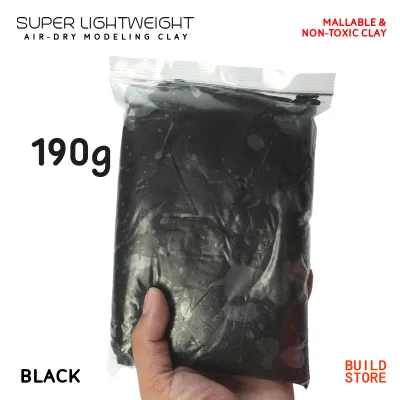
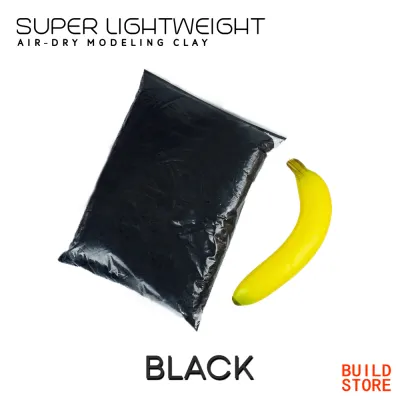
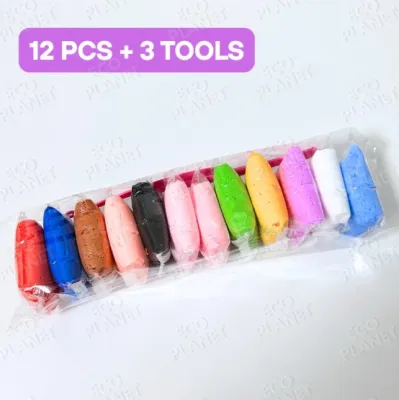
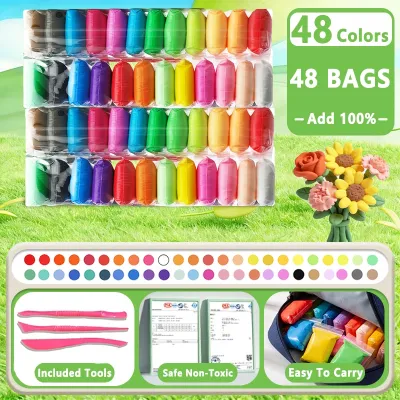
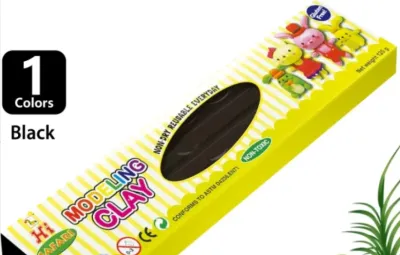
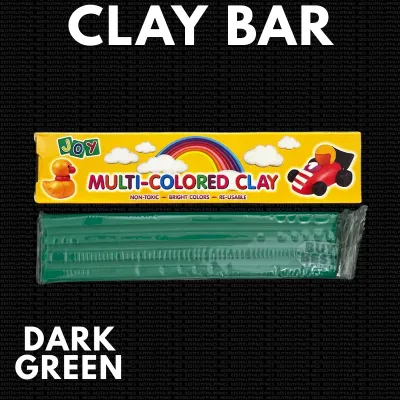
Prices are valid at publication and may change. Please refer to the product page for the latest price.
Air-Dry Clay
Air-dry clay is a water-based modeling medium that contains natural clay minerals, paper fibers, or organic binders. It is highly popular among hobbyists and beginners because it requires no specialized curing equipment. As the water within the clay evaporates into the surrounding air, the binders lock the remaining particles together, causing the material to harden. This process occurs naturally at room temperature, typically over 24 to 48 hours. Because it is water-based, it remains highly sensitive to environmental humidity. In tropical climates like the Philippines, high humidity levels can prolong the drying process, requiring extra patience before painting or sealing.
Polymer Clay
Polymer clay is a synthetic modeling material composed of polyvinyl chloride (PVC) pigment, plasticizers, and binders. Unlike natural clays, it contains no water and will not dry out when left exposed to the air. Instead, polymer clay remains completely pliable at room temperature indefinitely. To cure and harden, it must be baked in a standard home oven or toaster oven at a relatively low temperature, typically between 110°C and 130°C (230°F to 266°F), depending on the manufacturer’s precise specifications. During the baking process, the PVC particles fuse with the plasticizers to form a durable, slightly flexible plastic solid.
Oil-Based Clay (Plasticine)
Oil-based clay, often referred to by the brand name Plasticine or plastilina, is formulated from a mixture of oils, waxes, and clay minerals. Because it contains no water and does not undergo chemical polymerization when heated, it never dries out or hardens permanently. It remains perpetually malleable, allowing you to sculpt, smash, and rebuild the same batch of clay countless times. This makes it an invaluable tool for animators creating stop-motion films, industrial designers prototyping new products, and art students practicing their sculpting techniques.
Ceramic/Pottery Clay
Ceramic clay is a natural, earth-derived material composed primarily of hydrous aluminum silicates mixed with water. It is the traditional medium used for pottery, wheel-throwing, and large-scale hand-building. To achieve permanent hardness and structural integrity, ceramic clay must undergo a process called vitrification. This requires firing the clay inside a specialized high-temperature oven called a kiln, where temperatures reach anywhere from 1,000°C to over 1,300°C (1,832°F to 2,372°F). The intense heat chemically alters the minerals, fusing them into a glass-like ceramic structure that is incredibly strong and, when glazed, entirely waterproof.
Comparing Clay Properties: Texture, Curing, and Durability
Evaluating the physical properties of each clay type helps you determine which material is best suited for your workspace, skill level, and desired aesthetic.

Curing and Hardening Mechanisms
The method required to set your clay dictates the tools and environment you need. Air-dry clay is the most accessible, requiring only a flat, dry surface and time. Polymer clay requires a reliable home oven and an oven thermometer to ensure the temperature does not spike, which could scorch the plastic and release irritating fumes. Oil-based clay requires no curing at all; it remains in its workable state permanently, though extreme heat can cause it to soften or melt. Ceramic clay is the most demanding, requiring access to a professional pottery studio or a personal kiln, as home ovens cannot reach the extreme temperatures needed to vitrify natural clay.
Texture and Detail Retention
When it comes to capturing fine details, polymer clay and ceramic clay are the clear leaders. Polymer clay has a dense, smooth texture that allows sculptors to carve microscopic details, create clean cane patterns (millefiori), and maintain sharp edges without drooping. Ceramic clay is also highly receptive to fine textures, carving, and wheel-shaping, though its workability depends heavily on its moisture level (such as the “leather-hard” stage).
In contrast, air-dry clay tends to have a slightly fibrous, spongy, or lightweight texture due to its paper-pulp or organic binders, making it more challenging to carve with extreme precision. Oil-based clay is excellent for smooth, organic shapes and bulk modeling, but because it never cures, any fine details remain soft and easily damaged by accidental contact.
Durability and Water Resistance
The long-term durability of your finished piece depends entirely on the clay’s chemical makeup. Cured air-dry clay is relatively fragile and highly susceptible to water damage. If exposed to moisture or high humidity, it can absorb water, soften, swell, and crack. It must be sealed with a protective varnish or acrylic sealer to survive daily handling, and even then, it is not waterproof.
Properly baked polymer clay is highly durable, impact-resistant, and completely waterproof, though thin pieces can remain slightly flexible. Ceramic clay, once fired and coated with a melted glass glaze, is the most durable option. It is completely waterproof, scratch-resistant, and capable of lasting for centuries, though it remains brittle and can shatter if dropped on hard surfaces.
Comparison Table
The table below summarizes the key differences across these four primary clay categories:
| Clay Type | Curing Method | Water Resistance | Shrinkage Rate | Best Use Case |
|---|---|---|---|---|
| Air-Dry Clay | Natural air evaporation (24–48 hours) | Low (requires sealing; never submerge) | Moderate (approx. 5% to 10%) | Kids' crafts, rustic home decor, simple relief sculptures |
| Polymer Clay | Low-temperature oven baking (110°C–130°C) | High (fully waterproof once baked) | Negligible (less than 1%) | Detailed miniatures, jewelry, beads, small figurines |
| Oil-Based Clay | Non-hardening (remains permanently soft) | High (repels water due to oil/wax base) | None (0%) | Special effects sculpting, stop-motion animation, industrial prototypes |
| Ceramic Clay | High-temperature kiln firing (1,000°C–1,300°C) | High (when properly glazed and fired) | High (approx. 10% to 15% total) | Functional dinnerware, pottery, heavy sculptures, tiles |
How to Choose the Right Clay for Your Specific Project
Selecting the ideal clay involves balancing your creative goals with your available tools, safety requirements, and the age of the crafters.
For Kids and Casual Crafts
If you are organizing a school activity, a family crafting afternoon, or a casual weekend project in a typical Filipino household, air-dry clay and oil-based clay are your best choices. These materials are incredibly user-friendly, require no dangerous heat sources, and clean up easily with soap and water. Oil-based clay is particularly excellent for young children because it can be used repeatedly, preventing the frustration of a ruined, dried-out block of clay. When purchasing, always check the packaging for certified non-toxic labels (such as the AP non-toxic seal) and follow the manufacturer’s age recommendations to ensure a safe crafting environment.
For Jewelry, Miniatures, and Fine Details
For crafters looking to design custom earrings, intricate keychains, dollhouse miniatures, or highly detailed figurines, polymer clay is the industry standard. Its ability to hold sharp edges, combined with the massive variety of pre-colored blocks (including metallic, translucent, and glitter finishes), makes it incredibly versatile. Once baked, polymer clay can be sanded with wet-and-dry sandpaper, drilled, carved, and painted with water-based acrylic paints to achieve a professional, polished finish.
For Professional Sculpting and Prototyping
If your goal is to practice anatomical sculpting, create molds for casting, or design industrial prototypes, oil-based clay is the preferred medium. Because it never dries out, you can leave a sculpture on your workbench for weeks or months, returning to refine the details whenever you like. This eliminates the stress of wrapping your work in wet towels to prevent cracking, a common headache when working with water-based clays. It is also highly compatible with silicone mold-making materials, provided you select a sulfur-free oil-based clay to avoid curing inhibition.
For Functional Pottery and Drinkware
If you want to create functional mugs, plates, bowls, or flower vases that can hold water and food safely, you must use ceramic clay. No other clay type can withstand the physical wear, heat, and moisture exposure required for daily kitchen use. However, working with ceramic clay requires a significant commitment, including access to a pottery wheel, a high-temperature kiln, and specialized ceramic glazes. You must also verify that the specific glazes you use are certified food-safe and lead-free before using the finished pieces for eating or drinking.
Safety and Limitations
Regardless of the clay you choose, safety should always be your top priority. Always read the manufacturer’s product specifications and safety data sheets. Pay close attention to recommended baking temperatures for polymer clay; overheating can release toxic hydrochloric acid fumes. Ensure your crafting workspace is well-ventilated, especially when curing synthetic materials or using spray sealers. Remember that material names alone do not guarantee safety; a product labeled “clay” may still contain additives, preservatives, or colorants that require careful handling.
Essential Storage and Care Tips for Each Clay Type
Proper storage preserves the workability of your clay, prevents mold growth, and protects your investment from going to waste.
Air-Dry Clay Storage
Because air-dry clay hardens through water evaporation, keeping it sealed is vital. Store unused clay in heavy-duty, airtight plastic bags or tightly sealed plastic containers. In the warm, humid climate of the Philippines, mold can occasionally develop on stored water-based clay. To prevent this, ensure your storage container is completely clean. If the clay has begun to stiffen, you can wrap it in a slightly damp paper towel before sealing it, but avoid adding too much water, as excess moisture can encourage mold growth and turn the clay into a slurry.
Polymer Clay Storage
Polymer clay should be kept in a cool, dry place away from direct sunlight and heat sources, which can cause the clay to partially cure and become crumbly. In tropical areas, storing your polymer clay in a drawer or a room with air conditioning is ideal. Additionally, polymer clay can chemically react with certain types of plastic. The plasticizers in the clay can dissolve polystyrene (plastic #6) and some soft vinyl containers, leaving them sticky and ruined. Store your polymer clay in glass jars, metal tins, or containers made from polypropylene (PP, plastic #5) or polyethylene (PE).
Oil-Based Clay Storage
Oil-based clay is the easiest to maintain because it does not dry out. It does not require airtight sealing to preserve its moisture. However, because it remains permanently tacky, it easily attracts dust, lint, and pet hair. Store your oil-based clay in a simple covered plastic container or wrap it in clean plastic wrap to keep its surface clean and free of debris between sculpting sessions.
Ceramic Clay Storage
Unfired ceramic clay must be kept moist to remain workable. Store bulk ceramic clay in heavy-duty plastic bags, tightly twisted and secured with wire ties or clips, inside a sealed plastic bucket. If the clay begins to dry out, you can spray it with clean water or wedge it with a small amount of water to restore its plasticity. Always ensure the clay is thoroughly wedged (kneaded) before storage to eliminate air bubbles, which can cause the clay to explode during the firing process.
Frequently Asked Questions (FAQ)
Can you mix different types of modeling clay together?
No, you cannot successfully mix different types of modeling clay together in their raw states. Because they have entirely different chemical bases—such as water, oil, and plastic—they are physically and chemically incompatible. For example, kneading water-based air-dry clay into oil-based plasticine will result in a lumpy, separating mess that will neither dry properly nor remain reusable. Similarly, mixing polymer clay with air-dry clay will prevent the polymer clay from curing correctly in the oven and cause the air-dry clay to crack and warp. If your project requires multiple clay types, sculpt and cure each component separately according to its specific manufacturer instructions, then join the finished pieces using an appropriate adhesive, such as a strong epoxy or specialized craft glue.
Is baked polymer clay safe for food or drink contact?
No, baked polymer clay is not safe for direct or prolonged contact with food, drinks, or mouth contact. Even when fully cured according to the manufacturer’s instructions, polymer clay remains a porous plastic that can harbor bacteria in microscopic crevices. Furthermore, it is not dishwasher-safe, and the heat and detergents of a dishwasher can degrade the material over time. Some polymer clays may also leach small amounts of plasticizers if they are not perfectly cured. For these reasons, you should restrict polymer clay use to purely decorative items, such as jewelry, figurines, and decorative bowl rims that do not touch food. For functional plates, mugs, bowls, and utensils, always use properly glazed and kiln-fired ceramic clay.
Community discussion
Share your experience or ask a question. Comments are reviewed before publication.