
Scrapbooking is a beautiful way to preserve memories, and choosing the right vintage paper can transform a simple layout into a timeless keepsake. When crafting a nostalgic spread, you will find a diverse array of vintage paper styles, ranging from delicate translucent vellum to heavily textured handmade sheets. These papers differ significantly in their weight, texture, ink compatibility, and archival safety. In a tropical climate like the Philippines, where ambient humidity can affect how paper behaves and ages, understanding these structural differences is essential for protecting your photographs and ensuring your layouts remain intact for years to come.
What Defines Vintage Paper in Scrapbooking?
In modern memory-keeping, “vintage” does not mean you must source century-old documents from an antique shop. Instead, the term refers to a specific aesthetic and tactile quality designed to evoke a sense of history, warmth, and nostalgia. Modern manufacturers and artisans replicate these qualities using specialized treatments, fibers, and printing techniques to ensure the paper remains safe for contemporary photographs.
The classic vintage aesthetic relies on three primary visual and physical pillars:
Products mentioned in this guide
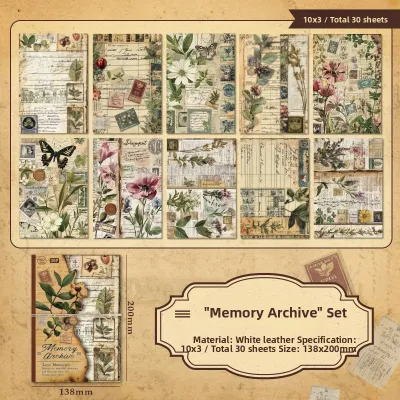
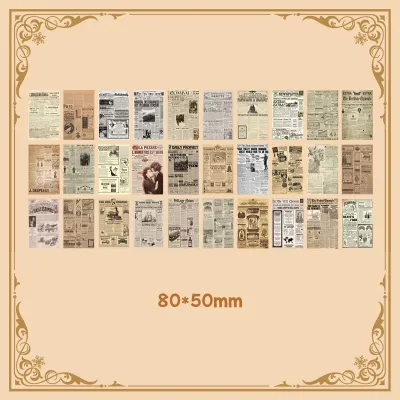
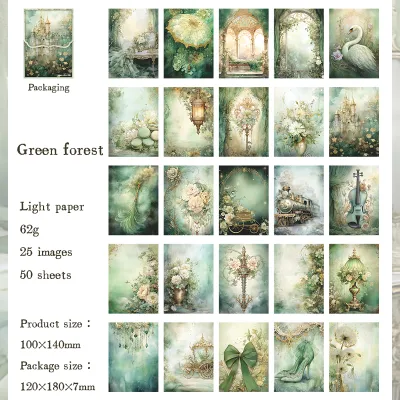
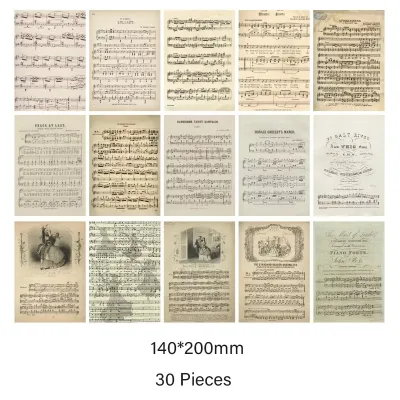
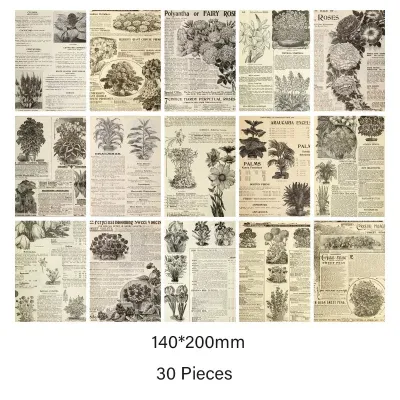
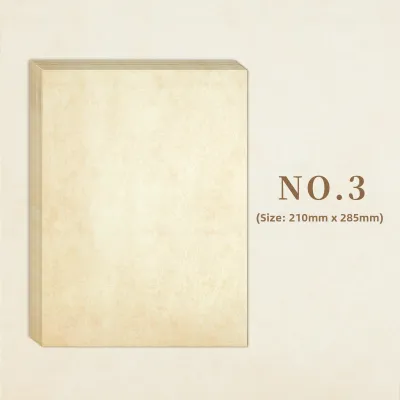
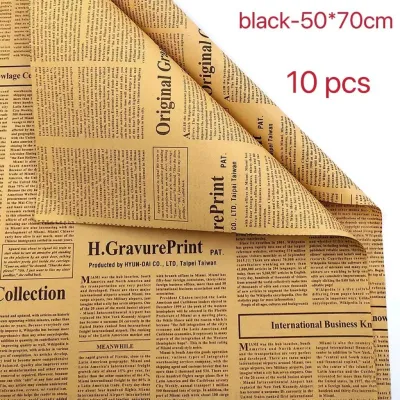
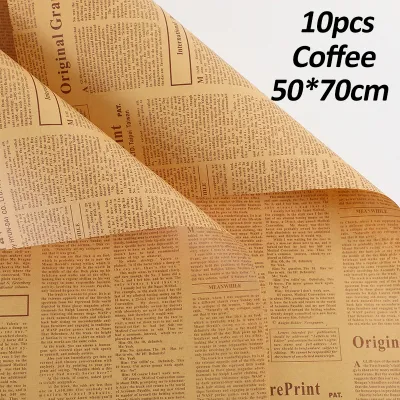
Prices are valid at publication and may change. Please refer to the product page for the latest price.
- Visual Aging: This includes warm sepia tones, gentle yellowing, faux water stains, and darkened edges that mimic decades of natural exposure to light and air.
- Historical Prints: Layouts often feature reproduction motifs such as botanical illustrations, vintage maps, architectural blueprints, and Victorian-era handwriting scripts.
- Physical Texture: The tactile experience is enhanced through rough, unfinished edges, visible botanical inclusions, and fibrous surfaces that feel distinctly different from standard office paper.
By combining these elements, scrapbooking enthusiasts can build dimensional, layered stories. These papers provide a textured, atmospheric backdrop that frames personal memories, making the act of journaling feel like uncovering a personal archive.
Main Types of Vintage Paper and Their Differences
The variety of vintage paper available today is vast, with differences rooted in how the sheets are manufactured, treated, and finished. Some papers are designed to be written on, while others serve as semi-transparent overlays or heavy structural backdrops. Choosing the right type requires looking beyond the visual pattern and examining the physical properties of the sheet.

Parchment, Vellum, and Translucent Overlays
Modern scrapbooking vellum and translucent overlays are excellent for adding airy, delicate layers to a layout. While historical parchment was made from animal skins, today’s scrapbooking vellum is a plant-based, semi-translucent paper with a smooth, non-porous finish. It mimics the cloudy appearance of ancient wax-sealed documents and tracing papers. Because of its transparency, vellum is ideal for layering over photographs to soften their colors, printing subtle background patterns, or holding delicate wax seals. However, because it is non-porous, standard water-based inks can smudge easily on its surface, requiring specialized archival markers or pigment inks.
Handmade and Deckle Edge Paper
For a highly tactile, rustic aesthetic, handmade paper is unmatched. These sheets are often crafted using traditional papermaking frames, leaving uneven, feathered borders known as deckle edges. In local specialty shops, you can find beautiful handmade options utilizing natural fibers like abaca, salago, or cogon grass. These fibers give the paper a distinct tooth, visible texture, and occasional botanical flecks. However, handmade paper is highly porous and varies significantly in thickness. This structural variation means it absorbs ink rapidly, which can cause writing to feather, and its uneven surface makes it unsuitable for standard home printers without risking paper jams.
Printed and Patterned Vintage Designs
Printed vintage papers feature high-resolution reproductions of historical documents, ledger pages, old newspaper advertisements, and delicate floral wallpapers. These are typically printed on medium-weight cardstock or text-weight paper with a matte, glossy, or lightly textured finish. The scale of the printed pattern is a crucial consideration: large-scale patterns like detailed maps work best as full-page backgrounds, while small-scale botanical motifs are better suited for tearing into accent pieces. Matte finishes are generally preferred for a vintage look, as they do not reflect light and allow for easy writing, whereas glossy finishes can look overly modern and resist hand-written journaling.
Stained and Color-Aged Paper
Stained papers achieve their antique look through deliberate color manipulation, resulting in warm, mottled brown and amber tones. You can purchase these pre-treated from stationery brands or create them yourself using DIY staining methods with coffee or black tea. Commercially pre-aged paper is manufactured to retain its structural integrity, remaining flat, strong, and acid-free. In contrast, DIY stained paper often warps as it dries, and the organic acids in tea or coffee can degrade the paper fibers over time. In humid tropical environments, DIY stained papers are also more susceptible to mold growth if they are not dried completely and stored in a climate-controlled space.
How to Choose the Right Vintage Paper for Your Layout
Selecting the ideal vintage paper involves matching the paper’s physical characteristics to the specific task it will perform in your scrapbook. Using the wrong paper type can lead to smudged writing, damaged photographs, or a cluttered layout.
- For Photo Backgrounds: When mounting original photographs, choose sturdy, medium-to-heavyweight cardstock with a subtle, matte texture. Highly busy patterns or heavily textured handmade papers can visually compete with the photograph. Opt for muted sepia, cream, or soft charcoal tones that frame the photo without distracting the eye. Always verify that any paper directly touching your photos is certified acid-free to prevent yellowing over time.
- For Journaling and Writing: Writing directly onto your layout requires a smooth, ink-friendly surface. Avoid highly porous handmade papers or heavily textured sheets, as fountain pen inks, gel pens, and fine-liners will bleed and feather across the fibers. Instead, choose smooth, lightweight printed ledger paper or light-colored stained paper with a fine tooth. If you must use a textured background, write your journal entry on a small, smooth slip of paper first, then adhere it to the textured sheet.
- For Layering and Embellishments: Creating depth relies on layering different weights and textures. Lightweight papers, such as vellum, glassine, and thin printed sheets, are perfect for folding, tearing, and die-cutting. They add visual interest without adding excessive bulk to your scrapbook album. You can crumple thin stained papers to create a leathery texture, or use translucent vellum as a protective pocket for holding memorabilia like ticket stubs or dried leaves.
- Archival Considerations: The longevity of your scrapbook depends heavily on the chemical composition of the papers you use. Many inexpensive, novelty vintage paper packs sold in bulk online do not carry archival guarantees. If you are preserving precious, one-of-a-kind family photographs, look for packaging explicitly labeled "acid-free" and "lignin-free." Acidic papers will turn brittle and transfer yellow stains to adjacent photos—a destructive process called acid migration that accelerates rapidly in warm, humid climates. If you wish to use non-archival vintage elements, place them inside protective plastic sleeves or mount your photos on acid-free photo corners to prevent direct contact.
Practical Tips for Cutting, Writing, and Adhering
Working with vintage paper requires a delicate touch and the right tools to preserve its unique textures while ensuring structural stability.
- Cutting and Tearing: To achieve an authentic, aged border, avoid using straight metal scissors. Instead, place a metal ruler along the desired edge, press down firmly, and pull the paper upward toward you to create a soft, feathered tear. For a more distressed look, run the edge of a bone folder, a paper distressing tool, or even the side of a clean coin along the cut edges of your paper to fray the fibers.
- Adhesives: Standard liquid school glues contain high water content, which will cause thin vintage papers, vellum, and DIY stained sheets to buckle and warp. This warping is worsened by high humidity levels. Instead, use high-quality, acid-free double-sided tape or dry adhesive rollers for flat, secure bonding. For translucent vellum, standard glues will show through; use specialized vellum adhesive, clear glue dots hidden behind photo corners, or secure the vellum physically using metal eyelets or brads.
- Printing and Writing: Before printing vintage designs at home, check your printer's manual for maximum paper weight compatibility to avoid paper jams, especially with thick handmade sheets. When writing by hand, always conduct a quick test on a scrap piece of the same paper. Note the drying speed: pigment-based inks and gel pens can take several minutes to dry completely on non-porous surfaces like vellum or heavily sized papers. Allow ample drying time in a dry, well-ventilated space before closing your scrapbook album to prevent accidental smudging.
Frequently Asked Questions (FAQ)
Can I use genuine antique documents in my scrapbook?
Using genuine antique documents, such as old letters or newspaper clippings from the early 20th century, is generally not recommended for direct contact with your photos. These historical papers are highly acidic and fragile, meaning they will deteriorate quickly and cause acid migration, damaging your photographs. If you want to include the look of a real antique document, scan the original, print a high-quality reproduction on acid-free paper, and use the copy in your layout while keeping the original safely stored in an archival sleeve.
How do I prevent ink from bleeding on handmade vintage paper?
To prevent ink from bleeding or feathering on highly porous handmade paper, choose the right writing instrument. Avoid wet fountain pens and standard liquid ink rollers. Instead, use pigment-based fine-liners, gel pens, or archive-quality ballpoint pens, which sit on top of the paper fibers rather than soaking deep into them. Always perform a quick test on an inconspicuous corner or a scrap piece of the same paper to verify the ink’s behavior, and let it dry completely before handling.
Community discussion
Share your experience or ask a question. Comments are reviewed before publication.