
When selecting paper for printing, crafting, or professional documents, the specification “200 GSM” indicates a medium-heavy weight paper that bridges the gap between standard office paper and rigid cardstock. GSM stands for grams per square meter, which measures the density and weight of the paper sheet. At 200 GSM, the paper feels substantial, offers excellent opacity, and resists tearing, making it a popular choice for high-quality brochures, menu inserts, and art prints.
What Does GSM Mean in Paper Specifications?
GSM, or grams per square meter, is the standard metric unit used globally to define paper weight. To determine this value, manufacturers weigh a single sheet of paper cut to exactly one square meter. While GSM is a reliable indicator of a paper’s density and overall heft, it is important to note that it does not serve as a direct measurement of thickness. Two different paper types with the exact same GSM can have noticeably different physical profiles.
An increased GSM number does not automatically translate to higher quality. Instead, it indicates a different physical build designed for specific tasks. For instance, a high-weight paper is excellent for painting or heavy ink applications, but it would perform poorly if used for multi-page booklets that need to fold flat.
Products mentioned in this guide
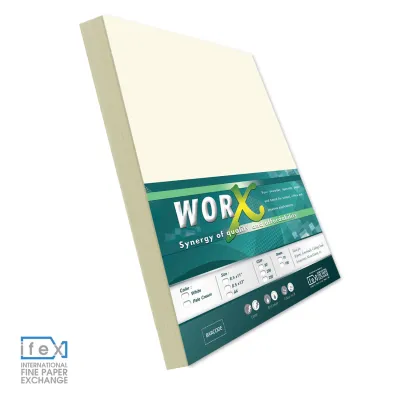
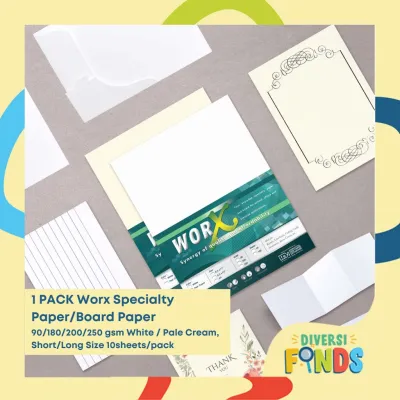
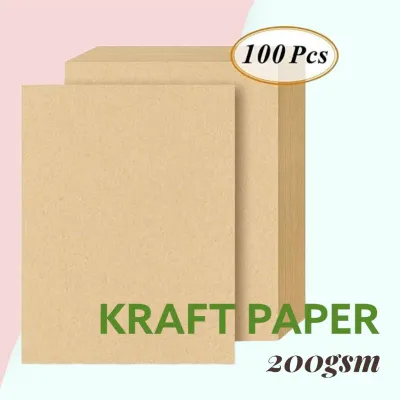
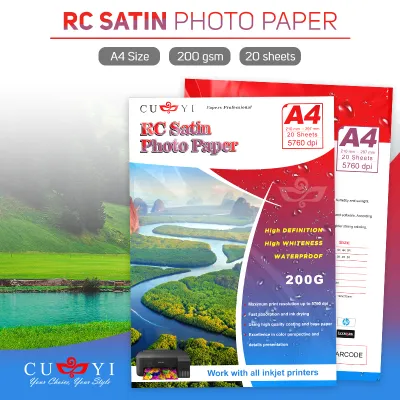
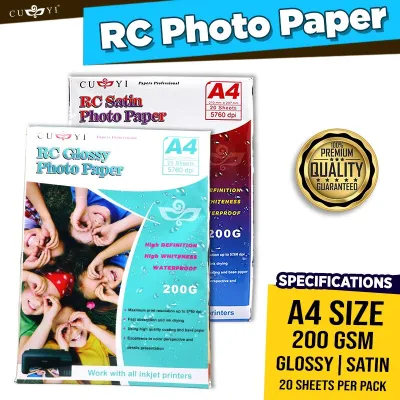
Prices are valid at publication and may change. Please refer to the product page for the latest price.
The actual thickness of a sheet—often referred to as its caliper—along with its stiffness and surface texture, depends heavily on the manufacturing process. Factors such as fiber composition, the level of compression during pressing, and the application of clay or polymer coatings all influence how thick or rigid the paper feels in your hand, regardless of its official GSM rating.
How Thick and Heavy is 200 GSM Paper?
In hand, 200 GSM paper feels noticeably stiffer, more substantial, and far more opaque than the standard paper found in office copiers. It has a premium heft that immediately signals quality, yet it retains enough flexibility to be rolled into a tube or folded cleanly with the right preparation. In tropical climates like the Philippines, where high humidity can quickly make thin paper feel limp, 200 GSM paper maintains its structural integrity much better.

Because thickness varies by brand and finish, you should check the manufacturer’s packaging or specification sheets for the exact caliper measurement. A coated 200 GSM sheet, such as a glossy photo paper, may feel thinner and denser than an uncoated, textured 200 GSM sheet, even though they weigh the same per square meter.
Opacity is another key characteristic of this weight. A 200 GSM sheet generally prevents text or images from showing through to the opposite side. This makes it highly suitable for double-sided printing, though you should always verify this by testing your specific ink, toner, or markers on a sample sheet first, as heavy wet mediums can still bleed through certain fibers.
200 GSM vs. Common Paper Weights
To understand where 200 GSM paper fits, it helps to compare it to the everyday paper products you likely encounter at home or in the office.
Standard printer paper typically ranges from 70 GSM to 80 GSM. This lightweight bond paper is highly flexible and inexpensive, but it easily creases, suffers from severe ink show-through, and can wilt in humid environments. Moving up to 200 GSM provides a massive leap in stiffness and opacity, though it also increases the risk of paper jams in standard home printers that are not designed to pull thicker sheets through tight roller paths.
Mid-weight papers, such as 100 GSM to 120 GSM, are commonly used for premium letterheads, flyers, and light brochures. While 120 GSM offers a step up in durability and tear resistance over standard copy paper, 200 GSM provides a much more distinct, premium feel that is closer to cardstock, making it far more durable for items handled repeatedly.
On the heavier end of the spectrum, papers weighing 250 GSM to 300 GSM and above are classified as heavy cardstock. These weights are standard for postcards, business cards, and rigid covers. While 200 GSM is sturdy, it lacks the absolute rigidity required for structural packaging, heavy-duty book covers, or freestanding signage, which will bend or sag under their own weight if printed on 200 GSM.
| Paper Weight Range | Common Everyday Equivalent | Primary Recommended Uses |
|---|---|---|
| 70 GSM – 80 GSM | Standard office copier/bond paper | Daily printing, drafts, high-volume copying |
| 100 GSM – 120 GSM | Premium letterhead, flyers, brochures | Professional correspondence, marketing handouts |
| 200 GSM | Light cardstock, heavy photo paper | Menu inserts, premium brochures, art prints |
| 250 GSM – 300+ GSM | Heavy cardstock, postcard stock | Business cards, book covers, rigid packaging |
Best Applications for 200 GSM Paper
Due to its balance of flexibility and strength, 200 GSM paper is highly versatile. It is an ideal choice for premium marketing brochures, durable event flyers, restaurant menu inserts, and high-quality photographic prints. It is also frequently selected for heavy-duty presentation handouts that need to survive multiple handoffs without looking worn or creased.
Before committing to a large print run, always check your printer’s maximum supported paper weight. Many standard office and home printers struggle with sheets heavier than 150 GSM. Attempting to feed 200 GSM paper through a standard tray can result in feed failures, roller marks, or severe paper jams. Using a manual bypass tray or a straight-through paper path is often necessary.
If your project involves folding, keep in mind that 200 GSM paper is thick enough to crack along the fold lines. To prevent the paper fibers from tearing and ruining your design—especially on coated or glossy finishes—you should score the paper along the fold line using a bone folder or scoring wheel before making the final fold.
How to Choose the Right Paper Weight for Your Project
Selecting the right paper weight requires balancing your aesthetic goals with practical handling and budget constraints.
First, evaluate how the finished product will be delivered. If you are mailing items, heavier paper like 200 GSM will increase the overall weight of the envelope, potentially raising your postage costs. For physical handouts at a local seminar or menus placed on restaurant tables, the added durability of 200 GSM easily justifies the weight. If the paper is destined for a protective frame, a lighter weight may suffice since the frame provides the structural support.
Next, match your paper finish and weight to your writing or printing tools. Heavy wet mediums like fountain pen inks, watercolor washes, or alcohol-based markers require a paper that can absorb moisture without warping or bleeding. While 200 GSM handles these better than standard paper, you must still check the surface finish; glossy coated papers may cause inks to smudge, while uncoated matte papers will absorb ink more quickly.
Finally, consider your binding requirements. If you plan to bind your document, the total thickness of the pages will dictate your binding options. A booklet made of several 200 GSM sheets will quickly become too bulky for standard saddle stitching, making spiral binding or perfect binding a more appropriate choice. Ensure the paper’s grain direction runs parallel to the spine to allow the pages to turn smoothly.
Frequently Asked Questions (FAQ)
Can standard home printers handle 200 GSM paper?
Many basic home printers are designed primarily for standard document printing and max out their feed capacity around 160 GSM to 180 GSM. Feeding 200 GSM paper through these machines can cause the rollers to slip or the paper to jam. To avoid this, consult your printer’s manual to verify its maximum supported media weight. If your printer supports it, use the rear manual feed slot or the straight-through paper path, which minimizes the sharp bends the paper must make during the printing process.
Is 200 GSM paper considered cardstock?
Yes, 200 GSM paper sits in a transitional category often referred to as light cardstock or heavy cover paper. Depending on the manufacturer and regional standards, it may be labeled as either. While it offers much of the stiffness and durability associated with cardstock, it is still flexible enough to fold easily when scored. For projects requiring high rigidity, such as structural gift boxes, heavy-duty packaging, or standard business cards, you should look for heavier options starting at 250 GSM or above.
Community discussion
Share your experience or ask a question. Comments are reviewed before publication.