
Aluminum powder serves as a specialized metallic pigment additive that artists use to introduce a brilliant, reflective silver sheen to their custom paint mixtures. Unlike pre-mixed metallic paints, this dry powder consists of finely divided aluminum particles that require a compatible binder to adhere to a surface. When mixed with different mediums, the powder behaves in highly distinct ways depending on the chemical and physical properties of the binder. Understanding these interactions allows you to achieve the desired luster while ensuring the structural integrity and longevity of your artwork.
What Is Aluminum Powder in Art Supplies?
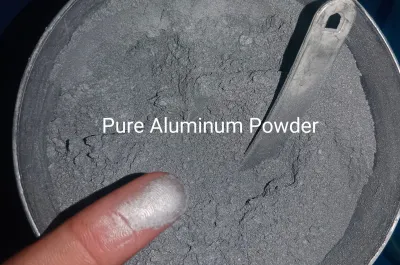
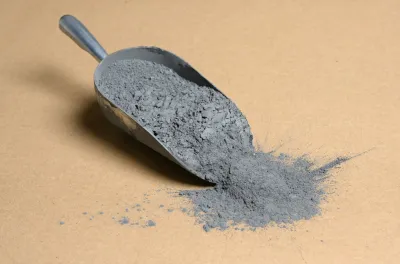
In the realm of fine arts, aluminum powder is classified as a metallic effect pigment rather than a standalone paint. Because it lacks an inherent binder, you cannot simply mix it with water or solvent and apply it to a canvas; it must be thoroughly incorporated into a vehicle like gum arabic, acrylic polymer, or drying oil. The powder works by reflecting light off the flat surfaces of its microscopic metallic flakes, creating a metallic luster that mimics solid metal.
The physical characteristics of the powder dictate its visual performance on your painting surface. Manufacturers typically grade these powders by particle size, which is often indicated by a mesh number or grade on the product label. A higher mesh number signifies finer particles, which generally yield a smooth, satin-like sheen with high opacity. Conversely, coarser powders with lower mesh numbers produce a more textured, glittering effect but may offer less coverage and require a stronger binder to remain anchored.
Products mentioned in this guide
Prices are valid at publication and may change. Please refer to the product page for the latest price.
Working with dry metallic pigments requires careful safety precautions due to the physical nature of fine powders. Before opening any container, always check the manufacturer’s Safety Data Sheet (SDS) for specific inhalation risks, flammability limits, and recommended personal protective equipment (PPE). In highly humid environments, keeping the powder dry is crucial to prevent clumping and chemical reactions. Wearing a well-fitting particulate respirator and working in a well-ventilated space are essential practices to avoid inhaling airborne metallic dust.
How Aluminum Powder Behaves in Different Paint Mediums
The visual outcome, drying behavior, and long-term stability of your metallic paint depend entirely on the chemical compatibility between the aluminum particles and your chosen binder. Each medium possesses unique viscosity, drying mechanisms, and pH levels that alter how the metallic flakes arrange themselves and reflect light.

Mixing with Watercolor
Watercolor is a water-based, low-viscosity medium that presents unique suspension challenges when mixed with heavy metallic particles. Because aluminum is denser than water, the particles have a natural tendency to settle rapidly to the bottom of your palette or water cup. When preparing custom metallic watercolors, you should check the product label of your aluminum powder to see if it is formulated for water-based systems or if it contains pre-added suspension agents.
To ensure the metallic pigment adheres permanently to your paper after the water evaporates, you must verify if additional binders are necessary. Standard watercolor paint relies on gum arabic, and adding extra gum arabic solution to your mixture can prevent the aluminum flakes from rubbing off the paper once dry. It is highly recommended to observe test swatches on different paper textures, as the metallic particles may settle into the valleys of rough watercolor paper, creating unique granulation and pooling effects that differ significantly from smooth hot-press papers.
Mixing with Acrylic Paint
Acrylic paint utilizes a synthetic polymer emulsion that encapsulates pigment particles as it dries to form a flexible, water-resistant film. However, because wet acrylic emulsions are typically alkaline, they can react chemically with untreated aluminum particles. When selecting a powder, check the manufacturer’s specifications to confirm if the aluminum is treated or coated for alkaline environments to prevent the mixture from degrading or releasing gas.
To evaluate the final appearance, mix small test batches and observe the dried finish for gloss retention and color shifts. Acrylic binders dry from milky-translucent to completely clear, which can cause the metallic paint to look slightly darker or different when wet compared to when it is fully cured. Additionally, you should check the manufacturer’s recommended powder-to-medium ratio; adding too much powder can starve the mixture of binder, leading to a brittle paint film that may crack or peel over time.
Mixing with Oil Paint
Oil-based mediums, such as linseed, safflower, or walnut oil, possess a naturally high viscosity and excellent suspension properties that hold heavy metallic particles more evenly than water-based mediums. The thick nature of drying oils allows the aluminum flakes to remain suspended without rapid settling, making it easier to achieve a consistent metallic layer.
Despite these advantages, you must check the manufacturer’s technical data sheet for any long-term risks associated with mixing aluminum with drying oils, such as the formation of metallic soaps or gradual darkening of the paint film. The presence of metallic particles can also alter the standard oxidation and drying time of the oil paint. To ensure compatibility, verify how the powder interacts with your specific oil medium, as different oils have varying acid values and yellowing tendencies that can affect the final brilliance of the silver finish.
Practical Guidelines for Safe Mixing and Application
Creating your own metallic paint requires a systematic approach to minimize health risks and ensure a high-quality finish. To prevent the fine aluminum powder from becoming airborne, always employ safe mixing protocols. Start by placing the required amount of powder onto a non-porous palette, then slowly introduce your liquid medium or a small amount of compatible solvent to create a thick, dust-free paste before diluting it to your working consistency.
Your choice of tools and cleanup procedures plays a vital role in maintaining a clean studio environment. Use a glass muller on a glass grinding slab to thoroughly disperse the powder into oil or watercolor binders, ensuring the flakes are evenly coated without being crushed. Dedicate specific brushes, palettes, and mixing knives to your metallic paints, and clean them thoroughly in a designated wash container to prevent metallic particles from contaminating your standard, non-metallic paint sets.
Surface preparation is equally critical for achieving an even, reflective metallic finish. Before application, check that your substrate is properly primed and sealed with a high-quality gesso or primer. An unsealed, highly porous surface can absorb the binder away from the metallic paint, leaving the aluminum flakes loose on the surface. A smooth, well-sealed base ensures the flakes lie flat, allowing them to reflect light uniformly without underlying colors bleeding through or dulling the metallic sheen.
How to Choose the Right Aluminum Powder for Your Project
Selecting the appropriate aluminum powder requires evaluating several key product specifications against your artistic goals. First, check the product label to determine whether the powder is classified as “leafing” or “non-leafing.” Leafing aluminum pigments contain surface treatments that cause the flakes to float to the top of the wet paint film, aligning parallel to the surface to create a highly reflective, mirror-like silver finish. Non-leafing pigments distribute themselves evenly throughout the paint layer, resulting in a subtle, satin-like metallic sheen that is highly durable and suitable for layering.
Next, consider the particle size based on the scale and detail of your artwork. Fine-grain powders are ideal for detailed line work, delicate washes, and smooth finishes, whereas coarser grains are better suited for large-scale paintings, textured impasto techniques, and bold highlights. If you are a beginner or work in a studio with limited ventilation, look for pre-dispersed metallic pastes or liquid additives instead of dry powders; these options significantly reduce inhalation risks and eliminate the complex steps of dry mixing.
Frequently Asked Questions (FAQ)
Can I use industrial aluminum powder for painting?
It is highly recommended to avoid using industrial-grade aluminum powder for fine art applications. Art-grade metallic pigments undergo strict quality control to ensure high purity, consistent particle size distribution, and safety testing. Industrial powders, on the other hand, may contain unpredictable chemical contaminants, machine oils, or coarse particles that can ruin your paint mixtures, alter drying times, and compromise the archival quality of your artwork. Furthermore, industrial grades often carry much higher flammability and inhalation risks due to a lack of safety-oriented processing.
Will aluminum powder tarnish or oxidize over time?
Untreated aluminum powder can react with environmental moisture, atmospheric pollutants, or alkaline binders, leading to gradual oxidation that manifests as darkening, graying, or a loss of metallic luster. To protect your artwork from these changes, check the product specifications for silica-coated or polymer-treated aluminum pigments, which are specifically engineered to resist oxidation. Additionally, consult the manufacturer’s guidelines for your paint medium to select a compatible, non-reactive final varnish that will seal the dried paint layer from air and humidity.

Community discussion
Share your experience or ask a question. Comments are reviewed before publication.