
When purchasing bond paper wholesale, selecting the correct Grams per Square Meter (GSM) is the most critical decision for balancing print quality, budget, and operational efficiency. The right paper weight ensures your documents look professional, your office printers run smoothly without jamming, and your shipping costs remain manageable. Understanding how GSM translates to real-world performance helps businesses, schools, and copy centers make informed bulk purchasing decisions.
Decoding GSM: How Paper Density Affects Quality and Durability
GSM stands for Grams per Square Meter. It is a standardized metric used globally to classify paper weight, representing the weight of a single sheet of paper measuring one square meter. While many people associate a higher GSM with a thicker sheet, it is actually a measure of paper density rather than a direct measurement of physical thickness.
Generally, a higher GSM indicates that more fiber is packed into the same area. This increased density directly improves the paper’s opacity, which reduces show-through when printing double-sided documents. If your office frequently prints double-sided reports, choosing a higher density prevents text and images from bleeding visually onto the reverse side.
Products mentioned in this guide
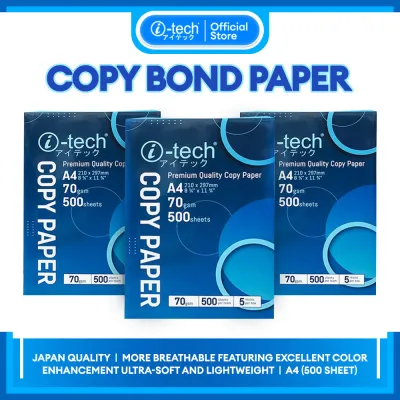
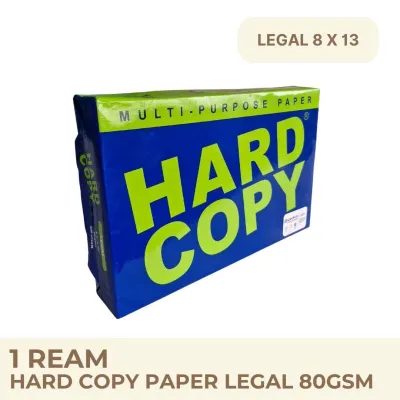
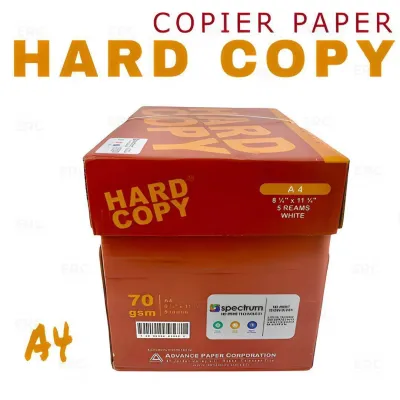
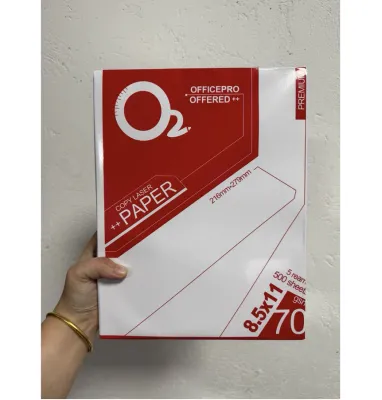
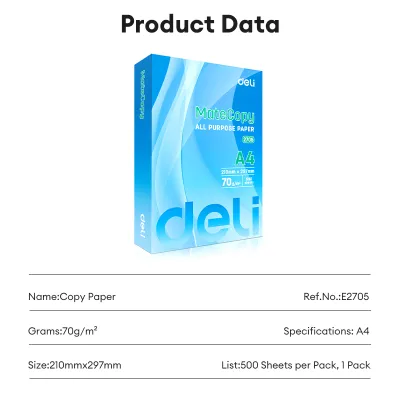
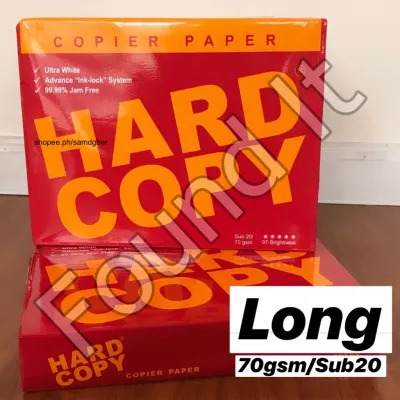
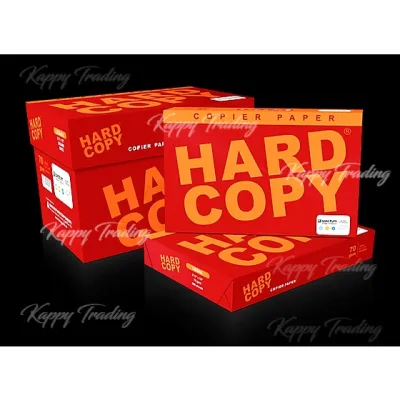
Prices are valid at publication and may change. Please refer to the product page for the latest price.
However, because different manufacturing processes, wood pulp types, and coatings affect the final feel, sheets with the same GSM can have slightly different physical textures. If your tasks require a precise physical thickness or stiffness, it is best to check the manufacturer’s technical specifications for exact caliper measurements rather than relying solely on the GSM rating.
Ensuring Printer Compatibility and Preventing Ink Bleed-Through
Printer compatibility is vital when ordering paper in bulk. Standard office laser and inkjet printers are engineered to handle a specific range of paper densities. Exceeding these limits can cause frequent paper jams, misfeeds, or even damage to the printer’s internal rollers and feeding mechanisms.

Furthermore, ink absorption and drying times vary significantly with paper density. Lighter papers may suffer from ink bleed-through or smudging, especially when using heavy ink coverage from inkjet printers. Laser printers, which use heat to fuse toner, require paper that can withstand high temperatures without curling.
To avoid costly operational issues, always verify the maximum supported paper weight in your printer manuals. Before finalizing a large wholesale order, test a small sample batch with your specific office equipment and ink cartridges to ensure smooth feeding and clean drying.
Matching Paper Weight to Your Specific Office and School Tasks
Selecting the right GSM is a balancing act between cost-efficiency and presentation quality. For high-volume, everyday tasks where documents are quickly read and discarded, lighter paper weights are the logical choice. Schools printing daily worksheets, logistics companies generating packing slips, and offices printing internal drafts can significantly reduce their overhead by opting for 70 GSM bond paper.
For external communications, official reports, and double-sided printing, 80 GSM is the industry standard. This weight offers a noticeable increase in opacity, preventing text printed on one side from distracting readers looking at the other. It also has a more substantial, professional feel in the hand, which is essential when presenting proposals to clients or partners.
When the goal is to make a lasting impression, premium documents demand heavier paper. Weights ranging from 100 GSM to 120 GSM are reserved for letterheads, formal presentations, and marketing materials. These papers offer superior brightness, excellent color reproduction, and a luxurious stiffness.
To help streamline your wholesale decision, use this quick checklist:
- Drafts and Internal Memos: 70 GSM (Single-sided, high-volume, maximum cost savings).
- Standard Office Reports and Letters: 80 GSM (Double-sided, standard opacity, professional daily use).
- Client Proposals and Presentations: 100 GSM (High opacity, premium feel, vibrant color printing).
- Certificates and Covers: 120 GSM and above (Maximum stiffness, durable, specialty applications).
Managing Shipping, Storage, and Costs for Bulk Orders
When purchasing bond paper wholesale, the financial calculations extend far beyond the initial price per ream. Because paper is inherently heavy, shipping and logistics represent a substantial portion of your total investment. A single carton of 80 GSM paper weighs significantly more than a carton of 70 GSM paper of the same sheet count. When ordering multiple pallets, this weight difference can dramatically escalate freight costs. Buyers should carefully calculate their total landed cost in ₱, factoring in delivery surcharges, to determine if the benefits of a heavier paper justify the additional shipping expenses.
Storage is another critical factor that wholesale buyers must consider. In tropical environments characterized by high humidity, paper acts like a sponge, readily absorbing moisture from the air. This moisture absorption causes the paper fibers to expand unevenly, leading to wavy edges, curling, and severe feeding issues once the paper is loaded into a hot printer.
To protect your wholesale investment, store your paper cartons in a dry, elevated area away from direct sunlight and damp concrete floors. Keep individual reams sealed in their moisture-resistant wrappers until the exact moment they are needed. Finally, establish a relationship with a reliable supplier who can provide physical sample swatches or a sample ream to verify the paper’s actual performance in your local environment before committing to a large volume.
Frequently Asked Questions (FAQ)
Which is better for everyday printing: 70 GSM or 80 GSM?
The choice between 70 GSM and 80 GSM depends on your primary printing needs and budget priorities. If your office primarily prints single-sided internal drafts, school handouts, or high-volume transactional documents, 70 GSM is highly efficient and offers substantial cost savings over time. However, if your daily operations involve double-sided printing, client-facing correspondence, or high-speed copying, 80 GSM is the superior choice. It provides better opacity to prevent ink show-through and offers the structural integrity needed to prevent jams in high-volume office machines.
How can I estimate the shipping weight of a bulk paper order?
To calculate the approximate weight of a single ream of paper, use the following formula: Weight per Ream (kg) = Length (m) x Width (m) x (GSM / 1000) x Sheets per Ream. For example, to find the weight of a standard 500-sheet ream of A4 paper (0.210 m by 0.297 m) at 80 GSM, you would multiply 0.210 x 0.297 x 0.080 x 500, resulting in approximately 2.5 kilograms. Once you have the weight of a single ream, multiply it by the total number of reams in your wholesale order. Always remember to add an extra 5% to 10% to your final estimate to account for cardboard packaging, strapping, and wooden shipping pallets.
Community discussion
Share your experience or ask a question. Comments are reviewed before publication.