
Selecting the right fabric material involves understanding how different fibers behave under specific environmental conditions and sewing techniques. In a warm, humid tropical climate like the Philippines, the choice of fabric directly impacts the comfort, drape, and longevity of your garments and home crafts. By analyzing the physical properties of natural, synthetic, and semi-synthetic fibers, you can confidently select materials that are easy to sew, comfortable to wear, and simple to maintain.
How to Identify and Evaluate Fabric Materials for Your Projects
Before purchasing fabric from a local textile market or an online marketplace, establishing a practical framework for evaluation will save you time and resources. Rather than relying solely on the visual appeal of a textile, you must learn to read fabric labels, composition tags, and manufacturer care instructions. These labels provide critical information about fiber content, which dictates how the material will react to washing, ironing, and daily wear.
When physical labels are missing or unclear, you can perform simple sensory checks to evaluate the material. Gently run your fingers over the surface to assess the tactile texture, and squeeze a corner of the fabric in your hand to observe its wrinkle recovery. Hold the fabric up and let it fall to inspect its drape, noting whether it hangs in stiff, structured folds or flows fluidly. For stretch fabrics, pull a small section along the grain and crossgrain to check the elasticity and recovery. Aligning these physical traits with your project’s specific needs—such as durability for high-wear items or breathability for tropical clothing—ensures a successful finished product.
Products mentioned in this guide
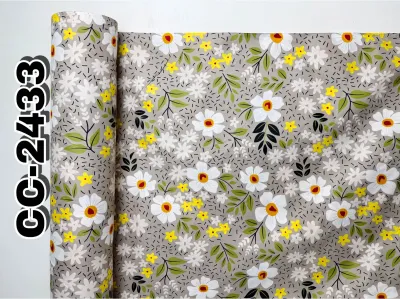
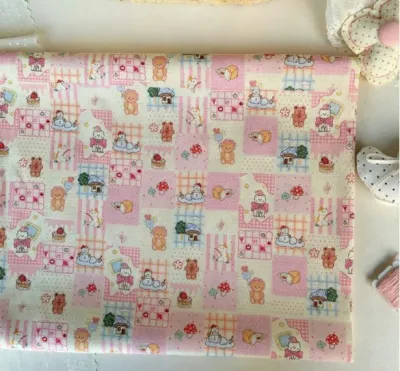
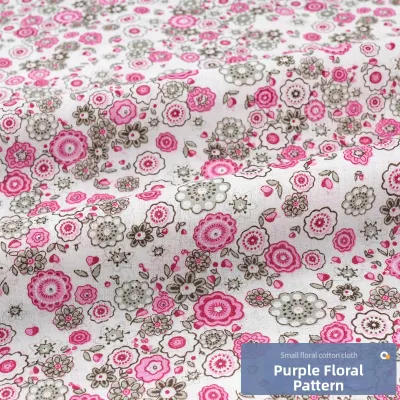
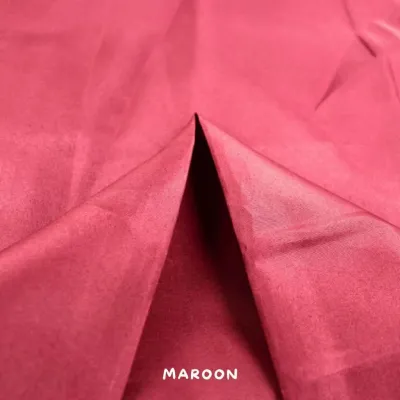
![Geena/Pongee/Gina Silk [Makapal pagka Geena Continuous yard per color Sold per yard]](https://img.lazcdn.com/g/p/48dd4c03d14ffa05ba23095967904eef.png_400x400q80.png_.webp)
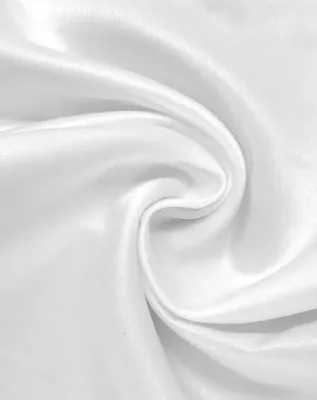
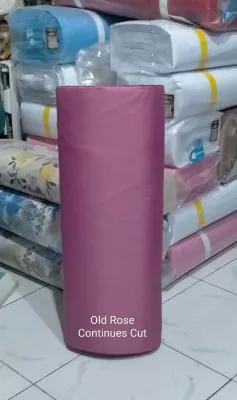
Prices are valid at publication and may change. Please refer to the product page for the latest price.
Characteristics and Best Uses of Common Natural Fabrics
Natural fibers are sourced from plants or animals, offering distinct physical characteristics that make them highly prized for clothing and home textiles. When working with natural fabrics, it is essential to check the specific weave and finish of the material, as these factors greatly influence the fabric’s final weight, smoothness, and durability.

Cotton: Breathability and Versatility
Cotton is one of the most popular natural fibers due to its exceptional moisture absorption, soft tactile feel, and natural matte finish. It allows air to circulate freely, making it an excellent choice for everyday apparel, bedsheets, and lightweight craft projects. Because cotton fibers absorb moisture easily, they dry relatively slowly compared to synthetics, but they offer unmatched comfort against the skin in warm weather.
When purchasing cotton, always verify if the material has undergone pre-shrinkage treatments. Untreated cotton is highly prone to shrinking during its first wash, so checking the manufacturer’s care instructions is vital. Additionally, vibrant or dark-colored cotton fabrics should be checked for color bleeding by washing a small swatch separately. Cotton’s durability and ease of handling make it highly suitable for beginners working on structured garments, tote bags, or patchwork quilts.
Linen: Texture and Durability
Linen is made from the flax plant and is easily recognized by its unique texture, characterized by natural slubs or slight irregularities in the yarn. It features a crisp drape and a cool tactile sensation that makes it highly desirable for tropical climates. Linen is exceptionally durable and becomes softer with each wash, though it possesses very little elasticity.
One of the defining characteristics of linen is its tendency to wrinkle quickly, which is often accepted as part of its relaxed, organic aesthetic. During the cutting and sewing process, linen edges tend to fray significantly, requiring you to finish the seams using techniques like overlocking or French seams. Linen is ideal for structured summer dresses, casual trousers, and elegant home decor items like table runners and placemats.
Properties and Applications of Common Synthetic and Semi-Synthetic Fabrics
Manufactured fibers are engineered to provide specific performance traits, such as enhanced durability, wrinkle resistance, or fluid drape. When selecting these materials, checking the blend ratios on the label is crucial, as mixing synthetic fibers with natural ones can create a fabric that balances comfort with easy maintenance.
Polyester: Durability and Wrinkle Resistance
Polyester is a fully synthetic fiber known for its outstanding wrinkle recovery, shape retention, and colorfastness. It resists shrinking and stretching, making it highly durable under regular use and frequent washing. Because polyester fibers do not absorb moisture, the fabric dries very quickly, which is advantageous for outdoor gear and activewear.
However, polyester has limited breathability, which can trap heat and moisture close to the body in humid environments. It is also prone to static buildup and is highly sensitive to heat, meaning it can melt or glaze if ironed at high temperatures. Polyester is best suited for high-frequency items like school uniforms, durable bags, and outdoor cushion covers where structural resilience is a priority.
Rayon: Drape and Softness
Rayon is a semi-synthetic fiber made from regenerated cellulose, offering a silky touch, fluid drape, and a subtle, elegant sheen. It mimics the luxurious feel of silk at a more accessible price point, making it a favorite for flowing garments. Rayon is highly absorbent and feels cool to the touch, providing excellent comfort in warm weather.
Despite its beauty, rayon requires careful handling because its fibers lose significant strength when wet, making it susceptible to stretching or tearing during washing. Many rayon fabrics require dry-cleaning or gentle hand-washing in cold water to preserve their shape and texture. Evaluate your willingness to follow these specific care routines before choosing rayon for flowing blouses, maxi dresses, or garment linings.
Matching Fabric Properties to Your Sewing and Crafting Needs
To ensure your sewing project turns out exactly as intended, you must match the weight and drape of your chosen fabric to the design of the item. Structured projects like utility bags, upholstery, or tailored jackets require heavyweight fabrics with a stiff drape, such as cotton canvas or heavy linen. Conversely, flowing dresses, gathered skirts, and soft blouses demand lightweight materials with a fluid drape, such as rayon or lightweight cotton lawn.
Your sewing machine setup must also adjust to the fabric’s physical properties. Slippery materials like rayon require fine, sharp needles (such as size 70/10) and low tension to prevent puckering, while thick fabrics like heavy denim or canvas require heavy-duty needles (such as size 90/14 or 100/16) and stronger thread. Finally, align the expected lifespan of the finished item with the maintenance routine of the material; a daily-use item should be made from easy-care, machine-washable fabrics like polyester blends or pre-shrunk cotton.
Frequently Asked Questions (FAQ)
How can I tell if a fabric is natural or synthetic without a label?
You can gather clues about an unidentified fabric by observing its visual and tactile properties. Synthetic fabrics often have a highly uniform texture and a distinct synthetic sheen, whereas natural fabrics tend to have subtle irregularities and a matte finish. If you need a definitive identification, you can perform a burn test with strict safety precautions. Conduct this test only in a well-ventilated outdoor area, over a fire-safe ceramic or metal dish, with water nearby, and stop immediately if you feel unsafe. Natural fibers like cotton and linen burn with a steady flame, smell like burning paper, and leave a soft, crushable gray ash. Synthetic fibers like polyester melt and drip, produce a chemical or sweet odor, and leave a hard, uncrushable black bead.
Do I need to pre-wash all fabrics before sewing?
Pre-washing is highly recommended for any fabric that will be made into a washable garment or home textile. Natural fibers like cotton and linen, as well as semi-synthetics like rayon, are highly prone to shrinking during their first exposure to water and heat. If you sew these fabrics without pre-washing, the finished item may shrink unevenly or warp after its first laundering. Pre-washing also helps identify and remove excess dyes that could cause color bleeding, and it washes away chemical sizing agents used during manufacturing. While pure synthetics like polyester rarely shrink, pre-washing them still ensures that any residual manufacturing chemicals are removed before you handle the material extensively.
Community discussion
Share your experience or ask a question. Comments are reviewed before publication.