
Fur fabric encompasses a diverse range of textiles, from dramatic long-pile faux furs to dense, fleece-backed shearlings and ultra-soft, short-pile plush fabrics. Each variety offers distinct textures, weights, and structural properties that dictate how the material drapes, cuts, and sews. Selecting the right type depends on matching the fabric’s pile length, backing stability, and stretch to the specific demands of your sewing project.
Whether you are crafting a cozy home decor accent, a plush toy, or a statement fashion piece, understanding these material differences prevents common sewing frustrations. By evaluating how the fibers are attached and how the backing behaves, you can choose a textile that feeds smoothly through your machine.
Key Characteristics to Evaluate Before Buying
Before purchasing any fur fabric, it is essential to establish objective criteria for assessment rather than relying solely on marketing names. The first factor to evaluate is pile length and density. The pile refers to the upright fibers that create the fur texture; longer piles add dramatic volume but increase sewing difficulty, as the fibers easily get caught in seams. Conversely, a dense, short pile offers a smoother finish that is much easier to control under the presser foot.
Products mentioned in this guide
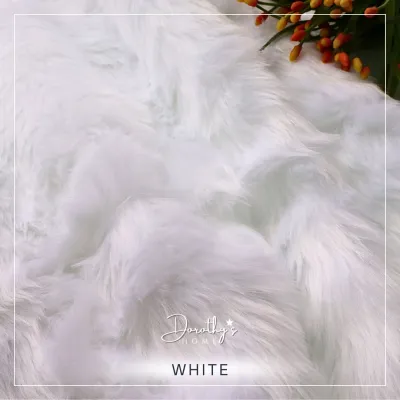
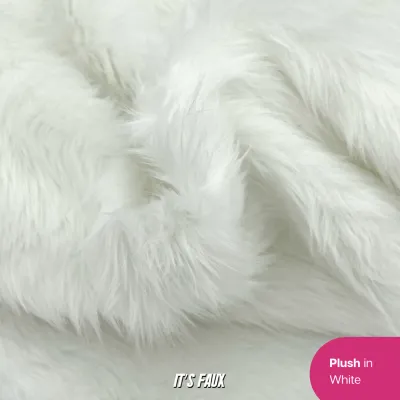
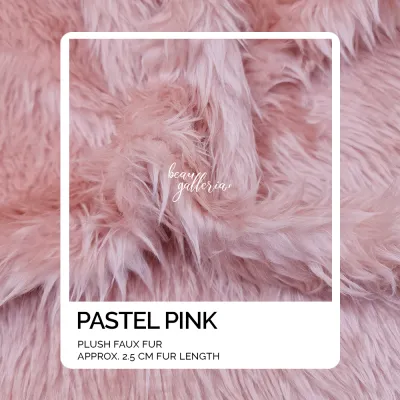
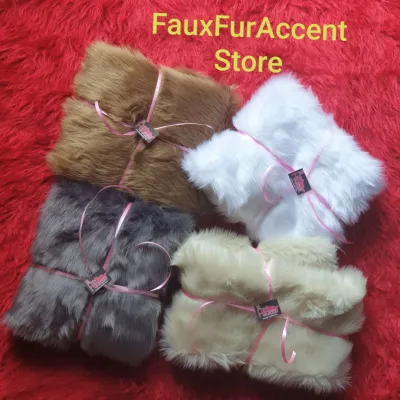
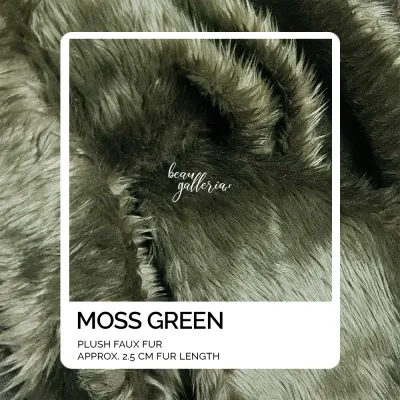
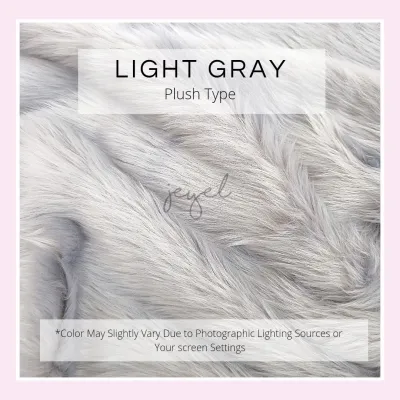
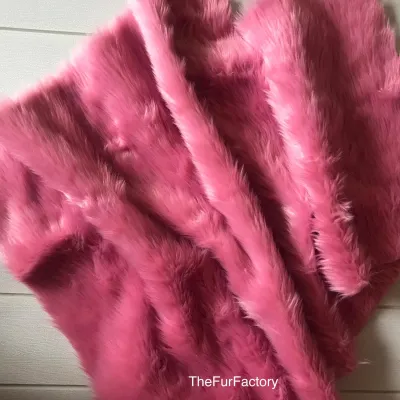
Prices are valid at publication and may change. Please refer to the product page for the latest price.
The backing material serves as the foundation of the fabric and determines its overall structure. Fur fabrics are typically constructed with either a woven or a knit backing. Woven backings offer excellent stability and minimal stretch, making them ideal for structured garments, though they can feel stiff. Knit backings provide a softer drape and varying degrees of stretch, which is excellent for comfortable apparel but requires careful handling to prevent the fabric from stretching out of shape during stitching.
Fiber composition is another critical detail to check on the bolt or product label. Most modern fur fabrics are made from synthetic fibers like acrylic or polyester. Synthetic fibers are highly durable, but they are extremely heat-sensitive. Understanding this composition helps you anticipate how the fabric will react to washing and daily wear.
Finally, you must identify the nap direction, which is the natural direction in which the fur fibers lay flat. When planning your project, all pattern pieces must be laid out in the same direction so the nap runs downward on the finished item. Failing to account for nap direction can result in mismatched panels, requiring you to purchase extra yardage to accommodate a one-way layout.
Common Fur Fabric Types and Their Sewing Applications
Different sewing projects demand specific structural qualities, and matching your design to the correct category of fur fabric ensures a professional, durable finish.

Faux Fur (Long-Pile and Medium-Pile)
Traditional faux fur is designed to mimic natural animal pelts, ranging from realistic prints to vibrant, solid fashion colors. Long-pile varieties feature fibers that can exceed five centimeters in length, creating a luxurious, high-volume look. Medium-pile options offer a slightly tamer texture that is easier to manage while still providing significant depth.
These fabrics are highly suited for statement apparel, such as dramatic collars, cuffs, and structured accessories like tote bags. When working with long-pile faux fur, managing bulk at the seams is the primary challenge. You will need to carefully tuck the fibers away from the seam line before stitching and plan for a lightweight lining fabric, such as satin or cotton, to cover the rough backing and ensure comfort against the skin.
Shearling and Sherpa (Fleece-Backed and Double-Faced)
Shearling and sherpa fabrics are characterized by their curly, wool-like texture, offering a distinct contrast between a smooth outer face and a plush inner pile. True double-faced shearling features a faux suede finish on one side and a dense, curly fleece on the other, allowing you to create reversible garments without adding a separate lining. Sherpa is typically a knit polyester fleece that mimics this curly texture on a lighter, more flexible backing.
These fabrics are excellent for structured jackets, vest linings, and rustic home decor items like heavy throw blankets. Because of the sheer thickness of double-faced shearling, standard seam allowances must often be adjusted. You may need to trim the fleece pile close to the backing along the seam allowance or use flat-felled seams to prevent bulky ridges.
Plush, Minky, and Velour (Short-Pile Fabrics)
Short-pile fabrics like plush, minky, and velour prioritize softness and flexibility over dramatic volume. Minky is an incredibly soft polyester knit fabric with a short, dense pile that often features embossed textures. Velour offers a velvety, low-profile pile with a high degree of stretch, while standard plush fabric provides a slightly longer, cloud-like texture.
These fabrics are the preferred choice for comfort-focused projects, including stuffed toys, baby blankets, and soft pillows. Because they are constructed on knit backings, they possess a high stretch factor that can make sewing challenging. To prevent seam puckering and manage fabric shift during stitching, you must use plenty of pins or clips and utilize a walking foot to feed the top and bottom layers through the machine evenly.
Practical Tips for Cutting and Sewing Fur Fabric
Working with fur fabric requires specialized techniques to avoid damaging the pile and to keep your workspace clean. When cutting your pattern pieces, never cut through the fabric from the front side with standard shears, as this shears the fibers and leaves unsightly blunt edges. Instead, lay the fabric face down on a cutting mat and use a sharp craft knife or the very tips of your scissors to cut exclusively through the backing material. This allows you to pull the pieces apart gently, leaving the long fur fibers intact along the edges.
To achieve clean, professional seams, equip your sewing machine with a heavy-duty needle, such as a size 90/14 or 100/16 universal needle, and use strong polyester thread. A walking foot is highly recommended, as it prevents the thick, slippery layers of fur from shifting out of alignment as they pass over the feed dogs. Before stitching, use a comb or your fingers to brush the fur fibers away from the cut edge toward the center of the pattern piece, pinning them securely in place.
Once your seams are sewn, you can drastically reduce bulk by carefully trimming the pile within the seam allowance. Use small embroidery scissors to clip the fibers close to the backing along the seam line before pressing the seams open.
How to Check Quality and Care Requirements
Before purchasing fur fabric from a local textile market or online fabric store, performing a few simple physical checks can save you from poor-quality materials. Begin by conducting a gentle pull test: grasp a small clump of the fur fibers and pull gently. High-quality fur fabric will retain its fibers, whereas inferior options will shed excessively, indicating weak backing adhesion.
Next, inspect the backing material by holding it up to the light or stretching it slightly. The backing should feel uniform, dense, and strong; avoid fabrics with thin, brittle, or overly stiff spots that could crack or tear under the tension of sewing. If shopping in person, compare the cost per meter in ₱ against the weight and density of the fabric. A higher-quality fur fabric will feel noticeably heavier and have a denser pile, justifying a higher price per meter compared to sparse, lightweight alternatives.
Proper maintenance is crucial to preserving the texture and appearance of your finished project. Always check the manufacturer’s care instructions, as synthetic fur fibers are highly sensitive to heat. Never expose synthetic fur to a hot dryer or an iron, as the intense heat will permanently melt and frizz the synthetic fibers; instead, line dry your items in a shaded, well-ventilated area.
Frequently Asked Questions (FAQ)
Can I use a standard home sewing machine for thick faux fur?
Yes, a standard home sewing machine can handle medium-weight faux fur and short-pile fabrics provided you make a few adjustments. Using a heavy-duty needle, a walking foot, and a longer stitch length (around 3.0mm to 3.5mm) will help your machine feed the thick layers smoothly. However, if you are working with multiple layers of thick, double-faced shearling or extremely dense long-pile fur, a standard domestic machine may struggle. In these cases, switching to a heavy-duty mechanical machine or sewing thick seam intersections by hand is recommended to avoid damaging your machine’s motor.
How do I stop faux fur from shedding after cutting?
Shedding is inevitable immediately after cutting fur fabric, but you can quickly contain the mess. Once your pieces are cut, take them outdoors and give them a vigorous shake to release loose fibers from the edges. You can also use a vacuum cleaner with an upholstery brush attachment to gently sweep along the cut edges of the backing. For smaller pieces, placing them in a clothes dryer on an air-only, completely heat-free cycle for five to ten minutes will safely pull away the loose clippings into the lint trap.
Community discussion
Share your experience or ask a question. Comments are reviewed before publication.