
When preparing for a new school year, stocking up an office, or setting up an art studio, buying pencils by the box is a practical and cost-effective choice. However, standing in the stationery aisle can quickly become confusing when you see different numbers printed on the boxes and barrels. Mongol pencils, a household name for generations, feature various markings that puzzle many buyers.
The key to decoding these pencils lies in separating the model numbers from the actual graphite hardness grades. While some numbers tell you about the physical design of the pencil, others indicate how dark or light the lead will write. Choosing the right option ensures smooth writing, clean sketches, and hassle-free exam shading.
Decoding Mongol Model Numbers and Graphite Grades
To make an informed purchase, you must first understand that not all numbers on a pencil serve the same purpose. Model numbers, such as 101 or 102, are internal manufacturer codes. These numbers typically designate a specific product line, the type of wood formulation used, or the physical shape of the barrel, such as hexagonal or round. They do not represent the hardness of the graphite core.
Products mentioned in this guide
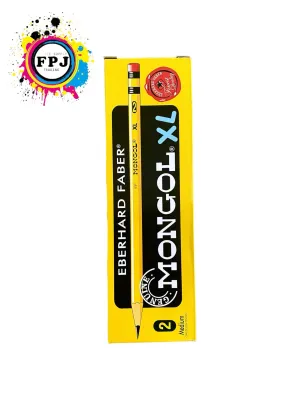
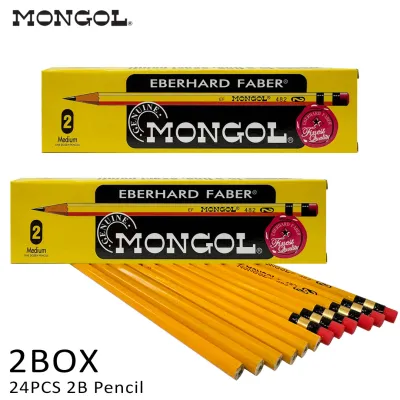
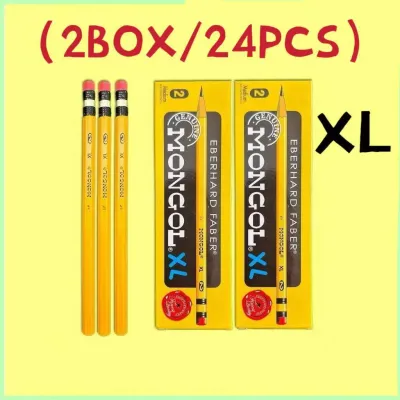
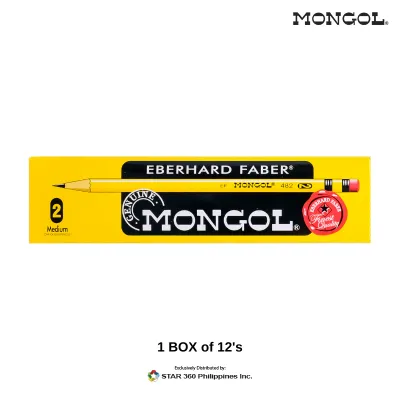
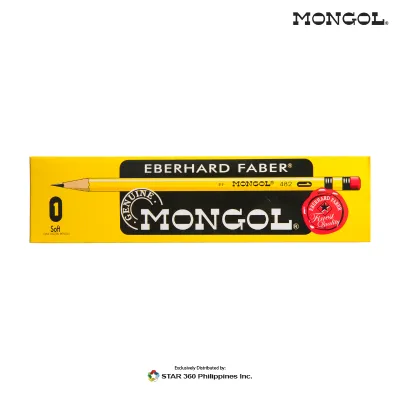
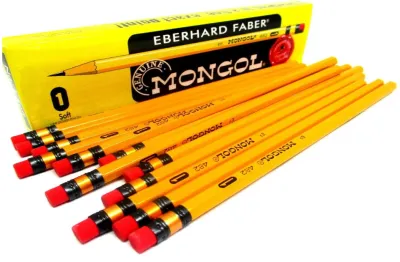
Prices are valid at publication and may change. Please refer to the product page for the latest price.
The actual writing characteristics are determined by the graphite grade, which is printed separately on the barrel or the box. This grade is usually represented by a single digit (like #1, #2, or #3) or a letter combination (such as HB or 2B). For example, a Mongol 101 pencil and a Mongol 102 pencil might both contain the exact same #2 graphite, but they differ in their outer casing design or target market.
Before purchasing a full box, always look past the prominent model numbers and locate the specific hardness grade. Checking the manufacturer’s label on the outer packaging is the most reliable way to confirm what kind of writing experience you are buying, as relying solely on the model number can lead to purchasing the wrong lead type.
How Graphite Grades Affect Your Writing and Drawing
The core of a pencil is not pure lead; it is a mixture of graphite and clay. The ratio of these two materials determines how the pencil behaves on paper. Harder leads, designated by H grades or higher numbers like #3, contain a higher proportion of clay. This results in a lighter, thinner line that holds its sharp point for a long time, making it excellent for precise work.

Conversely, softer leads, designated by B grades or lower numbers like #1, contain more graphite. These leads glide smoothly across the page, depositing a thick, dark layer of carbon. While they offer a rich, dark line, they wear down quickly, require frequent sharpening, and are highly prone to smudging if touched.
The middle ground is occupied by the HB grade, which corresponds to the classic #2 pencil. This grade offers an optimal balance of clay and graphite. It provides sufficient darkness for easy reading while maintaining excellent point retention and resistance to smudging.
It is important to remember that the perceived darkness and smoothness of any pencil grade are not absolute. They depend heavily on the texture of the paper you use and the amount of pressure you apply. Conducting a quick test on a scrap piece of your intended paper is the best way to verify how a specific grade will perform in your hands.
Matching the Pencil Grade to Your Specific Tasks
Selecting the right pencil grade is a matter of matching the tool to the task. For daily note-taking, school homework, and office tasks, the standard HB or #2 grade is the undisputed standard. This grade is also mandatory for standardized exam answer sheets. Optical mark readers used to grade exams are calibrated to detect the specific light-blocking properties of #2 graphite; using a lead that is too light or too dark can result in grading errors.
If your primary activity is sketching, shading, or artistic drawing, you should look for softer B grades, such as 2B or 3B. These grades allow you to achieve deep shadows, smooth gradients, and expressive line weights that are difficult to produce with a standard writing pencil.
For technical drafting, architectural layouts, or light guidelines that will later be inked over, harder H grades or #3 pencils are the ideal choice. They allow you to draw clean, faint lines that do not smudge under a ruler or T-square.
Before committing to a bulk purchase, always verify any specific guidelines set by your school, exam board, or workplace. Some institutions have strict rules regarding allowed pencil grades, and checking these requirements beforehand prevents wasting money on unusable supplies.
What to Check When Buying 1 Box of Mongol Pencils
When you decide to buy a full box of pencils, a few practical checks will ensure you get the best value and quality. First, verify the piece count inside the box. While a standard box typically contains 12 pieces (one dozen), some bulk packages offer 24 or more. Knowing the exact count helps you calculate the cost per piece and plan your budget effectively.
Next, inspect the packaging carefully. Look for intact seals, clear and sharp printing, and official branding. Counterfeit stationery is common, and knock-off pencils often suffer from off-center leads that break constantly during sharpening, rendering the pencil useless.
The physical condition of the box is also crucial, especially in tropical climates with high humidity. Excess moisture can degrade the glue holding the wood halves together or cause the wood itself to warp. Inspect the box for water stains or soft spots, as poorly stored pencils will have brittle leads and wood that splits easily when sharpened.
Finally, compare the cost of buying a full box versus purchasing individual pencils. Local stationery suppliers and online marketplaces often offer significant discounts when you buy by the box. Calculating the price in ₱ per piece will help you confirm that buying in bulk is indeed the most economical choice for your needs.
Frequently Asked Questions (FAQ)
Are Mongol 101 and 102 pencils the same hardness?
No, the numbers 101 and 102 do not represent the hardness of the pencil. Instead, they identify different product lines or barrel designs within the brand. The actual hardness of the lead is indicated by a separate marking, such as #2 or HB, printed on the barrel or the box. You can find both Mongol 101 and Mongol 102 pencils in the standard #2 hardness, so always check the specific grade marking before buying.
Which pencil grade is best for shading in art?
For artistic shading, softer B grades like 2B, 4B, or 6B are highly recommended. These grades contain more graphite, allowing you to create rich, dark tones and smooth blends with minimal hand pressure. Because the final shading effect depends on the texture of your drawing paper, it is best to test different grades to see which one suits your drawing style.

Community discussion
Share your experience or ask a question. Comments are reviewed before publication.