
When you pick up a spool of thread marked as “Ticket 50,” you are looking at a medium-weight thread that balances strength and visibility. In the world of sewing and embroidery, understanding this number is essential to ensuring your stitches lie flat, your needles do not clog, and your fabric does not pucker. While the number 50 might seem straightforward, thread sizing systems can be confusing because different manufacturers use different standards to define thickness.
To select the right materials for your project, you must first understand how to decode these numbers. Matching the thread weight to your fabric and needle size prevents common stitching frustrations and ensures a clean, professional finish on your handmade items.
Decoding the "Ticket 50" Label on Thread Spools
To avoid purchasing the wrong thickness for your project, you must first identify which measurement system the “50” on your spool represents. Thread manufacturers globally use several numbering systems, and a “50” in one system can mean something entirely different in another.
Products mentioned in this guide
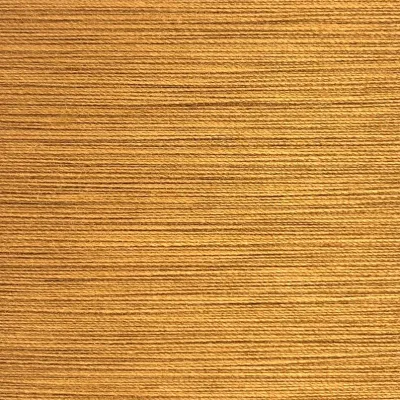
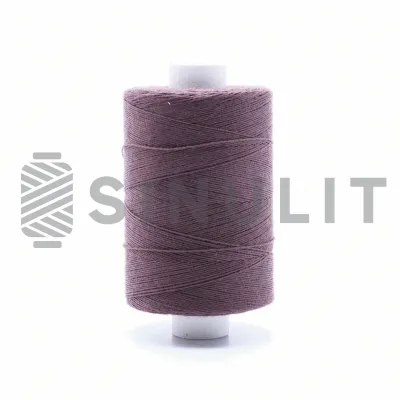
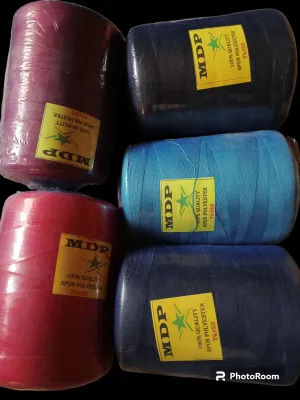
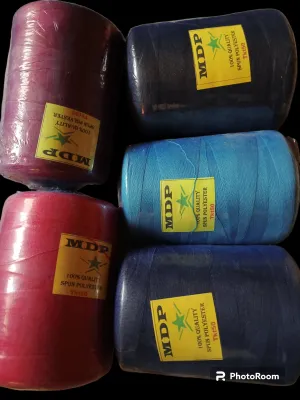
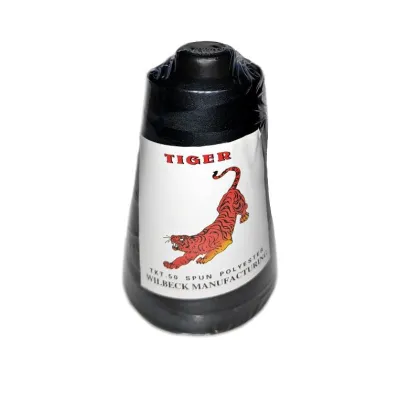
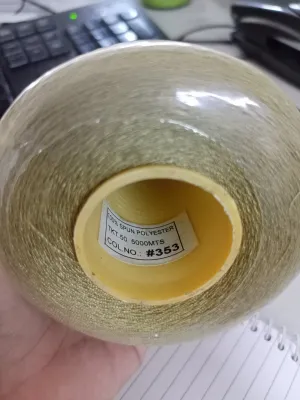
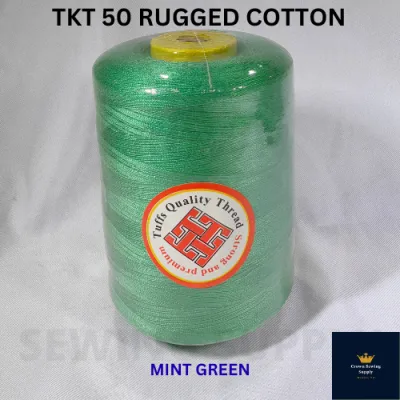
Prices are valid at publication and may change. Please refer to the product page for the latest price.
In certain measurement frameworks, such as the Tex system, a higher number indicates a thicker thread because the measurement is based on weight per unit of length. Conversely, in other standards like the traditional Weight (wt) system, a higher number indicates a finer, thinner thread. For example, a Ticket 50 thread is generally thicker than a Ticket 80 thread, making it a robust choice for visible seams or defined embroidery lines, but significantly heavier than a delicate 100-weight thread.
To determine the exact standard of your spool, inspect the label carefully for specific unit identifiers. Look for markings such as “Tex,” “wt,” “Ne,” or “No.” which indicate the underlying measurement system. If the label only displays “50” without clear units, you can verify the actual thickness by comparing it visually against a known reference thread or checking the manufacturer’s official specification sheet online.
How Thread Thickness Impacts Embroidery and Cross-Stitch
The thickness of your thread directly shapes the texture, coverage, and overall quality of your textile work. Using a Ticket 50 thread introduces distinct physical characteristics to your stitches that will behave differently depending on your fabric choice.

Thicker threads provide excellent surface coverage and a raised, dimensional effect in surface embroidery. This makes them ideal for bold outlines, satin stitches, and decorative borders where you want the design to stand out. However, on lightweight fabrics—which are highly popular in warm, humid climates like the Philippines where thin cotton and linen are common—heavy threads can pull at the weave, causing unsightly fabric puckering around the design.
Finer threads, by contrast, are better suited for achieving flat, highly detailed designs in cross-stitch or high-density machine embroidery. They glide easily through small needle eyes and allow for intricate patterns without adding bulk. When working with a Ticket 50 thread, you must match it to a compatible fabric density, such as a lower-count Aida cloth (like 11-count or 14-count) or a coarser linen, to ensure the stitches fill the grid spaces beautifully without crowding.
Practical Checks Before Starting Your Stitching Project
Before committing your thread to a final piece of fabric, performing a few simple diagnostic checks will save you time and prevent material waste. These steps ensure that your thread, needle, and fabric work in harmony under local stitching conditions.
Begin by conducting a small swatch test on a scrap piece of your project fabric. Stitch a few lines or crosses to observe how the thread behaves under normal tension. Watch closely for any signs of fraying, snapping, or fabric distortion, which indicate that the thread is either too thick for the weave or the tension is too tight.
Next, check your needle eye size to ensure the Ticket 50 thread passes through smoothly. If the needle eye is too small, the constant friction as you pull the thread through the fabric will shred the fibers and weaken your stitches.
Finally, adjust your tension settings. For machine embroidery, run a quick test pattern to balance the upper and bobbin threads. For hand embroidery, practice a consistent, gentle pulling motion, keeping in mind that high humidity can slightly alter how fibers grip each other during manual stitching.
Frequently Asked Questions (FAQ)
Can I use Ticket 50 thread for all types of cross-stitch fabrics?
No, Ticket 50 thread is generally too thick for high-count cross-stitch fabrics like 18-count Aida or fine evenweaves. Using a thick thread on a tight grid will enlarge the needle holes, cause the thread to fray from friction, and distort the fabric’s natural grid pattern. For finer fabrics, it is best to adjust your plan by using fewer plies of a stranded embroidery floss or switching to a finer thread specification.
What is the difference between embroidery thread and regular sewing thread?
Embroidery thread is specifically engineered for decorative appeal, featuring a high sheen, a softer twist, and a finish designed to reflect light beautifully. Regular sewing thread, on the other hand, is constructed primarily for structural strength and seam durability. Using regular sewing thread for decorative embroidery often results in a dull, flat appearance that lacks the vibrant fullness of dedicated embroidery fibers.
Community discussion
Share your experience or ask a question. Comments are reviewed before publication.