
Choosing between the Uni-ball Signo 207 and the Uni-ball Signo 307 is a common dilemma for students, professionals, and stationery enthusiasts who spend hours writing by hand. Both models are celebrated for their reliable performance, but they cater to very different physical preferences and writing styles. The decision ultimately hinges on how you hold your pen, the size of your hands, and how your fingers interact with different grip materials during long, demanding writing sessions.
By understanding the physical nuances of each model, you can select the tool that minimizes hand strain and keeps your writing clean and legible. This is especially important in the warm, humid climate of the Philippines, where hand sweat and paper moisture can significantly alter how a pen feels and performs over time. Examining the structural differences between these two popular gel pens will help you make an informed choice for your daily writing needs.
Core Differences in Barrel Size and Grip Design
The physical profile of a pen dictates how comfortably it rests in your hand and how much control you have over your strokes. The Uni-ball Signo 207 features a classic design with a distinct, slightly raised rubber grip that tapers gently toward the tip. This creates a clear physical boundary for your fingers, which is highly beneficial if you tend to grip your pen close to the writing point. The rubber sleeve is soft to the touch and provides a cushioned barrier against the hard plastic of the inner barrel.
Products mentioned in this guide
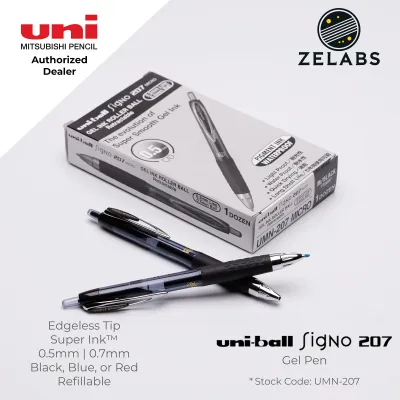
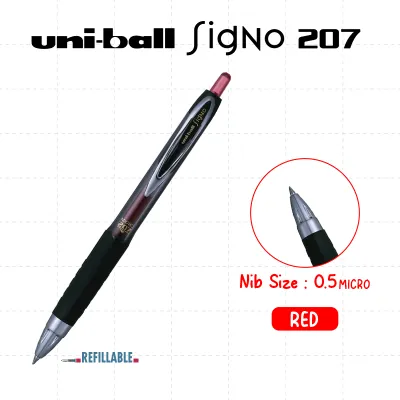
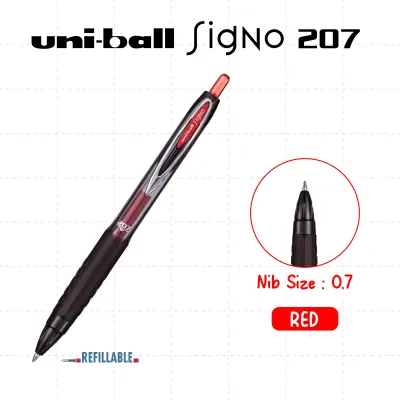
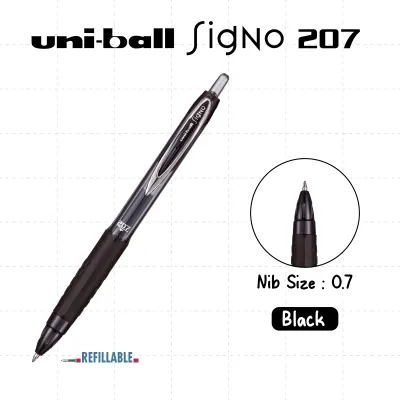
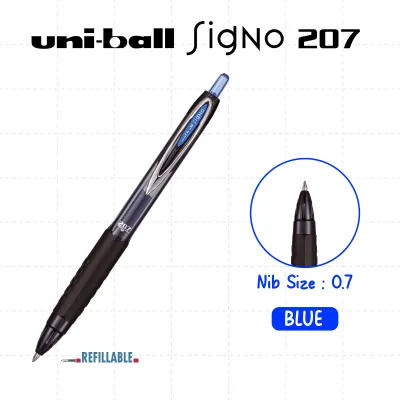
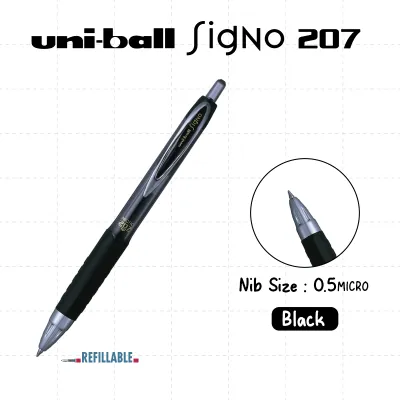
Prices are valid at publication and may change. Please refer to the product page for the latest price.
In contrast, the Uni-ball Signo 307 presents a more streamlined, modern silhouette where the grip section is integrated smoothly into the plastic barrel. This design eliminates the noticeable ridge or “step-down” found on the 207, offering a uniform diameter that appeals to writers who prefer a higher grip position or a more consistent cylindrical shape. The grip area of the 307 features a textured pattern that wraps around the lower section of the pen, providing traction without the bulk of a traditional thick rubber sleeve.
To determine which physical profile suits you best, you can perform a simple physical check at home. Hold your current favorite pen and observe where your thumb and index finger naturally rest. If your fingers sit higher up on the barrel, the seamless transition of the 307 will likely feel more natural and less restrictive. If you prefer a dedicated, cushioned resting spot that prevents your fingers from sliding down toward the tip, the structured rubber grip of the 207 is designed to support that exact writing posture.
Comfort and Fatigue During Long Writing Sessions
Long writing sessions—such as taking board exams, writing lecture notes, or drafting long-form journal entries—place significant physical demands on your hand. The weight distribution of a pen plays a critical role in how quickly muscle fatigue sets in. Both the Signo 207 and 307 are lightweight plastic retractable pens, meaning they do not suffer from the heavy back-weighting common in metal pens. However, the way their grips interact with skin friction and moisture can dramatically affect your comfort over several hours of continuous use.

In tropical environments, hand sweat is a common challenge during extended writing tasks. The soft rubber grip of the Signo 207 provides excellent initial cushioning, but under humid conditions, some writers find that smooth rubber can trap moisture, leading to a slightly slippery feel. This slipperiness can cause you to unconsciously tighten your grip, which increases tension in your hand muscles and accelerates fatigue.
Conversely, the Signo 307 features a textured, less porous grip surface that is designed to maintain traction even when your hands get warm. The micro-textures on the 307’s grip help disperse moisture, allowing for a lighter, more relaxed hold during long writing sessions. When testing these pens, pay close attention to any tension in your thumb web space or red marks on your middle finger, as these are clear indicators of excessive grip pressure. A pen that allows you to maintain a secure hold with minimal downward pressure is the key to preventing long-term hand strain.
Ink Flow, Tip Sizes, and Writing Feel
Beyond ergonomics, the writing experience is heavily influenced by how the ink interacts with your paper. When browsing local stationery shops or online marketplaces, you will find both models available in various tip sizes, typically ranging from a fine 0.5mm to a medium 0.7mm. It is important to check the packaging carefully to ensure you select the tip size that matches your writing speed and pressure. A finer tip requires less ink flow and is often better suited for small, precise handwriting, while a medium tip offers a bolder, wetter line.
Because gel ink performance is highly dependent on the specific paper medium, you should conduct a simple trial on the paper you use most frequently. For instance, standard school notebooks or thin exam pads common in the Philippines may behave differently than thick, high-gsm journal paper. To evaluate the writing feel, perform a “diagonal line test” by drawing quick, light strokes across the page; observe whether the ink flows smoothly without skipping, railroading, or requiring heavy downward pressure.
Additionally, keep in mind that high relative humidity can naturally extend the drying time of gel inks. Before committing to a specific pen for high-stakes writing, test the drying speed on your preferred paper to ensure the ink sets quickly enough to avoid smudging. While both pens utilize high-quality gel formulations designed for consistency, the physical interaction between the ball tip, the ink viscosity, and your specific paper will ultimately determine which model feels smoother to you.
Price, Refills, and Availability
When choosing a primary writing instrument for daily use, long-term cost and convenience are essential factors. Both the Signo 207 and 307 are designed to be refillable, making them more economical and environmentally friendly than disposable alternatives. When shopping in the Philippines, you should check local stationery stores and authorized online retailers to compare the current prices of both the pens and their corresponding refills in Philippine Pesos (₱).
While the pens themselves are widely available, refill stock can sometimes vary by location. Before purchasing a batch of refills, always unscrew your pen’s barrel and verify the exact model number printed on the refill tube. Checking these specifications ensures that the replacement refill will fit perfectly with the internal spring mechanism and barrel length of your specific pen model, preventing frustrating compatibility issues. Investing in refills not only saves money over time but also allows you to keep using a pen barrel that has already molded comfortably to your writing style.
Final Verdict: Which Gel Pen Should You Choose?
To make your final decision, consider your personal ergonomic needs and writing environment:
- Choose the Uni-ball Signo 207 if you prefer a traditional writing experience with a distinct, cushioned rubber grip that provides a clear tactile guide for your fingers. This model is ideal for those who appreciate a slightly tapered barrel and a dedicated, soft grip section.
- Choose the Uni-ball Signo 307 if you prefer a modern, streamlined pen with an integrated, textured grip that handles hand sweat and humidity exceptionally well during long writing sessions. This model is perfect for writers who hold their pens higher up or prefer a uniform barrel diameter.
If you are still undecided, the most reliable approach is to visit a local stationery store and test the weight balance and grip texture of both models in person to see which one naturally complements your writing posture.
Frequently Asked Questions (FAQ)
Are the refills for the Signo 207 and 307 interchangeable?
To determine if the refills are interchangeable, you must inspect the physical dimensions and model codes printed on the refills themselves. While many retractable gel refills from the same manufacturer share a similar overall length and diameter, minor variations in the plastic collar, spring-stop positions, or tip design can prevent a refill from retracting properly in a different barrel. Always compare the old refill side-by-side with the potential replacement before opening the packaging, and refer to the manufacturer’s compatibility guidelines to ensure a reliable fit.
Which pen is better for left-handed writers?
For left-handed writers, the primary challenge is avoiding ink smudges as the writing hand moves across the page. The suitability of either the Signo 207 or 307 depends heavily on your specific grip style—whether you are an underwriter, an overwriter, or a hook writer. Left-handed writers should test both pens on their standard writing paper to observe how quickly the ink dries under local humidity conditions. Opting for a finer tip size, such as 0.5mm, can also help minimize smudging by depositing less ink on the page, allowing it to dry more rapidly regardless of the barrel design you choose.

Community discussion
Share your experience or ask a question. Comments are reviewed before publication.