
When executing legal contracts, financial agreements, or official certificates, the choice of writing instrument is far more than a matter of personal style. A signature is a permanent mark of consent and identity, meaning the ink used must withstand environmental exposure, physical wear, and potential attempts at alteration. The uniball zento signature has emerged as a prominent candidate for professionals seeking a reliable, high-performance pen for these critical tasks. To determine if this specific model is worth your investment, you must evaluate how its ink chemistry, ergonomic design, and paper compatibility align with the rigorous demands of professional document signing.
For most corporate and legal professionals, a signature pen must deliver absolute reliability. If a pen skips, smudges, or fades over time, it can compromise the professionalism of a document or, in worst-case scenarios, render a signature illegible and legally vulnerable. By examining the technical specifications of the uniball zento signature alongside practical testing methodologies, this guide provides a comprehensive evaluation to help you decide if this pen deserves a permanent place on your executive desk.
What Defines a Reliable Pen for Professional Signatures?
Before assessing any specific pen model, it is essential to establish the baseline criteria that define a reliable instrument for signing legal, financial, and professional documents. The primary requirement for any signature ink is archival quality. Archival inks are designed to resist degradation over long periods, ensuring that the signature remains as clear and legible decades from now as it was on the day it was written. The fundamental difference lies in the ink chemistry: pigment-based inks contain solid, microscopic particles of color suspended in a liquid medium, whereas dye-based inks utilize fully dissolved colorants. When applied to paper, pigment-based inks bind physically to the cellulose fibers and remain locked in place, while dye-based inks merely stain the surface, leaving them highly susceptible to fading from light and moisture.
Products mentioned in this guide
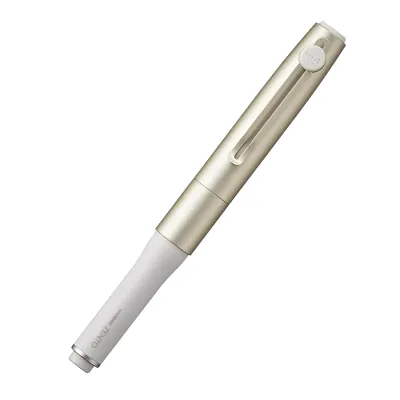
![[100% original] Mitsubishi uniball ZENTO Ballpoint Pen Signature model 0.38 / 0.5 / 0.7mm Silver Black Gold ships from Japan](https://img.lazcdn.com/g/ff/kf/Se6d7a662118a4086a10b94771dcd46924.jpg_400x400q80.jpg_.webp)
Prices are valid at publication and may change. Please refer to the product page for the latest price.
Fraud resistance is another critical dimension of professional document security. High-security documents require ink that cannot be easily altered or removed by unauthorized parties. This protection is achieved through resistance to water, ultraviolet (UV) light, and common chemical solvents such as acetone, ethanol, and bleach. If a document is exposed to water during a transit mishap, or if a bad actor attempts to perform “check washing” to alter financial figures, a high-quality pigment ink will resist dissolving, preserving the original signature and preventing unauthorized modifications.
Drying speed is a practical necessity that directly impacts document handling. In fast-paced professional environments, documents are frequently signed and immediately stacked, folded, or passed to another individual. If the ink dries too slowly, it will smudge across the page or transfer to the back of the preceding document. This issue is particularly pronounced on high-gloss, coated, or heavily sized papers, where the ink cannot quickly penetrate the surface and must rely on evaporation to dry. A professional signature pen must balance a wet, consistent flow with a formulation that sets rapidly to prevent accidental smearing.
Finally, professional aesthetics and tactile feedback dictate the overall signing experience. A signature should present a bold, consistent line without pooling at the end of strokes or skipping during rapid loops. The nib width must be carefully calibrated; a tip that is too fine may look faint and lack authority on a large certificate, while an excessively thick tip can cause intricate letters to bleed together into an illegible blotch. Furthermore, the physical weight and balance of the pen body should provide enough resistance to guide your hand smoothly, imparting a sense of control and deliberate action during the signing process.
Assessing the Uni-ball Zento Signature for Document Use
When evaluating the uniball zento signature against these professional standards, the analysis must begin with its ink formulation. You should carefully inspect the retail packaging to verify the specific ink properties, looking for explicit mentions of pigment-based or proprietary fraud-resistant technology. Uni-ball is widely recognized for its specialized ink chemistry designed to resist water, fading, and chemical tampering. By verifying these claims on the product label, you can ensure that the pen utilizes a formulation that physically locks into the paper fibers, providing the archival permanence required for deeds, wills, and corporate resolutions.

Nib performance and line consistency are critical when executing rapid, continuous signature strokes. During a swift signature, the hand moves through quick loops, sharp angles, and sudden lifts. If the pen’s ink delivery system cannot maintain consistent hydraulic pressure, the line will break, resulting in highly unprofessional white gaps or “skipping.” The Zento Signature is engineered to deliver a steady, controlled flow of ink to the ball point, minimizing the physical drag on the paper. This smooth delivery ensures that even the fastest executive signatures remain unbroken and legible from the first stroke to the final flourish.
Ergonomics play a vital role for professionals who must sign high volumes of paperwork in a single session, such as notaries, corporate secretaries, or administrative officers. The Zento Signature features a balanced weight distribution, preventing the pen from feeling excessively top-heavy or bottom-heavy in the hand. The grip section is designed to provide a secure hold without requiring excessive finger pressure, which helps reduce hand fatigue during extended signing sessions. This ergonomic design ensures that your writing posture remains comfortable, allowing you to maintain a consistent signature shape across hundreds of pages.
In terms of build quality and appearance, the pen body presents a clean, minimalist aesthetic suitable for executive boardrooms and formal transactions. The exterior design avoids flashy or distracting elements, opting instead for a professional finish that complements a corporate environment. While the pen feels solid and well-constructed for daily office use, you should handle it with care. Avoid dropping the pen on hard surfaces, as physical impacts can misalign the delicate ball-point mechanism in the tip, leading to scratchiness or restricted ink flow.
Performance Across Common Contract and Certificate Papers
Professional documents are printed on a wide variety of paper stocks, each presenting unique physical properties that affect how ink behaves. Standard multi-purpose copy paper, typically ranging from 70gsm to 80gsm, is highly absorbent. On this common medium, the Zento Signature’s ink is drawn quickly into the paper fibers. While this rapid absorption results in exceptionally fast drying times, it can occasionally cause minor “feathering”—where the ink spreads slightly outward along the paper fibers—if the paper quality is low. However, for standard office contracts and administrative forms, this interaction generally provides a clean, dry, and smudge-free result.
High-grade certificate stocks, diplomas, and textured contract papers present a completely different set of physical challenges. Many formal certificates utilize heavy, coated, or highly sized papers to achieve a smooth, bright, and premium finish. Because these coatings restrict the paper’s natural absorbency, the liquid components of the ink must evaporate rather than soak into the fibers. Consequently, drying times on glossy certificate stock are significantly prolonged. If you are signing official diplomas or heavy parchment agreements, you must exercise caution and allow the ink to dry completely before stacking or touching the signature area.
To prevent irreversible damage to critical documents, you should always employ a safe, reversible testing framework before signing a final contract. Take a scrap piece or an inconspicuous margin of the exact same paper stock you intend to use. Execute a test signature or a series of rapid loops, then observe the ink’s behavior closely. Inspect the reverse side of the paper to check for bleed-through, look along the edges of the lines for any signs of feathering, and gently swipe a clean finger over the test lines at five-second intervals. This simple trial allows you to determine the precise drying time and line quality on that specific paper medium before committing to the official document.
Environmental factors, particularly the high relative humidity typical of tropical climates like the Philippines, also exert a strong influence on ink behavior. High moisture levels in the air slow down the evaporation of water-based ink components. In a highly humid, non-air-conditioned office, a pen that dries in three seconds under dry conditions may require eight to ten seconds to set completely. When working in these environments, you should adjust your signing speed, allow extra drying time, and consider using blotting paper or protective sheets to prevent accidental smudges when handling freshly signed documents.
Comparing the Zento Signature to Alternative Professional Pens
To determine if the Zento Signature is the ideal choice for your specific workflow, it is valuable to compare it against other common categories of professional writing instruments. Standard gel pens, traditional liquid-ink rollerballs, and classic fountain pens each offer distinct advantages and trade-offs regarding ink delivery, maintenance requirements, and line consistency.
Standard gel pens use a water-based gel medium that holds pigments beautifully, offering excellent water resistance but sometimes suffering from slower drying times on non-porous papers. Traditional rollerballs utilize a very thin, liquid ink that flows effortlessly with minimal hand pressure, but they are highly prone to bleeding through standard copy paper and rarely offer archival-grade pigment formulations. Fountain pens represent the pinnacle of executive prestige and offer a highly personalized writing experience; however, they require regular flushing, manual refilling, and specialized archival inks, and they are highly sensitive to paper quality, often feathering badly on standard office paper.
The following comparison table outlines how the Zento Signature compares to these alternative pen categories across key professional performance dimensions:
| Pen Category / Model | Ink Type | Smudge Resistance | Maintenance Requirements | Ideal Use Case |
|---|---|---|---|---|
| Uni-ball Zento Signature | Pigment-based Gel | High (Fast-drying formulation) | Low (Disposable or simple refill swap) | Daily contract signing, legal deeds, and official certificates |
| Standard Gel Pen | Water-based Gel | Moderate to High (Varies by brand) | Low (No maintenance required) | General office note-taking and administrative tasks |
| Classic Rollerball | Liquid Dye or Pigment | Moderate (Slower drying on coated paper) | Low (Requires capping to prevent drying) | Rapid writing on high-quality, absorbent paper stocks |
| Fountain Pen | Liquid Dye or Pigment | Low to Moderate (Highly ink-dependent) | High (Regular flushing and manual filling) | Executive signatures, ceremonial signing, and personal journaling |
Final Verdict and Pre-Purchase Checklist
The Uni-ball Zento Signature represents a highly practical and secure choice for professionals who require a reliable, fraud-resistant writing tool without the high maintenance associated with fountain pens. It is exceptionally well-suited for notaries, corporate executives, legal counsel, and administrative staff who sign high volumes of documents daily and cannot afford smudged lines, skipping, or compromised security. However, if your daily work involves signing exclusively on highly glossy, non-porous synthetic materials, you may need to look for specialized industrial markers, as water-based gel inks naturally require some paper porosity to dry efficiently.
Before purchasing the Zento Signature, utilize this practical pre-purchase checklist to ensure you receive an authentic, high-performing writing instrument:
- Verify Authorized Sellers: Purchase only from reputable stationery distributors or official brand stores to avoid counterfeit products that may use cheap, non-archival dye inks instead of genuine pigment formulations.
- Check Manufacturing Codes: Inspect the packaging or pen barrel for production dates or batch codes to ensure the ink is fresh and has not been subjected to prolonged warehouse storage, which can lead to drying or clogging.
- Confirm Ergonomics in Hand: If purchasing at a physical retail store, hold the pen in your standard writing grip to ensure the barrel diameter, weight distribution, and grip texture feel comfortable for your hand size.
- Inspect the Tip Seal: Ensure the protective wax or plastic bead on the tip of a brand-new pen is fully intact, which guarantees the ink has not been exposed to air prior to purchase.
Ultimately, the Zento Signature delivers an excellent balance of security, smooth performance, and professional aesthetics. For a reasonable investment—typically positioned within the mid-range bracket of ₱150 to ₱400 depending on the specific retail outlet and package configuration—it provides the peace of mind required when executing legally binding agreements, financial documents, and permanent public records.
Frequently Asked Questions (FAQ)
How can I test if a pen's ink is truly fraud-resistant?
To verify the physical stability and fraud resistance of your pen’s ink, you can perform a straightforward, non-legal test at home using scrap paper. Draw several thick, continuous lines on a piece of standard copy paper and allow the ink to dry completely for at least twenty-four hours to ensure it has fully bound to the fibers. Once dry, place the paper in a shallow dish of water for five to ten minutes, or place a few drops of water directly onto the lines and gently rub them with a cotton swab. To test UV stability, tape a portion of the signed paper to a window facing direct sunlight for one week while keeping the other half covered in a dark drawer. If the exposed ink remains dark, does not bleed, dissolve, or fade compared to the covered control sample, it demonstrates strong physical resistance to environmental factors. Note that this test only verifies physical properties and does not constitute official legal or forensic certification.
Does the Uni-ball Zento Signature require special storage in humid climates?
Yes, environmental factors play a significant role in preserving the performance of gel ink pens. In tropical climates characterized by high relative humidity and temperature fluctuations, you should store the pen horizontally or tip-down. This position ensures that the ink remains in constant contact with the ball point, preventing air pockets from forming within the cartridge. Always keep the pen away from direct sunlight, unventilated storage cabinets, or hot vehicles, as excessive heat can thin the ink formulation and cause leaking or premature drying. Always ensure the cap is clicked securely in place immediately after use. This prevents the water-based solvents in the gel from evaporating when moving between dry, air-conditioned offices and highly humid outdoor environments.
Community discussion
Share your experience or ask a question. Comments are reviewed before publication.