
Quick Answer: Which Premium Rollerball Fits Your Needs?
Finding the perfect writing instrument is a highly personal journey, especially for professionals, students, and stationery enthusiasts who spend hours putting pen to paper. The Uni-ball Zento has emerged as a compelling contender in the premium writing space, but how does it stack up against other established premium rollerballs? To make an informed decision, you must evaluate how a pen aligns with your specific writing posture, paper choices, and environmental conditions.
For writers seeking a comfortable, modern everyday carry, the Uni-ball Zento offers an exceptional balance of ergonomic design, consistent ink delivery, and smudge resistance. However, if your work demands the expressive, high-flow feedback of traditional liquid ink, or if you prefer the substantial heft of a machined metal body, other premium rollerballs may serve you better. Choosing the right pen requires looking beyond aesthetics to analyze ink chemistry, tip mechanics, and long-term refill availability.
The Uni-ball Zento Baseline: What to Expect
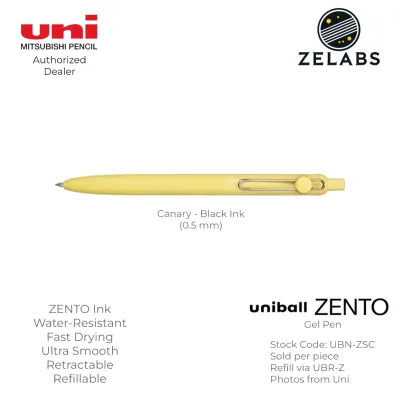
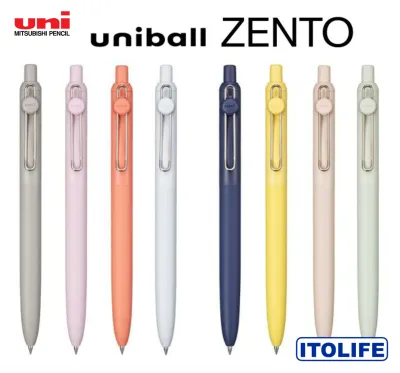
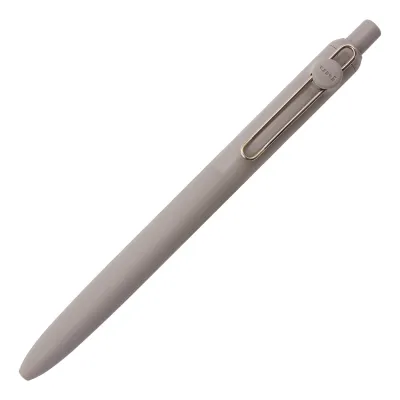
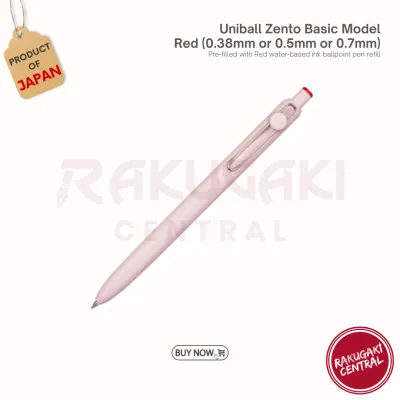
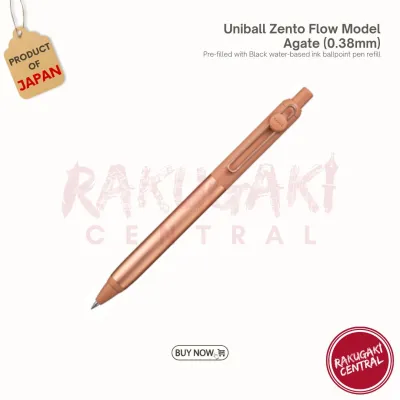
To understand where the Uni-ball Zento fits in the broader stationery landscape, it is essential to establish its baseline characteristics. The Zento is designed with a sleek, minimalist aesthetic that appeals to modern professionals who appreciate clean lines and understated elegance. Its body typically features a matte finish that provides a secure grip without relying on sticky, dust-attracting rubberized sleeves. This design philosophy ensures that the pen remains clean and professional-looking even after months of daily use in busy environments.
Products mentioned in this guide
Prices are valid at publication and may change. Please refer to the product page for the latest price.

The grip section of the Zento is subtly contoured to guide your fingers into a relaxed, ergonomic posture. This design helps distribute holding pressure evenly, minimizing the localized finger fatigue that often occurs during marathon writing sessions, such as taking lecture notes or drafting long-form reports. The pen’s weight distribution is balanced slightly toward the writing tip, which naturally encourages a lower, more comfortable writing angle and reduces the amount of downward pressure required to maintain a consistent line.
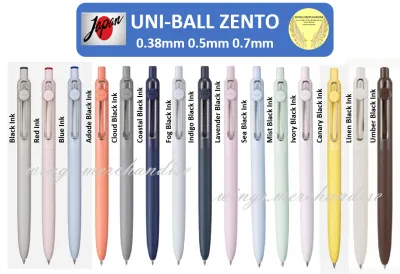
When evaluating the Zento’s performance, you must verify the specific nib size and ink formulation indicated on the product packaging. The Zento often utilizes an advanced hybrid ink formula designed to combine the ultra-smooth glide of a liquid rollerball with the fast-drying, bleed-resistant properties of a gel pen. This makes it highly versatile, though its performance will still vary depending on the paper quality. On standard copy paper, the hybrid ink resists feathering remarkably well, but performing a quick trial on your preferred notebook brand is always recommended to verify exact drying speeds and line crispness.
Core Comparison Dimensions for Premium Rollerballs
Evaluating premium rollerballs systematically requires breaking down their performance into distinct, observable dimensions. Rather than relying on subjective marketing claims, discerning writers should analyze specific mechanical and chemical properties to identify the pen that best matches their daily habits.
Nib Size, Line Quality, and Feedback
The interaction between the pen tip and the paper determines the overall tactile feedback of your writing experience. Premium rollerballs typically employ precision-engineered tips, often utilizing tungsten carbide balls housed in stainless steel collars. Tungsten carbide is exceptionally hard and resistant to wear, ensuring that the line width remains consistent throughout the entire lifespan of the refill. When comparing pens, check the manufacturer’s technical specifications for exact nib sizes, such as 0.5mm (fine) or 0.7mm (medium), rather than relying solely on generic descriptors, as actual line widths can vary significantly between brands.
Line quality is defined by skip resistance and flow consistency. To test a pen’s capability, observe how it performs during rapid, sweeping strokes—such as signing a signature or sketching quick diagrams—versus slow, deliberate printing. A high-quality rollerball should deliver a continuous, unbroken line without requiring excessive downward force. Tactile feedback, or “tooth,” refers to the resistance you feel as the tip moves across the paper fibers. Some writers prefer a glassy, frictionless glide, while others require a slight, pencil-like feedback to maintain control over their handwriting.
Ink Formulation and Paper Compatibility
The choice between water-based liquid inks and pigment-based gel or hybrid inks is one of the most critical decisions when purchasing a premium rollerball. Traditional liquid rollerball inks are highly fluid, saturated, and offer an incredibly smooth writing sensation because the ink flows effortlessly onto the page. However, this high fluidity means the ink takes longer to dry and is highly prone to feathering (spreading sideways along paper fibers) and bleeding through to the back of thin or low-density paper sheets.
In contrast, gel and hybrid formulations, such as those often found in the Uni-ball Zento, use structured polymers to keep the ink stable inside the cartridge. When the ball rotates, the shear force thins the ink temporarily, allowing it to transfer smoothly to the page before instantly reverting to a thicker state. This results in incredibly sharp lines, minimal feathering, and significantly faster drying times. In tropical climates with elevated ambient humidity, such as the Philippines, water-based liquid inks can take twice as long to dry, making fast-drying gel or hybrid inks highly superior for preventing accidental smudges, particularly for left-handed writers. Always check product labels for terms like “pigment-based,” “water-resistant,” or “archival” if you intend to use the pen for official documents, checks, or permanent records.
Ergonomics, Weight, and Balance
A pen’s physical dimensions directly influence physical comfort during extended use. The diameter of the grip section is a primary factor; a grip that is too narrow can cause your hand to cramp as you squeeze tighter to maintain control, while an excessively thick grip can strain the hand muscles of writers with smaller hands. Finding a comfortable middle ground, typically between 9mm and 11mm, is ideal for most users.
Weight and balance are equally crucial. Premium pens constructed from machined metals, such as brass, aluminum, or stainless steel, offer a satisfying heft and excellent durability, but their increased weight can accelerate hand fatigue during long writing sessions. Conversely, high-grade resins and modern plastics provide a lightweight alternative that allows for effortless, prolonged writing, though some users may perceive them as less premium. The center of gravity must also be considered: if a pen is back-heavy—which often happens when a heavy metal cap is posted on the back of the barrel—it pulls the tip upward, forcing you to use more muscle effort to keep the pen on the paper. A front-weighted or perfectly centered pen allows for a much more relaxed, natural grip.
Build Quality, Refills, and Longevity
Investing in a premium rollerball means expecting a tool that will last for years, which makes build quality and refill compatibility paramount. Look for durable construction details, such as metal pocket clips that won’t snap under tension, precise screw threads that secure the barrel sections without wobbling, and robust internal spring mechanisms in retractable models. For capped pens, a high-quality sealing mechanism within the cap is vital to prevent air exposure and keep the tip from drying out prematurely.
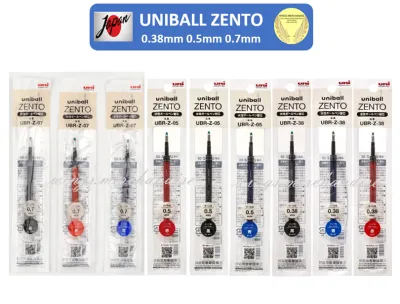
Before finalizing your choice, verify the refill standard used by the pen. Some premium brands utilize the standard international rollerball refill format (often referred to as the Euro-refill), which gives you the freedom to swap in refills from various manufacturers to customize your writing experience. Other brands rely on proprietary refill designs, meaning you are locked into that specific manufacturer’s ink formulas and tip sizes. Ensure that replacement refills for your chosen pen are readily accessible in your local market, as a premium pen body becomes useless if you cannot easily source its compatible ink cartridges.
Assessing Price and Long-Term Value in the Philippines
When evaluating premium rollerballs in the Philippines, calculating the total cost of ownership is far more practical than simply comparing the initial retail price. A premium pen is a long-term investment, and its true cost is distributed over its lifetime through the purchase of refills. To establish a clear framework, consider the initial cost of the pen body alongside the price and expected lifespan of its compatible refills in Philippine Pesos (₱).
Premium writing instruments generally fall into three broad price bands in the local market. The entry-level premium band (approximately ₱150 to ₱500) includes high-quality, durable plastic or light composite pens like the Uni-ball Zento, which offer exceptional everyday performance and accessible refill prices. The mid-range premium band (₱500 to ₱1,500) features pens with metal accents, advanced resin bodies, and specialized ink systems. The high-end executive band (₱1,500 and above) consists of heavy, machined metal pens, luxury brand importations, and collectible editions designed primarily for signature use or gifting.
Because premium stationery is highly sought after, the local market carries risks of counterfeit products, particularly on unverified online marketplaces and discount ecommerce platforms. Counterfeit pens often look identical to authentic models but utilize inferior, scratchy tips and low-grade inks that clog, leak, or fade quickly. To guarantee authenticity and protect your investment, always purchase your pens and refills from official brand flagship stores, authorized local distributors, or established physical stationery retailers located in major commercial hubs across the Philippines. Buying from reputable sources ensures you receive genuine products that perform according to manufacturer specifications.
Final Decision Framework: Which Pen Should You Buy?
To help you make a confident decision, the following comparison matrix outlines how the Uni-ball Zento compares to other common premium rollerball categories across key performance dimensions:
| Feature | Uni-ball Zento | Traditional Liquid Rollerballs | Executive Metal Rollerballs |
|---|---|---|---|
| Ink Type | Hybrid / Gel | Water-based Liquid Ink | Liquid or Gel (Refill Dependent) |
| Drying Speed | Fast (Highly Smudge-Resistant) | Slow to Moderate | Variable (Refill Dependent) |
| Body Material | Matte Resin / Composite | Plastic or Light Metal | Machined Aluminum / Brass / Steel |
| Weight Profile | Light to Medium (Balanced) | Light | Heavy (Back-weighted when posted) |
| Refill Standard | Proprietary Uni-ball | Standard Euro-refill or Proprietary | Standard Euro-refill or Proprietary |
| Best Paper Fit | Standard Copy & Notebook Paper | Premium, Heavy Ink-Resistant Paper | Variable |
Use the following conditional buying rules to guide your final selection:
Choose the Uni-ball Zento if:
- You prioritize a comfortable, ergonomic grip that reduces hand strain during long, continuous writing sessions.
- You require a fast-drying, smudge-resistant ink that performs reliably on standard paper, especially in humid environments.
- You want a lightweight, modern, and minimalist daily driver that balances a premium writing feel with practical, everyday durability.
Choose an alternative premium rollerball if:
- You prefer the highly fluid, expressive feedback of traditional liquid ink and regularly write on heavy, ink-resistant paper.
- You want a heavy, substantial metal body that provides an executive look and feel for signing documents.
- You require a highly specific international refill compatibility to experiment with different ink brands.
Verify first if:
- You are unsure of your preferred line width, in which case you should test a 0.5mm versus a 0.7mm tip in-store to see which suits your handwriting size.
- You are purchasing the pen as a gift, as matching the recipient's grip preference (contoured vs. straight) and weight tolerance is critical for their comfort.
Frequently Asked Questions (FAQ)
How do I prevent my rollerball pen from drying out in a humid climate?
To maintain optimal ink flow and prevent your rollerball pen from drying out in tropical climates, always cap the pen securely immediately after use until you hear a distinct click. Store your pens horizontally or tip-down in a desk organizer to keep the feed mechanism saturated with ink. Avoid leaving your writing instruments in areas exposed to extreme heat, such as inside a parked car or under direct sunlight on a window sill, as high temperatures can alter the ink’s viscosity, leading to leaks, air bubbles, or premature drying of the cartridge.
Can I use fountain pen ink in a premium rollerball pen?
No, you should not use fountain pen ink in a standard premium rollerball pen. Rollerball refills are precision-engineered to work with specific ink viscosities, and water-based fountain pen ink is significantly thinner than the gel or specialized liquid inks used in rollerballs. Attempting to inject fountain pen ink into a standard rollerball cartridge will bypass the feed mechanism, resulting in severe leaking, pooling on the paper, and potential permanent damage to the pen’s internal seals. Always stick to the manufacturer’s recommended replacement refills to ensure safe and reliable performance.

Community discussion
Share your experience or ask a question. Comments are reviewed before publication.