
Selecting the right calendar for 2026 is more than just a routine end-of-year purchase; it is about designing a system that aligns with your daily movements, physical environment, and organizational habits. The ideal format should seamlessly integrate into your lifestyle, whether you are managing a busy household, working from a dedicated office desk, or commuting between meetings. By evaluating how you interact with your schedule, you can choose a tool that keeps you organized without becoming a chore to maintain.
In the tropical climate of the Philippines, high humidity can also affect how paper behaves over a year. Large, exposed paper sheets can warp or absorb moisture if left in damp rooms, while compact, bound books offer more protection for the pages. Understanding these physical and practical factors will help you make an informed decision before you invest in your setup for the coming year.
Assess Your Daily Routine and Space Constraints
To find your perfect match, start by analyzing your daily mobility. If your day involves moving between a home office, corporate headquarters, and local coffee shops, a stationary tool will leave you stranded when you need to check an appointment. Conversely, if you spend your entire workday at a single desk, a portable planner might sit closed and forgotten in your bag. Determine whether you need your schedule to be constantly on the go or anchored to a fixed location.
Products mentioned in this guide
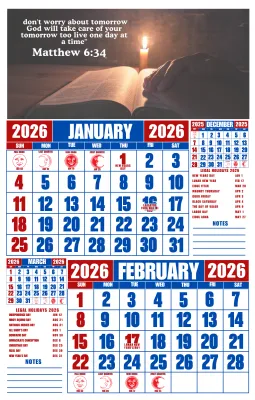
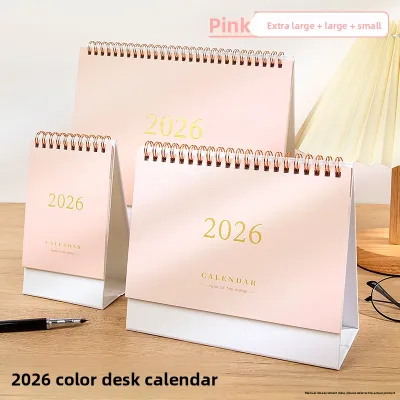
Prices are valid at publication and may change. Please refer to the product page for the latest price.
Next, look at your physical environment and measure your available space. A massive wall calendar might overwhelm a compact room, whereas a tiny desk calendar might get buried under daily paperwork. Consider the surface area of your desk and the structural integrity of your walls before making a purchase. Choosing a size that fits your space prevents visual clutter and ensures the calendar remains a functional tool rather than an obstacle.
Finally, consider who needs access to this information. A personal schedule containing private work tasks or confidential appointments belongs in a secure, personal planner. However, household schedules—such as tracking water delivery days, family birthdays, and utility bill deadlines—benefit from a highly visible, shared format. Identifying whether your planning is strictly individual or collaborative will instantly narrow down your options.
Wall Calendars: Big-Picture Tracking for Shared Spaces
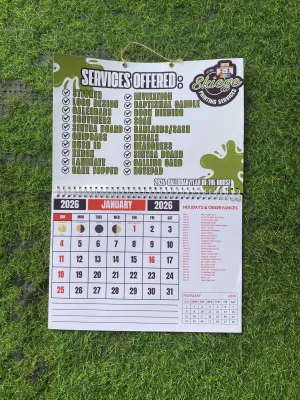
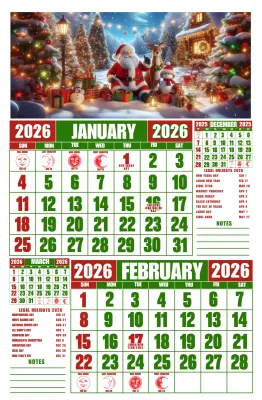
Wall calendars serve as the visual anchor of a shared space. They are designed for macro-level scheduling, allowing multiple people to see the entire month’s commitments in a single glance. This format is incredibly effective for coordinating household chores, tracking school holidays, or keeping a team aligned on major project deadlines. It acts as a passive reminder, keeping everyone on the same page without requiring anyone to open an app or a book.

When choosing a wall calendar, pay close attention to mounting requirements and wall integrity. In humid environments, standard adhesive strips or double-sided tape can lose their grip on painted concrete walls, causing the calendar to fall. Opt for sturdy mounting hardware, or choose lightweight designs that do not put excessive strain on your walls. Additionally, place the calendar in a high-traffic area with good natural or overhead lighting so that family members can easily read and update it.
The primary limitation of a wall calendar is its lack of portability and detail. The individual date boxes are typically small, leaving room for only a brief note or a single name. If you need to map out hourly meetings or write down detailed daily to-do lists, a wall calendar will quickly run out of space and become illegible. It is a tool for milestones, not minutiae.
Desk Calendars: Quick Reference for Fixed Workstations
A desk calendar is the ultimate companion for a fixed workstation. It sits directly in your line of sight, providing a frictionless way to check dates, count weeks, or jot down immediate tasks while you are on a phone call or typing on your computer. It acts as a physical buffer between you and your digital screen, helping you stay grounded in your daily timeline without needing to toggle between browser tabs.
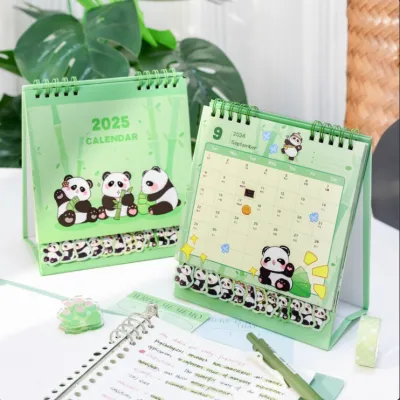
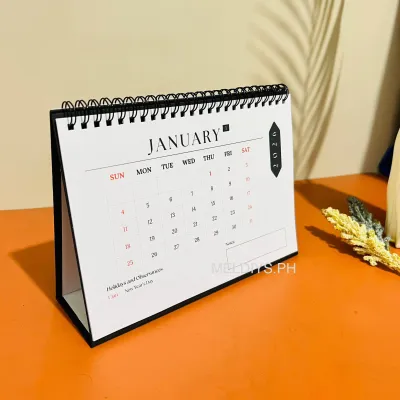
When selecting a desk calendar, you must balance its physical footprint with your available desk real estate. Large desk blotters double as writing surfaces and protect your desk from scratches, but they require a large, clear area to be useful. If your desk is already crowded with a monitor, keyboard, and mouse, a compact tent-style desk calendar is a much better fit, offering a small footprint while still keeping the month visible.
However, desk calendars share the same portability limitations as wall calendars. They are bound to your desk, meaning you cannot take them to meetings or refer to them while running errands. They are also less private; anyone walking past your desk can easily see your schedule, which may not be ideal if you handle sensitive information or prefer to keep your personal goals private.
Planners: Detailed Scheduling for Mobile and Personal Use
For those who require granular time management and complete portability, a bound planner is the gold standard. Planners allow you to carry your entire schedule, task lists, and personal reflections wherever you go. They are highly personal tools that keep your private appointments secure from prying eyes, making them ideal for professionals, students, and anyone with a highly dynamic schedule.
Planners come in a wide variety of layouts, and choosing the right one depends on your writing volume. Daily layouts dedicate a full page to each day, providing ample space for hourly scheduling, detailed task lists, and journaling. Weekly layouts show the entire week across a two-page spread, which is ideal for balancing weekly goals and appointments. Monthly layouts are much thinner and lighter, focusing purely on high-level dates and brief notes.
The main trade-off with a planner is the commitment it requires. Unlike a wall calendar that sits open on display, a planner must be actively opened, carried, and updated daily. If you do not establish a habit of checking it, it quickly becomes an expensive paperweight. Additionally, thick, high-quality planners can add noticeable weight and bulk to your daily bag, which is an important consideration if you commute regularly.
Decision Guide: Matching Your Profile to a 2026 Format
To finalize your decision, match your daily routine to these clear profiles:
- Choose a wall calendar if you need to coordinate schedules for two or more people, have open wall space, and do not need to take your schedule on the go.
- Choose a desk calendar if you work primarily at a fixed desk, prefer a hands-free visual reference, and want to keep your workspace organized.
- Choose a planner if you are highly mobile, need to schedule tasks by the hour, value privacy, and enjoy the tactile experience of writing.
For many, a hybrid system is the most practical solution. You can hang a simple wall calendar in the kitchen to track family events and bill payments, while keeping a personal planner in your bag for work tasks and private appointments. This keeps your personal and shared lives organized without overlapping or causing confusion.
Budget is another key factor to consider before checkout. Basic wall and desk calendars with standard wire-O binding are highly accessible, often priced between ₱150 and ₱350. Standard planners are similarly affordable, while premium planners featuring thick, bleed-resistant paper, thread-bound lay-flat binding, and vegan leather covers can range from ₱800 to over ₱2,500. Assess how much you will use the tool daily to determine if investing in premium materials is worth the cost.
Frequently Asked Questions (FAQ)
Can I use a wall calendar and a planner together?
Yes, combining these formats is an excellent way to manage different areas of your life. The key is to establish a clear division of labor. Use the wall calendar for macro-level, shared events that affect the whole household, and use your planner for micro-level, personal tasks and hourly work schedules. To avoid duplicate entry fatigue, only copy essential milestones—like vacation dates or major deadlines—between the two systems, and set a specific time each week to sync them.
What paper weight should I look for to prevent ink bleeding?
When shopping for a calendar or planner, check the product specifications for the paper weight, which is measured in GSM (grams per square meter). For standard ballpoint pens, a paper weight of 80 GSM is usually sufficient. However, if you prefer using gel pens, rollerballs, or fountain pens, look for paper that is 100 GSM to 120 GSM or higher to prevent ink from bleeding through to the other side. Since ink performance depends on the specific combination of paper and pen, always perform a small trial on an inconspicuous back page to check for feathering or ghosting before writing on your main calendar pages.
Community discussion
Share your experience or ask a question. Comments are reviewed before publication.