
Selecting the most practical physical format for your calendars for 2026 depends entirely on where you spend your time, who needs to see your schedule, and how much detail you need to track. Rather than defaulting to a popular style, matching your calendar format—wall, desk, or pocket—to your specific daily routines ensures you actually use it. In tropical climates where high humidity can affect paper quality and ink drying times, or in busy urban environments where daily commutes demand portability, the physical construction of your planner is just as important as its layout. This guide breaks down the core decision factors for each format to help you build a reliable planning system for the year.
Assessing Your Daily Movement and Visibility Needs
Before purchasing any calendar for the upcoming year, you must analyze how you physically move through your day. A stationary professional who works from a dedicated desk has organizational needs that differ vastly from a field representative, a hybrid worker, or a student moving between classrooms. If your planner remains on a desk, weight and size are secondary to writing space; if it travels in a bag, every extra gram matters.
Visibility is the next critical factor to evaluate. Ask yourself whether your schedule is a solo endeavor or a collaborative family map. A household managing school pick-ups, utility bill deadlines, and shared chores requires a highly visible, centralized format that anyone can read at a glance. Conversely, personal reflection journals, confidential client meetings, and private daily tasks require a closed format that keeps your information secure from casual observers.
Products mentioned in this guide
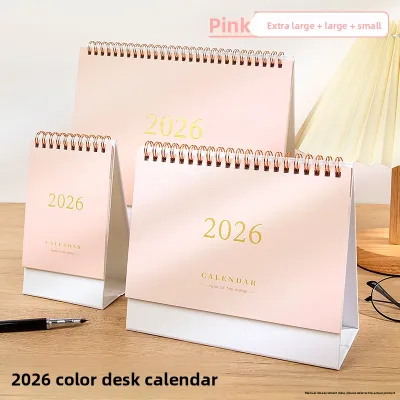
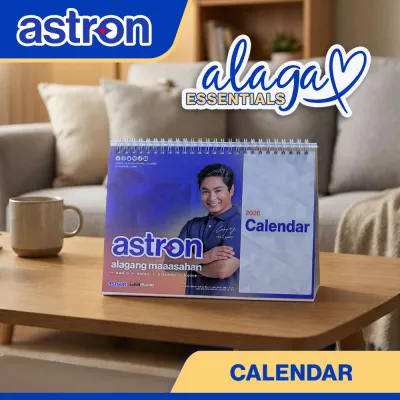
Prices are valid at publication and may change. Please refer to the product page for the latest price.
Finally, clarify your planning horizon. Some routines only require high-level monthly milestones, such as project deadlines or exam dates. Other routines demand granular, hour-by-hour time blocking to prevent scheduling conflicts. Identifying whether you need a broad bird’s-eye view or a detailed micro-level breakdown will immediately narrow down your format options.
Wall Calendars for Shared Spaces and Monthly Overviews
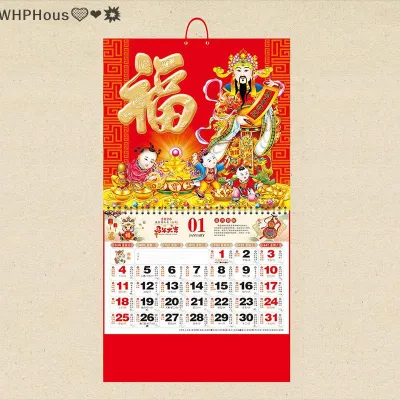
Wall calendars serve as the visual anchor of a shared space. They are most practical in high-traffic areas like kitchens, family command centers, or communal office walls where multiple people need to stay aligned. By placing a wall calendar in a central location, you create a passive information hub that family members or team members can consult without needing to open an app or ask for updates.

The primary benefit of this format is its immediate, hands-free visibility. It keeps major events, holidays, and deadlines top-of-mind, acting as a constant visual reminder. Because it hangs on a wall, it preserves valuable desk and counter space, making it an excellent choice for compact living areas or minimalist workspaces.
However, wall calendars have distinct limitations. They offer zero privacy, meaning anyone walking past can read your schedule. The writing grids are typically small, limiting you to short phrases rather than detailed task lists. Additionally, because the calendar is fixed to a single wall, you cannot reference or update it when you are away from home or the office, making it unsuitable as a sole planning tool for highly mobile routines.
Desk Planners for Focused Work and Daily Tracking
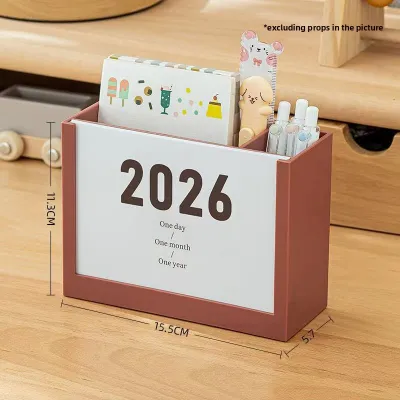
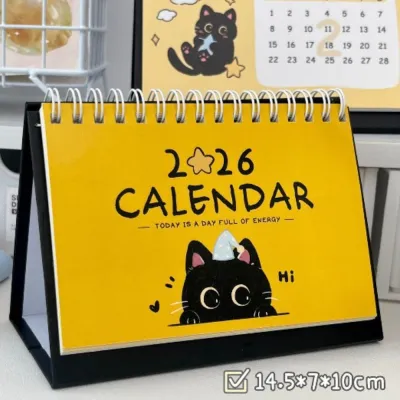
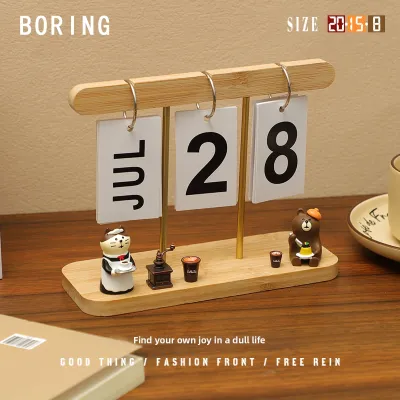
Desk planners are designed for deep, focused work environments where you spend the majority of your day seated at a desk. Whether you are a remote worker, a corporate professional, or a student with a dedicated study station, a desk planner sits open beside your keyboard, serving as an active workspace.
This format excels at detailed daily tracking. With generous page sizes—typically ranging from A5 to A4 or desk pad dimensions—desk planners provide ample room for hourly scheduling, extensive to-do lists, and daily notes. Having your schedule open in your line of sight helps you maintain focus, reduce digital distractions, and quickly cross off tasks as you complete them.
The trade-off for this writing space is physical bulk. Desk planners are heavy, consume significant desk real estate, and are cumbersome to transport. If you frequently hot-desk or work from coffee shops, carrying a large desk planner can quickly become a physical burden. Furthermore, because they remain open on your desk, they can easily collect clutter or become damaged by accidental coffee spills if not managed carefully.
Pocket and Portable Planners for On-the-Go Schedules
For those who are constantly on the move, pocket and portable planners offer unmatched convenience. This format is ideal for field workers, frequent travelers, daily commuters, and students who need to check their schedules while walking between locations or riding transit.
The core benefit of a pocket planner is its absolute portability and privacy. Easily slipping into a small bag, a jacket pocket, or a pouch, it ensures you always have your schedule within reach. It also keeps your personal plans private, as it remains closed and tucked away until you choose to open it.
The obvious limitation is the restricted writing area. You must write small and use concise abbreviations, which makes detailed time-blocking or long-form journaling nearly impossible. Pocket planners also require a high level of discipline; because they are tucked away, you must form a conscious habit of pulling them out to update them, and their small size makes them easier to misplace compared to a large desk pad or a wall calendar.
Combining Formats for Complex Daily Routines
If your daily routine spans both a busy household and a demanding mobile job, a single calendar format may not suffice. Many successful planners use a “Hub and Spoke” system to manage this complexity. In this setup, a large wall calendar acts as the central hub for shared family events, while a portable pocket planner or a digital calendar serves as the individual spoke for personal daily execution.
When integrating physical planners with digital tools, clear boundaries are essential. You might use a digital calendar for automated alerts, recurring meetings, and shared work invites, while keeping a physical desk planner for daily task prioritization and deep-work focus. This hybrid approach leverages the strengths of both mediums—digital for coordination and physical for cognitive retention and focus.
However, you must guard against over-complication. Adding too many formats creates redundancy, increases the time spent copying information from one place to another, and inevitably leads to missed updates. As a rule of thumb, ensure that every format you use serves a distinct, non-overlapping purpose, and limit yourself to a maximum of two physical planning tools.
Essential Specs to Verify Before Purchasing
Before purchasing your calendars for 2026, you must verify several physical specifications to ensure they survive a full year of daily use. Whether you are investing ₱300 or ₱1,500 in a premium planner, checking these details prevents buyer’s remorse. First, measure your physical space. For a desk planner, ensure its footprint does not crowd your mouse or keyboard; for a wall calendar, verify that you have a suitable wall hook or magnetic surface that can support its weight.
Paper quality is critical, especially in humid tropical climates where thin paper can absorb moisture from the air, leading to warping, ink feathering, or severe bleed-through. Look for manufacturers that specify paper weight in grams per square meter (GSM). For standard ballpoint pens, 80 GSM is usually sufficient, but if you prefer gel pens, rollerballs, or fountain pens, aim for 100 GSM to 120 GSM to ensure a smooth writing experience without ink seeping through to the next page.
Finally, examine the binding construction. If you want a desk planner that stays open completely flat on its own, look for thread-bound (lay-flat) or twin-ring wire bindings. Avoid tight glue bindings that force you to hold the pages down with one hand while writing with the other. For wall calendars, ensure the hanging hole is reinforced with a metal grommet or a sturdy spiral wire to prevent the pages from tearing off the wall over time.
Frequently Asked Questions (FAQ)
How to Check if a Planner's Paper Works With Your Preferred Pens
To verify paper compatibility without relying on vague marketing claims, look for the manufacturer’s stated paper weight, aiming for at least 100 GSM if you use wet inks like gel or fountain pens. Since paper coatings and ink formulas vary widely, always perform a quick pen test on the very last pages of the planner—such as the blank notes or memo section—before writing on your main calendar pages. This allows you to observe how the paper handles your specific pen tip, drying speed, and potential bleed-through in your local environment.
Can I use a desk planner if I work from multiple locations?
Using a traditional desk planner in a hybrid work routine is possible, but it requires careful consideration of size and weight. If you commute frequently, a large A4 desk planner will add unnecessary bulk to your bag; instead, consider downsizing to an A5 or B6 size, which offers a practical balance of writing space and portability. Alternatively, you can leave a stationary desk pad at your primary workspace and carry a slim, lightweight pocket planner to log appointments while you are in transit.
Community discussion
Share your experience or ask a question. Comments are reviewed before publication.