
Choosing the right markers set depends entirely on your paper type, desired blending style, and creative goals. There is no single superior option; instead, each formulation serves a distinct purpose in your creative toolkit.
Water-based marker sets are the go-to choice for bullet journaling, planner organization, modern calligraphy, and children’s crafts. Because their ink does not easily bleed through standard notebook paper (typically 80gsm to 100gsm), they keep your pages clean and readable. They are also virtually odorless and highly portable, making them safe and convenient for everyday use.
Alcohol-based marker sets are indispensable for professional illustration, manga drawing, product rendering, and fine art. Their fast-drying solvent allows you to create seamless color gradients, streak-free coloring, and realistic skin tones. However, they require thick, specialized, bleed-proof paper to prevent the ink from spreading uncontrollably and soaking through to the pages underneath.
Products mentioned in this guide
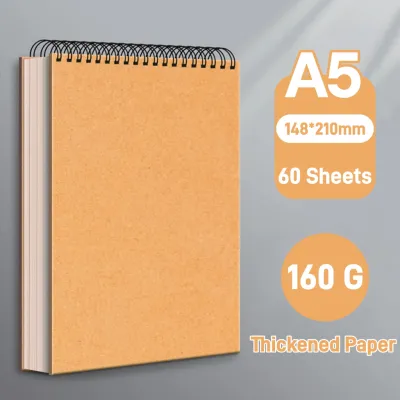
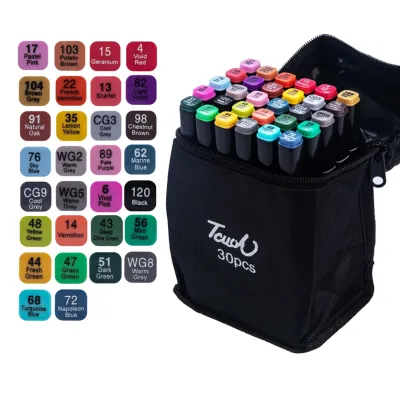
Prices are valid at publication and may change. Please refer to the product page for the latest price.
Core Differences in Ink, Blending, and Performance
To make an informed purchase, it is essential to understand how these two ink formulations behave on a structural level. The solvent used to carry the color pigment or dye dictates how the ink dries, blends, and interacts with paper fibers.
Ink Base and Drying Time
Water-based markers utilize water or a mixture of water and glycerin as the primary solvent to carry their colorants. When applied to paper, the water must evaporate naturally for the ink to dry. In warm, humid climates like the Philippines, this evaporation process can take slightly longer, requiring a few extra seconds of patience to avoid smudging. Conversely, alcohol-based markers use an alcohol solvent that evaporates almost instantly upon contact with the air. This rapid drying speed prevents the ink from pooling on the surface, allowing you to layer colors quickly without waiting.
Blending and Layering Capabilities
The ability to blend colors smoothly is where these two types diverge most dramatically. Alcohol-based inks are highly soluble in their own solvent, meaning you can reactivate dry ink on the paper by coloring over it with a lighter shade or a colorless blender. This allows you to create soft, photorealistic transitions and seamless gradients without visible lines. Water-based inks, however, do not blend as easily once dry. Attempting to layer water-based ink repeatedly on the same spot introduces excessive moisture to the paper, weakening the cellulose fibers. This often results in paper pilling, where the surface of the paper tears and rolls into small, unsightly clumps.
Opacity, Vibrancy, and Streak Resistance
Alcohol markers are famous for producing flat, streak-free color coverage. Because the ink flows quickly and saturates the paper fibers evenly, individual brush strokes melt together into a solid block of vibrant color. Water-based markers tend to leave visible overlap lines or “tracks” where the brush strokes meet. While this can add a rustic, watercolor-like charm to illustrations, it makes achieving a perfectly flat, printed-look background challenging. Water-based inks also tend to be more translucent, allowing the texture of the paper or underlying sketch lines to show through clearly.
Odor and Ventilation Requirements
The chemical composition of alcohol markers means they carry a distinct, sharp solvent smell. Working with large sets of alcohol markers in a small, enclosed room can quickly become overwhelming, making proper air circulation or an open window essential. Water-based markers are virtually odorless, making them much more comfortable for prolonged use in classrooms, offices, or small bedrooms without dedicated ventilation systems.
Tip Types and Durability
The physical construction of the marker tips, or nibs, also varies between the two types. Alcohol markers frequently feature high-grade, replaceable dual nibs—typically a broad chisel tip on one end for covering large areas and a flexible brush or fine bullet tip on the other. Water-based markers often utilize molded fiber or nylon brush tips. Nylon brush tips are highly resilient and excellent for calligraphy, but rough paper can cause them to fray over time. Because many alcohol markers are designed for professional use, manufacturers often sell replacement nibs, whereas water-based markers are typically discarded once the tip is damaged or worn down.
Refillability and Lifespan
When purchasing a markers set, long-term maintenance is an important consideration. Many professional-grade alcohol marker brands offer refill ink bottles, allowing you to top up your markers multiple times. This makes them a more sustainable, long-term investment despite the higher initial cost. Water-based markers, with a few exceptions in the high-end brush pen category, are generally disposable. Once the water-based ink reservoir runs dry, the entire marker must be replaced.
| Feature | Water-Based Markers | Alcohol-Based Markers |
|---|---|---|
| Ink Base | Water / Glycerin | Alcohol Solvent |
| Drying Speed | Slower (affected by humidity) | Rapid / Near-Instant |
| Blending Capability | Limited (risks paper pilling) | Excellent (seamless gradients) |
| Bleed-Through Risk | Low on standard paper | High (requires bleed-proof paper) |
| Odor | Odorless / Minimal | Strong solvent scent |
| Ideal Paper Type | Cardstock, watercolor, mixed media | Marker paper, heavy bleed-proof paper |
When to Choose Water-Based Marker Sets
Water-based marker sets are incredibly versatile, offering clean, user-friendly performance for projects where paper preservation and ease of use are paramount.

Journaling, Planners, and Scrapbooking
If your primary creative outlet is bullet journaling, keeping a daily planner, or scrapbooking, water-based markers are the ideal choice. Most high-quality notebooks feature paper weights between 80gsm and 120gsm. Alcohol markers will instantly bleed through these pages, ruining the reverse side and potentially staining the sheets beneath. Water-based ink sits gently on top of the paper, allowing you to color, write, and draw headers without ghosting or bleeding through to the next day’s entry.
Calligraphy and Hand Lettering
For modern calligraphy, water-based brush markers are the industry standard. The water solvent allows manufacturers to create highly flexible, resilient nylon brush tips that bounce back after every stroke. You can easily achieve dramatic line variation—thin, delicate upstrokes and thick, bold downstrokes—by varying your hand pressure. Because the ink does not spread rapidly through capillary action, your lettering edges remain crisp, sharp, and highly defined.
Kids and Classroom Activities
Safety and cleanup are major considerations for school projects and children’s crafts. Water-based formulas are generally non-toxic and wash off skin, clothing, and desks with simple soap and water. They do not emit strong fumes, making them perfectly safe for young children to use in groups. Additionally, their slower drying time allows kids to experiment with watercolor effects by using a damp paintbrush to spread the marker ink across the page.
Limitations to Keep in Mind
While water-based markers are excellent for line art and light coloring, they are not suited for heavy, multi-layered illustrations. Overworking a single area will quickly warp or tear standard paper. If you want to create realistic portraits with smooth skin tones, complex shadow gradients, or high-fidelity character designs, the limitations of water-based blending will likely cause frustration.
When to Choose Alcohol-Based Marker Sets
For artists and designers who require flawless color transitions and professional-grade rendering, an alcohol-based markers set is an essential investment.
Professional Illustration, Manga, and Comic Art
Alcohol markers are the undisputed standard for comic book artists, manga illustrators, and character designers. The rapid evaporation of the alcohol solvent allows you to lay down large areas of flat color without any streak lines, mimicking the clean look of digital art. You can build up rich shadows, transition from deep hues to soft highlights, and blend skin tones with absolute precision, giving your hand-drawn illustrations a polished, professional finish.
Design Sketching and Architectural Rendering
In fields like fashion design, industrial product design, and architecture, presenting clean, three-dimensional sketches quickly is crucial. Alcohol markers allow designers to layer colors rapidly to represent light, shadow, and material textures like wood, metal, or glass. Because the ink dries almost instantly, designers can work at a fast pace without worrying about smearing their linework or waiting minutes for a section to dry before adding details.
Advanced Blending Techniques
An alcohol markers set unlocks a wide range of advanced artistic techniques. By using a colorless blender marker—which contains pure alcohol solvent without pigment—you can push ink around on the paper, fade colors out to pure white, or correct minor coloring mistakes. Techniques like “flicking” (using quick, light strokes to feather colors together) and “stippling” (creating texture with tiny dots of varying shades) are highly effective with alcohol-based inks.
Limitations and Costs to Consider
The impressive performance of alcohol markers comes with a few trade-offs. They are significantly more expensive than water-based alternatives, with entry-level sets starting around ₱500 and professional sets costing several thousand pesos. They also consume ink much faster, meaning you will eventually need to purchase refill inks or replacement markers. Furthermore, their high bleed-through rate means you cannot use them on standard notebook paper without ruining adjacent pages, forcing you to invest in specialized, heavy-weight paper.
Paper Compatibility and Managing Bleed-Through
The performance of any markers set is heavily dependent on the paper you pair it with. Understanding how different paper types react to water and alcohol solvents will save you from ruined artwork and stained desks.
Water-Based Markers on Paper
Water-based markers perform beautifully on a wide variety of standard papers, including standard copy paper, cardstock, sketchbooks, and mixed-media pads. However, because water softens cellulose fibers, you must monitor the paper’s reaction. If you notice the surface starting to look fuzzy or small paper crumbs forming, stop coloring in that area immediately. Allow the paper to dry completely before applying another light layer. For heavy coloring or watercolor-style blending, opt for mixed-media or watercolor paper (at least 200gsm to 300gsm) that is specifically designed to handle wet media.
Alcohol-Based Markers and Bleed-Through
Alcohol markers will bleed through almost all standard paper types, including heavy cardstock and standard sketchbook pages. To prevent this, you must use specialized marker paper or bleed-proof pads. Marker paper is typically coated on the back with a thin, impermeable barrier that prevents the alcohol solvent from soaking through, while keeping the ink wet on the surface slightly longer to facilitate smooth blending. If you must use alcohol markers in a standard sketchbook, always place a thick, protective plastic sheet or several sheets of scrap cardboard directly beneath your working page to protect the rest of your book and your desk surface.
Non-Porous Surfaces and Versatility
Because alcohol is a highly effective solvent, alcohol markers can adhere to a variety of non-porous surfaces that water-based inks cannot grip. You can use alcohol markers to color on plastics, glass, metal, glossy photo paper, and shrink plastic. Once dry, the ink is relatively water-resistant, though it can be wiped away with rubbing alcohol. Water-based markers, on the other hand, require a porous surface to absorb the water. If you apply water-based ink to plastic or glass, it will pool into droplets and easily wipe off with a dry cloth or finger even after hours of drying.
Storage and Maintenance
To prolong the life of your markers set, proper storage is essential. Alcohol markers must always be stored horizontally. Because they are dual-tipped, horizontal storage ensures that the ink is distributed evenly to both ends. Storing them vertically will cause gravity to pull the ink to one side, leaving one tip dry and the other oversaturated and prone to leaking. Water-based markers are generally more forgiving, but horizontal storage is still recommended, especially in warm, air-conditioned rooms where temperature fluctuations can cause air pressure changes inside the marker barrel. Always ensure the caps are clicked tightly shut after every use to prevent evaporation.
Verification Step
Before starting any major project, always check the manufacturer’s packaging for specific surface compatibility. Perform a quick, simple test on a hidden corner or a scrap piece of your intended material. Apply a small stroke of ink, wait for it to dry, and check for bleed-through, feathering (where the ink spreads sideways along the paper fibers), and surface damage to ensure the combination is safe and effective.
Decision Framework: Which Markers Set Should You Buy?
To help you make the final decision, use this structured framework based on your specific creative needs, budget, and working environment.
Choose a Water-Based Markers Set If:
- You are a beginner or hobbyist: If you are just starting your creative journey or enjoy casual coloring, water-based sets offer an affordable, low-pressure entry point.
- Your primary focus is journaling: If you work inside planners, bullet journals, or standard notebooks, water-based ink keeps your pages clean and double-sided.
- You are buying for children or students: For school projects, classroom settings, or young artists, the non-toxic, odorless, and washable properties are essential.
- You work in confined spaces: If your creative desk is in a small bedroom or an unventilated corner, water-based markers provide a comfortable, fume-free environment.
- Your budget is modest: High-quality water-based sets are highly economical, often starting at around ₱150 to ₱400 for a generous range of colors.
Choose an Alcohol-Based Markers Set If:
- You are an illustrator, designer, or art student: If your work requires professional-grade rendering, smooth character coloring, or architectural sketches, alcohol markers are a necessity.
- You demand seamless blending: If you want to create flawless gradients, realistic skin tones, and rich, streak-free color fields.
- You have a dedicated workspace: If you can work near an open window, on a balcony, or in a well-ventilated room to easily disperse the solvent fumes.
- You have the budget for accessories: You are willing to invest not just in the markers themselves, but also in specialized bleed-proof marker paper and replacement refills.
Verify First If:
- You are working on mixed media: If you plan to combine markers with colored pencils, watercolors, or fine-liners, check the compatibility of your materials first.
- You need lightfastness: If your artwork will be framed and exposed to sunlight, verify if the marker set uses lightfast pigments rather than dye-based inks, as dyes will fade over time.
Final Advice
It is worth noting that many experienced artists do not limit themselves to just one type. A common and highly effective workflow is to use water-based fine-liners or brush pens for precise line art, outlines, and structural details, and then use alcohol-based markers to fill in the large areas with smooth, rich color. By understanding the unique strengths of both systems, you can select the perfect tool for your specific creative vision.
Frequently Asked Questions (FAQ)
Can you use alcohol markers on regular printer paper?
While you can physically write on printer paper, alcohol markers will heavily bleed through standard 70gsm or 80gsm copy paper. The ink will also feather outward, making crisp lines difficult to maintain. Always place a protective backing sheet underneath to protect your desk surface.
Are water-based markers safe for young children?
Yes, the vast majority of water-based marker sets are specifically formulated to be non-toxic, acid-free, and easily washable from skin and fabrics. Always verify this by checking the product packaging for safety certifications, such as the AP (Approved Product) seal, before purchasing.
Can you mix water-based and alcohol-based markers in the same artwork?
You can combine them, but you must be careful with the layering order. Applying alcohol-based markers directly over wet water-based ink can smudge the lines and ruin your marker tips. For the best results, use water-based markers for your final fine outlines only after the underlying alcohol marker layers have dried completely.
Community discussion
Share your experience or ask a question. Comments are reviewed before publication.