
Choosing the right face paint can make or break your event, especially when balancing the comfort of your guests with the durability of the designs. The choice between water-based and oil-based face paint depends primarily on your event’s environment, the age of your participants, and how long the designs need to last. Water-based face paint is highly popular for its quick drying time, lightweight feel, and effortless cleanup with soap and water, making it the standard choice for children’s birthday parties and casual gatherings. On the other hand, oil-based face paint, often referred to as grease paint, offers unmatched resistance to sweat and moisture, making it indispensable for theatrical stage lighting, outdoor festivals, and long-duration performances where smudging is not an option.
To make the best decision for your upcoming gathering, you must look beyond the vibrant colors on the packaging and evaluate how each formulation interacts with skin, climate, and application tools. In warm, tropical climates where humidity and perspiration are constant challenges, selecting the wrong base can lead to melting designs or clogged pores. Understanding the physical properties of these two distinct mediums ensures that your artistic creations remain intact, vibrant, and safe from the moment of application until the final cleanup.
Understanding the Core Differences in Formulation
At the heart of the comparison lies the chemical carrier that holds the pigment. Water-based face paints, also known as water-activated paints, typically arrive in solid, dry cakes or semi-moist pans. These formulas remain completely inactive until you introduce water via a damp brush or sponge. Once activated, the paint behaves similarly to watercolors or gouache, allowing for smooth blending and precise linework. Because water is the primary evaporating agent, these paints dry quickly on the skin, leaving a flexible, matte finish that moves naturally with facial expressions.
Products mentioned in this guide

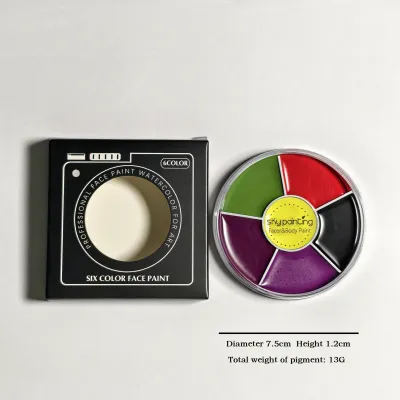
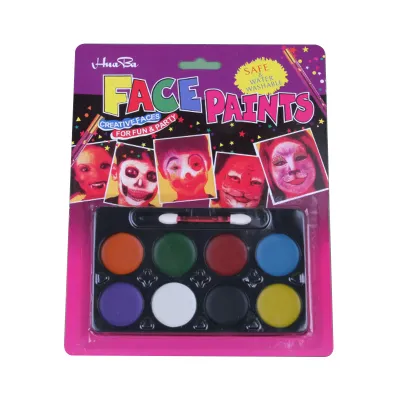
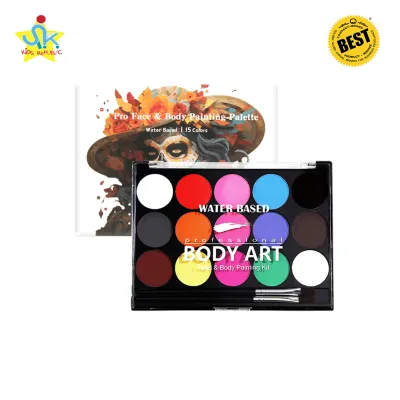
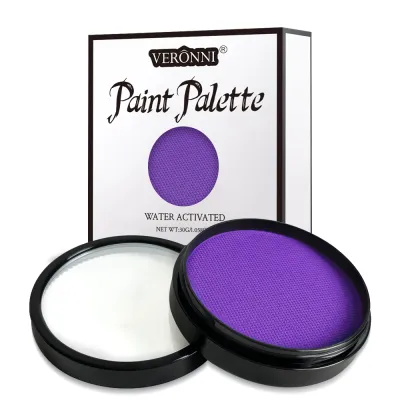
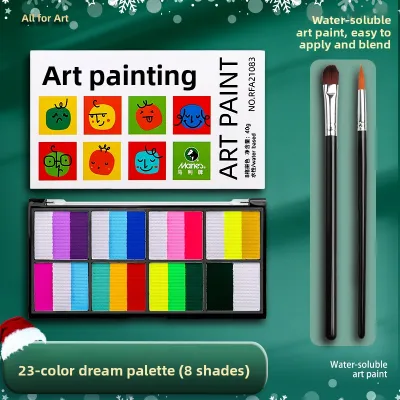
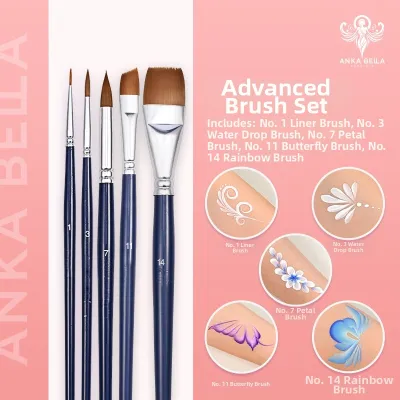
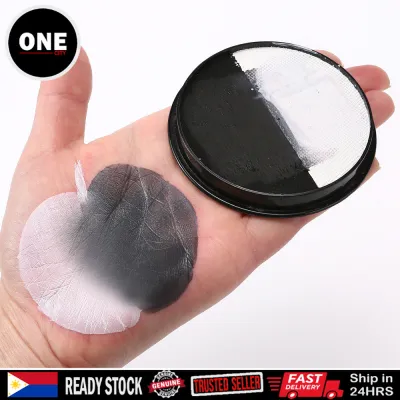
Prices are valid at publication and may change. Please refer to the product page for the latest price.
In contrast, oil-based face paints are formulated with a base of oils, waxes, or petrolatum, giving them a thick, creamy, and moist consistency right out of the container. They do not require water for activation and are ready to apply immediately. Because oil does not evaporate like water, these paints do not “dry” in the traditional sense; instead, they remain emollient and pliable on the skin until they are set with an external powder. This fundamental difference in physical state dictates how the paints feel on the face, how they react to environmental moisture, and how they must be handled during both application and removal.
When shopping for face paints, always inspect the product labels carefully to identify the base ingredients. Look for terms like “water-activated,” “glycerin-based,” or “wax-based” versus “greasepaint” or “oil-based.” Additionally, ensure the product is explicitly designated as cosmetic-grade, meaning the pigments and binders are approved for use on human skin. This distinction is crucial, as standard acrylics or tempera paints can cause severe skin reactions and are never safe substitutes for proper cosmetic formulations.
Key Comparison Dimensions for Event Planning
When planning an event, durability under local environmental conditions is often the most critical factor. In hot and humid settings, such as an outdoor afternoon party in the Philippines, water-based face paint is highly susceptible to reactivation. If a child perspires or gets splashed with water, the dry paint layer can quickly dissolve, leading to running colors and ruined designs. Oil-based face paint excels in these exact conditions. Because oil repels water, grease-based formulas resist sweat, high humidity, and light rain, keeping the design sharp and vibrant throughout a long, active day.

Pigmentation, texture, and layering capabilities also differ significantly between the two types. Water-based paints allow for incredibly fine linework and detailed detailing because the artist can control the paint’s viscosity by adjusting the water ratio. However, layering water-based paint requires a delicate touch; applying a wet layer over an already dry one can reactivate the base layer, causing the colors to muddy. Oil-based paints offer exceptionally rich, opaque coverage that easily hides the natural skin tone beneath. They are highly blendable on the skin, allowing for seamless gradients, though achieving crisp, ultra-fine lines can be more challenging due to the heavier, creamier texture.
The ease of cleanup is another major consideration, particularly when managing large groups of children or tired performers at the end of a long day. Water-based face paint is incredibly user-friendly in this regard, typically washing away completely with mild soap, warm water, and a washcloth. This makes it highly convenient for parents and event organizers who want a hassle-free cleanup process. Oil-based face paint, however, requires a dedicated makeup remover, cold cream, baby oil, or a mild cosmetic oil to break down the wax and oil binders. Attempting to wash off oil-based paint with water alone will only smear the pigment across the skin, making the removal process tedious without the correct cleansing agents.
Skin Type and Safety Considerations
Skin compatibility is a paramount safety concern when applying any product to the face, especially for sensitive skin types and young children. Water-based formulas are generally lighter and more breathable, making them less likely to clog pores or trigger breakouts. Many water-based paints are formulated with glycerin or paraffin wax, which glide smoothly over dry skin without causing excessive dryness. However, because they dry to a matte finish, they can sometimes feel slightly tight on extremely dry skin types if applied in thick layers.
Oil-based face paints, due to their heavy and occlusive nature, can trap sweat and sebum beneath the surface of the skin. This makes them less suitable for individuals prone to acne or oily skin, as prolonged wear can lead to irritation or blemishes. For children, whose skin is thinner and more sensitive than adult skin, the heavy texture of grease paint combined with the friction required to remove it can cause redness and discomfort. Regardless of the paint type you choose, always perform a patch test on a small, discreet area of skin, such as the inner wrist or elbow, at least twenty-four hours before the event to check for any adverse allergic reactions.
To guarantee safety, verify that the face paint complies with local cosmetic safety regulations and carries clear cosmetic-grade labeling. Avoid any products that do not list their ingredients or those sold as general craft supplies rather than cosmetics. If a user experiences any itching, burning, redness, or swelling during or after application, establish a clear stop condition: immediately remove the paint using the appropriate cleanser, wash the area with clean water, and consult a medical professional if the irritation persists. Never apply face paint over open wounds, sunburns, or active skin rashes.
Application and Tool Compatibility
The tools you use must match the physical properties of your chosen face paint to achieve professional results and protect your equipment. For water-based face paints, high-density synthetic sponges and synthetic brushes are the industry standard. Synthetic bristles are preferred over natural hair because they hold their shape better when wet and do not absorb excessive water. When using water-based paints, mastering water control is essential; your sponge or brush should be damp, not dripping wet. Too much water will cause the paint to run, bubble, or translucent, while too little water will result in a streaky, uneven application.
For oil-based face paints, you will need stiffer synthetic brushes or dense foam sponges that can handle the thick, heavy consistency of the cream. Because water cannot activate or clean these paints, using water-dampened tools will prevent the paint from adhering properly to the skin. A critical step in applying oil-based paint is the use of a translucent setting powder. Once the design is complete, you must gently pat a generous amount of setting powder over the paint using a powder puff, then brush away the excess. This process “locks” the oil in place, removing the shine and preventing the paint from transferring onto clothing or smudging when touched.
Proper tool maintenance is also highly dependent on the paint base. Sponges and brushes used with water-based paints can be easily cleaned with warm water and a mild brush soap or baby shampoo. For oil-based paints, tools must first be treated with a brush cleaner designed for oil makeup, or thoroughly washed with dish soap or a specialized makeup brush solvent to dissolve the oily residue. Failing to clean oil-based residue from your brushes can ruin the bristles, causing them to stiffen and lose their flexibility over time.
Decision Framework: Which Formula Fits Your Needs?
To select the ideal face paint for your specific scenario, evaluate your event against a few practical criteria. Water-based face paint is the clear choice if your event is a children’s birthday party, a school fair, or a short indoor gathering. Its rapid drying time means children do not have to sit still for long, and they are less likely to smudge the design immediately after leaving the artist’s chair. The effortless removal process ensures that parents will not struggle to clean their children’s faces before bedtime, making it a highly popular and considerate choice for family-focused events.
Conversely, you should opt for oil-based face paint if your event involves theatrical stage performances, cosplay conventions, outdoor festivals, or sporting events where participants will be active for many hours. If your performers will be under hot stage lights or exposed to the midday heat and humidity of the Philippines, the sweat-resistant properties of grease paint are absolutely necessary to maintain the integrity of the makeup. It is also the preferred medium for dramatic, full-face transformations that require deep, solid blocks of color without any skin showing through.
Before making your final purchase, always verify the specific conditions of your users and environment. If you are painting the faces of very young children or individuals with highly sensitive skin, prioritize water-based formulas for their breathability and gentle removal. If the event is held in an extreme environment—such as a high-heat, high-humidity outdoor venue—and durability is non-negotiable, choose oil-based paint but ensure you have the proper setting powders, barrier sprays, and oil-based removers on hand to manage the application and cleanup safely.
Frequently Asked Questions (FAQ)
Can I mix water-based and oil-based face paints?
No, you should avoid mixing water-based and oil-based face paints directly together. Because water and oil naturally repel each other, attempting to blend these two formulations on your palette or skin will result in separation, clumping, and an uneven, patchy texture. If you need to use both types in a single design, you can layer them by applying the water-based paint first, allowing it to dry completely, and then carefully applying the oil-based paint on top. However, for the most consistent results, predictable drying times, and hassle-free removal, it is highly recommended to stick to a single paint base throughout your entire design.
How do I prevent face paint from cracking or smudging?
Preventing face paint from cracking or smudging starts with proper skin preparation. Ensure the face is clean and free of heavy, oily moisturizers or sweat before you begin painting, as excess oils can prevent water-based paint from adhering or cause oil-based paint to slip. To prevent water-based paint from cracking, apply it in thin, even layers; thick coats lose their flexibility and will crack as the face moves. For oil-based paint, smudging is prevented by thoroughly setting the finished design with a compatible translucent setting powder or a professional cosmetic setting spray designed specifically for grease makeup.
Community discussion
Share your experience or ask a question. Comments are reviewed before publication.