
When choosing face paint for children, the decision between water-based and oil-based formulations comes down to balancing skin comfort, ease of application, and how much effort you want to spend on cleanup. For most casual events, birthday parties, and school activities, water-based face paint is the preferred choice because it is highly breathable, dries quickly, and washes off easily with plain water and mild soap. However, if you are preparing for an outdoor festival in hot, humid tropical weather where children will be running around and sweating, oil-based face paint offers the necessary water resistance to prevent the design from melting away. Understanding how these two formulations behave on young, sensitive skin will help you select the right product for your next creative project.
Formulation Basics and Skin Comfort
The core difference between these two types of face paint lies in their binder ingredients, which directly impact how the paint feels on a child’s face. Water-based face paints utilize water-soluble binders such as glycerin, dextrin, or acacia gum. These ingredients allow the paint to dry into a flexible, micro-porous layer that moves naturally with facial expressions. Because the dried paint remains breathable, it rarely triggers the heavy, suffocating sensation that can make young children scratch or rub their faces. This lightweight profile makes water-based options highly suitable for children with normal to slightly sensitive skin.
In contrast, oil-based face paints rely on hydrophobic binders like mineral oil, petrolatum, lanolin, or synthetic waxes. These ingredients create a thick, occlusive barrier over the skin surface. While this barrier is excellent for blocking moisture from the outside, it also traps sweat and sebum underneath. In warm, tropical climates, this trapped moisture can quickly lead to a greasy, uncomfortable feeling. Children who are sensitive to tactile sensations may find this heavy layer irritating, which often leads to premature smudging as they try to wipe it off.
Products mentioned in this guide


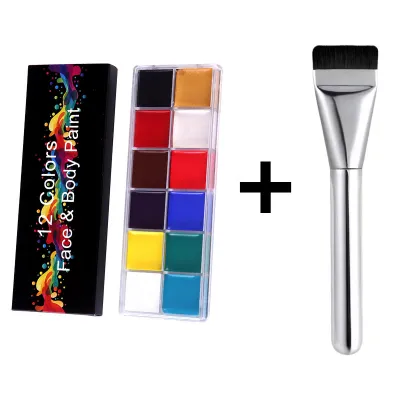

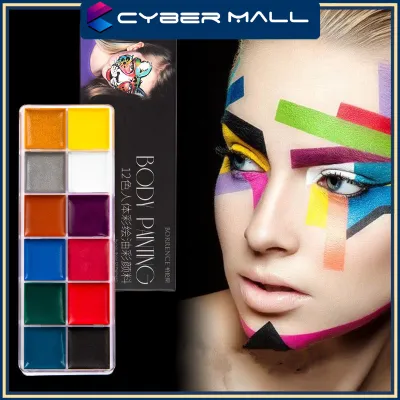
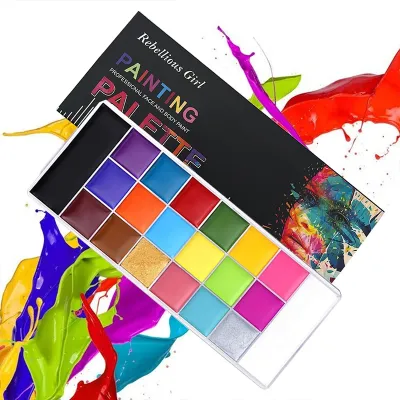
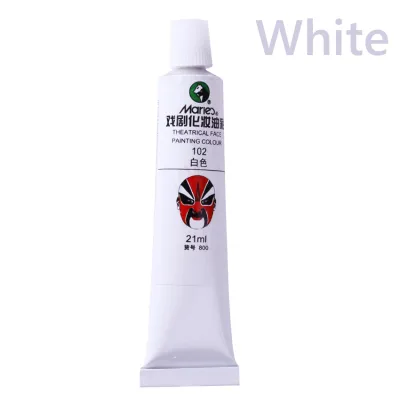
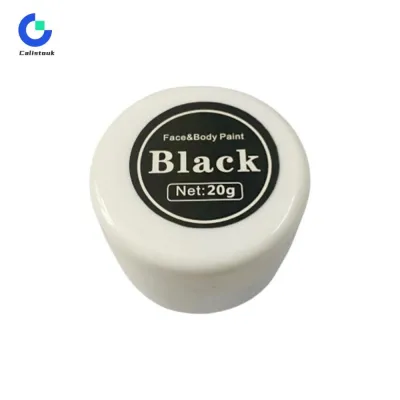
Prices are valid at publication and may change. Please refer to the product page for the latest price.
When shopping for either formulation, parents should carefully inspect product labels for specific skin-friendly indicators. Look for terms like “non-comedogenic,” which indicates the product is formulated not to clog pores, and check for soothing additives such as aloe vera, chamomile, or vitamin E. However, because children’s skin barriers are thinner and more reactive than those of adults, even the most premium ingredients can occasionally cause a reaction. Transparency in the ingredient list is your best tool for identifying potential irritants before the paint ever touches your child’s face.
Application, Blending, and Drying Time
The physical process of applying face paint to a moving child requires a formulation that matches your speed and skill level. Water-based face paints are typically sold as dry cakes that require water activation. To use them, you must lightly mist the cake or dip a damp brush or sponge into the paint to build a smooth, creamy consistency. Once applied, water-based paint dries rapidly, often within one to two minutes. This fast drying time is incredibly advantageous when working with impatient toddlers who cannot sit still for long periods, as it minimizes the risk of accidental smudging during the process.

However, this rapid drying speed presents a challenge when it comes to blending colors. Creating smooth gradients or soft shadows with water-based paint requires swift, precise brushwork before the paint sets. If you need to blend two colors on the skin, you must work while both are still damp, or use a slightly damp sponge to reactivate the edges. The tools required for this method are simple: a few high-quality synthetic brushes, a couple of high-density makeup sponges, and a clean cup of water for rinsing.
Oil-based face paints, often packaged as sticks, crayons, or creamy pots, do not require water activation. They can be applied directly to the skin or warmed slightly between clean fingers to make the wax binder more pliable. Because oil-based paint does not dry through evaporation, it remains wet and workable on the skin for hours. This extended working time allows for effortless blending, detailed shading, and rich, opaque color coverage that does not crack. The trade-off is that the paint remains highly vulnerable to smudging throughout the entire wear time unless it is set with a translucent cosmetic powder, which adds an extra step to your application routine.
Removal and Cleanup: The Deciding Factor for Parents
For many parents, the ease of cleanup at the end of a long day is the ultimate deciding factor when choosing a face paint. Water-based formulations are exceptionally easy to remove. Because the binders are water-soluble, the paint dissolves quickly when exposed to warm water and a mild baby soap or gentle facial cleanser. A soft washcloth is usually sufficient to wipe away the design without requiring vigorous scrubbing. While highly pigmented colors like deep blues, greens, or reds can occasionally leave a faint, temporary stain on fair skin, this residue typically washes away completely during the child’s next bath or with a swipe of gentle micellar water.
Oil-based face paint requires a completely different cleanup strategy. Because the formulation is hydrophobic, attempting to wash it off with water and standard soap will only smear the greasy pigment across the child’s face, potentially driving the color deeper into the pores. To break down the wax and oil binders, you must use an oil-based cleanser, makeup remover cream, cold cream, or baby oil. This process involves massaging the oil into the painted areas to dissolve the pigment, wiping it away with cotton pads, and then following up with a traditional soap-and-water wash to remove the greasy residue.
This multi-step removal process requires more physical contact and rubbing, which can easily irritate sensitive young skin and cause redness. Additionally, oil-based paint is much more difficult to clean if it accidentally gets onto clothing, hair, or furniture. While water-based paint spills can usually be treated with a quick rinse and a standard laundry cycle, oil-based stains require immediate pre-treatment with grease-cutting dish soap or specialized stain removers to prevent the oils from permanently bonding with the fabric fibers.
Safety Standards and Label Verification
Regardless of whether you choose a water-based or oil-based product, verifying the safety credentials of the face paint is the most critical step in protecting your child’s health. The skin on a child’s face is delicate and highly absorbent, making it vulnerable to harsh chemicals. Parents must look for products that are explicitly labeled as cosmetic-grade face paint. This label indicates that the pigments and binders used are approved for cosmetic use on human skin, distinguishing them from general craft supplies.
When examining the packaging, look for clear indications of compliance with recognized cosmetic safety standards. Safe products will clearly list all ingredients, allowing you to check for common allergens, synthetic fragrances, and parabens. Avoid products that use vague terms like “non-toxic” without providing a full ingredient list, as “non-toxic” is a broad term that does not guarantee a product is safe for prolonged skin contact. If a child has known skin sensitivities, look for formulations that are labeled fragrance-free and hypoallergenic.
Before applying any face paint to a child’s face, always perform a patch test. Apply a small, coin-sized patch of the paint to the inside of the child’s forearm or behind their ear and leave it on for 24 hours. Monitor the area closely for any signs of redness, swelling, itching, or bumps. If any reaction occurs, wash the area immediately and do not use the product. This simple precautionary step is the most effective way to prevent a widespread allergic reaction on the face.
Decision Framework: Which Type Fits Your Needs?
To make the best choice for your specific situation, evaluate your plans against the unique strengths and limitations of each formulation.
Choose water-based face paint if:
- Quick, hassle-free cleanup with basic soap and water is your top priority.
- The child has sensitive skin, eczema, or a history of mild skin reactions.
- You are painting multiple children at a busy birthday party or school fair where fast drying times are essential.
- The event is indoors or held during cooler, low-humidity hours.
Choose oil-based face paint if:
- The event is an outdoor festival, sports day, or pool party where children will be sweating or exposed to water.
- You need highly vibrant, opaque colors and seamless blending for a detailed theatrical costume.
- You have the time and proper oil-based cleansers, such as baby oil or cold cream, ready for a multi-step removal process.
Before purchasing any product, verify if the child has a history of contact dermatitis or specific ingredient allergies. If a product lacks a complete ingredient list, clear cosmetic-grade labeling, or visible safety certifications, it is best to avoid it entirely and choose a transparently labeled alternative.
Frequently Asked Questions (FAQ)
Can I use regular craft acrylic paint on a child's face?
No, you should never use regular craft acrylic paint, tempera, or poster paint on a child’s face. Craft paints are formulated for porous surfaces like paper, wood, and canvas, not human skin. They often contain industrial binders, preservatives, and pigments that can cause severe contact dermatitis, chemical burns, and intense allergic reactions. Furthermore, as acrylic paint dries, it forms a non-porous, plastic-like film that tightly grips the skin and fine facial hairs. Removing dried craft paint requires peeling or harsh scrubbing, which can tear the delicate skin barrier and cause significant pain for the child. Always use dedicated, cosmetic-grade face paints.
How do I prevent face paint from staining light skin or clothing?
To minimize the risk of skin staining, apply a thin layer of a gentle, water-based child’s moisturizer or a specialized cosmetic barrier cream to the face before painting. This fills the pores and creates a light protective barrier that prevents dark pigments from sinking deeply into the skin, making eventual removal much easier. To protect clothing, have children wear old t-shirts or a protective painting smock during the application. If paint does get on fabric, treat it immediately. For water-based paint, flush the stain from behind with cold water and apply a standard laundry pre-treatment. For oil-based paint, dab a small amount of grease-cutting dish soap directly onto the dry stain to break down the oils before washing.

Community discussion
Share your experience or ask a question. Comments are reviewed before publication.