
Quick Answer: Which Bead Should You Choose for DIY Jewelry?
For anyone designing wearable accessories, solid acrylic beads are the clear and practical choice for creating durable, long-lasting DIY jewelry. Acrylic beads are manufactured from hard, stable plastics designed specifically to withstand the friction, tension, and physical wear that come with being worn on the body. They maintain their shape, color, and structure indefinitely, allowing you to craft necklaces, bracelets, and earrings that can be worn daily without fear of degradation.
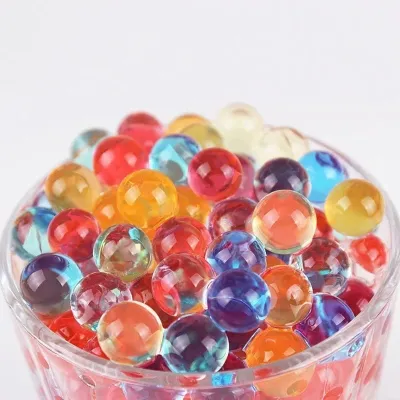
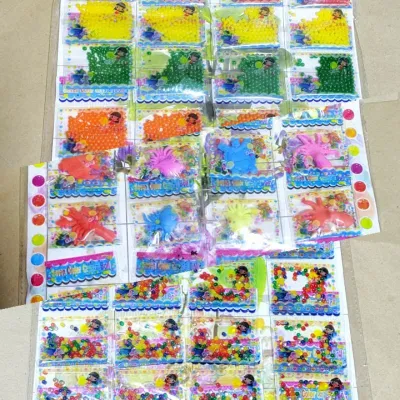
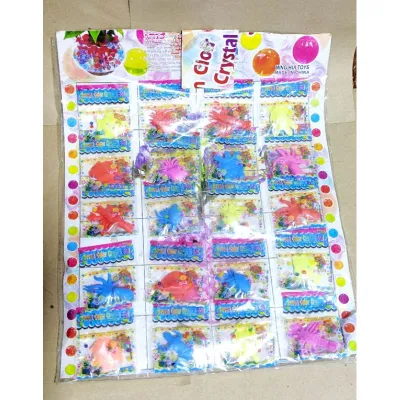
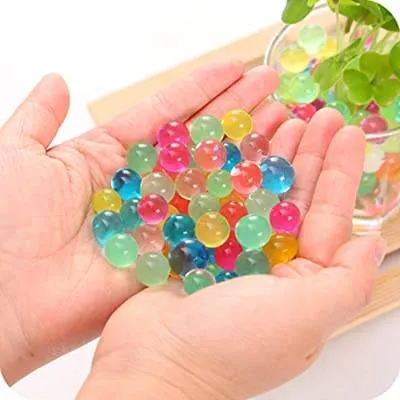
In contrast, water beads—often known by the popular brand name Orbeez or Orbees—are made of superabsorbent polymers that expand when soaked in water. These soft, gel-like spheres are designed primarily for sensory play, temporary floral decorations, or agricultural moisture retention. They are not structurally suited for wearable jewelry because they rely entirely on constant hydration to maintain their size and form.
When deciding between these two materials, your primary consideration must be the intended lifespan and wearability of the finished piece. If you want to create a functional accessory that can be worn out of the house, gifted to a friend, or sold as a finished craft, acrylic beads are the only viable option. Water beads should be reserved for temporary, experimental, or sensory-focused artistic displays that do not require physical durability or long-term wear.
Products mentioned in this guide
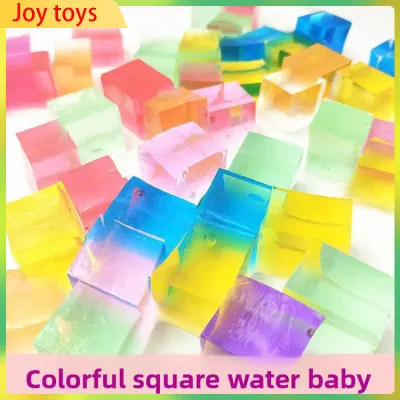
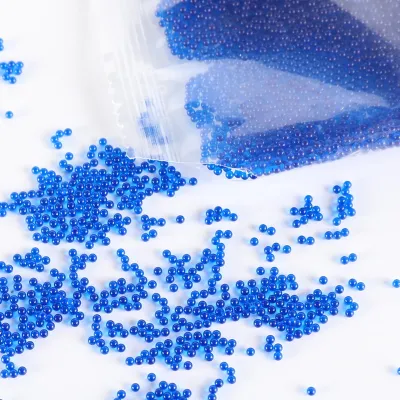
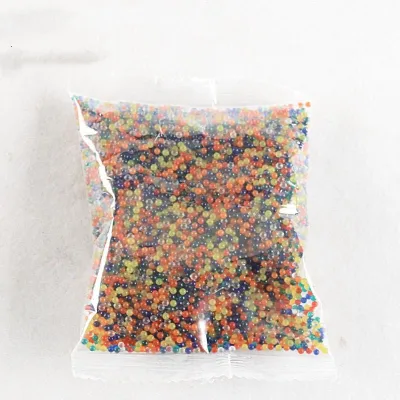
Prices are valid at publication and may change. Please refer to the product page for the latest price.
Durability and Lifespan: The Dealbreaker for Wearable Pieces
The physical environment of the human body presents constant challenges to jewelry materials. Wearable items are subjected to body heat, sweat, friction against skin and clothing, and accidental impacts throughout the day. Solid acrylic beads excel in these conditions due to their high structural integrity. Made from dense synthetic polymers, acrylic beads are highly shatter-resistant and virtually immune to the minor bumps and drops that occur during daily wear. They do not warp under normal body temperatures, nor do they degrade when exposed to sweat or skin oils, making them exceptionally reliable for high-friction items like wrist bracelets and bag charms.

Water beads, on the other hand, possess a fragile, water-filled gel structure that makes them highly vulnerable to physical damage. Because they are composed of over 95 percent water held within a delicate polymer matrix, they can easily burst or split under minimal physical pressure. Simple actions like leaning your wrist against a table while wearing a water bead bracelet, or accidentally catching a necklace on a piece of clothing, will cause the beads to rupture and leak their stored water. Once a water bead splits, it cannot be repaired or rehydrated, rendering the jewelry piece instantly ruined.
Environmental factors in tropical climates, such as those found throughout the Philippines, further complicate the use of water beads. The local climate features high ambient humidity alongside the frequent use of air-conditioning in indoor spaces like offices and shopping malls. Water beads are highly sensitive to these atmospheric shifts. In an air-conditioned room, the dry air accelerates evaporation, causing water beads to rapidly shrink, wrinkle, and lose their vibrant appearance. Conversely, when exposed to high outdoor humidity, the beads may absorb excess moisture from the air, swelling unevenly and weakening their already fragile polymer walls.
Acrylic beads remain entirely unaffected by these environmental fluctuations. Whether you are walking through a humid outdoor market in Manila or sitting in a heavily air-conditioned office, acrylic jewelry maintains its exact dimensions, strength, and appearance. The material does not shrink, swell, or lose its structural integrity over time, ensuring that your carefully designed patterns and stringing tensions remain perfect for years.
Crafting Experience: Tools, Stringing, and Assembly Challenges
The physical process of assembling jewelry requires materials that can cooperate with standard crafting tools and techniques. Solid acrylic beads are manufactured with pre-drilled, clean, and consistent holes running through their centers. This design feature allows you to easily thread them onto a wide variety of jewelry mediums, including elastic cord, nylon thread, tiger tail wire, or metal headpins. The smooth inner channels of acrylic beads prevent the stringing material from fraying, ensuring that the structural core of your jewelry remains strong over time.
Working with water beads presents an entirely different set of physical challenges. Because they are manufactured as solid, un-drilled spheres that expand upon hydration, they do not feature pre-made holes for stringing. Attempting to pierce a hydrated water bead with a standard beading needle, wire, or headpin is incredibly difficult and often destructive. The localized pressure of a needle tip typically causes the gel-like polymer to split or tear completely. Even if you manage to thread a wire through a water bead without breaking it, the structural integrity of the bead is permanently compromised at the entry and exit points, making it highly susceptible to tearing open during subsequent movement.
Securing the ends of your jewelry pieces is another area where the differences between these materials become starkly apparent. Acrylic beads allow for secure knotting and finishing using standard jewelry hardware. You can easily hide knots inside the bead holes, use metal crimp beads to secure wire ends, or apply small drops of jewelry glue to knot points without damaging the beads. The hard surface of the acrylic provides a stable backing against which knots and crimps can rest securely without slipping or cutting into the material.
Water beads cannot be secured with standard jewelry hardware or knots. Because the beads are soft and constantly shifting in size as they gain or lose moisture, any knot tied against them will either slip or cut directly through the fragile gel. Specialized techniques like wire-wrapping can sometimes be used to encase water beads, but even these methods fail as the beads inevitably shrink due to evaporation. Standard jewelry adhesives and silicone glues also fail to bond with the wet, slippery surface of a hydrated water bead, making it impossible to permanently secure them to findings or backings.
The tool requirements for these two materials highlight the practicality of acrylic crafting versus the mess of working with water beads. Crafting with acrylic beads requires standard, dry tools that are easy to manage:
- Round-nose pliers for forming wire loops and securing eye pins.
- Chain-nose pliers for opening and closing jump rings or squeezing crimp beads.
- Flush cutters for clean cuts on wire and cord.
- Beading mats to keep your beads organized and prevent them from rolling away.
When working with water beads, standard jewelry tools are largely useless and can easily damage the soft material. Instead of a clean, dry crafting station, working with hydrated water beads requires towels, water containers, and constant cleanup of slippery gel fragments that break off during handling. The process is inherently messy and incompatible with the precision required for fine jewelry assembly.
Aesthetics and Design Flexibility
A major part of the joy of DIY jewelry making is the ability to express your personal style through diverse visual designs. Acrylic beads offer an incredibly wide range of aesthetic options. Because acrylic can be molded, dyed, and coated in various ways during manufacturing, you can find acrylic beads in thousands of styles, including:
- Opaque finishes in solid, vibrant colors that provide a modern, clean look.
- Transparent and translucent styles that catch the light similarly to colored glass.
- Metallic and electroplated coatings that mimic the appearance of gold, silver, or bronze without the added weight or cost.
- Pearlescent and iridescent finishes that replicate the soft glow of natural pearls or mother-of-pearl.
- Faux-gemstone textures that imitate marble, turquoise, or quartz.
This variety allows you to mix and match acrylic beads with other jewelry components, such as metal spacers, tassels, and charms, to create complex, multi-textured designs. Acrylic beads can also be customized further at home; you can paint them with acrylic paints, draw detailed patterns on them with fine-tip paint markers, or apply clear protective topcoats to seal in custom designs.
Water beads are highly limited in their aesthetic versatility. While they do offer a beautiful, translucent, jelly-like glow that catches the light in a unique way, this visual effect is entirely dependent on the beads remaining fully hydrated. They cannot be painted, drawn on, or coated with standard craft sealants. Applying paints or solvents to a water bead triggers a chemical reaction that breaks down the superabsorbent polymer, causing the bead to collapse, liquefy, or lose its shape. Consequently, you are restricted to the solid, single-color translucent look that the beads have out of the package.
Sizing consistency is another critical factor in jewelry design, especially when creating symmetrical patterns, repeating sequences, or fitted items like rings and bracelets. Acrylic beads are manufactured to precise, standardized millimeter measurements (such as 4mm, 6mm, 8mm, or 10mm). When you buy a pack of 8mm acrylic beads, you can be confident that every single bead in the package will be identical in size, allowing for clean, professional-looking symmetry in your finished jewelry.
Water beads lack this precision because their final size is determined by external variables. The diameter of a hydrated water bead depends on how long it was soaked, the temperature of the water used, and the mineral content of the water. Hard water with high mineral content can restrict the expansion of the polymer, while distilled water allows for maximum swelling. This variability makes it incredibly difficult to achieve uniform sizes across multiple beads, often resulting in an uneven, asymmetrical appearance that detracts from the professional quality of your handmade jewelry.
Maintenance and Care in Tropical Climates
Maintaining the beauty and structural integrity of your finished jewelry requires different levels of effort depending on the materials used, especially when dealing with tropical environmental conditions. Acrylic jewelry is remarkably low-maintenance. To keep acrylic beads looking fresh, you simply need to wipe them occasionally with a soft, damp cloth to remove surface dust, sweat, or skin oils. They do not require specialized storage solutions and can be safely kept in standard jewelry boxes, hanging organizers, or drawer dividers.
To ensure your acrylic jewelry lasts for years, there are only a few simple care guidelines to follow:
- Avoid harsh chemicals: Keep your acrylic pieces away from rubbing alcohol, acetone, perfume, and strong household cleaners, as these solvents can dull the polished surface or cause micro-cracking in the plastic.
- Protect from prolonged direct sunlight: While acrylic is highly stable, leaving your jewelry in intense, direct sunlight for weeks at a time can eventually cause lighter colors to fade or clear beads to develop a slight yellow tint over time. Store them in a shaded drawer or box when not in use.
- Prevent scratching: Store acrylic pieces slightly apart from sharp metal jewelry to avoid fine surface scratches that can reduce their shine.
Water bead jewelry demands an impractical, high-maintenance care routine that is difficult to sustain. Because water beads must remain hydrated to keep their shape, any jewelry made with them cannot simply be hung on a jewelry stand or placed in a standard box. If left exposed to the open air, the beads will dry out within a matter of days, shrinking back down to tiny, hard, irregular plastic pellets and completely ruining the structure of your jewelry.
To prevent this, water bead creations must be kept submerged in water or stored inside airtight, highly humid containers when they are not being worn. However, this hydration requirement introduces a major risk of mold, mildew, and bacterial growth, particularly in warm, tropical climates. Trapped moisture inside a sealed container creates the perfect breeding ground for organic pathogens. Over time, the stringing thread, the metal findings, and the water beads themselves can develop black mold or unpleasant odors, making the jewelry unsafe and unhygienic to wear against your skin. Furthermore, constant exposure to water will quickly rust, tarnish, or corrode standard metal jewelry findings, such as clasps, jump rings, and headpins, leading to structural failure of the entire piece.
Decision Framework: When to Use Water Beads vs. Acrylic Beads
To help you make the final decision for your next crafting project, consider this straightforward breakdown of when each material is appropriate.
Choose Solid Acrylic Beads if:
- You are making functional, everyday jewelry such as bracelets, necklaces, anklets, or earrings.
- You want your finished pieces to last for months or years without changing shape, shrinking, or degrading.
- You prefer working with standard, dry jewelry-making tools, elastic cords, jewelry wire, and metal findings.
- You require precise, uniform bead sizes to create clean, symmetrical, and professional-looking designs.
- You want a wide range of finishes, including metallic, pearlescent, opaque, and matte options.
Choose Water Beads (Orbeez) if:
- You are creating temporary, short-term display pieces, such as decorative body art for a photoshoot or a themed event that will only last a few hours.
- You are designing sensory bottles, temporary table centerpieces, or educational science crafts where wearability is not the goal.
- You are prepared to keep the items stored in water or a sealed, humid environment and accept the high risk of mold and short lifespan.
Neither material may fit if:
- You are aiming to create high-end, heirloom-quality fine jewelry. In this scenario, synthetic plastics and water-absorbing polymers should be avoided entirely. Instead, invest in premium, natural materials such as genuine glass beads, semi-precious gemstones, freshwater pearls, or sterling silver and gold-filled metal components. These materials offer the ultimate level of durability, prestige, and timeless aesthetic appeal.
Frequently Asked Questions (FAQ)
Can I use clear nail polish to seal water beads for jewelry?
No, you should not use clear nail polish to seal water beads. Standard nail polishes contain harsh chemical solvents, such as butyl acetate, ethyl acetate, and nitrocellulose, which are highly incompatible with superabsorbent polymers. Applying nail polish to a hydrated water bead will trigger a chemical reaction that breaks down the polymer chains, causing the bead to lose its water-holding capacity, collapse, liquefy, or turn into a sticky, misshapen mess. There is currently no reliable craft sealant that can permanently trap moisture inside a water bead while maintaining its shape and safety.
Do acrylic beads fade or yellow in the sun?
Yes, cheap or poorly manufactured acrylic beads can fade or develop a yellowish tint if they are subjected to prolonged, intense ultraviolet (UV) light exposure over several months. To prevent this, store your acrylic jewelry in a dark, dry place when you are not wearing it. If you are designing pieces specifically for frequent outdoor wear under the sun, you can apply a thin, protective coat of a UV-resistant clear craft sealer designed specifically for plastics. This extra step helps preserve the original color and clarity of the beads, ensuring your designs remain vibrant.
Are water beads safe for children's wearable jewelry?
No, water beads are not safe for children’s wearable jewelry or accessories. Because of their bright colors, smooth texture, and resemblance to candy, water beads present a severe choking and ingestion hazard for young children. If swallowed, a dry or partially hydrated water bead can absorb bodily fluids and expand significantly inside the digestive tract, leading to life-threatening intestinal blockages that require emergency surgical intervention. For children’s jewelry projects, always choose large, solid, non-toxic acrylic plastic or wooden beads that do not expand in water and do not pose an internal obstruction hazard.
Community discussion
Share your experience or ask a question. Comments are reviewed before publication.