
Selecting the right iridescent paint for your creative work depends on your choice of surface, your preferred working pace, and your familiarity with the underlying paint medium. While the captivating, color-shifting shimmer of iridescent paint is produced by finely ground mica or synthetic pearl pigments, the binder holding these particles together determines how the paint behaves. Whether you work with gum arabic, acrylic polymer, or linseed oil, the binder dictates how the paint adheres, dries, and interacts with other layers. Matching these characteristics to your project requirements ensures that your shimmering highlights remain vibrant and durable over time.
Understanding Iridescent Pigments and Binder Differences
Iridescent paint achieves its unique, lustrous appearance through the physical properties of light reflection and refraction. Unlike flat pigments that absorb certain wavelengths of light and reflect others, iridescent paints contain microscopic platelets of mica or synthetic fluorphlogopite coated with metal oxides. When light hits these semi-transparent layers, it bounces off both the outer surface and the underlying layers at slightly different angles. This interference creates a multi-dimensional shimmer that shifts as the viewer moves or as the light source changes.
While the pigment particles are structurally similar across different paint types, the binder—the vehicle that carries the pigment—varies completely. The binder is the substance that glues the pigment to your substrate. In watercolor, this is gum arabic, a water-soluble natural sap. In acrylic, it is a synthetic acrylic polymer emulsion. In oil paint, it is a drying oil, typically linseed or safflower oil. This binder dictates the paint’s transparency, drying speed, flexibility, and overall surface adhesion.
Products mentioned in this guide
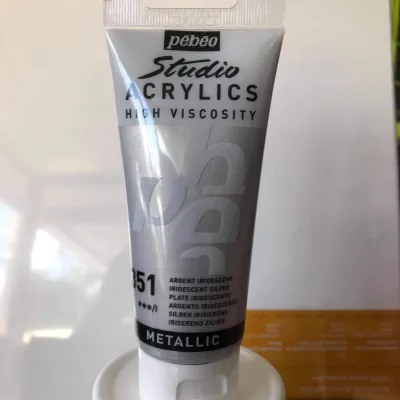
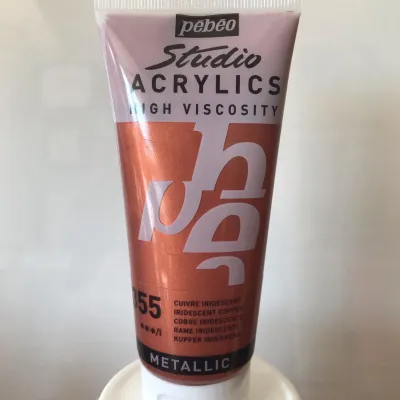
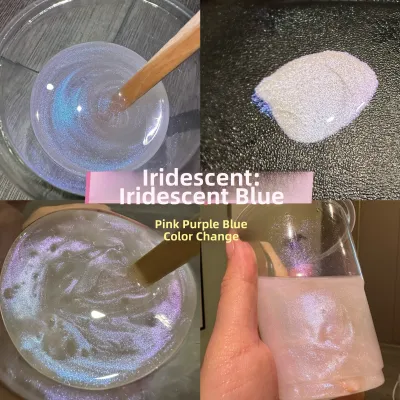
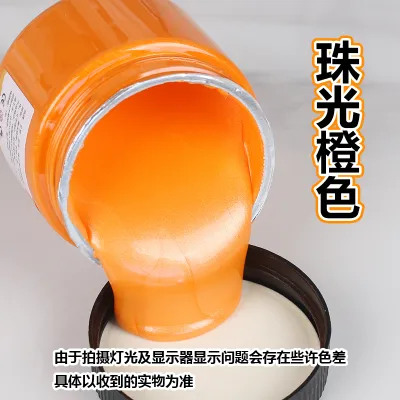
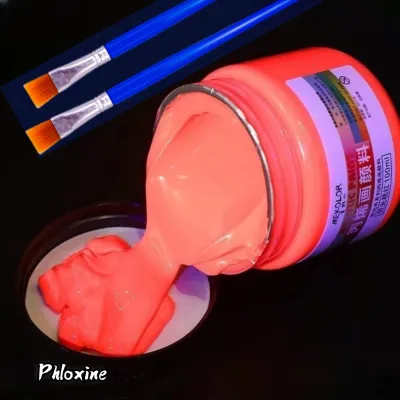
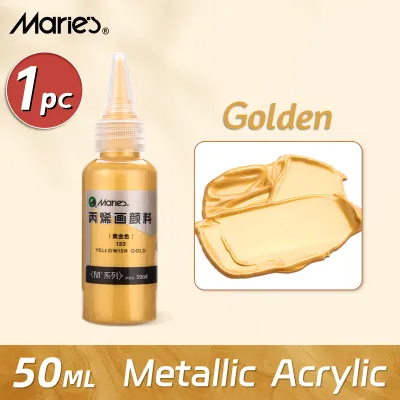
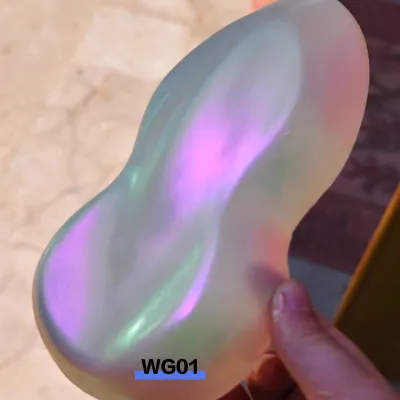
Prices are valid at publication and may change. Please refer to the product page for the latest price.
Consequently, the learning curve associated with iridescent paint is not about mastering the shimmer itself, but rather about understanding the base medium. If you already know how to control water washes or blend slow-drying oils, you will find working with their iridescent counterparts highly intuitive. Conversely, if you are new to a medium, the unique handling properties of its binder will require some practice before you can reliably achieve your desired artistic effects.
Comparing Watercolor, Acrylic, and Oil Iridescent Paints
To choose the right medium, it helps to compare how each binder handles environmental factors, surface types, and cleanup. In warm, humid tropical climates like the Philippines, these differences become even more pronounced. High humidity can significantly extend the drying time of watercolors and oils, while warm ambient temperatures can cause acrylics to skin over rapidly on your palette.

The following matrix outlines the core differences in handling, drying, and surface compatibility across the three primary iridescent mediums:
| Medium | Binder | Typical Drying Time | Surface Versatility | Cleanup Method |
|---|---|---|---|---|
| Watercolor | Gum Arabic | Minutes (highly humidity-dependent) | Limited to paper and porous boards | Water and mild soap |
| Acrylic | Acrylic Polymer | 10 to 30 minutes | Highly versatile (canvas, wood, plastic, fabric) | Water (must be wet) |
| Oil | Linseed/Safflower Oil | Days to weeks (cures over months) | Primed canvas, wood, metal | Solvents or specialized oils |
The visual intensity of any iridescent paint is highly dependent on the underlying color of your surface and the paint’s natural opacity. Because mica particles are semi-transparent, they show up with the greatest contrast when applied over dark or black base coats. Before purchasing any iridescent paint, always check the manufacturer’s label for lightfastness ratings, pigment composition, and binder ratios to ensure the product matches your archival expectations.
Watercolor Iridescent Paints
Watercolor iridescent paints rely heavily on the reflective quality of the underlying substrate to achieve their delicate, luminous glow. Because the gum arabic binder is highly transparent, light passes through the mica particles, hits the paper beneath, and bounces back to the viewer. This makes watercolor the most delicate and subtle of the three options, perfect for capturing soft, organic shimmer rather than heavy, metallic finishes.
To prevent the paper from buckling under wet washes, you must use high-quality watercolor paper, ideally with a weight of at least 300 gsm. The paper’s sizing—the treatment applied during manufacturing to control absorbency—is critical. Proper sizing ensures that the heavy mica particles sit on the surface of the paper where they can catch the light, rather than sinking deep into the cotton fibers where their reflective qualities would be lost.
Watercolor dries rapidly as the water evaporates, which can make smooth blending of iridescent particles a challenge. Once the water begins to leave the paper, the mica flakes settle and lock into place. Attempting to rework a semi-dry wash can disturb this alignment, leading to a patchy, uneven shimmer. Artists must work quickly and with precise water control to keep the wash uniform.
Acrylic Iridescent Paints
Acrylic iridescent paints offer exceptional versatility, making them a popular choice for both traditional canvas paintings and diverse craft projects. The synthetic acrylic polymer binder is incredibly flexible and adhesive, allowing you to apply the paint in thin, transparent glazes or build it up into thick, textured impasto strokes. It adheres reliably to almost any clean, non-greasy surface, including wood, unglazed ceramics, plaster, and primed canvas.
As the water evaporates from the acrylic emulsion, the polymer molecules chemically fuse to form a permanent, water-resistant, and highly flexible plastic film. This rapid drying process means you can layer colors quickly without disturbing the underlying paint. However, in warm tropical environments, this quick drying time requires you to work efficiently and keep your palette misted with water to prevent the paint from skinning over prematurely.
Because cured acrylic binder is completely insoluble in water, you must clean your brushes immediately after use. Allowing iridescent acrylic paint to dry on your brush will permanently trap the mica particles and polymer within the bristles, ruining the tool. Keep a jar of clean water nearby to submerge your brushes during your painting session, and wash them thoroughly with brush soap afterward.
Oil Iridescent Paints
Oil-based iridescent paints provide a rich, deep luster and blending capabilities that appeal to traditional painters. The slow-drying nature of linseed or safflower oil gives you an extended “open time,” allowing you to blend soft gradients, execute wet-on-wet techniques, and adjust your highlights over several days. This slow transition is ideal for creating realistic metallic sheen on fabrics, armor, or water surfaces.
Working with oil paints requires a dedicated workspace with adequate ventilation, as traditional thinning and cleanup require mineral spirits, turpentine, or specialized oil mediums. The slow drying process is also highly sensitive to local climate conditions; high humidity can extend the initial drying phase, meaning your painting may remain tacky to the touch for weeks.
Oil paints cannot be applied directly to raw paper or unprimed canvas, as the acidic drying oils will eventually rot the organic fibers. You must prepare your surface with an oil-compatible primer, such as acrylic gesso, to create a stable barrier. Additionally, because oil paint cures through oxidation rather than simple evaporation, you must wait several months for the paint film to fully harden before applying a final protective varnish.
Matching the Medium to Your Project and Skill Level
Selecting the right iridescent paint involves balancing your project’s physical requirements with your current skill level and workspace setup.
Choose Watercolor if:
- Your project involves delicate paper crafts, calligraphy, card making, or detailed art journaling.
- You prefer a quick-drying, low-mess medium that cleans up easily with plain water.
- You are comfortable managing water-to-paint ratios and working with transparent layers.
- You have access to high-quality, heavy-weight watercolor paper that can handle wet washes without warping.
Choose Acrylic if:
- You are working on mixed media, wood crafts, canvas, fabric, or non-traditional surfaces.
- You want a fast-drying medium that allows you to build up layers quickly without waiting days between sessions.
- You are a beginner looking for an approachable, water-soluble paint that becomes highly durable once dry.
- You want the option to create both thin, shimmering glazes and thick, textured brushstrokes.
Choose Oil if:
- You are working on traditional canvas or wood panel paintings that require seamless color blending and soft transitions.
- You enjoy a slow, deliberate painting process and do not mind waiting weeks for layers to dry.
- You have a dedicated, well-ventilated studio space where you can safely handle and store solvents.
- You are experienced with surface priming and understand the rules of layering paint (such as painting "fat over lean").
Verify first if:
- The surface you plan to paint on is compatible with your chosen binder without peeling or cracking over time.
- Your project requires archival-grade lightfastness, which should be verified by checking the manufacturer's pigment codes on the tube.
- The specific brand of iridescent paint requires a dark base coat to achieve its full visual potential, as some formulas are highly transparent.
- Whether you are budgeting ₱300 for a student-grade set or investing more in professional-grade tubes, verifying the binder first is essential.
Essential Supplies and Surface Preparation
Achieving a brilliant, long-lasting iridescent finish requires proper surface preparation and the right tools. For oil paints, applying two to three thin coats of acrylic gesso to your canvas or wood panel is essential to prevent oil absorption and ensure proper adhesion. For watercolor projects, stretching your paper or securing it tightly to a board with tape helps maintain a flat surface, preventing water pools that can cause the heavy mica particles to gather unevenly in the paper’s valleys.
The choice of brush is equally important when working with iridescent pigments. Synthetic brushes with medium-to-stiff bristles are highly recommended for acrylics, as they can withstand the heavy polymer binder and are easy to clean before the paint cures. For watercolors and oils, softer synthetic or natural hair brushes work well, but you must ensure they do not shed. Loose brush hairs trapped in an iridescent paint layer will disrupt the flat alignment of the mica flakes, creating dull spots in your shimmer.
Because iridescent paints reflect light dynamically, their appearance can shift dramatically from wet to dry. Acrylics, for example, often dry slightly darker and more matte, while watercolors may lose some of their wet brilliance once the water evaporates. Always perform a test application on a scrap piece of your intended substrate. Observe the test piece under different lighting conditions—such as direct sunlight and indoor warm light—to verify that the dried shimmer and color shift meet your expectations before committing to your final artwork.
Frequently Asked Questions (FAQ)
Can you mix iridescent paint with regular non-iridescent paint?
Yes, you can mix iridescent paint with standard paint, but you must stay within the same binder family. For example, you can mix acrylic iridescent paint with standard acrylics, or oil iridescent paint with standard oils. However, you must be careful with the ratio; adding too much opaque, non-iridescent paint will coat and bury the mica particles, blocking light reflection and dulling the shimmer. For the best results, use transparent or semi-transparent regular paints for mixing, or apply the iridescent paint as a thin glaze over a dry, solid base color.
Why does my iridescent paint look dull when it dries?
Iridescent paint can look dull if the binder sinks too deeply into an unprimed, highly porous surface, leaving the mica particles scattered without a smooth reflective backing. This is common when applying paint to raw wood, unprimed canvas, or low-quality paper. Another common cause is overworking the paint as it dries; disturbing the paint film disrupts the flat, parallel alignment of the mica flakes, preventing them from reflecting light uniformly. To fix this, ensure your surface is properly primed, and apply the paint in smooth, deliberate strokes without going over the same area repeatedly as it begins to set.

Community discussion
Share your experience or ask a question. Comments are reviewed before publication.