
Choosing your first paint set for painting is an exciting milestone, but the sheer variety of mediums can feel overwhelming. The decision between watercolor, acrylic, and oil paints ultimately depends on your physical workspace, your preferred working pace, and the visual style you want to achieve. By understanding how these mediums behave under local conditions—such as the high humidity of a tropical climate—you can select a starter kit that minimizes frustration and maximizes your creative joy.
Each medium has its own unique personality, demanding different levels of commitment and preparation. Before you purchase any supplies, it is helpful to evaluate where you will paint, how much time you can dedicate to cleanup, and how you handle mistakes. Taking a systematic approach to these factors ensures that your investment in art supplies translates into a rewarding and sustainable creative practice.
Assess Your Workspace and Cleanup Preferences
Your physical environment is the first practical filter when choosing a paint set for painting. Watercolor and acrylic paints are water-based, making them highly suitable for small, shared, or poorly ventilated spaces. Cleaning up after a watercolor or acrylic session requires nothing more than tap water and mild soap, allowing you to wash your brushes safely in a standard household sink without worrying about harsh chemical residues or specialized disposal methods.
Products mentioned in this guide
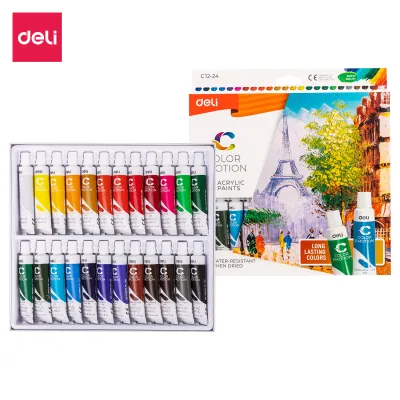
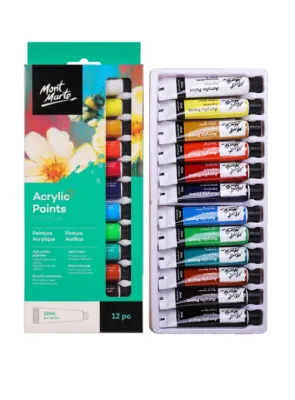
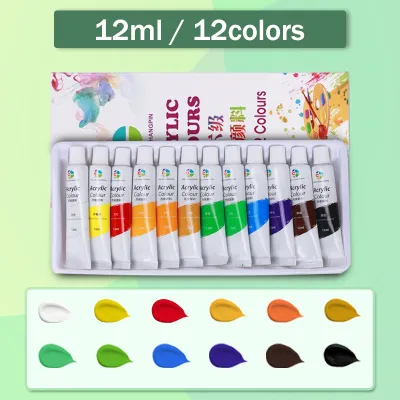
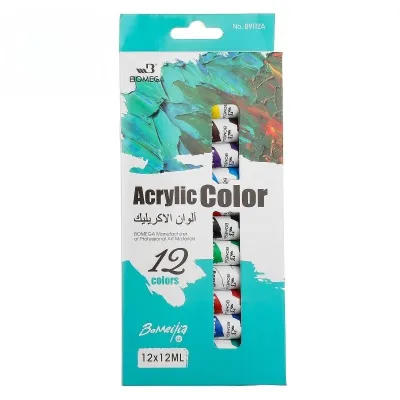
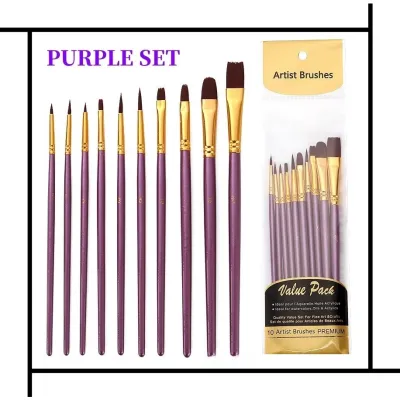
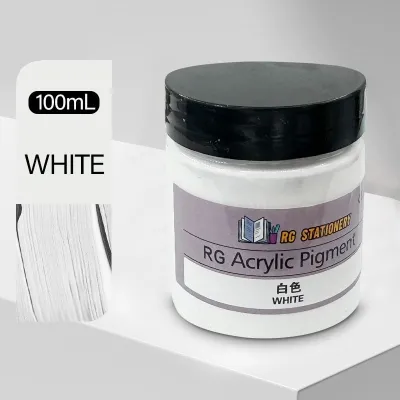
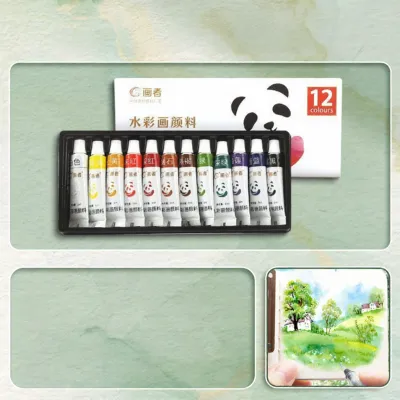
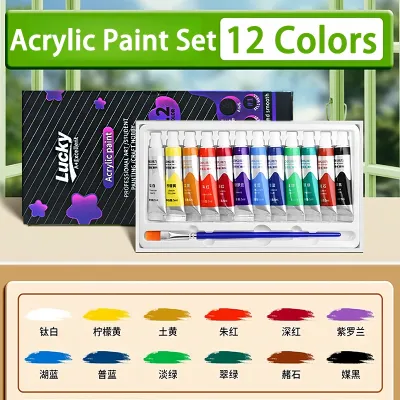
Prices are valid at publication and may change. Please refer to the product page for the latest price.
Oil painting, by contrast, traditionally requires solvents like odorless mineral spirits or turpentine to thin the paint and clean brushes. These solvents release volatile organic compounds (VOCs) that demand a dedicated workspace with excellent cross-ventilation, such as an open balcony or a room with large, active windows. If you live in a compact condominium or share a living space with family members, the strong fumes of traditional oil mediums may not be practical or comfortable.
Drying times also dictate how much physical space you need to store your ongoing projects. In humid tropical climates, watercolors dry relatively quickly, and acrylics dry within minutes, allowing you to pack away your finished pieces or sketchbooks almost immediately. Oil paintings remain wet to the touch for days or even weeks, requiring a safe, dust-free corner where your wet canvases can cure undisturbed without risking accidental smudges or sticking to household items.
Finally, consider the disposal of waste materials. Water-based paints can be cleaned easily, but acrylic wastewater should ideally be filtered or allowed to evaporate rather than poured directly down household drains in large quantities, as acrylic is essentially liquid plastic. Oil paint rags soaked in solvents or linseed oil require careful disposal in airtight metal containers to prevent combustion risks, making the cleanup routine for oils significantly more demanding than that of water-based alternatives.
Match the Paint to Your Skill Level and Pace
Your personal rhythm and patience level should guide your choice of medium. Acrylic paint is highly celebrated for its fast drying time and forgiving nature. Because it dries to a water-resistant, permanent plastic finish, you can easily correct mistakes by letting the paint dry for a few minutes and then painting directly over the error. This rapid cycle makes acrylics an excellent choice for beginners who want to experiment with layering and see immediate results.

Watercolors offer a completely different pace, relying on transparency and water control. Once watercolor paint is applied to paper, the pigment settles into the fibers; while you can reactivate it slightly with water, major mistakes are difficult to erase or cover up. The medium requires you to plan your composition from light to dark, leaving the white of the paper for your brightest highlights. This demands a patient, deliberate approach where you embrace the natural flow and bleeding of wet pigment on paper.
Oil paint is the ultimate slow-paced medium, offering unparalleled blendability. Because oil paints remain wet and workable for hours or days, you can return to your canvas to blend transitions, soften edges, and adjust colors at your leisure. This slow drying time is incredibly forgiving for artists who want to work on complex portraits or detailed landscapes over multiple sessions. However, it also means you must wait before applying subsequent layers if you want to avoid muddying your colors.
The learning curve for color mixing also varies across these mediums. Acrylics tend to dry slightly darker than they appear when wet, which requires some adjustment as you learn to mix colors. Watercolors dry significantly lighter and softer, demanding that you build up values gradually through multiple washes. Oil paints offer the most accurate color matching, as they look virtually identical when wet and dry, allowing you to mix precise gradients without guessing the final dried shade.
Compare Watercolor, Acrylic, and Oil Characteristics
To finalize your decision, it helps to compare the physical characteristics, surface compatibility, and visual finishes of each medium side-by-side.
Watercolor is characterized by its delicate, luminous transparency and matte finish. It is traditionally applied to heavy watercolor paper (typically 300 gsm or thicker to prevent warping) or specialized watercolor boards. Because watercolor relies on the absorption of the paper, it is not suitable for non-porous surfaces like plastic or metal. The paint itself comes in either dry pans, which are highly portable and excellent for travel, or tubes, which offer a creamier consistency for mixing large washes.
Acrylic paint is incredibly versatile, drying to a satin, matte, or gloss finish depending on the brand and any mediums added. It acts as a powerful adhesive, allowing you to paint on almost any non-greasy surface, including canvas, heavy paper, wood, clay, and even fabric. Its thick consistency can be built up to create physical texture or thinned with water to mimic watercolor washes. Once dry, the acrylic layer is flexible and water-resistant, making it highly durable in humid environments.
Oil paint provides a rich, buttery texture with a naturally glossy, deep finish that retains brushstrokes beautifully. It must be applied to primed surfaces, such as gessoed canvas or wood panels, because the natural oils will eventually rot raw paper or canvas over time. The finished painting possesses a distinct depth of color that remains vibrant long after drying. However, because oil paint cures through oxidation rather than evaporation, the drying process is slow and requires a stable environment.
When reviewing paint tubes, always check the manufacturer’s label for lightfastness ratings, which indicate how well the pigment resists fading when exposed to light over time. Standard ratings often use Roman numerals (I being excellent) or star systems; choosing pigments with high lightfastness ensures your artwork retains its original brilliance.
How to Select Your First Paint Set for Painting
Once you have decided on a medium, selecting your starter paint set for painting requires balancing your budget with the quality of the materials. Most manufacturers offer two distinct tiers: student grade and professional (or artist) grade. Student-grade paint sets are highly recommended for beginners because they replace expensive, rare pigments with synthetic alternatives (often labeled as \”hues\”) to keep costs accessible while maintaining reliable handling properties. A student-grade paint set for painting is highly accessible, with starter kits often ranging from ₱300 to ₱1,500 depending on the brand and tube sizes.
When reading tube labels, look for clear indications of pigment codes (such as PB29 for Ultramarine Blue) and opacity symbols (usually a clear, half-filled, or solid square indicating transparent, semi-opaque, or opaque properties). A good starter set does not need dozens of colors; a basic palette of six to twelve tubes—consisting of a warm and cool version of each primary color (red, yellow, and blue), plus white and a dark earth tone—will teach you more about color mixing than a massive pre-mixed set.
Do not forget to budget for the essential accessories that make your chosen medium functional. For watercolors, you will need at least one round synthetic brush, a plastic mixing palette, and a pad of cold-pressed watercolor paper. For acrylics, a few flat and round synthetic brushes, a tear-off paper palette, and stretched canvases or canvas boards are ideal. For oil painting, you must acquire natural bristle or stiff synthetic brushes, a wooden or glass palette, a palette knife for mixing, and a small bottle of linseed oil alongside a safe brush cleaner.
Before purchasing, verify the compatibility of your brushes and surfaces. Synthetic brushes work beautifully with watercolors and acrylics because they hold water well and resist damage from the acrylic binder. For oils, stiffer natural hog bristle brushes are preferred to move the heavy paint, though modern synthetic brushes designed specifically for oil painting are also widely available. Ensuring your tools match your medium will prevent premature wear and make your painting sessions much smoother.
Frequently Asked Questions (FAQ)
Can I mix acrylic and oil paints in the same painting?
You cannot mix wet acrylic and oil paints together on your palette because water and oil naturally repel each other, preventing the paints from binding correctly. However, you can use them in layers by following the fundamental rule of \”fat over lean.\” This means you can paint oil colors over a completely dry acrylic underpainting, as the oil paint can adhere to the porous acrylic surface. You must never paint acrylics over oil layers, as the water-based acrylic will fail to bond to the oily surface and will eventually crack, peel, or flake off over time.
Which paint type is the most cost-effective for beginners?
Watercolors and acrylics are generally the most cost-effective options for beginners starting their creative journey. A basic watercolor paint set for painting requires very few ongoing consumables, as the dry pans or tubes can be reactivated with water indefinitely, and a single pad of paper is relatively inexpensive. Acrylics are also highly affordable because they do not require specialized solvents or expensive mediums, and they can be applied to budget-friendly surfaces like cardboard or wood. Oil painting tends to have the highest initial setup cost due to the necessity of purchasing primers, solvents, oils, heavy canvases, and specialized brush cleaners.
Community discussion
Share your experience or ask a question. Comments are reviewed before publication.