
Selecting your first painting set materials is an exciting step, but walking into an art supply store can quickly become overwhelming. The shelves are packed with tubes of watercolor, acrylic, and oil paint, each promising beautiful results. For most beginners, acrylic paint offers the most balanced starting point because it dries quickly, cleans up with water, and allows you to easily paint over mistakes. However, the ideal medium for you ultimately depends on your physical workspace, your patience for drying times, and your specific artistic goals.
To make the right investment, you must understand how these three mediums behave under different conditions. Watercolor is celebrated for its portability and delicate transparency, but it requires precise water control and high-quality paper. Acrylic is incredibly versatile and adheres to almost any surface, though its rapid drying time can make smooth blending a challenge. Oil paint provides unmatched richness and blending capabilities, but it demands a dedicated space, proper ventilation, and a solid understanding of basic paint chemistry. By evaluating these factors before purchasing your materials, you can avoid frustration and choose a setup that fits your daily life.
Assess Your Workspace and Cleanup Tolerance First
Your physical environment is the most practical starting point when choosing a painting medium. Before focusing on artistic techniques, you must consider where you will paint, how much time you can dedicate to cleaning up, and how long you are willing to wait for your artwork to dry. Matching a medium to your living space ensures that painting remains an enjoyable hobby rather than a logistical chore.
Products mentioned in this guide
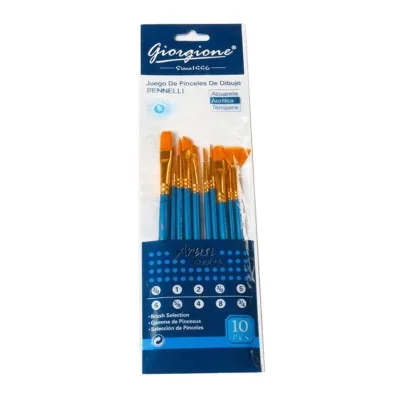
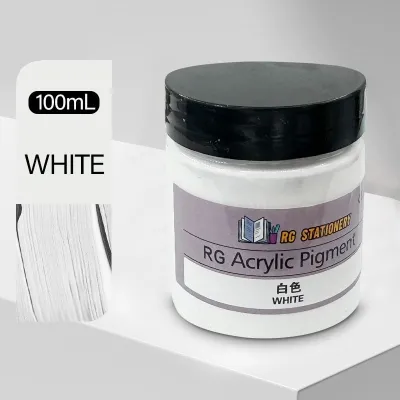
Prices are valid at publication and may change. Please refer to the product page for the latest price.
Space and Ventilation Traditional oil painting requires a dedicated, well-ventilated workspace. Because traditional oils rely on solvents like mineral spirits or turpentine for thinning paint and cleaning brushes, they release fumes that can accumulate in enclosed rooms. If you live in a compact apartment or a shared family home where opening multiple windows for cross-ventilation is impractical, traditional oil painting can pose safety and comfort challenges. In contrast, watercolor and acrylic paints are water-based and virtually odorless. You can easily set up a watercolor or acrylic station on a small dining table or desk without worrying about fumes, making them highly suitable for compact indoor spaces.
Cleanup Time and Tolerance The cleanup process varies significantly between these three options. Watercolor is the most convenient; because the binder is water-soluble gum arabic, dried paint on your palette or brushes can be easily re-wetted and washed away with plain tap water at any time. Acrylic paint also cleans up with water, but only while it is still wet. Once acrylic paint dries, it cures into a permanent, water-resistant plastic film that is incredibly difficult to remove from brushes, clothing, or furniture. Oil paint requires a more deliberate, multi-step cleanup routine. You must wipe excess paint from your brushes with a rag, rinse them in a solvent or a safe oil-based cleaner, and then wash them thoroughly with specialized brush soap and warm water to prevent the bristles from hardening.
Drying Time and Pacing Drying times dictate the rhythm of your painting sessions. In warm, humid environments, water-based paints behave dynamically. High humidity can slightly extend the drying time of watercolor washes, giving you more time to work, while direct sunlight or air conditioning can cause acrylic paints to dry almost instantly on your palette. Acrylics generally dry to the touch within 10 to 30 minutes, requiring you to make fast decisions and work quickly when blending colors. Oil paint dries through oxidation rather than evaporation, a chemical process that takes days, weeks, or even months. This slow drying time allows you to leave your palette overnight and return the next day to continue blending colors seamlessly, but it also means you must have a safe, dust-free area to store wet canvases for extended periods.
Match Your Artistic Goals and Skill Level to the Medium
Every paint medium has a distinct personality and learning curve. Identifying what you want to create and how you prefer to work will help you select the medium that aligns with your natural creative instincts.

Watercolor: Best for Portability, Illustration, and Light Effects
Skill Curve Watercolor is often considered one of the most difficult mediums to master because of its transparent and fluid nature. Unlike opaque paints, you cannot simply paint white over a mistake to correct it; instead, you must carefully plan your composition to preserve the white of the paper for your brightest highlights. Once a dark wash is applied, it is permanent, making the medium relatively unforgiving for absolute beginners who prefer to correct errors as they work.
Ideal Goals This medium is perfect for artists who want to create delicate botanical illustrations, expressive landscapes, or detailed journal sketches. Because watercolor sets are compact and dry quickly on the page, they are incredibly portable. You can easily pack a pocket-sized pan set, a water brush, and a sketchbook to paint outdoors in a park, at a local cafe, or while traveling.
Beginner Reality Check To succeed with watercolor, you must learn to embrace a lack of absolute control. The paint behaves according to the wetness of the paper and the amount of water on your brush. Beginners must spend time practicing water control—learning how the paint spreads on wet paper versus dry paper—before they can reliably achieve their desired results.
Acrylic: Best for Versatility, Forgiveness, and Mixed Media
Skill Curve Acrylic paint is highly forgiving, making it an encouraging choice for beginners. Because it is opaque and dries rapidly, mistakes are easy to fix. If you paint an element you do not like, you only need to wait a few minutes for it to dry before painting directly over it with a fresh layer of color. This ease of correction allows for rapid experimentation and low-pressure practice.
Ideal Goals Acrylic is incredibly versatile and adheres to almost any non-greasy surface, including stretched canvas, wood, paper, cardboard, terra cotta, and fabric. It is ideal for bold, graphic art styles, textured palette knife paintings, craft projects, and mixed-media work where you might want to layer paint over collage elements or drawing mediums.
Beginner Reality Check The primary challenge of acrylic paint is its rapid drying time, which makes smooth, seamless color transitions difficult to achieve. Beginners often find that the paint dries on the canvas before they can finish blending a soft sky or a realistic skin tone. Additionally, acrylic paints often undergo a slight color shift, drying slightly darker than they appear when wet due to the binder changing from milky to clear as it cures.
Oil Paint: Best for Deep Blending, Realism, and Traditional Techniques
Skill Curve Oil paint has a steeper initial learning curve due to the technical rules of layering. To prevent your painting from cracking as it dries, you must follow the “fat-over-lean” rule, which means applying layers with more oil content (fat) over layers with less oil content (lean). Additionally, beginners must learn how to safely handle and store rags soaked in solvents or oils, as they can pose a fire hazard if improperly discarded.
Ideal Goals Oil paint is unmatched in its ability to create smooth, realistic transitions, rich textures, and deep, luminous colors. It is the classic choice for traditional portraiture, detailed still lifes, and heavy impasto techniques where the paint is applied thickly with a brush or palette knife to create physical texture that retains its shape as it cures.
Beginner Reality Check Working with oil paint requires patience and a higher initial financial investment. You cannot rush the process; a single painting session can span several days because the paint remains wet and workable on the canvas. You must also wait several months for the paint layers to cure completely before you can apply a final protective varnish to the surface.
What to Look for in Your First Painting Set Materials
Once you have decided on a medium, purchasing the correct starter materials is crucial. Investing in the right grade of paint, suitable brushes, and the correct surfaces will prevent frustration and help you achieve the results you expect.
Paint Quality (Student vs. Craft vs. Professional) When browsing painting sets, you will generally see products categorized as student-grade or professional-grade. For beginners, student-grade paints (often labeled as “Academy” or “Studio”) are the ideal choice. They offer a reliable balance of quality and affordability, typically ranging from ₱500 to ₱1,500 for a starter set. These paints use real pigments but contain more fillers, making them more affordable than professional-grade paints while still behaving like fine art materials. You should avoid cheap, multi-purpose “craft” acrylics for fine art canvas work; these paints have a very low pigment load, dry to a chalky finish, and fade quickly when exposed to sunlight.
Essential Brushes Your brush selection must match the viscosity of your chosen paint medium.
- For Watercolor: Look for soft, absorbent synthetic brushes that can hold a significant amount of water and retain a sharp point when wet. A basic starter selection should include a medium round brush (size 6 or 8) for general painting and a flat wash brush (1/2 inch or 1 inch) for covering large areas.
- For Acrylic: Choose medium-stiff synthetic brushes, often made of nylon or polyester, which can handle the heavier body of the paint without losing their shape. A starter set of flat, round, and filbert brushes in small, medium, and large sizes will cover most techniques.
- For Oil Paint: Select stiff natural hog bristle brushes or heavy-duty synthetic equivalents designed to push thick, heavy oil paint across a textured canvas. Stiff bristles are essential for maintaining brush control when working with viscous paint.
Surfaces and Primers Using the wrong surface can ruin your painting experience, regardless of the quality of your paint.
- Watercolor Paper: Watercolor requires heavy, absorbent paper. Always look for paper labeled as at least 300 gsm (140 lb) to prevent the sheet from buckling, warping, or pilling when wet. Cellulose paper is affordable for practice, while 100% cotton paper offers the best blending and water absorption.
- Canvases and Panels: Acrylic and oil paints require a stable, primed surface. Stretched canvases, canvas boards, or wood panels must be primed with gesso, which acts as a barrier. Unprimed surfaces will absorb the liquid binders from the paint, causing acrylics to look dull and uneven, and causing the oils in oil paint to slowly rot the underlying wood or fabric fibers over time.
Palettes and Mediums Your palette and additives help you manage and manipulate your paint.
- Watercolor: A plastic or metal palette with deep wells is essential for holding pools of color and mixing watery washes.
- Acrylic: A flat, non-porous plastic or glass palette is ideal. To combat fast drying times, you can purchase a "stay-wet" palette, which uses damp sponge paper under a permeable membrane to keep your acrylic paints moist for days.
- Oil Paint: A traditional wooden palette or a glass slab works best. You will also need a basic medium, such as refined linseed oil, to thin the paint and increase its gloss and transparency, along with a small container to hold your medium while you work.
Frequently Asked Questions (FAQ)
Can I mix acrylic and oil paint in the same painting?
You can apply oil paint over fully dried acrylic paint, but you must never apply acrylic paint over oil paint. Acrylic paint is water-based, whereas oil paint is oil-based. Because water naturally repels oil, acrylic paint applied over an oily surface will fail to adhere properly. Over time, the acrylic layer will crack, bubble, and peel away from the canvas. If you want to use both mediums in a single artwork, use acrylics for the initial underpainting to block in your shapes and values quickly, allow the acrylic to dry completely, and then apply your oil paint layers on top.
Is it cheaper to start with watercolor or acrylic?
While watercolor paint sets are often compact and affordable, the overall setup cost is comparable to acrylic because watercolor requires specialized, high-quality paper. A single pad of 100% cotton 300 gsm watercolor paper can cost between ₱400 and ₱900 in local art shops. Acrylic paint is highly affordable per tube, and you can paint on inexpensive canvas boards or heavy mixed-media paper. However, because acrylic paintings generally use a higher volume of paint to cover a canvas, you will consume your paint tubes much faster than you would with a watercolor set, leading to higher ongoing material costs over time.
Do I need toxic solvents to start oil painting?
You do not need toxic solvents to enjoy oil painting. Water-mixable oil paints are a modern alternative designed to thin and clean up with plain water, eliminating the need for solvents entirely while retaining the slow drying time and buttery texture of traditional oils. If you prefer to use traditional oil paints, you can practice a solvent-free method. You can thin your paint using only natural linseed oil or walnut oil, and clean your brushes by wiping them thoroughly with a rag, dipping them in safflower oil to loosen the pigment, and washing them with a specialty brush soap and warm water.
Community discussion
Share your experience or ask a question. Comments are reviewed before publication.