
Selecting the right medium from the wide range of artist inks and paints depends on your creative goals, workspace, and experience level. This guide helps you diagnose which option—watercolor, acrylic, or oil—best fits your artistic workflow before you make a purchase.
Assess Your Artistic Style and Desired Effects
Your choice of paint dictates the visual texture, depth, and overall feel of your finished artwork. If your artistic vision leans toward luminous transparency, delicate layers, and fluid, unpredictable washes, watercolor is the ideal medium. Watercolor relies on the white paper to reflect light through thin washes, creating a glowing effect difficult to replicate with other mediums. It excels at capturing atmospheric landscapes, botanical illustrations, and soft, expressive portraits where hard edges blend naturally into soft gradients.
Conversely, if you prefer bold, opaque colors, heavy textures, and the ability to build physical layers on the surface, acrylic paint offers exceptional versatility. Acrylics can be applied thickly with a palette knife to create impasto textures, or diluted with water or acrylic mediums to mimic the transparent washes of watercolor. Once dry, acrylic paint forms a flexible, water-resistant film that retains its vibrant color, making it suitable for graphic designs, abstract art, and mixed-media projects.
Products mentioned in this guide
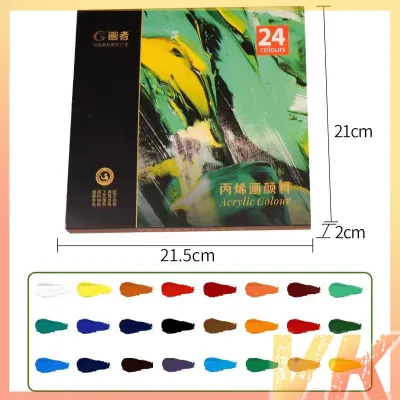
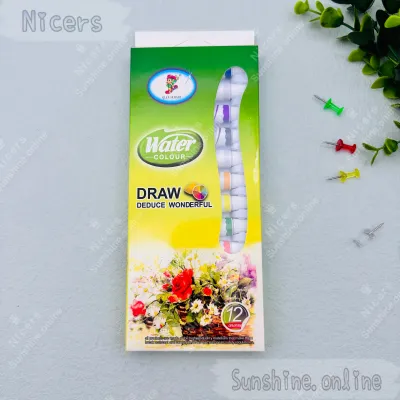
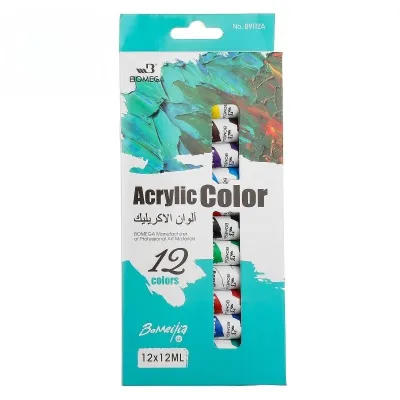
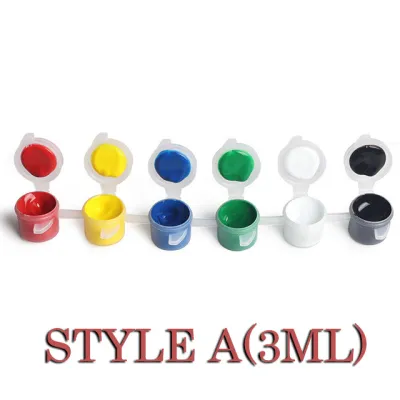
Prices are valid at publication and may change. Please refer to the product page for the latest price.
For those who desire rich color depth, smooth blending, and traditional glazing techniques, oil paint remains the classic standard. Oil paints consist of pigments suspended in drying oils like linseed oil, providing a unique refractive quality that gives colors unmatched depth. This slow-drying nature allows you to execute seamless transitions, soft-focus blending, and complex glazing layers where thin, transparent colors are built up over dry underpaintings to create a luminous, three-dimensional effect.
Evaluate Your Skill Level and Learning Curve
Every medium presents a unique learning curve; matching your choice to your technical comfort prevents frustration. Watercolor is often considered one of the most unforgiving mediums because of its transparent nature. Once a dark pigment is applied to paper, it is difficult to lift or cover up, making mistakes permanent. Working with watercolor requires careful planning, a solid understanding of water-to-pigment ratios, and the ability to embrace spontaneous, organic movement on the page.

If you prefer a highly forgiving medium where you can easily correct mistakes, acrylic paint is an excellent starting point. Because acrylics dry rapidly and are opaque, you can simply wait a few minutes and paint directly over mistakes. This fast-drying, cover-all nature allows beginners to experiment freely, test color combinations, and build confidence without the fear of ruining a canvas. The primary challenge with acrylics is learning to blend colors smoothly before the paint skins over on your palette or canvas.
Oil painting introduces a different kind of complexity, primarily centered around medium preparation, color mixing, and structural rules. While slow drying makes blending easy, you must navigate traditional rules like “fat over lean” (applying layers with more oil content over those with less) to prevent cracking as the paint cures. If you enjoy a methodical, slow-paced process and are willing to learn the chemistry of paint mediums, oils offer a deeply rewarding and highly controllable painting experience.
Consider Your Working Environment and Setup
Your workspace and local climate play a critical role in determining which paint type is practical and safe. In tropical environments with high humidity, such as the Philippines, drying times and material preservation require careful management. Watercolor is highly portable, making it perfect for small apartments, study desks, or outdoor sketching. Cleanup is straightforward, requiring only water, and the dried paint on your palette can be easily reactivated with a wet brush, minimizing waste.
Acrylic paint is also water-based and low-odor, making it safe for indoor use without specialized ventilation. However, because dried acrylic is plastic, you must manage cleanup carefully to avoid washing wet paint down household drains, where it can cause blockages. It is best practice to wipe excess paint from brushes and palettes with a paper towel before rinsing them in a water jar, allowing the paint solids in the jar to settle before disposal.
Oil painting requires the most dedicated setup and environmental considerations. Traditional oil painting relies on solvents like mineral spirits or turpentine, which release volatile organic compounds (VOCs) requiring excellent cross-ventilation. If you paint in a small, enclosed room or a shared living space, you may want to explore solvent-free oil painting techniques using natural oils (like walnut oil) and soap, or opt for water-soluble oil paints that clean up with soap and water while retaining the working properties of traditional oils.
Compare Drying Times and Workflow Preferences
Drying speed dictates your entire workflow, from how long you can work on a single layer to how quickly you finish a piece. Acrylics are the fastest-drying option, often drying to the touch within minutes. This rapid drying is ideal for artists who work in fast layers, prefer sharp graphic lines, or want to complete a painting in one session. However, in warm climates, you may need to use a stay-wet palette or mix in an acrylic retarder medium to keep the paint workable on your palette.
Oils remain wet and workable for days or weeks depending on layer thickness and local humidity. This extended open time is a major advantage for artists who enjoy taking their time to blend colors directly on the canvas, adjust values gradually, and return to a painting over multiple sessions. The trade-off is that a finished oil painting can take months to cure before varnishing, requiring a safe, dust-free space to store wet canvases.
Watercolors offer a unique middle ground where drying times are relatively fast, but the paint remains completely reversible. You can dry a wash quickly with a hand dryer, but you can also re-wet and lift paint from the paper hours or days later to soften an edge or adjust a highlight. This flexibility allows you to work at your own pace, pausing your session at any moment and resuming later without worrying about your paint drying out permanently on your palette.
Budget and Material Requirements
The initial investment and long-term cost vary significantly, driven by the surfaces and supplementary tools required. Watercolor has a relatively low barrier to entry, but it demands high-quality paper to achieve good results. Cheap wood-pulp paper warps and pills under heavy washes, making 100% cotton watercolor paper (typically 300 gsm) essential. Beyond paper, you only need a basic set of pans or tubes, a couple of soft synthetic brushes, and a mixing palette.
Acrylic painting requires a wider array of surfaces, including stretched canvas, canvas boards, wood panels, or heavy acrylic paper. While student-grade acrylics are affordable, you may need various mediums—such as matte gel, gloss medium, or retarders—to alter texture and drying time. Brushes for acrylics need to be stiffer to move the heavier paint body, and because dried acrylic ruins brushes permanently, you must factor in the cost of replacing tools if they are not cleaned immediately.
Oil painting generally carries the highest initial setup cost. In addition to canvases and heavy-duty brushes, you must purchase linseed oil, solvents or brush cleaners, brush washers, and palettes. Because oil paint can degrade raw canvas or wood, your surfaces must be primed with gesso before painting. When budgeting your art supplies, consider starting with a student-grade introductory set of tubes to test the medium before investing in professional-grade pigments, which carry a higher price tag due to their pure pigment concentration.
Frequently Asked Questions (FAQ)
Can I mix acrylic and oil paints in the same artwork?
You can use acrylic and oil paints in the same artwork, but only if you apply oil over acrylic, never the other way around. Acrylic paint dries to a non-porous, flexible plastic film, whereas oil paint cures slowly through oxidation and needs a porous surface to grip. If you apply acrylic over dry oil, the water-based paint will fail to adhere, leading to cracking and peeling over time. Many artists safely use acrylics for a fast underpainting, allow it to dry completely, and then apply oil paint for the final detailed layers.
Which artist paint is the most archival and fade-resistant?
Archival quality and fade resistance depend primarily on pigment quality and how the finished piece is protected. Professional-grade paints in all three mediums utilize high-quality, lightfast pigments rated under international standards (such as ASTM I or II) to ensure they resist fading when exposed to light. Student-grade paints often use synthetic alternatives or fillers that may fade more quickly. To maximize longevity, oil and acrylic paintings should be sealed with a protective varnish once cured, while watercolors should be framed behind UV-protective glass to shield them without altering their delicate texture.
Community discussion
Share your experience or ask a question. Comments are reviewed before publication.