
Choosing the right art paint is a foundational decision that shapes your entire creative process, from the speed of your workflow to the final texture on your canvas. The three major traditional mediums—watercolor, acrylic, and oil paint—each offer distinct physical behaviors, drying times, and visual outcomes. Finding the perfect fit requires aligning these properties with your personal style, patience, and workspace.
To make an informed choice, consider your desired painting environment and how you prefer to handle mistakes. Choose watercolor if you value luminous transparency, portability, and a quick, water-only cleanup. Opt for acrylic if you want a fast-drying, highly versatile medium that allows you to easily paint over mistakes. Select oil paint if you crave rich color blending, heavy textures, and a slow, traditional workflow that lets you work on a piece over several days. There is no single superior medium; the right art paint is simply the one that matches your creative rhythm.
Core Characteristics: How Watercolor, Acrylic, and Oil Paint Behave
To understand how these paints perform, you must look at their core chemical composition. Every art paint consists of pigment particles suspended in a binder. The binder holds the pigment together and adheres it to your surface, while a solvent or medium is used to thin the paint and control its flow. Because these components differ drastically between mediums, each paint behaves uniquely on your canvas or paper.
Products mentioned in this guide
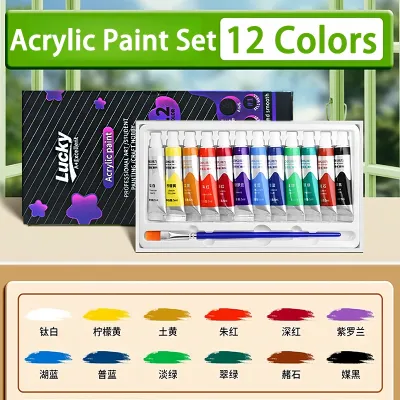
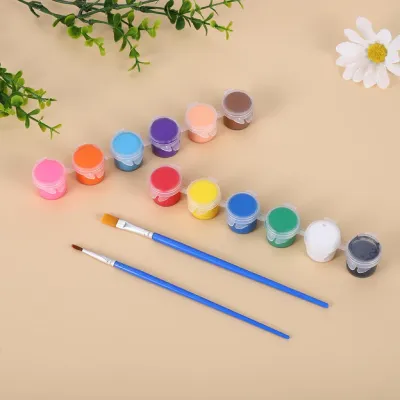
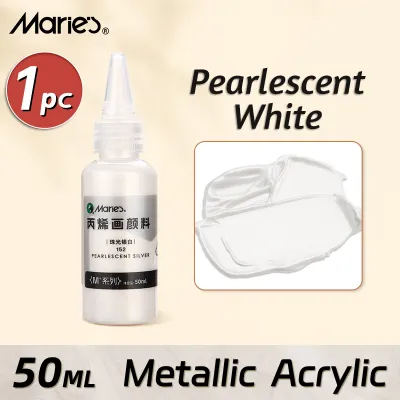
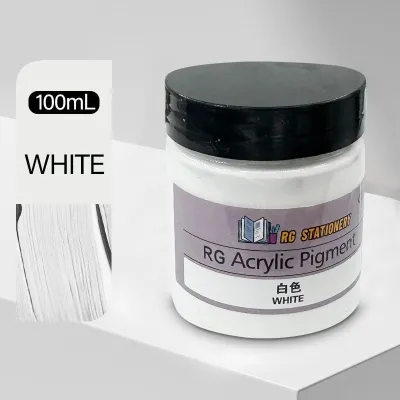
Prices are valid at publication and may change. Please refer to the product page for the latest price.
Watercolor uses gum arabic as its binder and water as its solvent. Because gum arabic remains water-soluble even after it dries, watercolor paintings can be reactivated with water at any time. This allows you to soften hard edges or lift paint off the paper long after the initial wash has dried. However, this also means watercolor lacks permanent water resistance and must be protected from moisture.
Acrylic paint relies on an acrylic polymer emulsion binder and water as its solvent. While the paint is wet, it is completely water-soluble and easy to thin. However, as the water evaporates, the polymer molecules cross-link to form a flexible, water-resistant plastic film. Once dry, acrylic paint cannot be reactivated or altered, allowing you to paint fresh layers on top without disturbing the work underneath.
Oil paint uses drying oils, most commonly linseed oil, as its binder. It is thinned using solvents like odorless mineral spirits or natural mediums like turpentine and extra linseed oil. Unlike water-based paints, oil paint does not dry through evaporation. Instead, it cures slowly through oxidation, a chemical reaction with the air. This process keeps the paint wet and workable for days or even weeks.
These chemical differences directly dictate how each medium handles opacity and layering. Watercolor is inherently transparent, meaning light passes through the paint and reflects off the white paper below. Acrylic and oil paints can range from transparent glazes to fully opaque layers, allowing you to paint light colors over dark backgrounds and build thick, physical textures on canvas.
| Medium | Binder | Drying Time | Blending Capability | Opacity | Cleanup Requirements |
|---|---|---|---|---|---|
| Watercolor | Gum arabic | Fast (minutes; remains water-soluble) | Moderate to High (while wet) | Transparent | Water only |
| Acrylic | Acrylic polymer emulsion | Fast (10 to 30 minutes; permanent) | Moderate (requires drying retarders) | Semi-transparent to Opaque | Soap and water (while wet) |
| Oil Paint | Linseed or drying oils | Very Slow (days to weeks; permanent) | High (remains wet for days) | Transparent to Opaque | Odorless mineral spirits or oil-based soaps |
Because these mediums interact uniquely with different surfaces, you should always perform a small trial on a scrap piece of your chosen paper or canvas. This allows you to personally verify the paint’s drying speed, bleed resistance, and water resistance before committing to a major project.
Learning Curve: Forgiveness and Technique
Every paint medium demands a different level of technical discipline and planning. Beginners often struggle not because they lack talent, but because they chose a medium that conflicts with their natural working speed and tolerance for mistakes.

Watercolor: Unforgiving but Rewarding
Watercolor is widely considered one of the most challenging mediums to master due to its fluid, unpredictable nature. Because the paint is highly transparent, there is no simple way to cover up mistakes. If you apply a dark value over an area that was meant to remain light, the dark pigment permanently stains the paper fibers, and you cannot easily paint over it with white.
To paint with watercolor, you must plan your composition from light to dark. You must map out your highlights and white spaces beforehand, either leaving the paper untouched or using a liquid masking fluid to protect specific areas. Controlling the water-to-pigment ratio is another major hurdle; too much water leads to uncontrollable pooling and muddy backruns, while too little water results in dry, streaky brushstrokes. Despite these challenges, mastering water control yields a delicate, luminous quality that no other medium can replicate.
Acrylic: Forgiving and Fast
Acrylic paint is highly favored by beginners due to its forgiving nature and rapid drying speed. If you make a mistake, you do not need to scrape the canvas or start over. You simply wait a few minutes for the paint to dry to the touch, then paint directly over the error with a fresh, opaque layer. This allows you to paint light highlights directly over dark backgrounds with ease.
However, this rapid drying speed presents its own challenge, particularly when it comes to blending. Creating smooth gradients, such as a soft sunset sky, requires fast, decisive brushwork before the paint sets. To extend your working time, you must mix in specialized acrylic retarder mediums, which slow down the evaporation process. Additionally, acrylic paint undergoes a slight color shift, often drying slightly darker than it appeared when wet, which requires some practice to anticipate.
Oil Paint: Slow and Methodical
Oil painting is a slow, deliberate art form that rewards patience and structural planning. The primary advantage of oil paint is its incredibly long open time. Because the paint remains wet for days, you can blend colors directly on the canvas, return to a portrait the next morning to adjust a shadow, and achieve incredibly smooth, seamless transitions.
Despite this flexibility, oil painting has a steep learning curve governed by strict technical rules. The most crucial is the “fat-over-lean” rule. “Fat” paint contains a high ratio of oil medium, while “lean” paint is heavily thinned with solvent. You must always apply fat layers over lean layers. Because lean layers dry faster than fat layers, violating this rule causes the top layer to dry and shrink while the bottom layer is still wet, leading to severe cracking and peeling over time. You must also follow the “thick-over-thin” rule, ensuring heavy impasto textures are applied in the final stages so they dry evenly.
Matching Paint Types to Your Artistic Goals
Your choice of art paint should directly reflect the visual style, themes, and physical textures you wish to explore. Each medium excels at capturing specific details and moods.
Watercolor is uniquely suited for loose, atmospheric landscapes, delicate botanical illustrations, and expressive travel sketches. Because of its transparency, it excels at capturing the soft play of light, mist, and water. Its quick setup and minimal equipment make it the perfect companion for urban sketching and journal keeping, allowing you to paint on the go without carrying heavy gear.
Acrylic paint shines in modern, graphic, and high-contrast styles. Because it dries to a durable, water-resistant finish, it is the ideal choice for pop art, abstract works with clean, hard edges, and mixed-media projects. Since acrylic acts as a strong adhesive, you can easily embed collage elements, paper, or fabric directly into the wet paint. It is also highly versatile, adhering well to wood, clay, fabric, and stone, making it the standard choice for decorative crafts and murals.
Oil paint is the traditional choice for classical realism, fine-art portraiture, and dramatic, atmospheric landscapes. The slow drying time allows you to render the soft transitions of human skin, the subtle gradient of a twilight sky, or the rich texture of fabric. Furthermore, the oil binder refracts light differently than water-based binders, giving oil paint an unmatched depth of color and a rich, wet look that persists even after the paint has fully cured.
Studio Logistics: Space, Climate, and Setup Costs
Beyond artistic style, practical considerations like your physical workspace, local climate, and budget play a decisive role in which art paint you should buy.
Workspace & Ventilation
Watercolor and acrylic paints are water-based, non-toxic, and virtually odorless, making them exceptionally safe for small apartments, bedrooms, or shared family spaces. You only need a jar of clean water to rinse your brushes, and the dry paint film does not release harmful fumes.
Oil painting introduces safety considerations due to the solvents required for thinning paint and cleaning brushes. Traditional solvents like turpentine and mineral spirits release volatile organic compounds (VOCs) that can cause headaches and dizziness without proper ventilation. If you choose oil paint, you must work in a well-ventilated room with open windows or exhaust fans. Always check the labels on your solvents for specific safety warnings, keep them out of reach of children, and store oil-soaked rags in water-filled metal containers to eliminate the risk of spontaneous combustion.
Climate Impact
In the tropical climate of the Philippines, high relative humidity and warm temperatures directly influence how paint behaves. High humidity slows down evaporation rates, which affects water-based mediums. For watercolorists, this means your paper stays damp longer, which is excellent for wet-on-wet blending but requires patience when waiting for layers to dry. For acrylic painters, the humidity slightly extends your blending time, which is a welcome benefit, though the dried surface may remain slightly tacky.
For oil painters, high humidity combined with warmth can significantly delay the oxidation process, extending drying times even further. This prolonged wet state introduces a serious risk of mold growth on the canvas and dust accumulation on the sticky paint surface. To protect your oil paintings, you must dry them in a well-ventilated room with consistent air circulation, utilizing fans or dehumidifiers if necessary to keep the air moving.
Budget & Equipment
Startup costs vary widely across the three mediums. Acrylic painting is generally the most budget-friendly entry point. You only need a basic set of synthetic brushes, student-grade paint tubes, and inexpensive canvas boards or heavy acrylic paper. No extra mediums or solvents are mandatory to get started.
Watercolor paint itself can be moderately priced, but you must invest in high-quality, heavy paper. Standard drawing paper will warp and pill under wet washes. To avoid frustration, you must purchase 100% cotton paper with a weight of at least 300 GSM (grams per square meter). You will also need soft synthetic or natural-hair brushes designed to hold large amounts of water.
Oil painting has the highest startup cost. In addition to the paint tubes, you must buy primed canvases (unprimed canvas fibers will rot from direct contact with linseed oil), stiff natural hog bristle or specialized synthetic brushes, palette knives, linseed oil, odorless mineral spirits, and a brush washer container. This makes it a more significant initial financial investment.
Final Verdict: How to Make Your Choice
To select the ideal art paint, evaluate your workspace, your patience for drying times, and your desired visual outcome.
- Choose Watercolor if: You want a highly portable, easy-to-clean setup, prefer working on heavy paper, enjoy luminous transparency, and are willing to practice water control and light-to-dark planning.
- Choose Acrylic if: You want a fast-drying, highly forgiving medium, paint in a multi-use room, prefer bold and opaque colors, and want to experiment with different surfaces and crafts.
- Choose Oil Paint if: You have a dedicated, well-ventilated workspace, love slow and deliberate blending, want rich color depth, and are willing to learn technical rules like "fat over lean."
Frequently Asked Questions (FAQ)
Can I mix acrylic and oil paint together?
You cannot physically mix wet acrylic paint and wet oil paint together on your palette. Because acrylic is water-based and oil paint is oil-based, they will repel each other, resulting in a clumpy, unusable mixture that will not adhere to your surface. However, you can safely layer them if you follow the correct sequence. You can paint oil paint over a fully dried acrylic base, which is a common technique used to block in background colors quickly. You must never paint acrylic over dried oil paint, as the water-based acrylic cannot grip the oily surface and will eventually crack, peel, and flake off.
Which paint type is the most affordable for beginners?
Acrylic paint is generally the most cost-effective and accessible option for beginners. It requires minimal auxiliary supplies—just water for thinning and cleaning, a few synthetic brushes, and an inexpensive surface like canvas boards or heavy paper. While watercolor paint itself can be cheap, the mandatory investment in heavy, high-quality cotton paper increases the starting cost. Oil paint remains the most expensive due to the necessity of canvas preparation, solvents, and specialized mediums.

Community discussion
Share your experience or ask a question. Comments are reviewed before publication.