
Choosing the right painting medium is one of the most pivotal decisions you will make as an artist, directly shaping your creative process, workspace requirements, and final visual style. Whether you are setting up a studio in a humid tropical climate like the Philippines or looking for a clean, portable hobby to enjoy at your dining table, understanding how watercolor, acrylic, and oil paints behave is essential. Each medium possesses a distinct chemical makeup that dictates how it flows, dries, and responds to your brush.
Quick Answer: How to Choose Between Watercolor, Acrylic, and Oil
The optimal paint for your art projects depends entirely on your preferred working pace, cleanup tolerance, and the surface you wish to paint on. There is no single “best” medium; rather, each offers a unique set of characteristics tailored to different artistic goals and environments.
- Choose watercolor if you value portability, fast drying times, and a delicate, translucent aesthetic. It is ideal for sketching, journaling, and working in small spaces because it requires only water for dilution and cleanup. However, it requires careful planning since mistakes are difficult to erase or cover up on paper.
- Choose acrylic paint if you want maximum versatility, rapid drying times, and a highly forgiving medium. Acrylics adhere to almost any surface, from canvas and wood to plastic and metal. Once dry, they are completely water-resistant, allowing you to quickly layer paint and easily cover up mistakes, making them excellent for crafts, mixed media, and beginners.
- Choose oil paint if you desire rich, blendable colors, slow drying times, and thick, expressive textures. Oils allow you to blend colors smoothly on the canvas over several days, making them the gold standard for traditional portraiture and landscape painting. However, they require a dedicated, well-ventilated workspace, specialized solvents, and a high level of patience for setup and drying.
Core Differences: Drying Time, Blending, and Forgiveness
To understand why these paints behave so differently, we must look at their binders—the substances that hold the pigment particles together and adhere them to a surface. Watercolor relies on gum arabic, a natural water-soluble binder. Because gum arabic remains soluble even after the water evaporates, dry watercolor paint can always be reactivated by adding water. This allows artists to continuously soften edges, lift color from the page, or remix dry paint on a palette.
Products mentioned in this guide
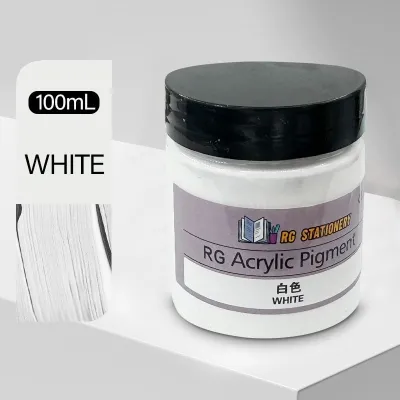
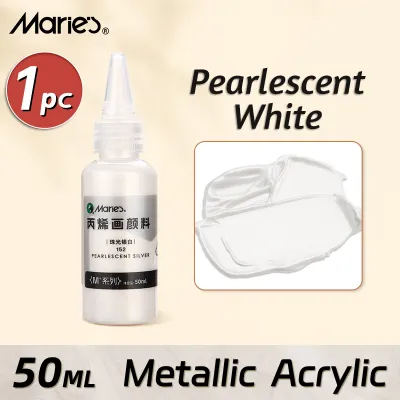
Prices are valid at publication and may change. Please refer to the product page for the latest price.

Acrylic paint utilizes an acrylic polymer emulsion as its binder. As the water in the paint evaporates, the polymer molecules fuse together to form a flexible, water-resistant plastic film. This chemical transition is permanent; once dry, acrylic paint cannot be reactivated or dissolved with water. This fast-drying, permanent nature allows you to paint crisp layers on top of one another without disturbing the paint underneath.
Oil paint is bound with drying oils, most commonly linseed oil or safflower oil. Unlike water-based paints that dry through simple evaporation, oil paint dries through a chemical process called oxidation. The oil absorbs oxygen from the air, slowly hardening into a tough, durable paint film over weeks or even months. This extremely slow drying rate gives oil paint its legendary blendability, allowing artists to work wet-in-wet for days.
The table below summarizes the key observable differences between watercolor, acrylic, and oil paints to help you compare their physical behaviors:
| Feature | Watercolor | Acrylic Paint | Oil Paint |
|---|---|---|---|
| Primary Binder | Gum arabic | Acrylic polymer emulsion | Linseed or safflower oil |
| Primary Solvent | Water | Water | Odorless mineral spirits or natural oils |
| Drying Time | Minutes (rapid evaporation) | Minutes to hours (fast evaporation) | Days to months (slow oxidation) |
| Reworkability | Highly reactivatable with water | Permanent once dry | Highly workable for hours or days |
| Opacity | Transparent to semi-opaque | Transparent to highly opaque | Transparent to highly opaque |
| Surface Adhesion | Primarily heavy paper | Excellent on canvas, wood, fabric, metal, etc. | Primed canvas, wood panels, rigid surfaces |
| Correction Method | Lifting with water (limited) | Painting over dry layers | Scraping or painting over dry/wet layers |
The concept of “forgiveness” is a crucial factor to consider when choosing your paint. Acrylics and oils are highly forgiving because of their opacity and layering capabilities; if you make a mistake, you can simply let the paint dry (or scrape wet oil paint away) and apply a fresh layer directly over it. Watercolor, by contrast, is highly unforgiving. Because it is transparent, the white of the paper serves as your brightest light, meaning you must carefully plan your composition to preserve light areas, as you cannot easily paint light colors over dark ones.
Matching the Medium to Your Skill Level and Workspace
Beginners vs. Advanced Artists
Acrylic paint is widely considered the most accessible entry point for beginners. Its straightforward dilution with water, rapid drying time, and low cost make it easy to experiment without a steep learning curve. If a stroke goes awry, you can wait a few minutes and paint right over it. The immediate gratification and simple cleanup of acrylics allow new artists to focus on color mixing and composition without worrying about complex chemical rules.
Watercolor, despite its common use in school classrooms, actually presents a challenging learning curve for serious art projects. It requires precise water control, as too much water can cause colors to bleed uncontrollably, while too little water leads to streaky, uneven washes. Because watercolor is transparent and absorbs directly into paper fibers, mistakes are difficult to undo, requiring a high level of patience, foresight, and acceptance of happy accidents.
Oil paint is highly rewarding but demands a solid understanding of painting chemistry and safety. Beginners must learn the “fat-over-lean” rule, which dictates that layers with more oil content (fat) must be applied over layers with less oil content (lean) to prevent the top layers from drying faster than the bottom layers, which causes cracking. Additionally, managing different drying rates of various pigments and handling chemical solvents safely requires a more methodical, disciplined approach.
Workspace and Time Constraints
Your physical environment and the amount of time you can dedicate to a single painting session should heavily influence your choice of medium. Traditional oil painting requires a dedicated, well-ventilated studio space. Because oil mediums and solvents can release strong fumes, working in a closed room or a small apartment without cross-ventilation is highly discouraged. Furthermore, because oil paintings remain wet and sticky for days, you need a safe, dust-free area where your work can cure undisturbed. In highly humid tropical climates, such as the Philippines, the drying process of oils can be further prolonged, making a dedicated drying space even more critical.
Watercolors are the ultimate space-saving medium. Since they are completely odorless and rely solely on water, you can easily paint at a dining table, in a bedroom, or even while traveling. When you are finished, you can simply close your palette and store your paper block away, making watercolor perfect for artists with limited space or those who prefer to paint in short, spontaneous sessions.
Acrylics offer a practical middle ground, as they do not release harmful chemical fumes and can be used safely in any room. However, their rapid drying time can be a double-edged sword. In warm, dry rooms or spaces with active ceiling fans, acrylic paint can dry on your palette within minutes. This requires you to work quickly, use a stay-wet palette, or mix in acrylic retarders to keep the paint workable, making it less suitable for artists who prefer a slow, contemplative blending process.
Selecting the Right Paint for Your Specific Art Projects
Paper-Based Illustration and Journaling
If your primary goal is to work in sketchbooks, create detailed illustrations, or practice art journaling, watercolor is the traditional and most practical choice. Its thin consistency does not add bulk to sketchbook pages, allowing books to close flat. However, the success of watercolor depends heavily on the paper you use. Standard notebook or drawing paper will quickly warp, buckle, and pill under wet washes. For best results, always use heavy watercolor paper of at least 300 GSM (grams per square meter) that has been properly sized to control water absorption.
Another excellent option for paper-based projects is acrylic gouache. This hybrid medium combines the creamy, opaque, matte finish of traditional gouache with the permanent, water-resistant binder of acrylic. Unlike traditional watercolor or gouache, dry layers of acrylic gouache will not bleed or smudge when you paint over them, making it highly popular among illustrators and designers who want flat, vibrant colors on paper.
Canvas, Wood, and Mixed Media
For painting on stretched canvas, wood panels, or rigid boards, acrylics and oils are the industry standards. Acrylics are incredibly versatile and adhere to almost any surface, including unprimed wood, terracotta, fabric, and even smooth materials like glass and plastic. This makes acrylic paint the default choice for home decor, craft projects, customized apparel, and mixed-media art where different materials are layered together.
Oil paint is unmatched when it comes to creating depth, luminous glaze layers, and rich textures on stretched canvas. However, oils cannot be applied directly to raw canvas or wood. The natural acids in drying oils will slowly rot organic fibers over time, causing the canvas to become brittle and decay. Therefore, oil painters must first prepare their surfaces with a protective barrier, typically several coats of acrylic gesso, to seal the support before painting.
Outdoor and Plein Air Painting
Painting outdoors, or plein air painting, requires careful consideration of weight, setup time, and weather conditions. Watercolor is a favorite among outdoor painters due to its minimal footprint. A compact pocket palette, a water brush (a brush with a built-in water reservoir), and a small pad of paper can fit easily into a backpack, allowing you to paint anywhere without carrying heavy equipment or toxic chemicals.
While acrylics are portable, painting with them outdoors in warm weather can be frustrating, as the sun and wind cause the paint to dry almost instantly on your brush and palette. For outdoor oil painting, many artists prefer water-mixable oils. These are genuine oil paints that have been chemically modified to mix with water instead of mineral spirits, eliminating the need to carry flammable solvents into nature while still providing the long blending times needed to capture shifting natural light.
Required Supplies, Surfaces, and Safe Cleanup Practices
Each painting medium comes with its own set of essential tools, surface requirements, and maintenance routines. Understanding these practical needs will help you anticipate the ongoing costs and safety practices associated with your chosen medium.
Watercolor paper is categorized by its texture: cold press paper has a textured, slightly bumpy surface that is highly versatile, while hot press paper is smooth and ideal for fine, detailed line work. Cleanup is simple: wash your brushes with mild soap and water, reshape the bristles, and let them dry flat. Because watercolor is water-soluble, even brushes with dried paint can be easily cleaned and restored.
Acrylic painting requires synthetic brushes (which are durable enough to withstand the heavy texture of the paint) and a palette. You can paint on canvas, heavy paper, or wood panels. The most critical rule of acrylic painting is to clean your brushes immediately. Because acrylic paint dries into a permanent plastic, any paint left to dry on a brush will ruin the bristles permanently. Keep your brushes resting in water while working, and wash them thoroughly with soap and warm water as soon as your session ends.
Oil painting requires the most complex array of supplies, including oil paint tubes, stiff bristle brushes, a palette, primed canvas or panels, and painting mediums. To thin the paint and clean your brushes, you will need a solvent such as odorless mineral spirits (OMS) or turpentine, along with a drying oil like linseed oil to adjust the paint’s viscosity.
Because of the chemical nature of oil painting, safety is a paramount concern during cleanup. Wipe excess paint from your brushes with a dry cloth before rinsing them in solvent, followed by a thorough wash with specialty brush soap and warm water. Rags, paper towels, or steel wool soaked in linseed oil or solvent-free oil mediums pose a severe fire hazard. As the oil dries through oxidation, it generates heat. If these rags are left crumpled in a pile, the heat cannot escape, which can cause them to spontaneously ignite. To prevent fires, always lay oil-soaked rags completely flat on an outdoor, non-combustible surface to dry completely, or submerge them in a water-filled metal container with a tight lid before disposing of them according to local safety guidelines.
When planning your budget, consider the types of ongoing purchases each medium requires. Watercolor involves a higher upfront cost for professional-grade paper and pigments, but because a tiny amount of paint goes a long way, a single palette can last for years with very little ongoing expense. Acrylics are highly affordable initially, but because you use much larger volumes of paint, you will need to purchase tubes and canvases frequently. Oils carry the highest overall cost, requiring ongoing investments in quality canvases, specialized brushes, solvents, painting mediums, and final varnishes to protect your completed masterpieces.
Frequently Asked Questions (FAQ)
Can I mix acrylic and oil paint together?
No, you cannot mix wet acrylic paint and wet oil paint together because water and oil naturally repel each other. Attempting to mix them on your palette will result in a clumpy, separated mess that will not adhere properly to your canvas. However, you can use them in layers, provided you follow the correct order: you can paint oil over dry acrylic, but you must never paint acrylic over oil. Many artists use fast-drying acrylics to block in the basic shapes and values of a painting (an underpainting) and then apply rich oil paint on top. If you attempt to paint acrylic over oil, the acrylic layer will fail to bond with the oily surface, leading to peeling, cracking, and flaking over time.
Which paint is the safest for children?
Watercolors and specially formulated tempera or acrylic paints labeled as non-toxic are the safest options for children. When purchasing art supplies for young artists, always check the packaging for certified non-toxic seals, such as the AP (Approved Product) seal from the Art and Creative Materials Institute (ACMI). Traditional oil paints are highly unsuitable for children due to the necessity of using flammable, toxic solvents like mineral spirits or turpentine for thinning and cleanup. Furthermore, some professional-grade oil paints contain toxic heavy metals, such as cadmium, cobalt, and lead, which pose serious health risks if accidentally ingested or absorbed through the skin.
Does watercolor fade faster than acrylic or oil?
Not necessarily. The rate at which a painting fades—known as its lightfastness—is determined by the chemical quality of the pigments used, rather than the paint medium itself. Cheap, student-grade paints of any type (watercolor, acrylic, or oil) often use synthetic dyes or low-quality fillers that fade rapidly when exposed to sunlight. Professional-grade paints, regardless of the medium, use pure, highly stable pigments designed to last for decades or even centuries. To ensure your artwork remains vibrant, always check the lightfastness rating printed on the paint tube or pan, which is typically rated on an ASTM scale (where Category I represents excellent lightfastness) or a blue wool scale, and display your finished pieces away from direct sunlight.

Community discussion
Share your experience or ask a question. Comments are reviewed before publication.