
To keep your favorite tumbler looking vibrant through daily washing, humid tropical weather, and constant condensation, you need stickers made from heavy-duty vinyl (PVC) or polyester (PET) paired with a permanent acrylic adhesive. Standard paper stickers or poorly laminated options will quickly peel, fade, or turn soggy when exposed to water and dish soap. Choosing the right material combination ensures your designs remain intact, even when your drinkware undergoes daily scrubbing.
When personalizing insulated flasks and water bottles, the durability of your design depends entirely on how well the sticker’s physical components withstand moisture, friction, and temperature changes. A sticker is not just a single piece of printed material; it is a multi-layered system consisting of a backing liner, an adhesive layer, a face stock, ink, and often a protective topcoat or laminate. Understanding how these layers interact with water and daily cleaning routines will help you select stickers that look excellent and last for years.
Key Material Requirements for Tumbler Stickers
To survive the harsh environment of daily hand-washing, a sticker must possess specific physical and chemical properties that prevent water from degrading its structure. The most critical factor is the distinction between the water resistance of the face stock (the visible top layer) and the moisture tolerance of the adhesive layer underneath. If either of these layers fails, the entire sticker will degrade, lift, or peel away from the tumbler surface.
Products mentioned in this guide
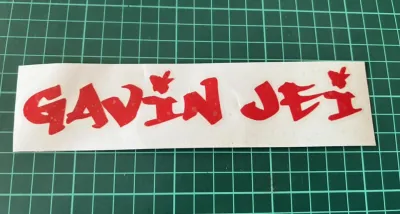
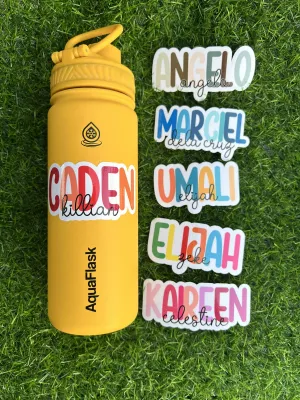
Prices are valid at publication and may change. Please refer to the product page for the latest price.
The face stock must be completely non-porous to prevent water absorption. When water penetrates a face stock, it causes the material to swell, warp, and eventually separate from the adhesive. Simultaneously, the adhesive layer must be formulated to resist emulsification—a process where water mixes with the adhesive, causing it to lose its tackiness and turn into a gooey, non-sticky residue. Permanent acrylic-based adhesives are highly preferred for this application because they form a strong, water-resistant bond that does not break down when exposed to moisture and mild dish soaps.
Another major challenge is the shape and texture of modern tumblers. Most drinkware features curved, cylindrical, or tapered surfaces, which exert constant physical tension on a sticker as it tries to flat-out or snap back to its original shape. Furthermore, many premium tumblers are finished with powder-coated or textured paints. These textured surfaces contain microscopic valleys and ridges, which significantly reduce the actual contact area for the sticker’s adhesive. To overcome this, the sticker material must be highly flexible and conformable, and the adhesive must be thick and aggressive enough to flow into these microscopic textured valleys to establish a secure grip.
Finally, daily use subjects tumblers to constant physical abrasion and environmental exposure. Every time you slide your bottle into a backpack pocket, place it in a car cup holder, or scrub it with a dish sponge, the sticker experiences friction. Without adequate abrasion resistance, the printed ink will quickly scratch off. Additionally, in tropical climates with high sunlight exposure, ultraviolet (UV) rays will rapidly break down standard ink pigments, causing colors to fade within weeks. A high-quality tumbler sticker must feature a protective laminate layer that shields the ink from both physical scratching and UV degradation.
Comparing Common Sticker Materials for Daily Washing
Different sticker materials offer varying levels of durability, flexibility, and resistance to water. Evaluating these materials based on their structural properties will help you make an informed decision for your daily-washed drinkware.

Vinyl (PVC)
Polyvinyl chloride, commonly known as vinyl, is the industry standard for durable, water-resistant stickers. Vinyl is highly flexible and possesses a slight amount of stretch, which allows it to conform beautifully to the complex curves, ridges, and contours of tumblers. It is naturally waterproof, meaning the material itself will not absorb moisture, swell, or degrade when submerged. When paired with a permanent, solvent-based acrylic adhesive, vinyl stickers can withstand daily hand-washing, condensation, and outdoor exposure for years without lifting at the edges. This flexibility makes vinyl the most reliable choice for standard insulated flasks.
Polyester (PET)
Polyester, or polyethylene terephthalate, is an exceptionally durable plastic material known for its high tensile strength, chemical resistance, and thermal stability. PET stickers are much more rigid than vinyl, which gives them excellent resistance to tearing and stretching. They can withstand higher temperatures and exposure to mild cleaning chemicals without warping. However, because PET is relatively stiff, it is best suited for flat surfaces or simple cylindrical curves. If applied to highly tapered or multi-curved areas of a tumbler, the stiffness of the polyester may cause the edges to lift over time as the material attempts to return to its flat state.
BOPP (Biaxially Oriented Polypropylene)
BOPP is a popular labeling material made by stretching polypropylene film in two directions. This manufacturing process enhances the material’s strength, clarity, and moisture resistance. BOPP is commonly used for product packaging, such as shampoo bottles and food containers, because it is thin, cost-effective, and highly resistant to water and oils. While BOPP performs well against moisture, it is generally thinner and less rugged than premium cast vinyl. It is suitable for tumblers that receive gentle hand-washing, but it may not hold up as long as thick vinyl under heavy daily friction and rough handling.
Laminated Paper
Laminated paper stickers consist of a standard paper base covered with a thin plastic topcoat. While the plastic laminate protects the printed surface from light splashes and fingerprints, this material is highly vulnerable to daily washing. Water inevitably finds its way to the exposed, unsealed cut edges of the sticker. Once moisture penetrates the paper core through capillary action, the paper swells, causing the laminate to peel away and the adhesive to fail. Within a few washes, laminated paper stickers will become soggy, wrinkled, and begin to peel off in layers, making them entirely unsuitable for drinkware.
How to Verify Waterproof Claims Before Purchasing
Because marketing terms like “waterproof” and “water-resistant” are often used interchangeably by sellers on online marketplaces, it is essential to verify the actual specifications of the stickers before purchasing. Taking a few moments to inspect the product details can save you from the disappointment of ruined designs and sticky residue on your favorite bottle.
First, look closely at the manufacturer’s care instructions and specifications. True waterproof stickers designed for heavy use will often be explicitly labeled as “weatherproof,” “outdoor-grade,” or “dishwasher-safe.” If a product description only mentions “water-resistance,” it is likely intended for light indoor use, such as on laptops or notebooks, where it can survive an occasional spill but not repeated submersion or scrubbing. Be cautious of listings that do not specify the base material; if it simply says “paper sticker with protective coating,” it will not survive daily washing.
Second, verify the printing and finishing process. High-quality waterproof stickers utilize UV-cured inks or eco-solvent inks printed on professional vinyl. More importantly, they should feature a distinct overlamination layer—either matte or glossy—applied over the print. This laminate is a physical sheet of clear plastic that seals the ink underneath. If a seller describes their stickers as “inkjet printed” without mentioning a laminate or topcoat, the ink is highly likely to bleed, smear, or fade the first time it comes into contact with dish soap and water.
Third, check the adhesive specifications. Look for terms like “permanent acrylic adhesive” or “solvent-based adhesive.” Water-based adhesives are cheaper to produce but tend to break down and turn gummy when exposed to water over extended periods. Permanent solvent adhesives, on the other hand, cure to form a chemical bond with the tumbler’s surface that resists water penetration. If you are buying custom stickers from a local print shop, do not hesitate to ask them directly about the specific brand and grade of vinyl and adhesive they use.
Finally, if you are planning to decorate a high-value tumbler or apply a large number of stickers, perform a small-batch application test. Apply a single sticker to a glass jar or a scrap piece of metal with a similar finish to your tumbler. Allow it to cure fully, then subject it to your typical daily washing routine for a week. Observe the edges for any signs of lifting, check if the colors bleed, and feel if the sticker becomes soft or loose. This hands-on trial is the most reliable way to verify performance before committing to your final design.
Application and Maintenance for Maximum Adhesion
Even the highest-quality waterproof vinyl sticker will fail prematurely if it is applied incorrectly or subjected to improper cleaning habits. Proper surface preparation, correct application techniques, adequate curing time, and gentle maintenance are the keys to ensuring your stickers remain firmly bonded to your tumbler for the long haul.
Surface Preparation
Before applying any sticker, the surface of your tumbler must be completely free of oils, dust, fingerprints, and soap residue. Even invisible oils from your hands can create a barrier that prevents the adhesive from making direct contact with the tumbler. Clean the application area thoroughly using isopropyl alcohol and a clean, lint-free microfiber cloth. Avoid using standard glass cleaners or dish soaps for this step, as many of them leave behind thin chemical films or moisturizing agents that compromise adhesive performance. Allow the alcohol to evaporate completely so the surface is bone-dry before proceeding.
Application Technique
When applying the sticker, start from one edge or the center and slowly smooth it down onto the tumbler surface. Use a plastic squeegee, a felt-tipped scraper, or a clean credit card wrapped in a soft cloth to apply firm, even pressure as you lay the sticker down. This process pushes out any trapped air bubbles, which can expand and contract with temperature changes and eventually cause the sticker to lift. Pay extra attention to the outer edges and fine details of the design; press firmly along the entire perimeter to ensure the adhesive makes complete contact with the tumbler, especially on curved or textured powder-coated finishes.
Curing Time
One of the most common mistakes is washing or using the tumbler immediately after applying a sticker. Pressure-sensitive adhesives require time to flow microscopically into the texture of the surface and build a permanent bond. For best results, allow the sticker to cure undisturbed in a dry, room-temperature environment for at least 24 to 72 hours before exposing it to any moisture, condensation, or washing. This curing period allows the adhesive to reach its maximum bonding strength, significantly increasing its resistance to water ingress at the edges.
Washing Habits
To extend the lifespan of your decorated tumbler, always wash it by hand using mild dish soap and cool or lukewarm water. Avoid using abrasive scrubbing pads, steel wool, or the rough side of utility sponges directly over the stickers, as these will scratch the protective laminate and eventually lift the edges. Instead, gently wipe the stickered areas with a soft microfiber cloth or the smooth foam side of a sponge. Never submerge or soak your stickered tumbler in a sink full of soapy water for extended periods, as prolonged submersion can slowly compromise even the strongest permanent adhesives.
Frequently Asked Questions (FAQ)
Can I use a dishwasher for tumblers with waterproof stickers?
It is highly recommended to hand-wash tumblers decorated with waterproof stickers, even if the stickers are labeled as dishwasher-safe. Dishwashers subject items to extremely high water temperatures, prolonged submersion, and highly alkaline detergents. This combination of intense heat and harsh chemicals rapidly degrades the adhesive layer, causing it to soften, slide, or lose its grip. Furthermore, the high-heat drying cycle can cause plastic sticker materials like vinyl to shrink or warp, leading to edge curling and peeling. To preserve the integrity of both your stickers and the vacuum seal of your insulated tumbler, stick to gentle hand-washing.
Will clear nail polish or craft sealant make a regular sticker waterproof?
Using clear nail polish, mod podge, or aerosol craft sealants over a standard paper sticker is a temporary DIY fix that rarely succeeds in the long run for daily-washed items. These liquid sealants often contain solvents that can chemically react with the sticker’s ink, causing the design to smear, bleed, or discolor. Additionally, while the sealant may protect the top surface of the sticker, it cannot prevent water from seeping underneath the edges through capillary action. Once water gets under the sticker, the paper base will absorb the moisture, swell, and peel away, carrying the cracked sealant layer with it. For reliable durability, it is always better to use factory-laminated vinyl stickers.
How do I remove a waterproof sticker without damaging the tumbler?
To remove a durable waterproof sticker without scratching or damaging your tumbler’s finish, you must carefully break down the permanent adhesive. Start by applying gentle heat to the sticker using a hairdryer on a low setting for 10 to 15 seconds; this softens the acrylic adhesive, making it pliable. Slowly peel the sticker back from one edge at a shallow angle, applying more heat if you encounter resistance. Once the sticker is removed, clean any remaining sticky residue by applying a small amount of baby oil, eucalyptus oil, or isopropyl alcohol to a soft microfiber cloth and rubbing gently. Avoid using metal blades, steel wool, or harsh acetone-based solvents, which can scratch or strip the paint and powder coating off your tumbler.
Community discussion
Share your experience or ask a question. Comments are reviewed before publication.