
Choosing the right medium for colored pencil art often comes down to a fundamental choice between wax-based and oil-based formulations. Wax-based color pencils blend better for immediate, rich, on-paper mixing and heavy burnishing, while oil-based color pencils excel at producing smooth, gradual shading through precise, multi-layered applications. The ideal choice for your studio does not depend on one type being objectively superior, but rather on how each binder interacts with your specific drawing style, paper selection, and local environmental conditions. When selecting a professional color pencil set, understanding how these two binder types behave under pressure and in different climates is key to achieving seamless gradients and preserving the longevity of your artwork.
Understanding the Binders: How Wax and Oil Change the Core
To understand why these two pencil types perform so differently, it is essential to look at the material science of their cores. A color pencil core consists of three primary ingredients: pigment for color, filler (such as clay or talc) for structure, and a binder to hold everything together and adhere the pigment to the paper. The binder is the defining factor that dictates the pencil’s hardness, texture, laydown, and blending characteristics.
Wax-based color pencils utilize a binder primarily made of paraffin, beeswax, or synthetic waxes. Wax is naturally soft, malleable, and has a low melting point. This physical profile allows the core to wear down quickly, depositing a thick, opaque layer of pigment and binder onto the paper with minimal friction. The resulting stroke feels creamy, buttery, and highly saturated, allowing the artist to cover large areas of the page rapidly.
Products mentioned in this guide
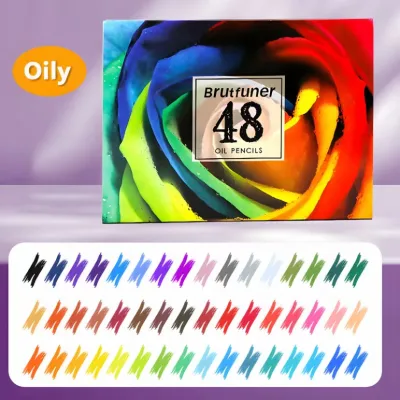
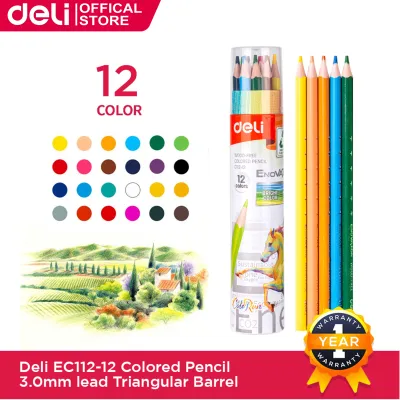
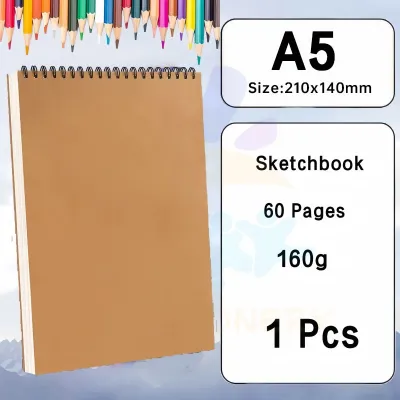
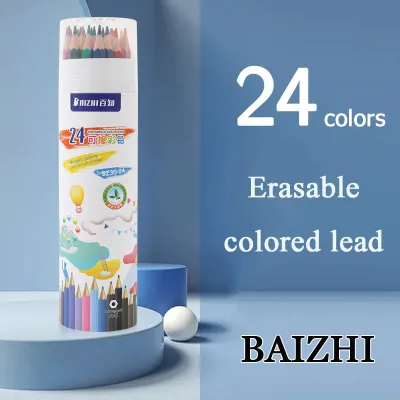
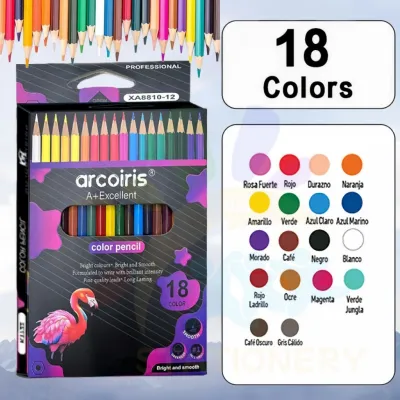
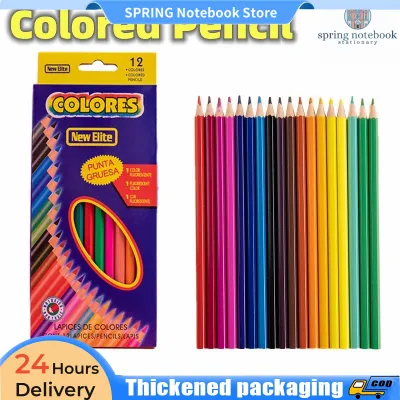
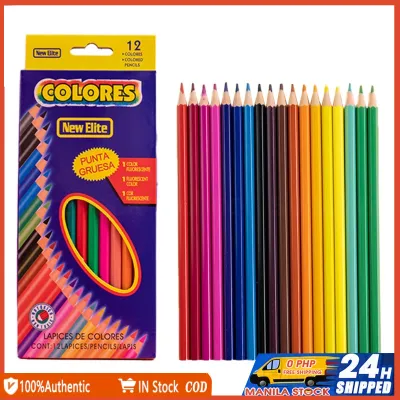
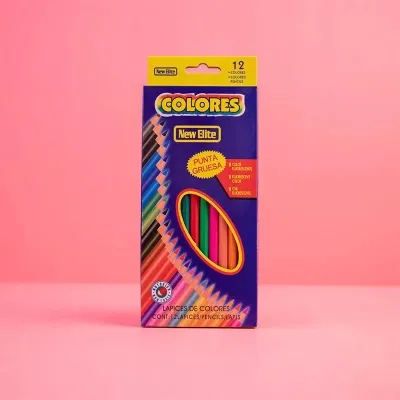
Prices are valid at publication and may change. Please refer to the product page for the latest price.
In contrast, oil-based color pencils use a vegetable-based drying oil—such as linseed, safflower, or soy oil—often combined with a small amount of hard wax to maintain structural integrity. Oil binders create a much harder, denser core. When you draw with an oil-based pencil, the core resists deforming, depositing a much thinner, more translucent film of pigment. The sensation on the paper is often described as a smooth, controlled glide rather than a soft, buttery smear.
These physical differences are highly sensitive to environmental conditions, particularly in tropical regions like the Philippines. High ambient temperatures and relative humidity can soften wax binders significantly, making them feel sticky, prone to clumping, or easily broken during application. Oil-based binders, however, maintain their structural hardness and predictable glide even in warm, humid studio environments, making them highly favored by artists working in tropical climates.
Blending and Shading Performance Compared
The mechanical differences between wax and oil binders dictate entirely different approaches to blending and shading. To get the best results from your color pencil set, you must match your technique to the physical properties of the binder.

Wax-Based Pencils for Direct Blending and Burnishing
Wax-based pencils are the traditional choice for artists who prefer to mix colors directly on the paper’s surface. Because the wax binder is soft and easily displaced, applying a second color over a first color physically mixes the pigments together, much like oil pastels or crayons but with far greater precision. This physical mixing allows for rapid, expressive color transitions.
One of the most popular techniques for wax-based pencils is burnishing. Burnishing involves applying heavy pressure with a light-colored pencil, a colorless blender, or a paper stump to crush the paper’s texture (the “tooth”) and fuse the layers of wax into a solid, glossy, paint-like glaze. This technique eliminates any white spots from the paper showing through, resulting in a highly saturated, polished finish that resembles an oil painting.
However, this heavy application comes with a significant chemical drawback known as wax bloom. Over time—often within a few days to weeks—the wax binder in heavily saturated areas naturally migrates to the surface of the drawing. As it contacts the air, it crystallizes into a cloudy, white, or hazy film. While wax bloom does not damage the pigment underneath, it temporarily dulls the vibrancy and contrast of the artwork, particularly in dark shadows and deep black areas. This requires ongoing maintenance or preventative measures to keep the artwork looking its best.
Oil-Based Pencils for Layering and Smooth Shading
Oil-based pencils take a completely different approach to color mixing, relying on optical blending rather than physical mixing. Because the oil binder deposits a thin, translucent layer of pigment, the color of the paper and the underlying layers of pencil remain visible. To blend colors, the artist builds up multiple fine, overlapping layers—sometimes up to twenty or thirty passes—allowing the eye to mix the colors optically.
This layering method produces incredibly smooth, subtle gradients and realistic skin tones, as the transition from one value to another is built up gradually without the risk of sudden, heavy patches. The harder core allows for precise control over the amount of pigment deposited, ensuring that delicate highlights and soft shadows are rendered with extreme accuracy.
For faster blending or to achieve a painted effect, oil-based pencils respond beautifully to solvents. Applying a small amount of odorless mineral spirits, rubbing alcohol, or citrus-based solvents with a brush dissolves the oil binder, turning the pencil marks into a smooth, liquid wash that sinks deep into the paper fibers. Once dry, the solvent evaporates, leaving a flat, matte finish that can be layered over again.
Furthermore, because oil-based pencils do not contain heavy concentrations of soft wax, they are completely immune to wax bloom. Dark portraits, deep night skies, and rich botanical shadows retain their deep, saturated values indefinitely, ensuring that the artwork looks exactly as the artist intended without developing a hazy white film over time.
Writing Experience, Point Retention, and Paper Interaction
Beyond the visual results, the physical handling of the pencils during the creative process is a major consideration for any artist. The hardness of the binder directly influences point retention, break resistance, and how the pencil interacts with the paper’s texture.
Point retention is one of the most significant practical advantages of oil-based pencils. Because the core is firm and dense, it holds a sharp, needle-like point for a remarkably long time. This makes oil-based pencils indispensable for fine detail work, such as drawing individual hairs, intricate fur textures, sharp botanical veins, and precise architectural lines. Wax-based pencils, on the other hand, wear down rapidly. A sharp point can become dull after just a few strokes, requiring the artist to sharpen the pencil constantly, which leads to faster pencil consumption and more waste.
This rapid wear also affects break resistance. When sharpening a wax-based pencil, the soft core is highly susceptible to fracturing inside the wooden casing, especially if the pencil has been dropped or subjected to rough handling. It is common for the lead to fall out repeatedly during sharpening, which can be incredibly frustrating. Oil-based cores are much tougher and less prone to internal shattering, allowing them to be sharpened to a long, fine point using manual crank sharpeners, electric sharpeners, or even a handheld utility blade without breaking.
The two binder types also consume the paper’s “tooth”—the microscopic texture of the paper fibers—in very different ways. Paper tooth acts like a series of tiny hooks that shave pigment off the pencil core. Wax binders, being soft and thick, fill these hooks very quickly. Once the paper tooth is completely saturated with wax, the surface becomes slick and non-receptive; any additional pencil strokes will simply slide across the surface without depositing color. Oil binders deposit much less material per stroke, preserving the paper tooth for many more layers. This allows the artist to continuously adjust values, add fine details, and rework areas late in the drawing process without running out of paper grip.
In humid tropical environments, paper fibers naturally absorb moisture from the air, which softens the tooth and reduces its ability to shave pigment off hard pencils. When using wax-based pencils on slightly damp paper, the soft wax can clump and create uneven, patchy textures. Oil-based pencils, with their harder cores, glide more predictably over moisture-softened fibers, maintaining a consistent laydown and preventing the patchy buildup that can ruin a smooth gradient.
Quick Comparison: Wax vs. Oil Color Pencils
To help you quickly evaluate the key differences between these two pencil types, the table below summarizes their primary material properties, blending methods, and handling characteristics.
| Parameter | Wax-Based Pencils | Oil-Based Pencils |
|---|---|---|
| Core Hardness | Soft and creamy | Firm and dense |
| Primary Blending Method | Physical mixing on paper, burnishing | Optical layering, solvent blending |
| Layering Capacity | Low to moderate (fills tooth quickly) | High (allows dozens of fine layers) |
| Wax Bloom Risk | High (develops white haze over time) | None (retains deep, dark values) |
| Point Retention | Poor (dulls quickly, requires frequent sharpening) | Excellent (holds a fine point for detail work) |
| Ideal Art Styles | Bold, expressive, painterly illustrations | Highly detailed, realistic portraits, botanical art |
How to Choose the Right Color Pencil Set for Your Art Style
Selecting the perfect color pencil set requires matching the physical strengths of the binder to your artistic goals, working methods, and budget. Here is a practical decision framework to guide your choice.
Choose Wax-Based if:
- You prefer a fast, expressive drawing process with immediate color saturation.
- Your art style relies heavily on burnishing, physical blending on the paper, and creating bold, painterly textures.
- You enjoy a soft, creamy, and buttery drawing sensation that requires very little hand pressure to deposit vibrant color.
- You are working on projects that do not feature large areas of deep, dark shadows where wax bloom would be highly noticeable.
Choose Oil-Based if:
- Your work demands extreme precision, fine details, and sharp, clean lines that require a long-lasting point.
- You prefer building up smooth, realistic gradients through twenty or more delicate, translucent layers.
- You want to use solvents (like mineral spirits or alcohol) to blend your drawings into smooth, painterly washes.
- You want to avoid the hassle of wax bloom entirely, ensuring your dark values and deep shadows remain rich and clear over time.
Verify First if:
- The packaging of the color pencil set explicitly states the binder type. Many budget, student-grade, or generic sets do not disclose their formulation, often using a cheap mixed binder that exhibits the worst traits of both types (breaking easily like wax but failing to blend smoothly like oil).
- You check the manufacturer's official specifications for lightfastness. Lightfastness—the resistance of the pigment to fading under light—is independent of the binder type. A high-quality oil or wax set will have clear ratings (such as the ASTM D6901 standard) printed on each pencil.
- You conduct an observable trial on a scrap piece of your preferred paper. Because smoothness, blending capability, and erasability depend heavily on the exact combination of pencil binder, pigment quality, and paper tooth, testing a few individual pencils before committing to a full set is the most reliable way to verify performance in your specific studio environment.
Frequently Asked Questions (FAQ)
Can you mix wax and oil-based color pencils in the same drawing?
Yes, you can absolutely mix wax-based and oil-based color pencils within the same artwork, but the order of application is critical for successful adhesion. The general rule of thumb is to apply oil-based pencils first, followed by wax-based pencils in the upper layers. Because oil-based pencils deposit a thin, hard, and slightly textured layer, they leave plenty of paper tooth exposed for subsequent layers to grip. Wax-based pencils, being soft and sticky, can easily adhere to this oil-based foundation.
Conversely, if you apply a heavy layer of wax-based pencil first—especially if you burnish the area—the wax will fill the paper tooth and create a slick, glossy barrier. Attempting to draw over this heavy wax layer with a hard, oil-based pencil will usually cause the pencil tip to slide helplessly across the surface without depositing any pigment. In some cases, the hard oil tip may even scrape up and damage the underlying wax layers. If you must use both, keep your wax layers light until the very end, and always conduct a quick test on a scrap piece of paper to verify how the specific brands interact.
How do you prevent or fix wax bloom on heavily shaded areas?
Wax bloom is a natural, harmless chemical process where the wax binder migrates to the surface of a drawing, creating a cloudy, white haze. It is particularly common in humid environments, as moisture can accelerate the migration of the wax.
To temporarily fix wax bloom, gently buff the affected area with a clean, dry microfiber cloth, a soft tissue, or a cotton swab. Use light, circular motions to wipe away the crystalline wax haze, which will instantly restore the original depth and vibrancy of your colors. Avoid using heavy pressure, as this can smear the pigment or damage the paper fibers.
To permanently prevent wax bloom from returning, you must seal the surface of the drawing. Once your artwork is complete and you have buffed away any existing bloom, apply two to three light coats of a high-quality, UV-resistant fixative spray designed specifically for colored pencils. Ensure you spray in a well-ventilated area, holding the can at the manufacturer’s recommended distance (usually 10 to 12 inches) to prevent pooling. The fixative creates a protective barrier that locks the wax binder in place, preventing it from migrating to the surface and protecting your drawing from moisture and UV damage.
Do oil-based color pencils require special paper for smooth shading?
While oil-based color pencils do not strictly require highly specialized paper, their performance and the smoothness of your shading are heavily influenced by the texture of the paper you choose. Because oil-based cores are harder and deposit thinner layers, they rely on the paper’s tooth to shave off the pigment.
For the smoothest shading and maximum layering capacity, look for paper with a medium to fine tooth. Hot-pressed watercolor paper (which is smooth but retains a subtle, dense texture) and heavy-weight bristol board with a vellum finish are outstanding choices. These papers provide enough grip to pull the pigment from the hard oil core while allowing you to build up dozens of translucent layers without the pencil skipping or leaving a grainy, speckled appearance.
Avoid papers that are extremely rough, such as cold-pressed watercolor paper, as the deep texture will require immense pressure to fill, resulting in a grainy look that is difficult to smooth out without solvents. Conversely, avoid papers that are completely smooth and non-porous, such as plate-finish bristol or glossy photo paper. These surfaces lack the necessary grip, causing the oil-based pencil to slide without depositing enough pigment to build deep, rich values.
Community discussion
Share your experience or ask a question. Comments are reviewed before publication.