
Choosing between wax-based and oil-based color pencils is not a matter of finding a single superior option, but rather of matching the core’s physical properties to your specific drawing technique and project needs. Neither core type is universally better; instead, each serves a distinct artistic purpose. Wax-based color pencils generally feature softer cores, which allow for quick color coverage, a buttery feel, and easy blending directly on the paper. In contrast, oil-based color pencils typically utilize harder cores that hold a sharp point longer, making them ideal for fine details, extensive layering, and avoiding the cloudy surface film known as “wax bloom.” Before purchasing, always check product labels and manufacturer specifications to verify binder types and lightfastness ratings.
Core Composition and Binding Agents Explained
To understand how these pencils perform, it is helpful to look at how their cores are manufactured. Every color pencil core is a composite material made by combining finely ground color pigments with binding agents and structural filler materials, such as clay. The binding agent is the crucial ingredient that holds the pigment particles together in a solid stick and allows them to transfer smoothly onto a surface.
Wax-based pencils use wax, such as paraffin or beeswax, as their primary binder. This formulation naturally results in a physical core that is softer and more pliable. When you apply pressure, the soft wax easily breaks down, releasing a generous amount of pigment onto the paper with minimal effort. This structure is what gives wax-based pencils their characteristic smooth, almost creamy glide.
Products mentioned in this guide
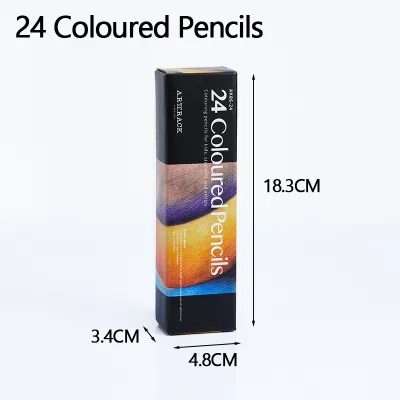
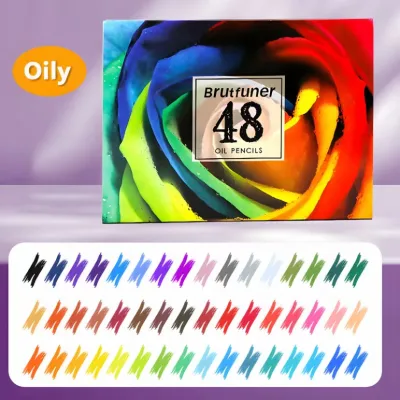
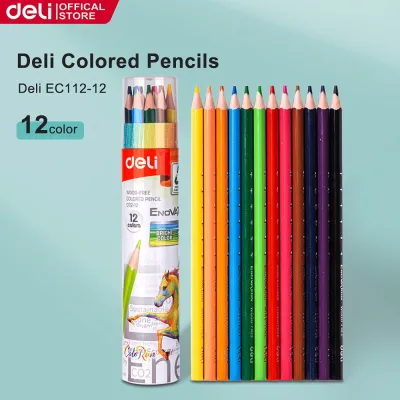
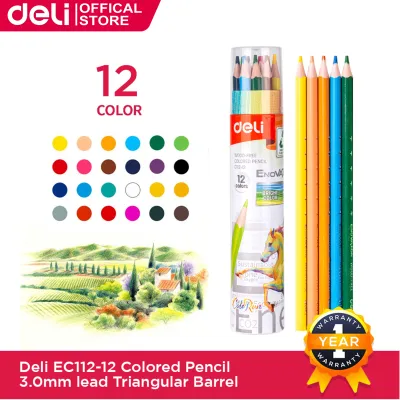
![[RF NOTES] 12pcs Color Boxed Colored Pencils Children Drawing Pens Colouring Pencil School Student Pencil Set](https://img.lazcdn.com/g/p/0faec39bf0a4c7d69c6264d7899be63c.png_400x400q80.png_.webp)
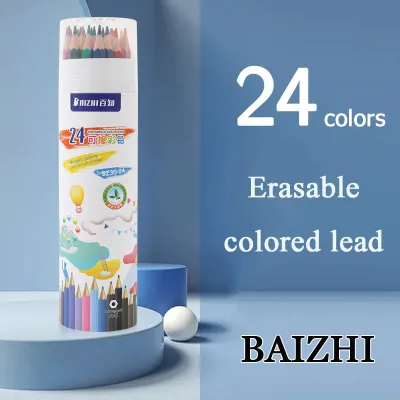
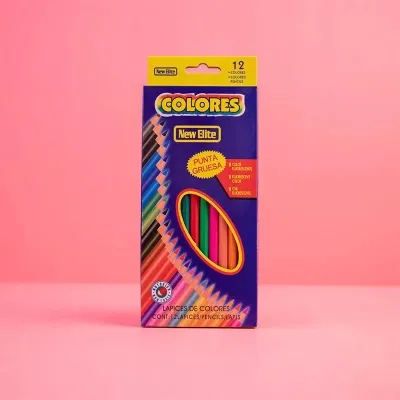
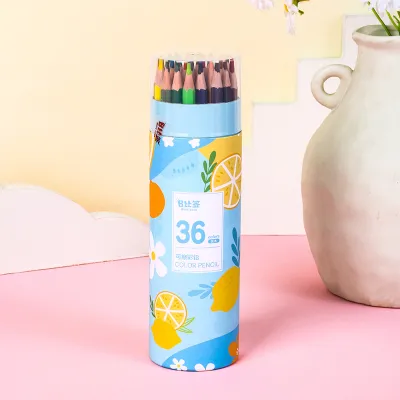
Prices are valid at publication and may change. Please refer to the product page for the latest price.
Oil-based pencils use a combination of vegetable oils and harder waxes to bind the pigments. This oil-dominant formula creates a slightly harder, denser, and more durable core structure. Because the oil binder does not break down as rapidly under friction, the core resists wearing down and maintains its structural integrity even under firmer drawing pressure. These material properties dictate their handling characteristics, rather than making one binder type inherently superior to the other.
Blending and Layering Capabilities Compared
The way a color pencil blends and layers determines the depth and realism you can achieve in your artwork. Because wax and oil binders behave differently under friction, they require distinct techniques to achieve smooth transitions and rich gradients.

Wax-Based Blending Characteristics
The soft, buttery nature of wax-based cores makes them exceptionally responsive to physical blending. The thick layer of soft binder remains highly malleable on the surface, allowing you to easily blend colors together using dry tools like paper stumps, tortillons, or even a clean cotton swab. The colors mix directly on the page, creating smooth, painterly transitions with minimal effort. For seamless gradients, wax-based pigments also dissolve readily when exposed to solvent-based blenders or odorless mineral spirits.
However, this ease of application comes with a physical limitation: the paper’s “tooth”—the microscopic texture of the paper surface—fills up very quickly. Because wax deposits a thick, heavy layer, the paper fibers soon become completely saturated, leaving no physical texture for subsequent layers of pencil to grip. Attempting to add more layers after reaching this saturation point will cause the new pencil to slide over the surface without leaving any color.
Heavy layering with wax-based pencils can also lead to “wax bloom,” a natural phenomenon where a hazy, whitish, or cloudy film gradually appears on the surface of a drawing days or weeks after completion. This occurs when the wax binder migrates to the surface and crystallizes upon exposure to air, particularly in warm or humid environments. You can check for wax bloom by examining the drawing under a direct light source; if a dull, pale sheen has formed over the dark areas, it is a clear sign of wax migration. This is a natural property of the material, not a product defect.
Oil-Based Blending Characteristics
In contrast, oil-based color pencils handle blending and layering in a much more controlled, gradual manner. Because the oil binder creates a harder core, the pencil deposits a much thinner, more transparent layer of pigment with each pass. To blend oil-based colors smoothly, you must rely on deliberate layering, gradual pressure transitions, or specific burnishing techniques, such as applying heavy pressure with a light-colored pencil or a colorless blender to fuse the layers. They also respond beautifully to solvent-based blenders, which break down the oil binder to create smooth, watercolor-like washes.
The primary advantage of oil-based pencils lies in their superior layering capacity. Because each stroke deposits a thin, dry film of pigment and oil, you can build up dozens of delicate glazes of color without prematurely filling the paper’s tooth. This allows for incredibly complex color mixing, subtle value shifts, and deep, luminous tones that maintain their clarity.
Furthermore, because oil-based pencils contain little to no soft wax, they are completely immune to wax bloom. Your finished drawings will retain their deep, saturated colors and original finish indefinitely without developing a cloudy film. However, because the harder core interacts differently with various surface textures, you should always test your layering limits on a scrap piece of your specific paper stock to determine how many layers it can comfortably support before the surface becomes too slick to accept more pigment.
Pigmentation, Vibrancy, and Color Payoff
A common misconception is that oil-based pencils are inherently more vibrant than wax-based pencils. In reality, the overall vibrancy and color payoff of any color pencil are determined by the pigment-to-binder ratio and the quality of the pigments used, rather than the type of binder itself. Both categories include cheap student-grade pencils with high filler content, as well as premium, artist-grade pencils packed with pure, lightfast pigments.
The difference lies in how that vibrancy is experienced during the initial application. Wax-based pencils often feel much more vibrant and opaque on the very first stroke. Because the soft wax binder releases a generous volume of material with minimal downward pressure, it immediately covers the paper fibers, creating a solid, opaque block of bright color. This instant gratification makes wax-based pencils popular for artists who want quick, bold results and high immediate coverage.
Oil-based pencils, by comparison, may initially appear less vibrant or more translucent because the harder core deposits less material per stroke. Achieving a highly saturated, opaque color payoff with oil-based pencils requires a more patient, deliberate approach, building up multiple thin layers to gradually intensify the color. Once these layers are fully built up, however, the color payoff is incredibly rich, deep, and luminous, possessing a distinct clarity that is difficult to replicate with thick, opaque wax layers.
To ensure you are getting the color quality you need, do not rely solely on whether a pencil is labeled “wax-based” or “oil-based.” Instead, verify the specific pigment grade—such as student-grade versus professional or artist-grade—on the packaging or the manufacturer’s official website. Artist-grade pencils contain a much higher concentration of finely milled pigments and fewer cheap fillers, ensuring superior vibrancy regardless of the binder type. Additionally, check the pencil’s lightfastness rating, which is typically printed directly on the pencil barrel or listed in the manufacturer’s color chart.
Durability, Break Resistance, and Sharpening
The physical handling and structural durability of your color pencils directly impact your drawing workflow and tool longevity. The choice of binder dictates how well a pencil core can withstand the mechanical stress of sharpening, drawing pressure, and environmental exposure.
Because the oil binder creates a dense, cohesive, and hard core, oil-based pencils are exceptionally durable and break-resistant. They can be sharpened to an incredibly fine, needle-like point without snapping under pressure. This structural strength makes them the ideal choice for executing intricate details, hair-thin lines, and precise outlines. The point remains sharp for an extended period of drawing, reducing the frequency of sharpening and minimizing pencil waste.
Wax-based pencils, with their soft and pliable cores, are significantly more fragile. The soft wax core dulls very quickly during use, requiring frequent sharpening to maintain any level of detail. Furthermore, the core is highly susceptible to internal fractures; if a wax-based pencil is dropped onto a hard floor, or if it is subjected to aggressive sharpening, the delicate core can easily shatter inside the wooden casing, leading to situations where the lead repeatedly falls out during sharpening.
To maintain and protect softer wax cores, you should adopt gentle, low-risk sharpening techniques. Always use a manual, high-quality handheld sharpener with a sharp, undamaged blade, rather than a heavy-duty electric sharpener. When sharpening, hold the pencil still and rotate the sharpener around it to apply even, balanced pressure. Avoid over-sharpening the pencil to an extremely long, thin point, as the soft wax will inevitably snap the moment it touches the paper.
Environmental conditions also play a massive role in core durability, especially in tropical climates like the Philippines. High ambient heat and humidity can cause wax-based cores to become excessively soft, sticky, or structurally weak. To prevent this, check the manufacturer’s care instructions for proper storage, and consider storing your pencils in a cool, dry space with silica gel packets to absorb excess moisture. If a wax-based pencil becomes too soft to sharpen, placing it in a refrigerator for a few minutes can temporarily harden the core.
Paper Compatibility and Surface Texture
No color pencil performs in a vacuum; its behavior is entirely dependent on the paper surface you choose. The “tooth” or texture of the paper acts as a mechanical file, scraping the pigment and binder off the pencil core and holding it in place. Matching your binder type to the correct paper texture is crucial for achieving the best possible results.
Wax-based pencils are highly versatile and perform exceptionally well on a wide variety of paper surfaces, including smoother stocks like bristol board, hot-pressed watercolor paper, or standard sketchbooks. Because the soft wax binder is highly pliable, it easily deforms and fills the microscopic grooves of smoother papers, allowing you to achieve solid, even color coverage without needing a highly textured surface to grip the pigment.
Oil-based pencils, conversely, thrive on papers with a more pronounced, medium-to-rough tooth, such as cold-pressed watercolor paper, pastel paper, or specialized mixed-media drawing boards. The harder oil core requires a rougher texture to physically abrade the core and pull the pigment onto the page. If you attempt to use oil-based pencils on an extremely smooth, non-porous paper, the hard core will glide over the surface without depositing much color, making it difficult to build up depth or achieve rich saturation. The texture of a rougher paper grips the oil binder beautifully, facilitating the extensive, multi-layered glazing techniques that oil-based pencils are famous for.
Before starting any major project, always check the paper packaging for specifications regarding weight (measured in grams per square meter, or gsm), texture (such as hot-pressed, cold-pressed, smooth, or medium), and intended media compatibility. To avoid wasting expensive materials, recommend conducting a small swatch test on a scrap piece of your chosen paper. Apply several layers of your pencils, test their blending responsiveness, and check how many layers the paper can comfortably accept before the surface becomes saturated or damaged.
Decision Framework: How to Choose the Right Color Pencil
When deciding whether to invest in a wax-based or oil-based color pencil set, you can guide your purchase by evaluating your specific artistic goals, preferred techniques, and working environment. Use the following conditional framework to determine which core type aligns with your creative needs:
Choose wax-based color pencils if:
- You prefer a soft, buttery, and highly responsive drawing experience.
- You want to achieve quick, opaque color coverage with minimal hand fatigue.
- You prioritize blending colors directly on the paper using dry blending tools or solvent-based blenders.
- You frequently work on smoother paper stocks, such as bristol board or hot-pressed paper.
- You are comfortable managing occasional wax bloom and handling softer, more fragile pencil cores.
Choose oil-based color pencils if:
- You specialize in highly detailed drawings, fine lines, and intricate textures that require a sharp, durable point.
- You prefer to build up depth gradually using dozens of delicate, translucent layers of color.
- You want to avoid the risk of wax bloom entirely, ensuring your finished drawings retain their original clarity.
- You prefer a highly break-resistant core that can withstand firm drawing pressure and frequent sharpening.
- You typically work on papers with a more pronounced tooth, such as cold-pressed watercolor paper.
Verify first if:
- You are purchasing pencils for a highly specific technique, such as heavy burnishing or mixed-media applications involving watercolors or inks.
- Always check the manufacturer's official specifications, product labels, and brand channels to verify the exact binder composition, lightfastness ratings, and recommended paper pairings before purchasing. In the Philippines, high-quality artist-grade color pencil sets represent a significant financial investment—often ranging from around ₱1,500 for small introductory sets to over ₱8,000 for comprehensive professional collections—making it essential to verify these details to ensure the product matches your specific artistic requirements.
Frequently Asked Questions (FAQ)
Can you mix wax-based and oil-based color pencils in the same drawing?
Yes, you can mix wax-based and oil-based color pencils in a single piece of artwork, but the order of application is critical. As a general rule, you should apply your harder, oil-based pencils first to establish your fine details, base layers, and initial color values. Once the oil-based layers are in place, you can comfortably apply the softer, wax-based pencils over them to add bold highlights, blend areas, or achieve rapid, opaque coverage. If you attempt to do the reverse—applying a hard oil-based pencil over a thick, soft layer of wax—the harder tip will simply slide, skip, or scrape off the underlying wax, failing to adhere properly. Always conduct a quick trial on a scrap piece of your chosen paper first.
How do I fix wax bloom on my finished drawing?
Wax bloom is a natural chemical process where the wax binder migrates to the surface of a heavily layered drawing, creating a cloudy, whitish haze. You can easily and safely remove this hazy film by gently wiping the surface of your drawing with a soft, dry, lint-free microfiber cloth or a clean facial tissue, applying very light pressure so you do not smudge the underlying pigment. To prevent the wax bloom from returning permanently, apply a high-quality, workable or final fixative spray over your finished drawing. Always apply the fixative in a well-ventilated area, holding the can at the manufacturer’s recommended distance, and verify the spray’s compatibility with both your pencil brand and paper type by testing it on a small scrap swatch first.
Community discussion
Share your experience or ask a question. Comments are reviewed before publication.