
Choosing the right set of colored pencils can transform your creative process, whether you are filling in a detailed coloring book, sketching a portrait, or painting with water-soluble media. The primary factor that determines how a colored pencil behaves on paper is its binder—the ingredient mixed with pigment to hold the core together. Wax, oil, and water-soluble binders each offer distinct tactile feedback, color saturation, and blending capabilities.
In the tropical climate of the Philippines, where high humidity can affect paper fibers and how binders settle, understanding these material differences is essential. Selecting the wrong pencil type can lead to unexpected issues like paper warping, colors sliding, or a cloudy residue dulling your hard work. By matching your pencil choice to your specific paper and illustration style, you can ensure smooth application and long-lasting vibrancy.
The Core Differences Between Colored Pencil Binders
To understand colored pencils, it helps to look at their physical composition. Every colored pencil core consists of finely ground color pigments, filler materials, and a binding agent. The binder acts as the vehicle that carries the pigment onto your drawing surface. Without a high-quality binder, the pigment would simply crumble off the page like loose dust. Colored pencil cores typically range in standard diameters from 3.3mm to 4.0mm, with thicker cores generally offering more break resistance and a broader color laydown.
Products mentioned in this guide
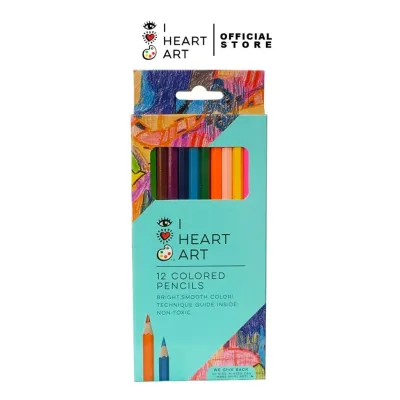
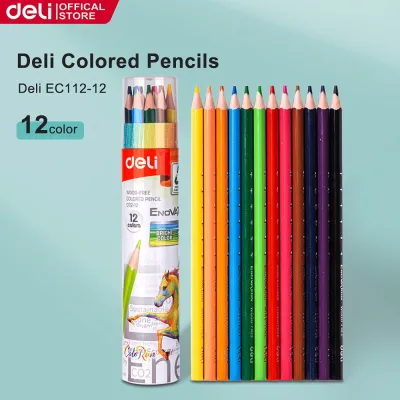
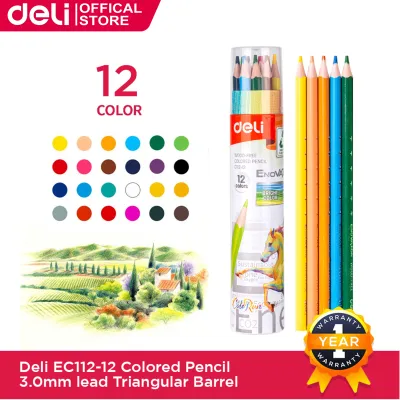
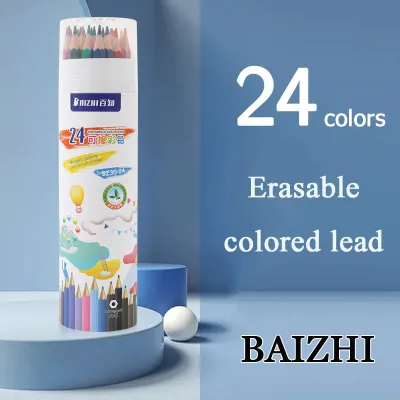
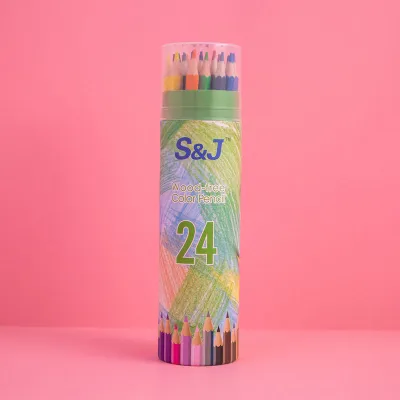
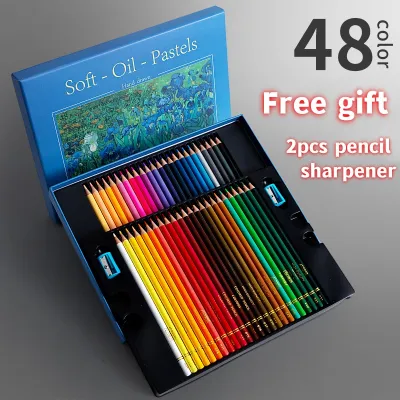
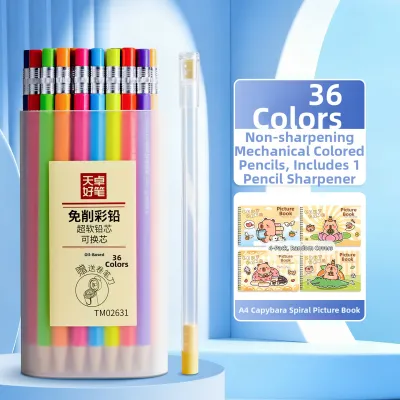
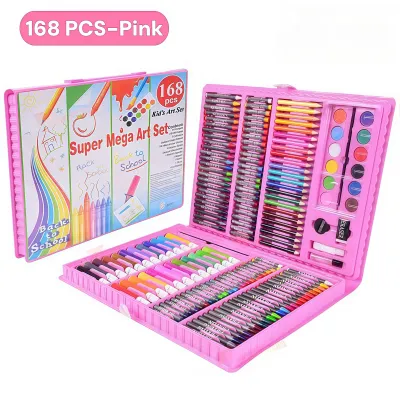
Prices are valid at publication and may change. Please refer to the product page for the latest price.
Wax-based binders utilize a soft, paraffin- or beeswax-like formulation that allows for a creamy, highly malleable application. Oil-based binders rely on vegetable or mineral oils, creating a much harder, denser core that glides across paper with minimal friction. Watercolor pencils use a water-soluble binder, such as gum arabic or a specialized glycol, which holds the pigment firmly when dry but dissolves instantly upon contact with water.
As a general rule of thumb, wax-based pencils are the standard choice for beginners and hobbyists because they are highly accessible and offer quick, vibrant color laydown. Oil-based pencils are favored by professional artists and detailed realism illustrators who require precise, ultra-fine lines and multiple thin layers. Watercolor pencils serve as a versatile hybrid for mixed-media artists, allowing them to transition seamlessly from dry drawing to fluid paint washes.
Wax-Based Colored Pencils: Handling, Traits, and Best Uses
Core Characteristics and Handling
Wax-based colored pencils are highly popular due to their soft core texture and immediate pigment laydown. When you press a wax pencil to paper, the core shears easily, depositing a thick, buttery layer of color that fills the paper’s texture (or “tooth”) rapidly. This softness makes them incredibly easy to blend, allowing you to smudge and transition colors smoothly into one another.

However, this heavy laydown comes with a distinct physical phenomenon known as “wax bloom.” Over time, especially in warm or humid environments, the wax binder in heavily layered areas can migrate to the surface of the artwork. This creates a cloudy, hazy, or white film that temporarily dulls the intensity of your colors. You can easily identify wax bloom visually; it looks like a foggy mist over your darkest values, but it does not damage the underlying pigment.
Ideal Use Cases and Limitations
Wax-based pencils are ideal for casual coloring, bold illustrations, and art styles that demand heavy, painterly layering. They are highly forgiving for beginners because they do not require complex techniques to achieve rich, saturated colors. In the local market, quality wax-based sets are widely available across various price points, starting from budget-friendly school sets under ₱300 to premium artist-grade collections.
Despite their ease of use, wax-based pencils have clear limitations. Because the core is soft, it is difficult to maintain an extremely sharp point for fine details, as the tip tends to crumble under pressure. They are also notoriously difficult to erase completely; the wax binds tightly to the paper fibers, meaning attempts to erase often result in smudging rather than color removal. Additionally, the constant risk of wax bloom requires extra maintenance steps to preserve the final look of your artwork.
Oil-Based Colored Pencils: Handling, Traits, and Best Uses
Core Characteristics and Handling
Oil-based colored pencils offer a stark contrast to their wax-based counterparts. By utilizing a vegetable or mineral oil binder, these pencils feature a much harder, denser core. This structural integrity allows you to sharpen the pencil to an incredibly fine, needle-like point that resists breaking or crumbling, even when applying moderate pressure.
On paper, oil-based pencils feel smoother and less “grabby” than wax. Instead of a thick, buttery paste, they deposit thin, translucent layers of pigment. This allows you to build up color gradually through dozens of delicate layers without saturating the paper’s tooth too quickly. Crucially, because they contain little to no wax, oil-based pencils are completely immune to wax bloom, ensuring your deep blacks and vibrant jewel tones remain crisp and clear indefinitely.
Ideal Use Cases and Limitations
These pencils are the gold standard for high-detail realism, botanical illustration, animal fur textures, and precise techniques like cross-hatching. If your style relies on clean lines and subtle, gradual value transitions, oil-based pencils are unmatched. They are also highly valued by professional artists who want to avoid the maintenance associated with wax bloom.
The primary limitation of oil-based pencils is their learning curve and cost. They are generally more expensive, with professional sets often ranging from ₱1,500 to well over ₱5,000 in specialty art shops. Because the core is harder, achieving solid, opaque color coverage takes significantly more time and patience. Furthermore, blending them heavily often requires the use of odorless mineral spirits or specialized solvents, which introduces chemical handling and ventilation considerations to your workspace.
Watercolor Colored Pencils: Handling, Traits, and Best Uses
Core Characteristics and Handling
Watercolor colored pencils represent a unique, dual-nature medium. When used dry, they behave similarly to standard colored pencils, allowing you to draw lines, shade areas, and layer colors. However, because their binder is fully water-soluble, the magic happens when you introduce moisture.
Applying a wet brush to your dry pencil marks instantly dissolves the binder, releasing the pigment to flow, blend, and spread across the page exactly like watercolor paint. During this activation process, you will observe a dramatic visual shift: dry, muted pencil strokes suddenly transform into highly vibrant, saturated washes of liquid color. Once the water dries, the pigment settles permanently into a soft, matte finish that can be drawn over again.
Ideal Use Cases and Limitations
Watercolor pencils are exceptionally well-suited for mixed-media art, quick outdoor sketching, and creating soft background washes. They are highly portable, allowing you to carry a single pencil tin and a water-filled brush pen to paint on the go without messy palettes. They also help artists loosen up their drawing style, transitioning easily from tight, controlled lines to fluid, expressive washes.
However, their versatility comes with strict material requirements. You cannot use watercolor pencils with water on standard copy or drawing paper; the moisture will cause the paper to buckle, warp, and pill. They require thick, absorbent watercolor paper to handle the wet layers. Additionally, if you only plan to use dry drawing techniques, watercolor pencils are not the best choice, as their dry blending capabilities are inferior to both wax and oil-based pencils.
How to Choose the Right Colored Pencils for Your Project
Matching Pencil Type to Art Style and Technique
Selecting the perfect pencil requires analyzing your preferred drawing techniques. If your work relies on smooth, seamless color transitions, quick coverage, and heavy layering, wax-based pencils are your best option. For artists focused on intricate details, crisp lines, and archival stability without surface haze, oil-based pencils are the superior tool. If you want to combine the precision of drawing with the fluid beauty of painting, watercolor pencils are the ideal choice.
Keep in mind that many artists do not limit themselves to a single type. Mixing different binders can yield excellent results, provided you understand how they interact on the page.
Paper Compatibility and Preparation
The relationship between your pencil core and your paper surface is critical. Wax and oil-based pencils perform beautifully on medium-to-heavy drawing papers (typically 120 to 200 gsm) that feature a moderate “tooth.” Smooth papers, like bristol board, are excellent for fine oil-based details but will struggle to hold multiple layers of wax. Smoothness, erasability, and water resistance are not absolute properties; they depend heavily on the exact material combination of your specific pencil brand and paper type. Always conduct a small trial on a scrap piece of the same paper to verify how easily the pigment erases or how smoothly it glides before committing to your main piece.
When working with watercolor pencils, paper choice is non-negotiable. You must use dedicated watercolor paper, preferably with a weight of 300 gsm (grams per square meter) to prevent the sheet from buckling or tearing when wet. Cold-pressed watercolor paper offers a textured surface that easily grabs dry pigment and handles heavy water washes. Hot-pressed watercolor paper provides a much smoother surface, making it easier to draw fine details before activating the pigment with water.
Evaluating Quality: Student vs. Artist Grade
When browsing local art supply stores or online marketplaces, you will encounter both student-grade and artist-grade colored pencils. Student-grade pencils are highly affordable but contain lower pigment concentrations and more inexpensive fillers. This results in a scratchier feel, less vibrant colors, and poor blending performance.
Artist-grade pencils utilize highly concentrated, finely ground pigments and premium binders. They offer a buttery, consistent laydown and superior lightfastness—the ability of the pigment to resist fading when exposed to light. Always check the pencil barrel or manufacturer specifications for lightfastness ratings if you intend to display or sell your finished artwork, ensuring your creation remains vibrant for decades. Additionally, verify if the brand offers “open stock” options. Purchasing individual replacement pencils for your most-used colors is far more cost-effective than buying an entirely new set.
Frequently Asked Questions (FAQ)
Can I mix wax-based and oil-based colored pencils in the same drawing?
Yes, you can absolutely mix wax-based and oil-based colored pencils in a single piece of artwork, but the order of application matters. Because oil-based pencils deposit thinner, harder layers, they can easily be applied over existing wax layers. However, applying a soft, heavy wax pencil first can create a slick barrier that causes subsequent oil pencil strokes to slide, clump, or fail to adhere. For the best results, start with your oil-based pencils to establish fine details and base layers, then finish with wax-based pencils for rich, burnished highlights. Always perform a quick test on a scrap piece of your chosen paper to verify how the specific brands behave together.
How do I prevent or fix wax bloom on my artwork?
To fix existing wax bloom, gently wipe the surface of your drawing with a clean, soft microfiber cloth or a dry paper towel using light, circular motions. Avoid rubbing too hard, as this can smudge the pigment or damage the paper fibers. To prevent wax bloom from returning, apply a workable artist’s fixative spray over your finished drawing. Hold the spray can at the distance recommended by the manufacturer (usually 10 to 12 inches) and apply two to three thin, even coats in a well-ventilated area. This seals the wax layers and prevents the binder from migrating to the surface.
Do watercolor pencils fade faster than regular colored pencils?
No, watercolor pencils do not inherently fade faster than traditional dry colored pencils. Fading is caused by exposure to ultraviolet (UV) light and depends entirely on the lightfastness of the specific pigments used, not the type of binder. Both student-grade and artist-grade pencils vary widely in their fade resistance. To ensure your artwork remains archival, look for lightfastness ratings on the pencil barrels or the manufacturer’s color chart. High-quality artist-grade watercolor pencils use the same lightfast, professional-grade pigments found in premium oil or wax pencils, offering excellent long-term durability.
Community discussion
Share your experience or ask a question. Comments are reviewed before publication.