
When purchasing craft supplies for your child’s school art class, finding materials that are safe, durable, and easy to use is a top priority. Fuzzy wires—also known as chenille stems or pipe cleaners—are staple items for classroom activities, helping students develop fine motor skills through tactile crafting. If you are looking for high-quality options like wee one fuzzy wire, knowing which specifications to prioritize ensures your child has a frustration-free and safe crafting experience.
Material and Safety Specs: Decoding Labels for Kids' Use
The core of any fuzzy wire is the thin metal strand that allows it to bend and hold its shape. Most standard craft wires utilize iron cores, which are highly rigid and excellent for maintaining complex structures. However, iron is stiffer, making it harder for younger children to bend, and it carries a risk of rusting in humid environments. Aluminum or plastic-coated cores are softer alternative options; aluminum bends effortlessly under light pressure from small hands and does not rust, though it may not support heavy structural crafts as well as iron.
Before sending any fuzzy wire to school, you must inspect the ends of the stems for safety. In cheaply manufactured craft wires, the inner metal core is often cut flush with the plush fibers, leaving sharp, exposed metal points that can easily scratch sensitive skin. High-quality options feature tucked-in, rounded, or securely sealed ends where the wire is bent back on itself. When preparing supplies, run your finger gently over the tips of each stem to verify that no sharp wire is protruding.
Products mentioned in this guide
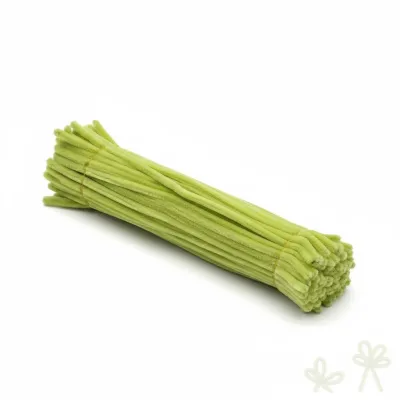
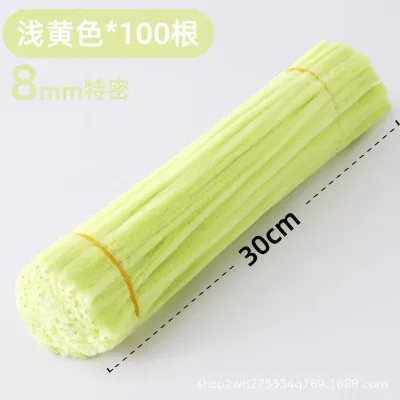

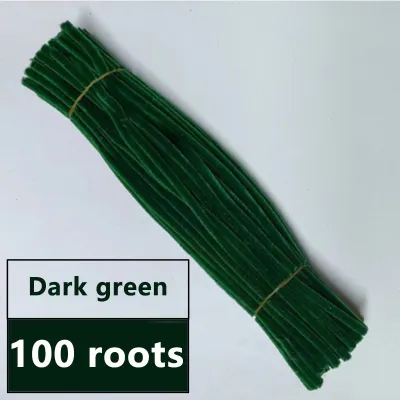
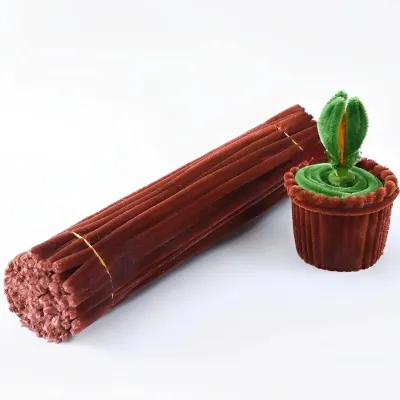
Prices are valid at publication and may change. Please refer to the product page for the latest price.
The outer plush material, typically made of polyester fibers, should be dense and securely bound to the core wire. Poorly made stems tend to shed excessively, leaving a trail of loose fuzz that can cause eye irritation or become an inhalation hazard for younger students. To test the fiber quality, gently tug on the plush center of a sample stem; a reliable wire will retain its fibers without noticeable shedding or exposing the bare metal core beneath.
Always read the packaging labels carefully to decode safety declarations before making a purchase. Look for explicit “non-toxic” labels, which indicate that the dyes and synthetic fibers used are safe for skin contact. Additionally, check the age grading on the package; most fuzzy wires are rated for “Ages 3+” due to the small parts and potential wire hazards, meaning they require adult supervision for toddlers.
Wee One Fuzzy Wire Dimensions and Flexibility: Matching Sizes to Small Hands
Fuzzy wires come in several standard lengths, with 12 inches (approximately 30 cm) being the most common size specified on school supply lists. This standard length is highly versatile, providing enough material for students to wrap, twist, and construct multi-dimensional shapes without needing frequent splices. For larger-scale classroom projects, such as creating wearable crowns or large animal figures, jumbo or extra-long variants are available, though standard lengths remain the most practical for daily school use.

The diameter of the plush fiber determines how easy the wire is to grip and manipulate. Standard fuzzy wires usually measure around 6mm in diameter, which is ideal for elementary school students who are developing their fine motor control. For toddlers and preschoolers, jumbo fuzzy wires (ranging from 9mm to 15mm) are much easier to hold, bend, and locate, while ultra-thin wires are best reserved for older students working on intricate, detailed crafts.
A high-quality fuzzy wire must balance flexibility with shape retention. When a child bends the wire, it should curve smoothly without snapping the inner metal core or springing back to its original straight shape. If the wire core is too stiff, young children will struggle to shape it; if it is too weak, the finished art project will droop and lose its structure.
When comparing different brands, do not get bogged down by minor millimeter variations in thickness, such as 4mm versus 5mm. These slight differences have virtually no impact on basic school crafts and are often imperceptible during use. Focus instead on the overall flexibility and density of the plush fibers rather than over-analyzing minor specification differences.
Color Fastness and Rust Resistance: Specs for Humid Climates
In the tropical, high-humidity climate of the Philippines, school art supplies face unique environmental challenges. Standard iron-core fuzzy wires are highly susceptible to rust when exposed to moisture in non-air-conditioned classrooms, school bags, or storage cabinets. Over time, rusted cores can weaken, break, and stain the surrounding plush fibers, creating an unsightly brown discoloration and posing a minor puncture risk.
To prevent these issues, look for fuzzy wires that feature rust-resistant coatings on the metal core, or opt for aluminum-core alternatives that naturally resist corrosion. If your child’s school supplies are stored in a damp classroom or a cubby for several months, keeping them in an airtight plastic container or a resealable zip-lock bag will protect them from ambient humidity and prolong their shelf life.
Color fastness is another critical specification to verify, as cheap dyes can bleed when exposed to sweat or water. During active crafting sessions, children’s hands can become warm and damp, which may cause unstable dyes to transfer onto their skin or white school uniforms. To avoid stubborn dye stains, perform a simple, low-risk test at home: rub a damp white tissue firmly along the length of the fuzzy wire. If the tissue remains clean, the dye is colorfast and safe for classroom use; if color transfers, the wire should be kept away from water and light-colored fabrics.
Packaging Specs: Choosing the Right Quantity and Assortment
When shopping for school art classes, you will typically choose between multi-color assortments and single-color bulk packs. Multi-color packs, which usually contain a rainbow of 50 to 100 pieces, are excellent for general crafting because they give students the freedom to choose different colors for various parts of their projects. However, if the teacher has requested supplies for a specific themed activity—such as green wires for Christmas trees or orange wires for Halloween crafts—buying single-color bulk packs is far more practical.
Packaging formats generally fall into two categories: bulk plastic bags and neatly organized retail boxes. For typical school requirements, bulk bags are highly cost-effective, often priced between ₱50 and ₱150 on local online marketplaces and in stationery shops. Retail boxes may look neat, but they often add unnecessary cost without providing any functional benefit to the crafting process.
Save your money by ignoring low-value marketing specifications like “premium gift box packaging” or “included plastic storage tubes.” These premium packaging options are usually discarded immediately or are too bulky to fit inside a child’s standard school backpack or pencil case. Simple, lightweight packaging allows you to allocate your budget toward higher-quality, safer wires instead.
Frequently Asked Questions (FAQ)
Can standard pipe cleaners be used instead of specific fuzzy wire brands?
Yes, standard pipe cleaners, chenille stems, and branded products like wee one fuzzy wire are essentially the same type of craft material. While generic options are perfectly suitable for school art projects, you should still apply the same safety and quality checks to them. Ensure any generic brand you purchase has well-covered wire ends, minimal fiber shedding, and non-toxic labeling before sending them to school with your child.
What is the safest way to cut fuzzy wire for younger students?
You should avoid using standard children’s plastic safety scissors to cut fuzzy wire, as the inner metal core can easily dull or damage the blades, or cause the scissors to slip and pinch small fingers. Instead, parents or teachers should use dedicated craft wire cutters or heavy-duty household scissors to cut the stems to the desired length. Once cut, always use a pair of small pliers to pinch and fold the newly exposed sharp wire tip inward, or apply a tiny dab of craft glue over the end to prevent scratch hazards.
Community discussion
Share your experience or ask a question. Comments are reviewed before publication.