
Selecting the right keychain making set for a school art project requires balancing creative freedom with classroom safety and practical logistics. In recent years, hands-on crafting activities—particularly those involving “Guka” or decorated acrylic plates—have captured the interest of students and educators alike. These projects offer an engaging way to teach design, color theory, and fine motor skills. However, a successful classroom session depends heavily on the completeness and quality of the materials provided. Before purchasing any kit, teachers and parents must evaluate the components to ensure they can withstand the busy classroom environment and the local climate.
Essential Base Materials and Hardware
A successful keychain project begins with durable, high-quality base materials that can survive both the crafting process and daily wear. Acrylic blanks are a highly popular choice for school projects due to their smooth surface and resistance to warping. In tropical climates where high humidity is a constant factor, acrylic offers a distinct advantage over wood, which can absorb moisture and develop mold if not properly sealed. If you choose wooden blanks, verify that they are pre-sanded and treated to prevent splintering and moisture absorption. Metal blanks are highly durable but require specialized engraving or stamping tools, making them less practical for general classroom use.
Beyond the blanks themselves, the connecting hardware is what transforms a decorated piece of plastic or wood into a functional accessory. A complete set must include keyrings, split rings, jump rings, and lobster clasps. Because these items are frequently handled, they should be made of rust-resistant materials, such as stainless steel or nickel-plated iron. In humid environments, low-quality hardware can tarnish or rust quickly, ruining the students’ hard work. Look for sturdy lobster clasps that are easy for young fingers to operate without pinching.
Products mentioned in this guide
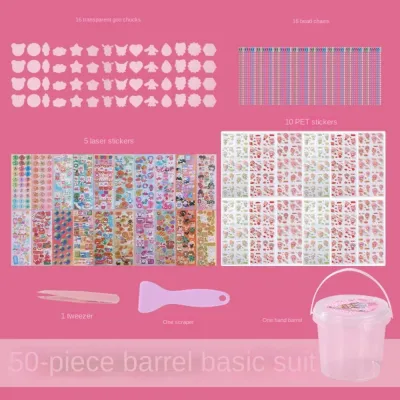
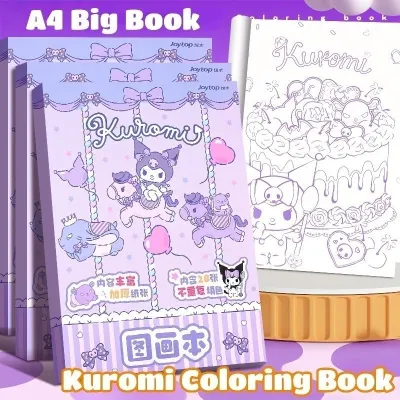
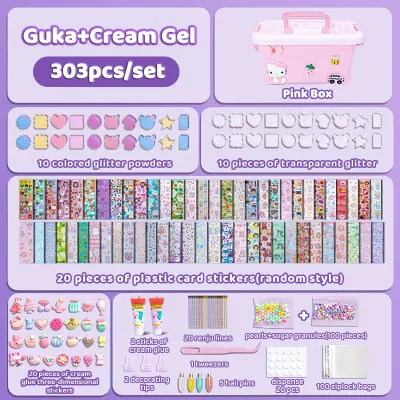
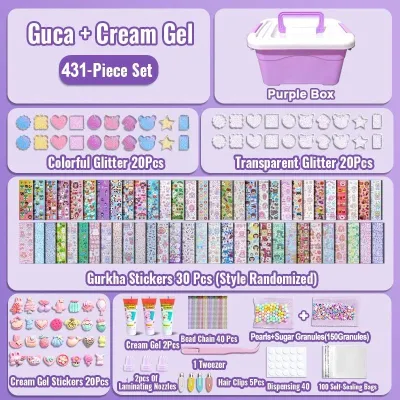
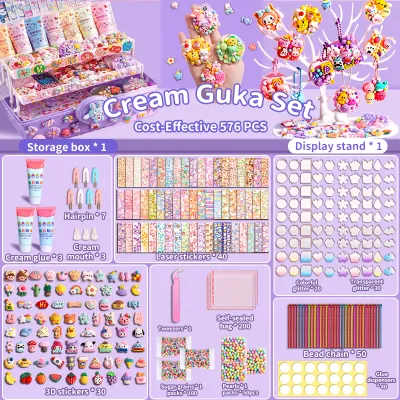
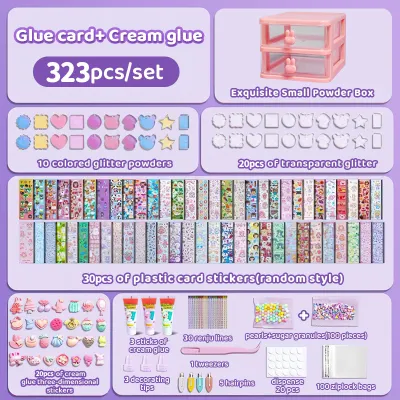
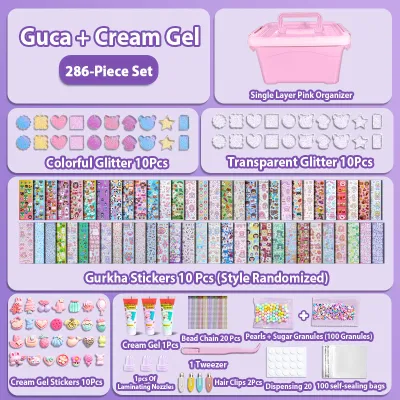
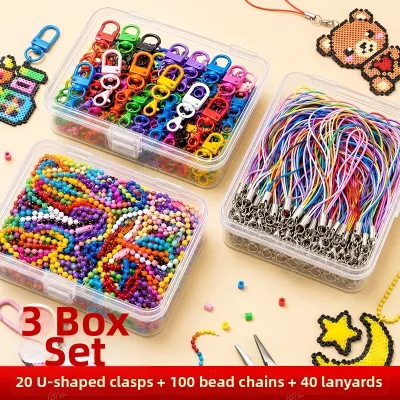
Prices are valid at publication and may change. Please refer to the product page for the latest price.
One of the most common pitfalls of pre-packaged craft kits is an uneven ratio of blanks to hardware. A kit might advertise fifty acrylic pieces but only include thirty keyrings or jump rings. When planning for a classroom, always calculate the exact number of complete, usable keychains the set can produce. It is wise to choose kits that offer a surplus of hardware components. Students frequently drop small jump rings, misplace clasps, or make mistakes during assembly, so having a buffer of extra hardware prevents disappointment and keeps the class moving forward smoothly.
Required Tools for Assembly and Decoration
Assembling and decorating keychains requires specific tools that are often overlooked when purchasing basic craft supplies. For assembly, jewelry pliers are indispensable. Standard needle-nose pliers or specialized jump ring opening tools allow students to open and close metal rings securely without straining their fingers or damaging the hardware. For younger students, look for lightweight, ergonomic pliers with spring-action handles that reduce hand fatigue. If the blanks do not come pre-drilled, a reliable hand punch or manual drill is necessary, though pre-drilled blanks are highly recommended for school settings to save time and minimize safety risks.

The decoration phase requires supplies that are compatible with the chosen blank material and suitable for the limited duration of a school period. Acrylic paint pens or permanent markers are highly suitable for acrylic blanks because they dry quickly and resist smudging. Traditional liquid acrylic paints can also be used, but they require brushes, water cups, and significantly longer drying times, which can be challenging to manage within a single class hour. If students are using stickers—a hallmark of the popular Guka style—fine-tipped tweezers are essential for precise placement and to prevent finger oils from weakening the adhesive.
When evaluating a commercial keychain making set, pay close attention to what is not included. Many kits provide the blanks and the hardware but omit the tools required to connect them. Teachers often find themselves needing to source extra pliers, protective table covers, and storage trays separately. Before the lesson begins, conduct a trial run with a single kit to identify any missing tools, ensuring you have enough pliers and tweezers to share among students without causing long delays.
Safety and Age-Appropriateness for Classroom Use
Classroom safety is the primary consideration when introducing any new craft activity. When selecting decoration supplies, always verify that paints, markers, and glues carry non-toxic certifications, such as the AP (Approved Product) seal. This is especially important in indoor classroom settings where ventilation may be limited. Avoid strong-smelling solvent-based markers or heavy varnishes; instead, opt for water-based acrylic paint pens and water-safe, low-odor sealants. If a sealant is necessary to protect the students’ designs, look for brush-on, water-based formulas rather than aerosol sprays, which should never be used indoors or around children.
Physical safety features must also be inspected before distributing materials to students. Acrylic blanks should have smooth, polished edges free from sharp burrs or rough plastic flashing left over from the manufacturing process. Many high-quality acrylic blanks come with a protective plastic film on both sides; this film not only prevents scratches during transit but also ensures that the surface is clean and safe to handle. Ensure that any included tools, such as pliers or tweezers, do not have sharp points or pinch hazards that could injure small hands.
Organization plays a vital role in maintaining a safe and orderly classroom. Keychain sets that feature small jump rings, beads, and clasps can quickly become chaotic and present choking hazards if not properly managed. Look for kits that come in compartmentalized plastic storage boxes. These containers keep the tiny hardware pieces organized by size and type, making it easy to distribute materials to individual desks and quickly inventory the supplies at the end of the class period.
Evaluating Commercial Kits Like Guka for School Use
Commercial kits, particularly those marketed as Guka keychain sets, have become highly popular due to their all-in-one convenience and appealing aesthetic. These kits typically feature clear or tinted acrylic plates in various shapes, colorful stickers, cream glue (decoden), and matching hardware. While these sets are highly engaging, educators must carefully evaluate them against the specific requirements of a school art curriculum. Start by comparing the manufacturer’s inventory list against your lesson plan to ensure you will not need to purchase substantial supplementary materials.
Always check the product packaging for explicit age recommendations and safety warnings. Some Guka kits contain very small decorative charms, beads, or specialized adhesives that may not be suitable for younger elementary students. Ensure the kit complies with local educational material standards and does not contain restricted chemical components. If the kit includes cream glue, verify its drying time; many cream glues require 24 to 48 hours to cure fully, meaning you will need a secure, well-ventilated space in the school to store the wet keychains between class sessions.
Finally, assess the true cost-effectiveness of the kit by identifying its limiting component. A kit advertised as a “100-piece set” often counts every individual sticker, bead, and jump ring as a separate piece. The actual number of complete keychains you can make is determined by the lowest quantity of essential parts—usually the acrylic blanks or the keyrings. Divide the total cost of the kit by the number of complete keychains it can realistically produce to determine the cost per student. This calculation ensures you stay within the school budget while providing a complete and satisfying crafting experience.
Frequently Asked Questions (FAQ)
Are resin and hot glue safe for standard school art classes?
Chemical resins, including UV resin and two-part epoxy, are generally not recommended for standard school art classes due to the need for strict ventilation, protective gloves, and specialized safety eyewear. They can release irritating fumes and cause skin sensitization upon contact. For school projects, low-temperature or cool-melt glue guns are a much safer alternative for securing three-dimensional decorations. While standard high-heat hot glue guns present a burn risk and are best reserved for older students under close supervision, cool-melt options provide sufficient adhesion for lightweight plastic charms without the safety hazards of chemical resins.
How to handle missing or insufficient hardware in a craft kit?
It is common for pre-packaged craft kits to fall short on essential hardware like jump rings or clasps. To resolve this, you can easily source standard jewelry hardware from local craft supply stores or online marketplaces. When purchasing extra hardware, check the dimensions carefully to ensure compatibility. For most school keychain projects, jump rings with a diameter of 6mm to 8mm and a wire gauge of 18 or 20 are practical, as they are sturdy enough to hold the blank securely but pliable enough to be opened and closed easily with basic classroom pliers.
Community discussion
Share your experience or ask a question. Comments are reviewed before publication.