
A high-quality keychain making set for beginners should provide a balanced mix of ergonomic tools, sufficient hardware, safe base materials, and clear instructions. Rather than overwhelming you with excessive components, a well-designed kit focuses on completeness and ease of use, ensuring you can finish your first few projects without needing to source missing parts or struggle with poorly made equipment. Evaluating these core categories will help you choose a set that guarantees a smooth and frustration-free crafting experience.
By starting with a comprehensive kit, you avoid the hidden costs of buying individual tools and materials separately. A thoughtful curation of components allows you to focus entirely on developing your crafting skills, turning raw materials into personalized accessories for your bags, keys, or gifts.
Essential Hand Tools for Basic Assembly
Before diving into the decorative aspects of keychain making, you must verify if the kit includes the fundamental hand tools required to open, close, and secure hardware. Working without the correct tools often leads to damaged metal findings, scratched acrylic blanks, and physical hand fatigue. A beginner-friendly set should prioritize small, specialized hand tools designed specifically for jewelry making and light crafting.
Products mentioned in this guide
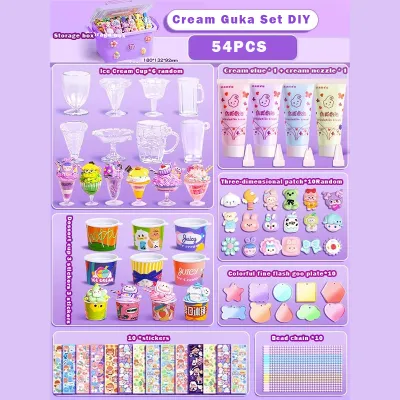
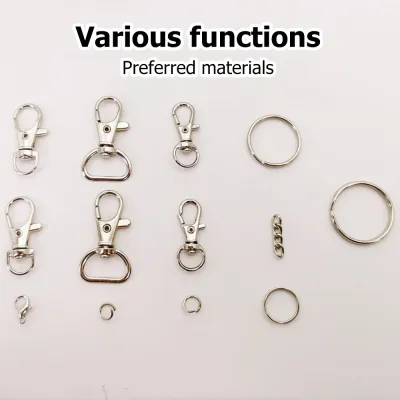
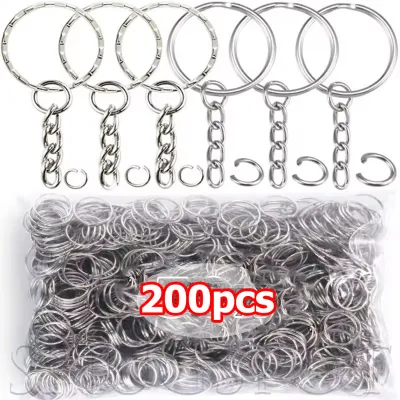
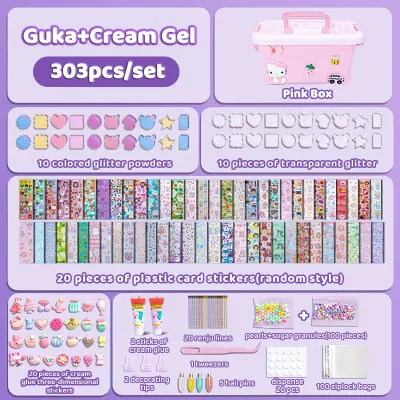
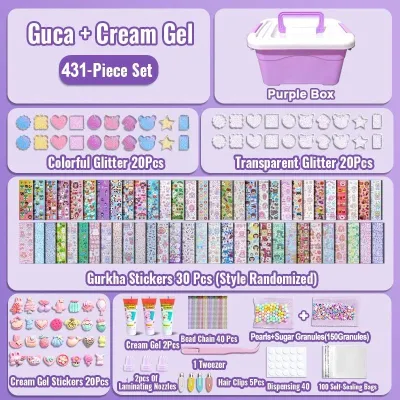
Prices are valid at publication and may change. Please refer to the product page for the latest price.
At a minimum, look for a kit that includes at least one pair of chain-nose pliers, though having both chain-nose and round-nose pliers is ideal. Chain-nose pliers feature flat internal jaws that provide a secure grip on flat surfaces, making them indispensable for holding jump rings steady. Round-nose pliers, on the other hand, feature rounded, tapering jaws that allow you to bend wire into smooth, consistent loops without creating sharp kinks.
Cutting tools are another critical inclusion, depending on the specific base materials provided in the set. If your kit features leather, thick fabric, or heavy cardstock, it should include heavy-duty scissors, a precision craft knife, or a dedicated hole punch. For kits utilizing metal wire or chain links, a small pair of flush cutters is necessary to make clean, flat cuts that prevent sharp edges from snagging on clothing.
When evaluating these tools, pay close attention to their construction and ergonomics. In warm, humid tropical climates like the Philippines, tools with low-quality metal can rust quickly if left unprotected, so look for carbon steel or rust-resistant coatings. Ergonomic, rubberized handles are essential for maintaining a comfortable, non-slip grip when your hands get warm during extended crafting sessions.
Core Hardware and Connectors for Functionality
Hardware components are the structural backbone of any keychain, transforming your decorative designs into functional, everyday accessories. A good starter kit must provide a generous assortment of metal findings that are proportional in size and strength to the base materials. If the hardware is too flimsy, your finished keychain may break under the weight of daily use.

Every standard keychain making set should include a variety of key rings, split rings, and lobster clasps. Split rings are the traditional coiled rings that offer maximum security for holding keys, while lobster clasps and swivel hooks provide a convenient, quick-release mechanism for clipping accessories onto bag straps or belt loops. Having both options allows you to experiment with different attachment styles based on how you plan to use the finished product.
Jump rings are the small metal loops used to connect your decorative charms to the main key ring, and they are arguably the most important hardware piece in the kit. The set should include both open jump rings, which you can twist open to insert charms, and closed jump rings for permanent, high-strength connections. Ensure these rings are made of a sturdy gauge of metal so they do not easily bend out of shape and release your charms.
Finally, check that the quantity of hardware provided is sufficient to support your learning curve. A reliable beginner kit should offer enough metal findings to complete at least five to ten finished keychains. This surplus ensures that if you accidentally warp a jump ring or drop a tiny clasp during assembly, you still have plenty of spare parts to complete your projects successfully.
Base Materials and Safe Decorative Elements
The base materials are the main canvas for your creativity, and a high-quality kit should offer safe, durable, and visually appealing mediums. Common beginner-friendly bases include crystal-clear acrylic shapes, pre-cut leather scraps, shrink plastic sheets, or smooth wooden discs. These materials provide a solid foundation for applying decals, paint, or engraving.
If your kit features acrylic blanks, which are highly popular for making personalized school bag tags or commuter card holders, verify that they come with protective peel-off films on both sides. This film prevents the plastic from scratching during shipping and handling. Additionally, all rigid bases should feature smooth, deburred edges to eliminate the risk of minor cuts or snags while you work.
To add personality to your designs, a good set should include a curated selection of decorative embellishments. These can range from colorful tassels and silicone beads to metal charms and vinyl sticker sheets. Having a variety of textures and colors encourages experimentation, allowing you to discover which design styles you enjoy making the most.
Ensure the volume of these decorative elements matches the amount of hardware provided. There is nothing more frustrating than having ten key rings but only enough decorative beads or blanks to make two keychains. A balanced kit maintains a one-to-one ratio between your functional hardware and your decorative bases, with a few extra decorative pieces left over for creative freedom.
Clear Instructions and Beginner Learning Support
Even the highest-quality tools and materials are of little use if you do not know how to assemble them. Clear, step-by-step instructions are vital for preventing beginner frustration and ensuring a safe crafting experience. A good kit should never assume you have prior crafting knowledge or understand specialized jewelry-making terminology.
Look for kits that provide printed visual guides with high-resolution diagrams or photos illustrating each step of the assembly process. If the printed guide is brief, the manufacturer should offer easy access to digital video tutorials via a website link. Visual demonstrations are incredibly helpful for mastering physical techniques, such as the correct way to twist a jump ring open without distorting its circular shape.
In addition to assembly steps, the instructions should include a complete material checklist and clear explanations of what each tool is used for. Knowing the difference between a split ring and a jump ring, or when to use chain-nose pliers instead of your fingers, builds a solid foundation of crafting knowledge. Safety precautions, such as how to safely handle sharp craft knives or punch holes without damaging your tabletop, must also be clearly highlighted.
Troubleshooting tips are another hallmark of a great beginner guide. The instructions should address common mistakes, such as how to fix a misaligned adhesive vinyl decal, how to clean smudges off acrylic blanks, or how to close a jump ring perfectly so there is no gap. This guidance keeps your projects on track and saves you from wasting valuable materials.
Red Flags to Avoid When Choosing a Kit
When browsing online marketplaces or local craft stores for a keychain making set, it is easy to be swayed by kits that promise hundreds of pieces at incredibly low prices. However, many of these budget kits achieve their high piece counts by packing the box with tiny, useless plastic beads while skimping on essential tools and hardware. Recognizing common red flags will save you from a disappointing purchase.
One major red flag is a kit that lacks essential assembly tools, forcing you to make immediate supplementary purchases before you can even begin. If a kit contains fifty acrylic blanks and fifty key rings but does not include pliers or a basic hole punch, it is not a true beginner set. You will end up spending more money sourcing these tools individually than you would have spent on a complete, high-quality kit.
Another warning sign is the inclusion of flimsy, undersized tools that bend or slip easily during use. Cheap, lightweight pliers with poorly aligned jaws can easily scratch your metal hardware or slip off a jump ring, potentially causing minor hand injuries. If the tools in the product photos look like thin, stamped sheet metal rather than solid, cast-metal hand tools, it is best to avoid the kit.
Be cautious of kits that include materials with strong chemical odors, such as low-grade adhesives or cheap UV resins, especially if you plan to craft in a poorly ventilated room. Safe kits will clearly label their adhesives and materials as non-toxic and provide clear safety guidelines. Finally, avoid kits with vague, poorly translated instructions that offer no real guidance, as they will leave you guessing at every stage of the assembly process.
Frequently Asked Questions (FAQ)
Do I need specialized pliers, or will standard household tools work?
While you can technically use standard household pliers, they are generally not recommended for keychain making. Household pliers are typically too large and heavy for delicate jewelry findings, and their coarse, serrated teeth can easily scratch, dent, or warp your jump rings and clasps. Specialized jewelry pliers feature smooth, flat inner jaws that grip hardware securely without leaving unsightly marks on the metal.
How many finished keychains should a good beginner kit yield?
A well-balanced beginner kit should yield between 10 and 20 complete keychains. This range provides a satisfying crafting experience, giving you plenty of opportunities to practice your assembly technique, make a few mistakes, and still have several high-quality, finished pieces to keep or gift to friends and family.
What should I do if the included jump rings are too stiff to open?
If you encounter stiff jump rings, never try to pry them open using your fingernails, as this can cause pain or injury. Instead, use two pairs of pliers to grip the ring on either side of the split. Gently twist one pair of pliers forward and the other backward to open the ring laterally; never pull the ends directly apart outward, as this ruins the circular shape of the ring and weakens the metal.
Community discussion
Share your experience or ask a question. Comments are reviewed before publication.