
A high-quality sand clay complete set provides an engaging, tactile play experience that combines the moldability of clay with the fluid motion of sand. For parents, educators, and hobbyists, finding a set that offers genuine play value requires looking beyond flashy packaging. A truly complete set must balance a sufficient volume of modeling material with durable shaping tools, a reliable containment tray, and secure storage solutions.
Evaluating these components systematically ensures that your investment provides hours of creative play rather than ending up as a messy, dried-out disappointment. By understanding the key specifications of sand clay and its accompanying accessories, you can make an informed decision that fits your budget and household space.
Decoding Sand Clay Weight and Material Specs
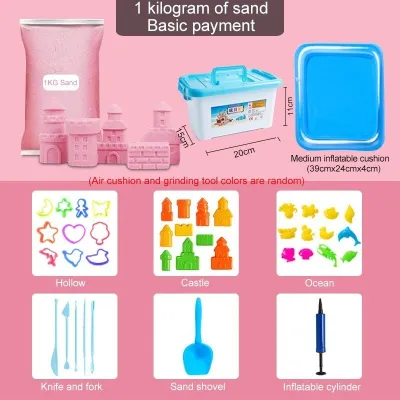
When evaluating a sand clay complete set, the weight of the modeling material is the most critical specification. For a single child playing solo, a minimum of 500 grams to 1 kilogram of sand clay is necessary to build basic structures like towers or small animal figures. If the set is intended for multiple children or group activities, look for packages containing at least 2 kilograms of clay to ensure everyone has enough material to build without conflict.
Products mentioned in this guide
Prices are valid at publication and may change. Please refer to the product page for the latest price.
Beyond weight, the physical behavior of the clay requires careful verification. High-quality sand clay should flow smoothly through the fingers when squeezed, yet hold sharp, detailed impressions when pressed into a mold. In the warm, humid climate of the Philippines, some low-grade formulas can become excessively sticky or lose their structural integrity. Look for product descriptions that specify a non-drying, hydrophobic formula, which helps the material maintain its tactile properties despite local humidity levels.
The quality of the packaging also plays a vital role in preserving the clay. Avoid sets that package the material in flimsy, single-use plastic bags that cannot be resealed. Instead, prioritize sets that come with sturdy, airtight plastic tubs featuring secure latches or screw-on lids. Proper containment prevents dust, pet hair, and moisture from contaminating the clay, ensuring it remains clean and reusable for months.
Assessing the Quality of Molds and Shaping Tools
A common pitfall when purchasing a sand clay complete set is choosing a bundle based solely on the number of included accessories. Many low-cost sets pad their piece counts with tiny, single-use decorative trinkets that offer very little functional play value. A practical, high-quality tool kit should prioritize essential shaping tools such as rolling pins, dual-ended spatulas, sculpting knives, and basic geometric molds.

To evaluate the durability of these tools before purchasing, examine product images closely for build quality indicators. Look for thick, injection-molded plastic accessories with smooth, rounded edges. Cheaply manufactured molds often feature sharp seam lines and thin walls that bend or crack under the pressure of packing clay. Smooth edges are not only safer for young hands but also ensure that molded shapes release cleanly without sticking to the interior of the tool.
Balancing complexity with usability is key to encouraging open-ended creativity. A set containing ten versatile, well-designed molds—such as castle walls, arches, and cones—is far more valuable than a set with dozens of highly specific, flat molds. Versatile tools allow users to combine shapes to build complex structures, fostering spatial reasoning and fine motor skills.
Why a Play Tray is a Non-Negotiable Component
While sand clay is designed to stick to itself rather than to hands or furniture, a dedicated play tray is essential for keeping the play area clean. A good containment tray features raised edges of at least 5 to 8 centimeters to prevent stray grains of sand from spilling onto tables or floors during active cutting and molding.
The dimensions of the play tray must be proportional to the volume of clay included in the set. A small 30-centimeter tray will quickly become crowded and messy if paired with more than a kilogram of sand clay. Ensure the tray provides a wide, flat workspace that accommodates both the raw pile of clay and the finished molded creations.
Consider the tray’s design based on your storage space and portability needs. Inflatable play trays are highly popular because they can be deflated and folded into a compact size, making them ideal for smaller homes or travel. Rigid plastic trays, while bulkier to store, offer a highly stable, level surface that works well on soft areas like carpets or beds.
Verifying Safety Labels and Age Recommendations
Safety should always be a primary consideration when selecting any modeling material. Look for clear certification markers on the packaging or product listing, such as the ASTM D-4236 or EN71 standards, which verify that the materials have been tested and classified as non-toxic. These certifications provide peace of mind that the clay is safe for prolonged skin contact.
Pay close attention to age recommendations and choking hazard warnings. Most sand clay sets are rated for children aged three and older because they contain small plastic accessories, stamps, or decorative parts. If you are purchasing a set for a younger child, ensure that any small components are removed or supervised closely during play.
Upon receiving your sand clay set, perform a quick sensory check before allowing play to begin. High-quality sand clay should have a neutral, unobtrusive scent or a mild, pleasant aroma. Avoid using any products that emit a strong, pungent chemical odor or leave a greasy, hard-to-wash residue on the skin, as these are common indicators of low-grade binding agents that may cause skin irritation.
Maximizing Value: Complete Set vs. Refill Packs
Deciding between a complete set and a standalone refill pack depends on your current inventory of crafting supplies. Complete sets, which typically range from ₱500 to ₱1,200 on local online marketplaces, offer excellent value for beginners. They provide a ready-to-use setup that includes the clay, tools, and a containment tray in a single, convenient package.
These complete bundles are also highly suitable for classrooms, daycare centers, or as gifts, as they eliminate the need to source accessories separately. However, if you already own a collection of plastic molds and a suitable play tray, purchasing a complete set may result in unnecessary plastic waste and redundant tools.
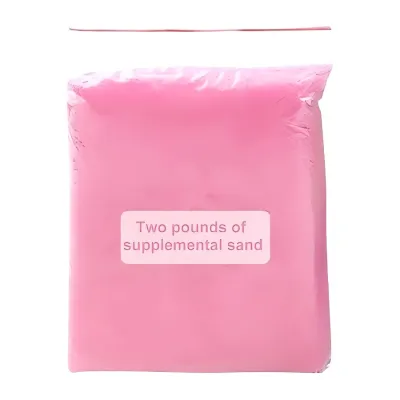
In such cases, opting for standalone sand clay refill packs is the more economical and environmentally friendly choice. Refill packs allow you to replenish your supply of modeling material in specific colors or bulk quantities while continuing to use your existing, durable shaping tools and containment trays.
Frequently Asked Questions (FAQ)
How do I store sand clay to prevent it from drying out?
To maintain the optimal texture of your sand clay, store it in an airtight plastic container or a heavy-duty zip-top bag immediately after play. Keep the container in a cool, dry area away from direct sunlight and high tropical temperatures, which can break down the binding agents over time. Before sealing the container, inspect the clay to ensure no organic debris, such as food crumbs or dirt, is mixed in, as this can compromise the hygiene of the material.
Can sand clay be cleaned easily from carpets or clothes?
Yes, sand clay can be cleaned from fabrics, but the process requires patience. Allow any spilled material to dry completely before attempting to clean it; once dry, the binding agents lose their grip, allowing the sand to be easily brushed or vacuumed out of carpet fibers and clothing. Avoid rubbing the spill or applying water immediately, as moisture can dissolve the binders and push the fine sand particles deeper into the fabric weave. Always check the fabric care label and test a small, hidden area before using mild soap or stain removers to treat any residual color transfer.
Community discussion
Share your experience or ask a question. Comments are reviewed before publication.