
Silicone beads have become a staple in the crafting world, offering a unique combination of flexibility, safety, and durability that traditional glass, wood, or plastic beads cannot match. Whether you are designing wearable jewelry, creating sensory accessories, or assembling custom keychains, these soft-touch components provide an attractive, tactile finish. Understanding the material properties, safety grades, and handling techniques of these beads is essential to ensuring your finished projects are both beautiful and safe for their intended use.
Understanding Silicone: Composition and Basic Characteristics
Silicone is a synthetic polymer made up of siloxane, which consists of repeating silicon-oxygen atoms combined with carbon, hydrogen, and other organic elements. This chemical structure is fundamentally different from natural rubber, which is harvested from plants, and traditional petroleum-based plastics. Unlike glass, which is rigid and brittle, cured silicone is highly stable, elastomeric, and resilient under a wide range of conditions.
The manufacturing process for these beads typically involves injection molding or extrusion. In these industrial processes, raw liquid silicone is mixed with pigments and cured under heat and pressure in precision molds. This method ensures that each bead has a uniform shape, consistent dimensions, and a smooth finish, which is highly beneficial for detailed pattern work in crafting.
Products mentioned in this guide
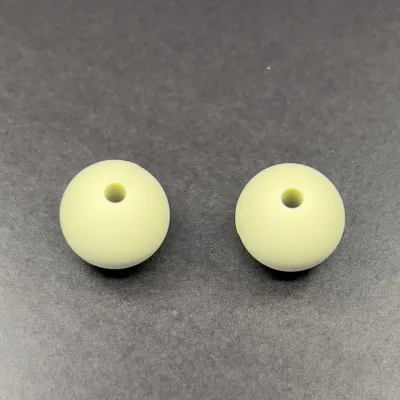
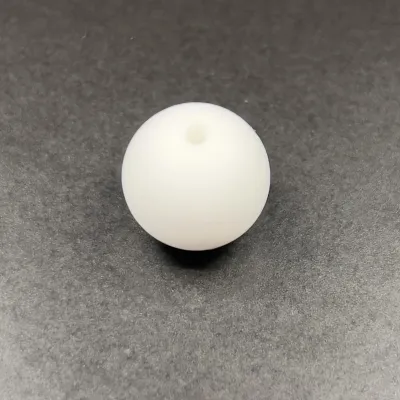
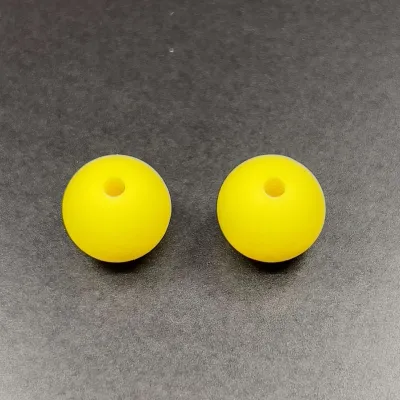
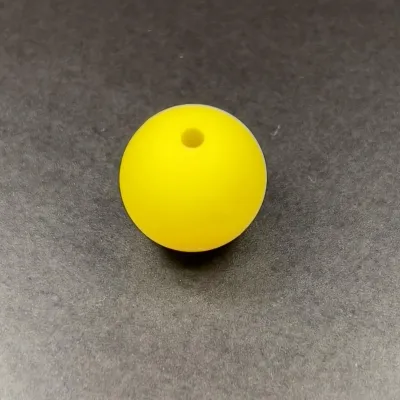
Prices are valid at publication and may change. Please refer to the product page for the latest price.
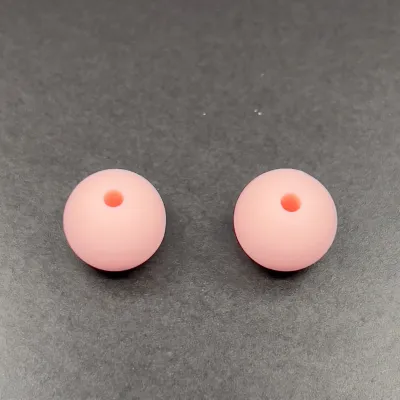
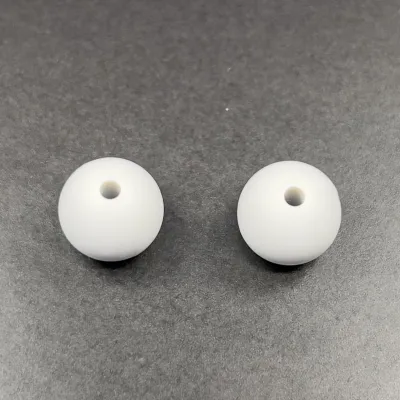
Visually, silicone beads present a modern, clean aesthetic with colors ranging from vibrant pastels to deep earth tones. Tactilely, they are soft to the touch, lightweight, and have a slightly grippy, rubbery texture. This makes them highly satisfying to handle, which is why they are so popular in sensory accessories and modern jewelry designs.
A common misconception is confusing cured silicone with “silly putty” or cheap, degradable rubber. While silly putty is an uncured, fluid-like silicone polymer, the silicone used in crafting beads is a fully cross-linked, cured elastomer. This curing process locks the molecular structure in place, ensuring the beads retain their shape, resist melting under normal conditions, and do not leach substances over time.
Food-Grade vs. Standard Silicone: Navigating Safety and Certifications
When sourcing silicone beads, you will quickly encounter two primary categories: food-grade (or medical-grade) silicone and standard industrial or craft-grade silicone. The distinction between them lies in the purity of the raw materials and the manufacturing environment. Food-grade silicone undergoes strict testing to ensure it does not contain harmful fillers, chemical byproducts, or heavy metals.

Using food-grade silicone is absolutely critical if your crafting projects involve items that will come into direct, prolonged contact with the skin, or items that might be chewed on, such as teething necklaces, pacifier clips, or infant sensory toys. Standard craft-grade silicone may contain chemical plasticizers or manufacturing residues that are unsuitable for oral contact or sensitive skin.
To verify these safety claims, you must actively inspect the product packaging and manufacturer specifications rather than relying on generic product titles. Look for explicit certifications indicating that the beads are BPA-free, PVC-free, phthalate-free, and lead-free. Reputable suppliers will readily provide safety data sheets or compliance certificates from recognized testing laboratories to verify these claims.
Establishing clear safety boundaries is vital for any crafter. Never assume that all silicone beads are inherently safe for infants or young children just because they are soft. If you are creating baby jewelry or teething accessories, always verify that the specific batch of beads is certified food-grade, use high-strength cords that cannot easily break, and consult pediatric guidelines or local safety standards before distributing your creations.
Material Performance: Flexibility, Durability, and Climate Resistance
The physical properties of silicone make it an exceptionally high-performing material for everyday wear, but it also introduces unique structural behaviors that crafters must accommodate. Because silicone is highly flexible and has a natural “give,” stringing these beads requires careful tension management. Unlike rigid glass or metal beads, silicone beads can compress slightly under high tension, which can affect the overall drape and drape-line of a necklace or bracelet.
One of the greatest advantages of silicone beads, particularly in tropical and highly humid climates like the Philippines, is their outstanding water and sweat resistance. Traditional wooden beads can warp, crack, or harbor mold when exposed to high humidity and perspiration, while porous stones can discolor. Silicone, by contrast, is completely non-porous and hydrophobic, meaning it does not absorb moisture, resists mold growth, and remains unaffected by daily exposure to sweat or rain.
Colorfastness is another major benefit of this material. Because pigments are thoroughly integrated into the silicone matrix prior to the curing process, the colors are locked within the material itself. This means your crafted items will resist fading even when exposed to bright tropical sunlight, regular washing, or friction against clothing.
However, silicone does have a few material limitations that you must keep in mind. Due to its natural static charge, silicone has a strong tendency to attract dust, lint, and pet hair from the surrounding environment. Additionally, while silicone is highly elastic, it is vulnerable to tearing if punctured by sharp objects, and it can undergo physical degradation if exposed to extreme direct heat or open flames.
How to Choose the Right Silicone Beads for Your Project
Selecting the perfect silicone beads requires balancing your aesthetic goals with the practical requirements of your design. These beads are available in a vast array of shapes and sizes, including classic round beads (ranging from 9mm to 22mm), hexagonal or geometric shapes, flat abacus beads, and decorative focal beads shaped like flowers, animals, or characters. Mixing different shapes not only adds visual interest but also enhances the tactile variety of sensory items.
Before purchasing, always check the hole size and stringing compatibility of the beads. The inner diameter of the bead hole must accommodate your chosen stringing material, whether it is nylon cord, elastic thread, or satin cord. Because silicone is flexible, the holes can compress or stretch slightly, but trying to force a thick cord through a hole that is too small can cause the silicone to tear or make the assembly process incredibly frustrating. Conduct a quick trial stringing with a single bead and your chosen cord to verify the fit, smoothness of the pass-through, and knot security before starting a large project.
Surface texture is another key decision point. Matte finishes offer a modern, sophisticated look with a velvety feel that minimizes light reflection, making them excellent for minimalist jewelry. Glossy finishes, on the other hand, have a shinier, more reflective surface that can make colors appear more vibrant, though they may feel slightly stickier to the touch and attract lint more easily.
When purchasing silicone beads from online craft stores or e-commerce platforms, take the time to read customer reviews specifically looking for mentions of color consistency and batch uniformity. When buying in bulk, minor color shifts can occur between different production runs, so verifying that a seller maintains high quality control is essential for professional-looking results.
Working with Silicone: Stringing, Cleaning, and Maintenance
Assembling silicone bead projects requires techniques that account for the material’s slip and elasticity. For most jewelry and accessory projects, high-strength nylon cord, polyester satin cord (often called rattail), or thick stretch elastic are the preferred choices. When securing your ends, a standard knot may slip through the flexible bead holes under tension; instead, use a secure knot like a surgeon’s knot, pull it tight, and consider applying a small drop of flexible jewelry glue to the knot before hiding it inside an adjacent bead.
Maintaining and cleaning finished silicone pieces is remarkably straightforward, making them highly practical for daily use. You can easily wash the beads using mild dish soap and lukewarm water to remove accumulated dust, oils, or dirt. Avoid using harsh chemical solvents, acetone, or abrasive scrubbers, as these can degrade the polymer surface; additionally, do not use boiling water for sterilization unless the manufacturer explicitly states that the specific beads are rated for high-heat exposure.
Proper storage will keep your silicone beads in pristine condition before and after crafting. Because of their tendency to attract lint, store your loose beads and finished items in sealed anti-static bags or dedicated plastic compartments within a closed craft organizer. Keep them away from sharp tools, scissors, or wire cutters in your workspace to prevent accidental punctures or tears.
Frequently Asked Questions (FAQ)
Can you melt or reshape silicone beads at home?
Cured silicone is a thermoset polymer, meaning that once it has undergone the curing process during manufacturing, its molecular structure is permanently cross-linked. It does not melt or soften when heated like thermoplastics (such as hot melt glue or standard plastic beads). If you attempt to melt or reshape silicone beads at home using a heat gun, oven, or open flame, the material will simply smoke, degrade, char, and burn, releasing unpleasant fumes. Always purchase silicone beads in the exact shape, size, and style you need for your project.
Are all silicone beads safe for children's sensory toys?
No, not all silicone beads are safe for children’s toys. You must verify that the beads are explicitly certified as food-grade or toy-safe, ensuring they are free from BPA, phthalates, and heavy metals. Beyond the material itself, the safety of a sensory toy depends heavily on its construction. Ensure that you use incredibly strong, durable cords, employ secure knotting techniques, and inspect the finished item regularly for signs of wear or loose parts. Children should always be supervised by an adult when playing with handmade sensory toys to prevent choking hazards.
How do you remove stubborn lint and dust from silicone jewelry?
Because silicone has a natural static charge, it easily attracts dust and lint. To quickly clean your silicone jewelry, rinse the item under lukewarm running water and wash it with a drop of mild dish soap, using your fingers to gently rub away any debris. For stubborn lint, you can use a clean lint roller, a piece of sticky tape wrapped around your finger, or a soft-bristled toothbrush to gently sweep the surface. Avoid applying oily polishes, creams, or household cleaning sprays, as these substances can leave a sticky residue that will only attract more dust over time.
Community discussion
Share your experience or ask a question. Comments are reviewed before publication.