
When purchasing office supplies, selecting the right sheet thickness is more than just a minor logistical detail. The choice between 70 GSM, 80 GSM, and 100+ GSM directly affects print quality, machine longevity, and the overall presentation of your work. For most standard office tasks, 80 GSM serves as the ideal baseline. However, high-volume draft printing often calls for a more economical 70 GSM sheet, while formal certificates and heavy ink projects demand 100 GSM or higher. Selecting the perfect bond paper a4 size requires balancing your budget, your printing equipment, and the specific requirements of your documents.
What Does GSM Actually Mean for A4 Bond Paper?
GSM stands for Grams per Square Meter. It is the standard metric unit used globally to measure the density and weight of paper. To visualize this, if you were to cut a sheet of paper to exactly one square meter, its weight in grams would equal its GSM rating. Consequently, a higher GSM number indicates a thicker, heavier, and more opaque sheet of paper.
However, a common misconception is that a higher GSM automatically translates to better quality. In reality, paper quality is determined by fiber composition, surface smoothness, and manufacturing standards, not just thickness. Selecting the right weight is about matching the physical properties of the paper to your specific task and equipment, rather than simply buying the heaviest option available. Using an excessively heavy sheet for simple text prints is an unnecessary expense, while using a sheet that is too thin for formal presentations can undermine your professional image.
Products mentioned in this guide
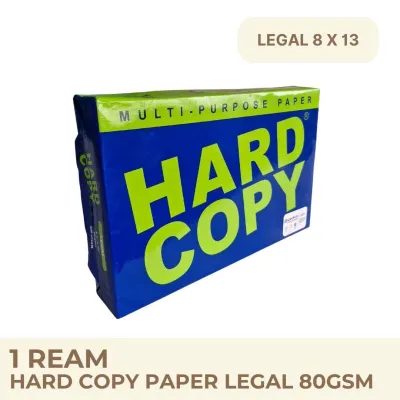
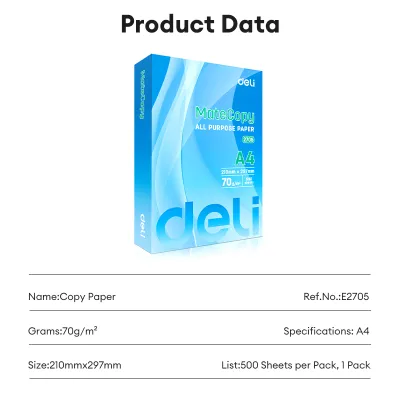
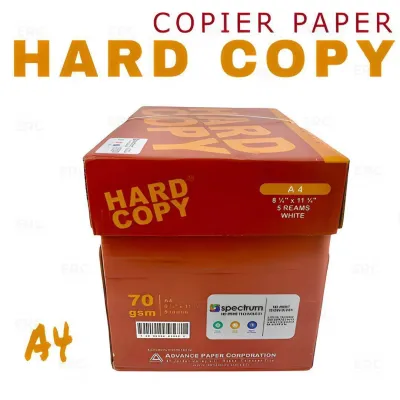
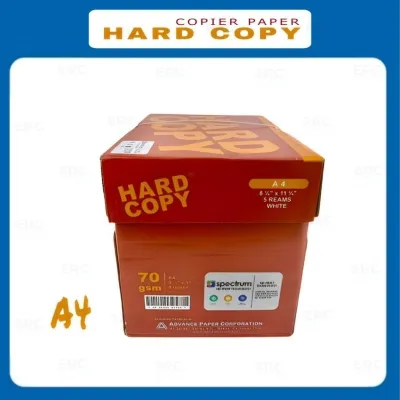
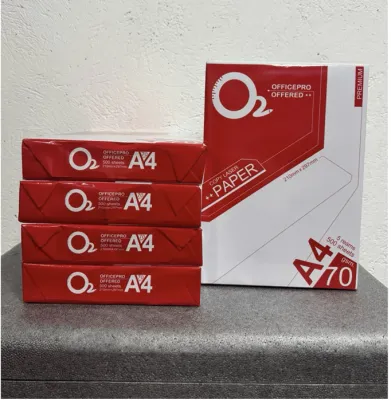
Prices are valid at publication and may change. Please refer to the product page for the latest price.
70 GSM vs 80 GSM vs 100+ GSM: Which Weight Fits Your Project?
Understanding how different paper weights perform under real-world conditions is key to making an informed purchase. In the local market, you may also hear these weights referred to by “Substance” numbers—where Substance 20 roughly corresponds to 70 to 75 GSM, and Substance 24 corresponds to 80 to 90 GSM. Choosing the correct weight ensures your documents look professional while keeping your printing operations smooth and cost-effective.

70 GSM: Best for Everyday Drafts and Bulk Printing
Lighter paper is the undisputed workhorse of high-volume environments. In schools, universities, and busy offices, 70 GSM bond paper a4 sheets are the go-to choice for handouts, rough drafts, and internal memos. When you are printing hundreds of pages of text-only documents that will eventually be recycled or filed away, keeping your per-page cost low is a major operational priority.
However, this lighter weight comes with clear physical limitations. Because the paper is relatively thin, it has lower opacity. If you attempt double-sided printing, the text from the reverse side will easily show through, making the document difficult to read. Furthermore, 70 GSM paper is highly susceptible to ink bleed-through when used with high-flow gel pens or standard inkjet printers, meaning it is best reserved for single-sided laser printing or basic pencil and ballpoint notes.
80 GSM: The Reliable Standard for Professional Documents
Step up to 80 GSM, and you reach the universal standard for business correspondence and academic submissions. This weight offers a noticeable improvement in stiffness, thickness, and opacity compared to lighter alternatives. It provides a clean, professional appearance without the premium price tag of heavy specialty papers.
This is the ideal weight for official reports, contracts, resumes, and double-sided printing. The increased density ensures that text printed on one side does not distract from the content on the other. Additionally, 80 GSM paper feeds exceptionally well through standard office copiers and multi-function printers. It possesses just enough structural rigidity to pass through high-speed feed rollers without folding, curling, or catching, making it the safest default choice for daily office operations.
100 GSM and Above: For Certificates, Graphics, and Heavy Ink
When a document needs to convey prestige, or when your project involves heavy ink coverage, look toward 100 GSM and higher options. This premium category is reserved for corporate portfolios, formal presentation handouts, marketing flyers, and official certificates. The tactile difference is immediate, giving the reader an impression of high quality and importance.
Thicker paper handles saturated color graphics and solid color blocks beautifully. The dense fibers absorb liquid ink without warping, wrinkling, or feathering. This makes it the preferred choice for fountain pen enthusiasts and artists using heavy gel pens or markers, as the ink stays crisp and contained.
Before purchasing a large quantity of premium heavy paper, always verify your printer’s specifications. Thicker sheets require more effort from the feed rollers and can easily cause physical jams in standard home printers not rated for heavy media.
Printer Limits and Humidity: Hidden Factors in Paper Performance
Choosing the right paper weight is not just about how the sheet feels in your hand; it is also about how it interacts with your machinery and the surrounding environment. Ignoring these technical and environmental factors can lead to frustrating printer jams and wasted supplies.
Printer Compatibility: Every printing device has a designated paper path designed to handle specific weight ranges. Standard desktop inkjet and laser printers are typically optimized for paper weights between 60 GSM and 90 GSM. To find your machine’s exact limits, consult the user manual or the manufacturer’s website under the paper handling specifications. Forcing heavy 100+ GSM sheets through a delicate roller system can misalign the feed mechanism over time, turning a simple print job into an expensive repair. If you frequently print on heavy cardstock or thick premium paper, look for a printer with a manual bypass tray, which provides a straighter, safer paper path.
Humidity and Curling: Environmental conditions play a massive role in how paper behaves, particularly in tropical, high-humidity climates like the Philippines. Paper is naturally hygroscopic, meaning it acts like a sponge, absorbing moisture from the surrounding air. When thin paper, such as 70 GSM, is exposed to high ambient humidity, the fibers expand unevenly, causing the sheets to curl. When this damp, curled paper enters a hot printer fuser, the moisture rapidly evaporates, causing severe curling and immediate paper jams.
To minimize curling, store your bond paper a4 reams in their original moisture-resistant wrapper until you are ready to use them. If you work in an air-conditioned office, let the paper acclimate to the room’s temperature and humidity for a few hours before opening the packaging. Always fan the stack of paper gently before loading it into the paper tray to discharge static and separate the sheets.
Quick Decision Matrix: Match Your Task to the Right GSM
To help you quickly select the right weight for your upcoming project, refer to the summary matrix below. Matching your specific task to the correct GSM ensures both optimal print quality and cost efficiency.
| Use Case | Recommended GSM | Key Benefit |
|---|---|---|
| Daily Drafts, School Handouts, & High-Volume Text | 70 GSM | Maximum cost savings per ream and lighter storage weight |
| Official Reports, Contracts, & Double-Sided Printing | 80 GSM | Balanced opacity, professional feel, and smooth printer feeding |
| Certificates, Portfolios, Resumes, & Presentation Slides | 100 GSM | Premium tactile feel and high resistance to ink warping |
| Fountain Pen Writing, Heavy Ink Art, & Calligraphy | 100+ GSM | Zero bleed-through and crisp, feather-free line definition |
Frequently Asked Questions (FAQ)
How do I convert paper weight from pounds (lb) to GSM?
Paper weight systems can be confusing because different regions use different standards. While the metric system uses GSM, the imperial system (commonly used in North America) measures paper in pounds (lb) based on the weight of a stack of uncut sheets. For standard bond paper, you can use these general approximations: 20 lb bond paper is roughly equivalent to 75 GSM, while 24 lb bond paper aligns closely with 90 GSM. Knowing these conversions helps when purchasing imported stationery or setting up print drivers that default to imperial measurements.
Can I use thick 100 GSM bond paper for photo printing?
While 100 GSM paper feels thick and premium, it is not a suitable substitute for dedicated photo paper. Standard bond paper, regardless of its weight, has an uncoated, porous surface. When you print high-density color images on it, the liquid ink sinks deep into the fibers, resulting in dull colors, soft details, and potential ink pooling. For vibrant, sharp photographic prints, always use paper specifically coated with a glossy, satin, or matte photographic emulsion, which keeps the ink on the surface where it belongs.
Community discussion
Share your experience or ask a question. Comments are reviewed before publication.