
Abaca fiber, harvested from the leaf sheaths of the Musa textilis plant (a relative of the banana tree native to the Philippines), is a highly durable, lightweight, and visually striking natural material. In gift wrapping, it is prized for its exceptional tensile strength, rich organic texture, and natural luster. Unlike standard wood-pulp papers, abaca wrapping materials offer a distinct tactile experience and a rustic yet elegant aesthetic that elevates gift presentations. Whether used as a delicate handmade paper sheet, a sturdy woven mesh, or a rustic ribbon, this versatile fiber provides an eco-conscious alternative to synthetic wraps, holding its shape beautifully while resisting tears.
Identifying Abaca Fiber Characteristics in Wrapping Supplies
Abaca fiber possesses a unique combination of strength and flexibility. Visually, it features a subtle, natural sheen that catches the light differently than flat paper or synthetic plastics. Because it is derived from plant stalks, you will notice slight color variations ranging from warm cream and pale ivory to deep brown and tan, even within a single sheet or spool. Tactily, it feels textured and slightly fibrous, yet surprisingly smooth compared to rougher agricultural fibers.
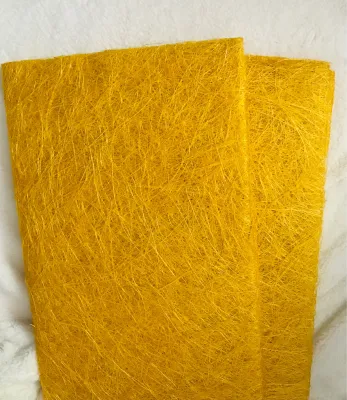
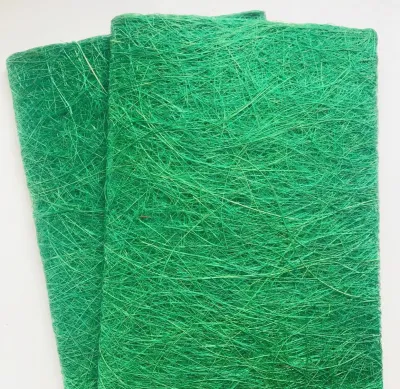
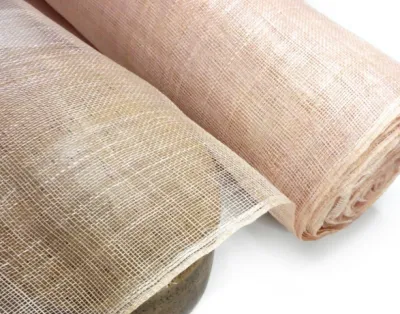
In the stationery and gift-wrapping market, abaca is available in several distinct formats. Handmade abaca paper sheets often feature visible, raw fibers embedded in the pulp, creating a beautiful translucent or textured effect. Woven abaca mats (sometimes called sinamay) offer an open, mesh-like structure that is stiff enough to hold dramatic shapes. You can also find abaca twine, which is tightly spun for securing packages, and abaca ribbons, which range from loose, rustic weaves to refined, dyed bands.
Products mentioned in this guide
Prices are valid at publication and may change. Please refer to the product page for the latest price.
Distinguishing abaca from other natural fibers like jute, cotton, or hemp requires looking at the fiber length and stiffness. Jute is typically coarser, darker, and has a distinct earthy scent, making it feel rougher to the touch. Cotton is incredibly soft and lacks the structural stiffness needed to hold crisp folds on its own. Hemp is strong but generally lacks the natural, silky luster that characterizes high-quality abaca. When you handle genuine abaca, it feels remarkably light yet exceptionally difficult to tear by hand, a testament to its long, resilient fibers.
Evaluating Abaca for Your Gift Presentation Needs
Choosing the right wrapping material depends heavily on the tone of the occasion. Abaca fiber excels in presentations that celebrate natural beauty, making it a perfect match for rustic weddings, artisanal product packaging, eco-conscious holiday gifting, or minimalist celebrations. Its raw, organic look communicates thoughtfulness and care, signaling to the recipient that the packaging itself is a valued part of the gift.

From a functional standpoint, abaca behaves differently than standard wrapping paper. Woven abaca sheets and sinamay mats have a natural stiffness that allows them to hold dramatic, sculptural shapes, making them excellent for creating structured bows or wrapping odd-shaped items like wine bottles and potted plants. However, because of this stiffness, abaca does not fold into the razor-sharp, flat creases typical of thin wood-pulp paper. Instead, it drapes elegantly around curves and holds knots securely without slipping, ensuring that your ribbons and ties remain tight throughout transit.
The material’s open weave and breathability also offer practical benefits. If you are gifting organic items, such as handmade soaps, dried flower bouquets, artisanal chocolates, or specialty woodcrafts, abaca allows air to circulate. This prevents moisture buildup inside the package while showcasing the natural textures of both the gift and the wrapping. The tactile contrast between a rough-textured abaca wrap and a smooth, polished gift item creates an engaging sensory experience for the recipient.
Selecting and Working with Abaca Wrapping Materials
To achieve a polished look, you must match the specific format of abaca to the scale and weight of your gift. For small, delicate items like jewelry boxes or stationery sets, a fine, lightweight abaca paper or a thin abaca ribbon is ideal, as it will not overwhelm the object. For larger, heavier gifts such as ceramic bowls, heavy books, or gift baskets, opt for thick woven abaca mats or heavy-duty abaca twine. Using a thick, stiff mesh on a tiny box can make wrapping clumsy, while thin paper may struggle to support the weight of a heavy item.
Working with abaca requires a few adjustments to your standard wrapping technique. Because of its fibrous nature, cutting abaca with dull scissors can lead to jagged edges and immediate fraying. Always use sharp fabric shears or a dedicated utility cutter to make clean, decisive cuts. When wrapping with woven abaca sheets, fold the raw edges inward by about half an inch before securing them; this simple step hides the cut fibers and prevents the weave from unraveling. Instead of standard plastic tape, which rarely adheres well to highly textured surfaces, secure your abaca wraps using hot glue, strong double-sided craft tape, or by tying them firmly with abaca twine.
To elevate the overall presentation, pair abaca with complementary natural elements. The organic texture of abaca pairs beautifully with plain kraft paper, which provides a smooth, neutral background that makes the fiber’s texture pop. You can also tuck dried botanicals, such as lavender sprigs, eucalyptus leaves, or cinnamon sticks, under the abaca twine. For labeling, simple wooden tags, handmade cotton paper cards, or recycled cardboard tags tied with a thin strand of abaca complete the cohesive, earth-friendly aesthetic.
Limitations and Storage Conditions for Abaca Supplies
While abaca is celebrated for its strength, it is a natural plant fiber and remains sensitive to environmental conditions. In tropical climates or high-humidity environments, abaca can absorb moisture from the air. This absorption can cause the fibers to soften, losing their crisp, structural stiffness, and may eventually lead to mold or mildew growth if the supplies are stored in damp, unventilated spaces. To preserve your wrapping materials, store them in a cool, dry cupboard inside airtight plastic bins or sealed bags, away from direct sunlight which can also fade natural dyes.
Another consideration is the abrasive potential of raw plant fibers. Unprocessed abaca can be relatively stiff and scratchy. If you are wrapping highly polished items, delicate glassware, varnished wood, or easily scratched jewelry, wrapping them directly in coarse abaca can cause surface abrasions. To protect these sensitive items, always wrap them in a soft inner layer, such as acid-free tissue paper or cotton cloth, before applying the outer abaca layer.
Finally, be aware of potential color transfer. Naturally dyed or deeply pigmented abaca wrapping papers and ribbons can bleed if they come into contact with moisture. If you plan to wrap light-colored gifts or items that might get damp, it is wise to test the material for colorfastness first. Simply moisten a small, inconspicuous corner of the abaca material and press it against a scrap piece of white paper or cloth. If any dye transfers, use an inner protective barrier to prevent the color from staining your gift.
Frequently Asked Questions (FAQ)
Is abaca wrapping paper recyclable or compostable?
Pure, uncoated abaca wrapping paper is fully biodegradable and can be composted at home or in industrial facilities, as it consists of natural plant fibers. However, many commercial wrapping papers are treated with synthetic glues, plastic laminates, metallic foils, or chemical dyes to enhance their appearance or durability. Before composting or recycling, inspect the product label or manufacturer specifications. If the paper has a shiny plastic coating or contains non-biodegradable additives, it must be disposed of in regular waste. Additionally, check with your local recycling facility, as some municipal programs do not accept highly textured, handmade papers due to the way they break down during the standard pulping process.
How do I prevent abaca ribbon from fraying when cutting?
Preventing fraying starts with using the right tools. Always cut abaca ribbon with very sharp fabric scissors rather than standard household scissors, which can crush and tear the fibers. For loose or open-weave ribbons, you can secure the cut ends by tying a simple overhand knot close to the edge, or by applying a thin line of clear craft glue along the cut line and letting it dry. While synthetic ribbons can be heat-sealed with a flame, pure natural abaca will singe or burn rather than melt, so heat sealing is only effective if the ribbon contains a synthetic blend. Adjust your technique based on the weave: tight weaves may only require a clean diagonal cut, while loose, mesh-like sinamay ribbons almost always require a dab of glue or a folded hem to stay neat.
Can abaca fiber be used for heavy or sharp-edged gifts?
Yes, but you must select the appropriate format and take protective measures. While abaca is incredibly strong, thin handmade abaca paper can still tear if stretched tightly over sharp, pointed corners. If you are wrapping a heavy or sharp-edged item, protect the wrapping by placing the gift inside a sturdy inner cardboard box first, or cushion the sharp corners with folded tissue paper or cardboard edge guards. For heavy items that require secure carrying, avoid thin papers and instead use heavy-duty woven abaca mats or multi-strand abaca twine, which can easily support significant weight when used as load-bearing ties or handles.
Community discussion
Share your experience or ask a question. Comments are reviewed before publication.