
Abaca paper is a highly durable, textured specialty paper made from the leaf sheath fibers of the abaca plant, a close relative of the banana native to the Philippines. In scrapbooking and paper crafting, this material has earned a dedicated following because of its striking organic texture, exceptional tensile strength, and unique visual warmth. Unlike standard wood-pulp papers that can feel flat and uniform, abaca paper introduces a tactile, dimensional quality that elevates handmade layouts, memory books, and journal pages into multi-sensory keepsakes.
Crafters value abaca paper not only for its rustic aesthetic but also for its physical resilience. The long, robust fibers allow the paper to withstand folding, tearing, and heavy embellishments without losing its structural integrity. Whether you are looking to create a vintage-inspired background, add a soft layered element, or introduce a natural touch to your memory albums, understanding how this unique material behaves will help you achieve clean, professional, and long-lasting results in your creative projects.
What Is Abaca Fiber and How Is It Made into Paper?
Abaca fiber comes from the Musa textilis plant, which thrives in the warm, humid, and tropical climate of the Philippines. Often referred to historically as Manila hemp, abaca is globally renowned as one of the strongest natural leaf fibers in existence. Historically utilized for heavy-duty marine cordage, rigging, and banknotes due to its resistance to water damage and mechanical wear, these same physical properties make it an exceptional raw material for specialty papermaking.
Products mentioned in this guide
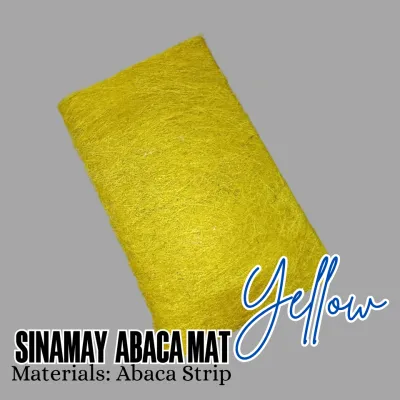
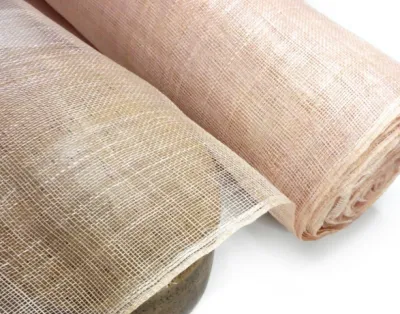
Prices are valid at publication and may change. Please refer to the product page for the latest price.
The journey from plant to paper begins with the harvesting of the abaca stalks. Artisans strip the leaf sheaths from the stalks and extract the long, resilient fibers through a process called tuxying. Once extracted, the fibers are thoroughly washed, dried, and cooked in a mild alkaline solution to break down the natural binders without damaging the cellulose structure. The softened pulp is then beaten to separate the individual fibers, preparing them to be suspended in water for sheet formation.
The final appearance of the paper depends heavily on the production method. Traditional handmade papermaking involves lifting a fine screen mold through the water-and-fiber suspension, allowing the water to drain while leaving a beautifully chaotic, interwoven web of fibers on the surface. This manual process preserves the organic, uneven look and creates natural deckled edges. In contrast, modern semi-machine processes yield more uniform sheets with a consistent thickness, making them easier to feed through tools while still retaining the characteristic fibrous patterns.
When working with abaca paper, you will immediately notice prominent, raw fiber strands running across the sheet. It is important to recognize that these visible, slightly raised strands are a deliberate hallmark of the material rather than a manufacturing defect. These fibers catch the light and provide a physical record of the handcrafting process, ensuring that no two sheets are ever completely identical.
Distinctive Texture and Visual Qualities of Abaca Paper
The sensory appeal of abaca paper lies in its distinct departure from commercial, machine-made stationery. Visually, the paper is characterized by a complex network of visible, intertwined fibers that create a subtle, natural pattern across the surface. While natural, unbleached abaca paper features warm, earthy tones ranging from rich cream and soft beige to deep tan, the fibers also take dyes exceptionally well. This allows for a wide palette of colored papers, from soft pastels to vibrant tropical hues, often featuring contrasting lighter or darker fiber strands.

Many handmade varieties of abaca paper incorporate botanical elements directly into the wet pulp during the manufacturing process. It is common to find sheets embedded with real flower petals, skeleton leaves, grass blades, or small bark fragments. These inclusions add a rustic, botanical dimension to the paper, making it an excellent choice for nature-themed layouts, travel journals, and heritage scrapbooks.
The edges of handmade abaca paper offer another major visual asset. Instead of the sharp, clean, machine-cut borders of standard cardstock, abaca paper typically features natural deckled or torn edges. These feathered, irregular borders provide a soft transition when layered onto other papers, eliminating the need for manual distressing or tearing to achieve an organic look.
Tactilely, abaca paper feels slightly rough and organic to the touch, yet it remains surprisingly flexible rather than stiff or brittle. This flexibility is highly advantageous for scrapbooking, as the paper can drape, fold, or wrap around page edges smoothly. Furthermore, thinner variants of abaca paper exhibit a beautiful semi-translucency. When held to the light, these thin sheets reveal their internal fiber structure clearly, allowing crafters to layer them over photographs, printed text, or patterned backgrounds to create a soft, filtered effect without completely obscuring the elements underneath.
Why Abaca Paper Is Highly Valued in Scrapbooking
Scrapbook layouts can sometimes suffer from visual flatness when constructed solely from standard printed papers and cardstock. Abaca paper solves this design challenge by introducing immediate dimensional interest. The physical depth of the raised fibers and the irregular surface texture break up the flat planes of a scrapbook page, drawing the eye and inviting touch. It serves as an excellent middle layer, creating a tactile buffer between a smooth background and your focal photographs.
The durability and strength of abaca paper make it highly functional for complex layouts. Because abaca fibers are exceptionally long and resilient, the resulting paper possesses high dry and wet tensile strength. This structural integrity means you can apply heavier embellishments—such as metal eyelets, heavy brads, wooden die-cuts, or thick buttons—without worrying that the paper will sag, tear, or pull through at the attachment points. It also resists cracking when scored, folded, or pleated to create interactive page elements like pockets, flaps, and pull-out tabs.
From an aesthetic standpoint, abaca paper offers immense versatility across various scrapbooking themes. Its raw, organic appearance makes it a natural fit for vintage and heritage layouts, where it pairs beautifully with sepia-toned photos, distress inks, and tea-stained ephemera. It is equally at home in botanical, tropical, or eco-conscious designs, reflecting the natural beauty of its origin. For crafters focusing on sustainable journaling, abaca paper is highly appealing as it is biodegradable, acid-free when processed correctly, and sourced from a rapidly renewable plant that regrows quickly after harvesting.
Practical Techniques for Using Abaca Paper in Scrapbooks
To get the most out of abaca paper’s unique physical properties, you can employ specific crafting techniques that highlight its natural beauty while ensuring structural stability.
Tearing vs. Cutting
While you can cut abaca paper with standard scissors or a paper trimmer, cutting can sometimes make the edges look artificially sharp, detracting from the paper’s organic appeal. To emphasize the long, beautiful fibers, try tearing the paper instead. You can achieve a controlled, highly fibrous edge by using a water pen or a fine-tip paintbrush dipped in clean water. Draw a wet line along the area you wish to separate, let the water soak into the fibers for a few seconds, and then gently pull the paper apart. The water softens the natural binders, allowing the long abaca fibers to pull away intact, leaving a gorgeous, fluffy, feathered edge.
Layering and Backing
Because thin or medium-weight abaca paper can be highly porous and flexible, it may lack the rigidity needed to support heavy photos on its own. To prevent warping, pair thinner sheets of abaca paper with a solid cardstock backing. Use the abaca paper as a decorative overlay, securing it at the corners or along the edges to a sturdy base sheet. This layering technique provides the necessary structural support while preserving the delicate, semi-translucent quality of the abaca fibers.
Adhesive Selection
Selecting the right adhesive is critical when working with highly porous, fibrous papers. Liquid craft glues and standard school glues contain a high water content, which can easily saturate abaca fibers, causing the paper to buckle, warp, or show wet spots even after drying. Instead, opt for dry or low-moisture adhesives. Double-sided tape, dry adhesive rollers, glue dots, or acid-free glue sticks work exceptionally well. If you must use liquid glue for intricate areas, apply a very thin layer of acid-free PVA glue using a makeup sponge or a dry brush to ensure even, light distribution.
Embellishment Compatibility
Abaca paper responds beautifully to dry embossing, where the long fibers stretch into the embossed patterns without tearing. It also accepts stamping, provided you use the right ink. Due to the textured surface, firm pressure is required when stamping to ensure the ink reaches the recessed areas of the fibers. Pigment inks, which sit on top of the paper fibers rather than soaking in deeply, generally yield sharper stamped images than thin, dye-based inks. You can also apply light distress inks to the torn edges of the paper using a blending tool to highlight the exposed fiber tips.
Limitations and What to Verify Before You Buy
While abaca paper is a premium and versatile crafting medium, it does have specific physical limitations that you should consider before purchasing and incorporating it into your projects.
Ink Bleed and Feathering
Because many handmade abaca papers are unsized—meaning they have not been treated with starches or chemicals to reduce absorbency—they act like a blotter. If you attempt to write directly on highly porous abaca paper using fountain pens, liquid gel pens, calligraphy inks, or water-based markers, the ink will likely spread, bleed, and feather along the fibers, resulting in blurry text. To avoid this, always perform a quick test with your chosen pen on a small scrap piece of the paper first. If feathering occurs, write your journaling on a separate piece of smooth, sized cardstock or vellum and layer it over the abaca paper.
Printer Compatibility
Thick, heavily textured, or deckled-edge abaca sheets are generally incompatible with standard home inkjet and laser printers. The irregular thickness and loose surface fibers can cause paper jams, feed errors, or printhead damage. Additionally, loose fibers can transfer onto the printer’s rollers, affecting future print quality. If you wish to print digital elements or photos onto abaca paper, verify that the sheet is a smooth, machine-finished variant, and check your printer’s manual to ensure it can handle the paper’s specific weight (GSM) and thickness. Always use the manual feed tray rather than the automatic paper cassette.
Archival Safety
For scrapbookers, preserving photographs and memories for decades is a primary goal. While raw abaca fiber is inherently durable and long-lasting, the chemical processing it undergoes—such as bleaching, dyeing, or sizing—can introduce acidic compounds. Acid and lignin are the primary culprits behind the yellowing and deterioration of photographs over time. Before purchasing abaca paper for direct contact with your photos, carefully verify the manufacturer’s packaging for “acid-free” and “lignin-free” labels. If you are using a handmade, unprocessed, or dyed sheet of unknown acidity, place a protective layer of acid-free photo-mounting corners or clear archival sleeves between the photograph and the abaca paper, especially in warm, humid tropical environments where chemical reactions can accelerate.
Frequently Asked Questions (FAQ)
Is abaca paper the same as mulberry or rice paper?
No, abaca paper is distinct from both mulberry and rice paper, primarily due to its botanical origin and physical strength. While all three are popular fibrous papers in the crafting community, abaca paper is made from the leaf sheath fibers of Musa textilis (a relative of the banana plant), giving it exceptional tensile strength and water resistance. Mulberry paper (also known as kozo) is made from the inner bark of the paper mulberry tree (Broussonetia papyrifera) and tends to be softer and more delicate. Rice paper is a broad term often used for papers made from rice straw, pith, or other agricultural fibers, which generally lack the high tear resistance and robust structural integrity characteristic of abaca.
Can I use abaca paper for journaling with standard pens?
You can use abaca paper for journaling, but your choice of pen is highly important due to the paper’s porous nature. Standard ballpoint pens and highly viscous gel pens typically perform well, as their thicker inks sit on the surface of the fibers without spreading. However, liquid inks, fountain pens, and water-based markers are highly prone to feathering and bleeding into the unsized fibers. To ensure clean, legible writing, always conduct a trial test on a small scrap of the specific abaca sheet you plan to use. If the ink bleeds, a practical solution is to write your journal entry on a smooth piece of cardstock, cut it out, and mount it onto the abaca paper as a decorative frame.
Community discussion
Share your experience or ask a question. Comments are reviewed before publication.