
HBW pencils are a staple in classrooms, offices, and households across the Philippines, known for their accessibility and reliable performance. Whether you are a student preparing for major exams, an office worker jotting down daily tasks, or an artist sketching initial layouts, finding a dependable writing tool is essential for daily productivity. These pencils offer a practical balance of affordability and functionality, making them a go-to choice for everyday writing needs.
How an HBW pencil feels on paper depends largely on the specific graphite grade you select and the type of paper you use. Generally, these pencils provide a consistent writing experience with a tactile feedback that helps you maintain control over your handwriting. By understanding how these tools are constructed and how different grades perform, you can easily select the right option to suit your writing style and task requirements.
Understanding the HBW Brand and Pencil Types
HBW is a widely recognized stationery brand in the local market, offering a diverse range of writing instruments, school supplies, and office essentials. Within their pencil lineup, you will find two primary formats: traditional wood-cased pencils and modern mechanical pencils. Each format serves different user preferences, depending on whether you value the classic feel of sharpening wood or the convenience of a consistent line width.
Products mentioned in this guide
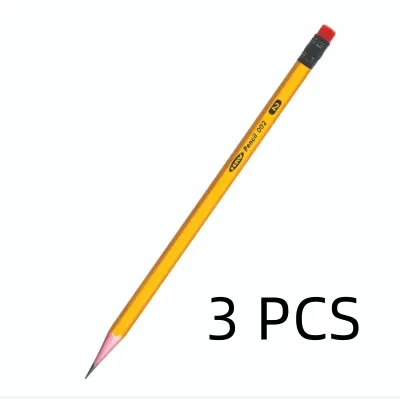
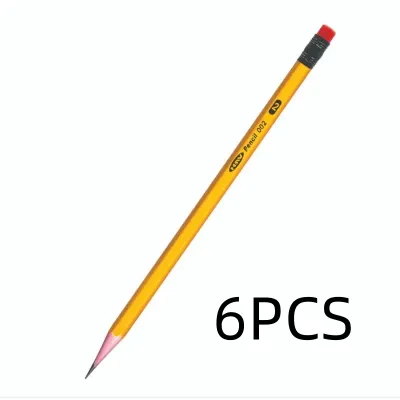
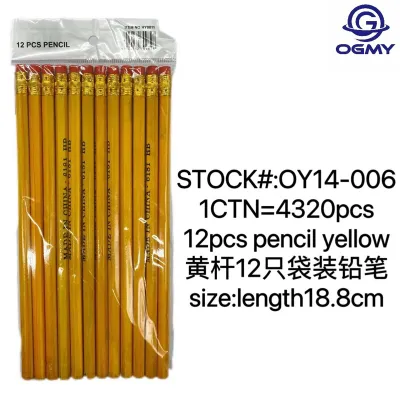
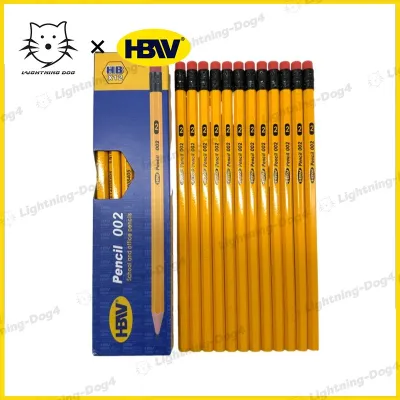
Prices are valid at publication and may change. Please refer to the product page for the latest price.
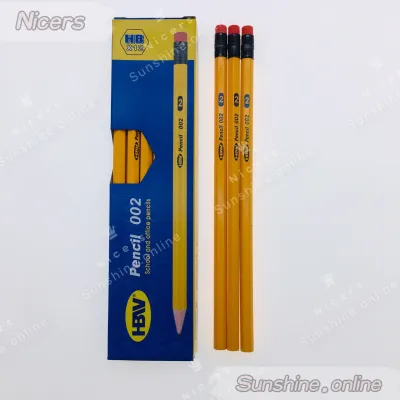
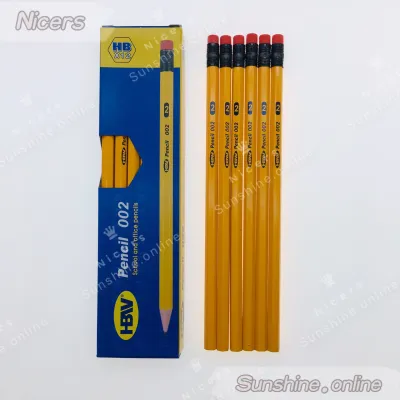
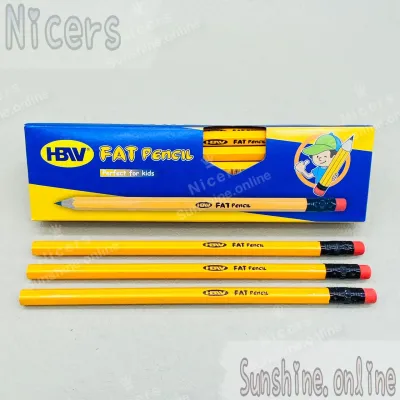
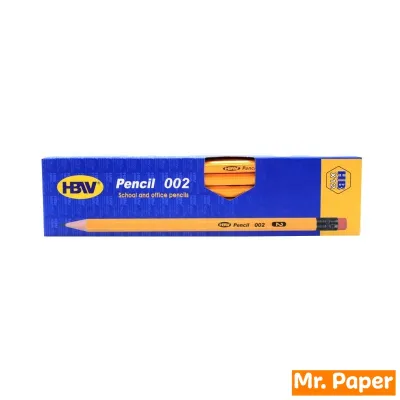
Traditional wood-cased pencils from this brand typically feature a classic hexagonal barrel design. This shape is highly practical, as it prevents the pencil from rolling off slanted desks and provides a comfortable, secure grip for your fingers during long writing sessions. These pencils are usually coated in a bright yellow finish or simple patterns, complete with a metal ferrule holding a pink eraser at the top.
Mechanical pencils, on the other hand, offer a modern alternative that eliminates the need for a sharpener. These devices use replaceable graphite refills, commonly available in standard diameters such as 0.5 mm or 0.7 mm. When choosing a mechanical pencil, it is important to verify the lead size compatibility of the pencil body to ensure your refills fit perfectly. Mechanical options are highly favored by those who require precise, thin lines for technical drawing, accounting, or compact note-taking.
To ensure you are purchasing genuine products, always inspect the packaging and the pencil barrel for clear brand markings. Authentic wood-cased pencils feature clean, sharp gold or silver foil stamping that clearly displays the brand name and the graphite grade. Be cautious of blurry printing, misaligned text, or loose metal ferrules, as these can be signs of low-quality imitations that may suffer from brittle cores and poor wood quality.
How Pencil Core Materials Dictate Writing Performance
The writing performance of any pencil is determined by the composition of its inner core, which is made from a mixture of natural graphite and clay. Although commonly referred to as “lead,” these cores contain absolutely no lead metal, making them safe for daily use by writers of all ages. The specific ratio of graphite to clay determines where a pencil falls on the hardness and darkness scale, directly affecting how it behaves on paper.

Clay acts as a binding agent that gives the core its structural strength and hardness. When a pencil core has a higher concentration of clay, it is classified as a harder grade, denoted by the letter “H.” These harder cores wear down very slowly, hold a sharp point for a long time, and produce light, thin lines. Because they resist wearing down, they are excellent for tasks that require extreme precision and clean, smudge-free pages.
Graphite, by contrast, is a soft, naturally slick carbon material that transfers easily to paper. Cores with a higher proportion of graphite are classified as softer grades, denoted by the letter “B” for blackness. These softer cores glide smoothly across the page, depositing a thick, dark layer of graphite with very little physical pressure. While they offer a buttery writing feel, they wear down quickly and require frequent sharpening to keep a fine point.
The standard HB grade represents the middle ground of this scale, combining equal parts of hardness and blackness. This balanced formulation makes HB pencils highly versatile for general writing, as they offer adequate darkness without wearing down too quickly. Understanding these material differences allows you to predict how a pencil will perform before you even touch it to a sheet of paper.
Evaluating the Writing Experience: Smoothness and Darkness
When evaluating how an HBW pencil feels to write with, smoothness and darkness are the two most critical factors to consider. A smooth pencil should glide across the page without catching on the paper fibers or producing a harsh, scratching sound. Generally, softer grades like 2B offer a smoother, more fluid feel, while harder grades provide more tactile feedback, allowing you to feel the texture of the paper as you write.
Darkness and contrast determine how easily your writing can be read, especially under dim classroom or office lighting. If you prefer bold, highly visible lines, opting for a softer grade will give you the deep contrast you desire. However, because paper textures and graphite formulations vary, it is always best to perform a quick trial on a scrap piece of your preferred paper to verify the exact smoothness and darkness before starting a major project.
Another important aspect of the writing experience is the trade-off between smudge resistance and erasability. Softer, darker graphite does not bind as tightly to the paper fibers, making it more prone to smudging if you accidentally rub your hand across the page. This is a key consideration for left-handed writers who may prefer a slightly harder, cleaner grade like HB. Additionally, while softer graphite is generally easy to erase, pressing too hard can grind the particles deep into the paper, leaving behind a faint gray shadow even after thorough erasing.
Choosing the Right Grade for Your Specific Needs
Selecting the ideal pencil grade depends entirely on your primary activities and writing environment. For everyday note-taking, journaling, and general office tasks, the standard HB pencil is usually the most practical choice. It provides a clean, legible line that does not smudge easily, and the core is durable enough to withstand extended writing sessions without needing constant sharpening.
If you are preparing for standardized exams or school tests in the Philippines, upgrading to a 2B pencil is highly recommended. Many automated exam grading machines rely on optical mark readers that require dark, solid graphite marks to register answers correctly. A 2B pencil allows you to fill in answer bubbles quickly and completely with minimal hand strain, ensuring your exam sheets are processed without errors.
For technical drafting, architectural sketching, or drawing light guidelines, harder grades are much more suitable. These pencils allow you to lay down faint, precise lines that serve as temporary guides, which can be easily erased once your final ink lines are in place. By matching the specific grade of your pencil to your task, you can ensure a comfortable writing experience and a clean, professional final product.
Frequently Asked Questions (FAQ)
Does the type of paper affect how an HBW pencil writes?
Yes, the texture and weight of your paper significantly influence how a pencil feels and performs. Rough paper with a prominent texture acts like a mild abrasive, pulling more graphite from the core, which results in darker lines but also causes the pencil point to wear down much faster. Smooth or coated papers offer less resistance, which can make harder pencils feel slippery and produce lighter, less defined marks. For the best results, try to pair softer graphite grades with smoother paper and harder grades with slightly textured sheets.
How can I prevent my pencil lead from breaking constantly?
Frequent lead breakage is usually caused by internal fractures within the graphite core, which often happen when a pencil is dropped onto hard floors. To protect your pencils, handle them gently and store them in a secure pencil case rather than letting them roll loose in a bag. Additionally, ensure you use a sharp, high-quality sharpener; a dull blade can pull and twist the wood unevenly, putting immense physical stress on the core and causing it to snap during use.
Community discussion
Share your experience or ask a question. Comments are reviewed before publication.