
Bouncing clay is a lightweight, highly elastic modeling material that air-dries to a flexible, rubbery texture, allowing finished creations to bounce when dropped. Unlike traditional modeling clays that are dense, oily, or require high-temperature baking, this modern medium relies on a water-based polymer formula that cures naturally at room temperature. It offers a soft, pillowy tactile experience that appeals to both young children and hobbyists looking for a mess-free alternative to heavy sculpting mediums.
Understanding the differences between these materials is essential before starting your next project. While traditional clays excel at holding microscopic details and providing structural weight, bouncing clay prioritizes flexibility, impact resistance, and ease of use. Choosing the right one depends entirely on whether your project requires a rigid, highly detailed finish or a playful, durable, and lightweight design.
Understanding Bouncing Clay: Core Properties and Texture
Bouncing clay stands out in the stationery and craft world due to its unique physical behavior. When fresh out of the package, it exhibits remarkable elasticity, allowing you to stretch it like warm taffy without it snapping. This high rebound capacity is its defining feature; when rolled into a sphere and dropped onto a hard surface, the cured material behaves much like a rubber bouncy ball, absorbing the impact and springing back into the air.
Products mentioned in this guide
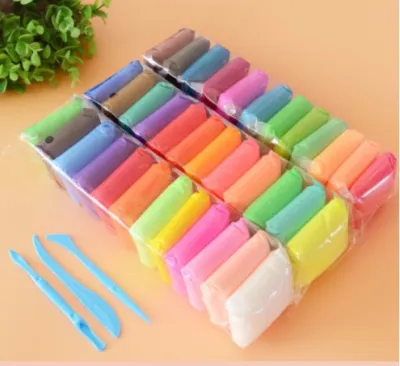
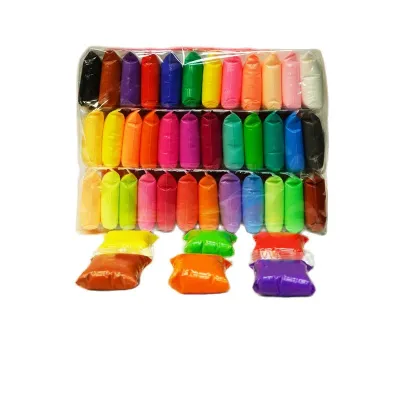
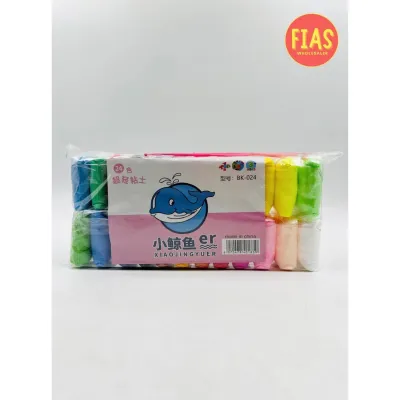
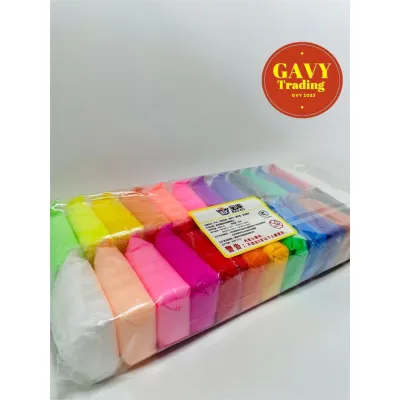
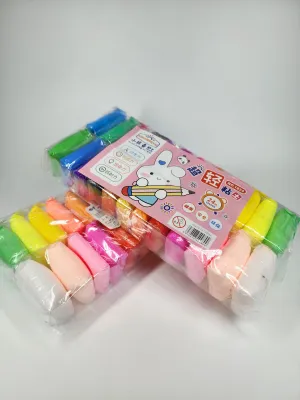
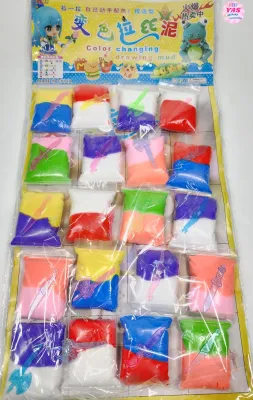
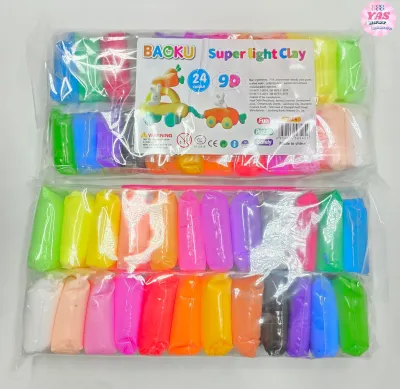
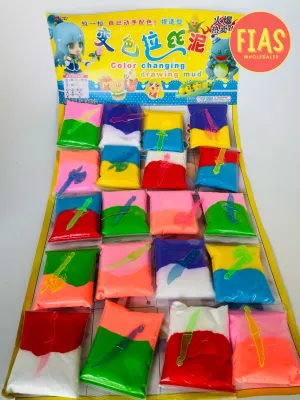
Prices are valid at publication and may change. Please refer to the product page for the latest price.
The tactile experience of handling this material is distinct from any other sculpting medium. It is incredibly lightweight, often feeling more like a dense foam or a soft marshmallow than traditional earth-based clay. It does not leave a greasy or sticky residue on your hands, making it a clean option for quick crafting sessions. The surface is smooth and slightly damp to the touch when fresh, but it quickly begins to form a soft skin as it interacts with the air.
Because formulations vary between manufacturers, always check the packaging for specific material identifiers. Look for labels indicating whether the clay is water-based, polymer-based, or designated as “super light air-dry clay.” The packaging will also specify the curing method, which is almost always air-drying. In warm, tropical climates with high humidity, the drying process may take longer than the standard 24 hours, so check the manufacturer’s environmental recommendations.
Bouncing Clay vs. Regular Modeling Clay: Which One Fits Your Project?
When deciding between bouncing clay and regular modeling clay, the primary trade-off lies in elasticity versus moldability. Bouncing clay is highly elastic, which means it naturally wants to smooth itself out and resist sharp, carved details. If you press a fine line into bouncing clay, the material’s memory may cause that line to shallow out or disappear as it settles. Regular modeling clays, such as plasticine or polymer clay, possess excellent moldability and zero elasticity, allowing them to hold incredibly sharp edges, fine textures, and intricate carved patterns indefinitely.

The final cured state of these materials also presents a stark contrast. Once fully dried, bouncing clay remains slightly flexible, spongy, and exceptionally lightweight. If a finished bouncing clay sculpture falls off a shelf, it will simply bounce off the floor undamaged. In contrast, traditional clays like ceramic clay or oven-bake polymer clay cure into a hard, rigid, and relatively heavy state. While this rigidity is excellent for structural integrity, it also makes the finished pieces brittle and prone to shattering upon impact.
These physical differences naturally dictate the best scenarios for each clay type. Bouncing clay is the ideal choice for creating interactive toys, stress-relief squeeze items, lightweight costume accessories, and playful figurines that need to survive being handled or dropped. It is also perfect for school projects where quick, mess-free assembly is required. On the other hand, you should opt for regular modeling clay when crafting detailed miniature figurines, intricate jewelry, architectural models, or any project that requires precise carving, sanding, and a solid, substantial weight.
How to Choose the Right Clay for Play or Professional Crafting
Selecting the right clay requires matching the material to the user and the project. For children’s play, safety and cleanup are paramount. Parents should verify age recommendations on the packaging, as many lightweight clays are not suitable for children under three years old. Look for non-toxic certifications like ASTM D-4236 or EN71. Bouncing clay is highly favored for kids because it does not stain carpets, stick to clothing, or require oven-curing, making cleanup simple.
For professional crafters and older hobbyists, the evaluation criteria shift toward material compatibility and post-cure processing. If your work involves fine detailing tools, you must test how the clay responds to scraping, carving, and stamping. Bouncing clay cannot be sanded or filed after drying because its rubbery texture will tear rather than smooth out. Additionally, you must check paint adhesion; while acrylic paints generally bond well to dried bouncing clay, some oil-based paints or heavy solvents can degrade the polymer structure, so a small test patch is highly recommended before painting a finished piece.
Mixed-media projects introduce another layer of complexity, particularly regarding bonding strength and structural support. Because bouncing clay shrinks slightly as its water content evaporates during the drying process, wrapping it tightly around rigid internal armatures like wire or aluminum foil can lead to cracking. If your sculpture requires an armature, use a thin, flexible support or apply the clay in thin layers, allowing each to dry slightly. When bonding dried bouncing clay pieces together or attaching them to other materials, check the compatibility of your craft glues, as standard white school glue or flexible hot glue typically works best with this porous, lightweight material.
Practical Tips for Handling and Storing Bouncing Clay
To get the best performance out of bouncing clay, proper handling techniques are essential. Before you begin sculpting, take a few minutes to thoroughly knead the material. This warming process aligns the polymer chains, maximizes elasticity, and ensures a smooth, crack-free texture. If the clay feels slightly stiff right out of the package, you can try adding a single drop of water and kneading it thoroughly to restore its pliability; however, be cautious, as excess water will quickly turn the clay into a sticky, unusable paste.
Storage is the most critical factor in preserving the lifespan of your bouncing clay. Because it cures through air exposure, any leftover material must be stored in airtight containers or heavy-duty zip-top bags immediately. To prevent moisture loss in warm climates, you can wrap the clay in a damp paper towel before sealing it in its container. Store your containers in a cool, dry place away from direct sunlight, as heat can accelerate the degradation of the polymers and cause the clay to lose its characteristic bounce.
Knowing when to discard the material is crucial. If your bouncing clay has completely dried out into a hard, crumbly mass, it cannot be rehydrated and should be thrown away. Additionally, because it is water-based, it can attract mold if stored in damp conditions; if you notice dark spots, a sour odor, or a slimy texture, discard it immediately. Always wash your hands and clean your sculpting tools with mild soap and warm water after use.
Frequently Asked Questions (FAQ)
Can you mix bouncing clay with regular modeling clay?
Mixing bouncing clay with regular modeling clay is generally not recommended due to their incompatible chemical bases. Bouncing clay is a water-based polymer material, while regular modeling clays are often oil-based (like plasticine) or plastic-based (like polymer clay). Attempting to blend them will result in a marbled, greasy mixture that will neither dry properly nor hold its shape. If you want to combine different textures in a single project, it is best to sculpt and cure the pieces separately, then join them using a compatible craft adhesive once both materials have fully set.
Is bouncing clay safe for young children?
Bouncing clay is generally safe for children, but parents must always verify the safety labels on the product packaging before use. Ensure the product features a certified non-toxic label, such as ASTM D-4236, and check the recommended age limit, which is typically three years and older. Because the clay is brightly colored and has a soft, dough-like texture, young children may be tempted to put it in their mouths. Adult supervision is always necessary during play to prevent accidental ingestion or choking hazards, and children should wash their hands thoroughly after crafting.
Does bouncing clay dry out over time?
Yes, bouncing clay is an air-dry material that will naturally lose its moisture and harden when exposed to the air. If left uncovered, even for a few hours, the surface will begin to dry and lose its elasticity, making it difficult to mold. To prevent this, always keep unused clay sealed tightly in airtight containers. Once the clay has fully dried and cured into its final rubbery state, the process is irreversible; it cannot be melted down or rehydrated with water, and any leftover dried scraps should be discarded.
Community discussion
Share your experience or ask a question. Comments are reviewed before publication.