
When looking for engaging sensory toys, many parents turn to clay sand for kids to keep young minds active and creative. This fascinating material flows like a slow liquid yet molds like wet clay, all without requiring a single drop of water. Unlike traditional beach sand that scatters easily and dries out quickly, this specialized play medium holds its shape and sticks only to itself. To help you make an informed decision for your household, this guide breaks down the physical properties, chemical composition, and safety standards of this popular sensory material.
In the Philippines, where tropical weather can keep children indoors during heavy monsoon rains or intense midday heat, finding clean, mess-free indoor activities is essential. Clay sand provides an excellent sensory outlet, but understanding what goes into the mixture is key to ensuring a safe, worry-free environment for your little ones.
What Exactly Is Clay Sand? (Defining the Material)
Clay sand is a highly specialized sensory play material engineered to mimic the moldable qualities of wet beach sand while remaining completely dry to the touch. At its core, it is composed of natural sand grains coated with a thin, flexible binding agent. This unique combination allows the sand to flow smoothly through fingers in a mesmerizing, slow-motion cascade, yet hold sharp details when pressed into plastic molds or sculpted by hand.
Products mentioned in this guide
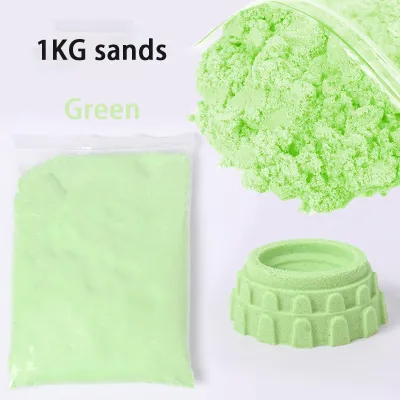
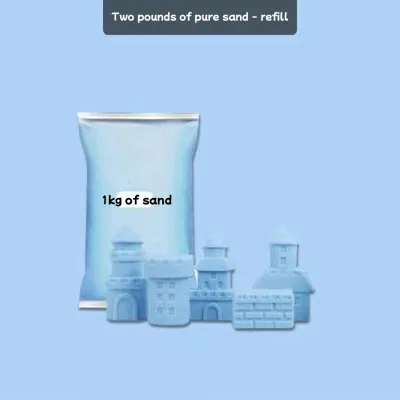
Prices are valid at publication and may change. Please refer to the product page for the latest price.
In the toy and craft market, parents frequently encounter several overlapping terms, including kinetic sand, magic sand, hydrophobic sand, and play dough. While play dough is typically a water-based mixture made from flour, salt, and starch that eventually dries out and hardens, clay sand relies on synthetic binders that never evaporate. Hydrophobic sand, on the other hand, is designed to repel water completely and behaves like normal dry sand once removed from water. Understanding these distinctions ensures you purchase the exact material needed for your child’s sensory development.
The physical properties of high-quality clay sand are highly distinct. It should feel soft, velvety, and slightly cool to the touch. When pulled apart slowly, it stretches and reveals a web of fine, thread-like connections before gently collapsing. When compressed, it packs tightly into solid blocks, allowing children to slice it cleanly with plastic play tools. Because it does not rely on water to maintain its structure, it is remarkably stable and can be reused indefinitely without losing its unique, self-adhering behavior.
Breaking Down the Ingredients: What Is Clay Sand for Kids Made Of?
To evaluate whether this material is suitable for your home, it is helpful to look past the marketing buzzwords and examine the actual ingredients. A standard batch of high-quality clay sand consists of three primary components: the base structural material, the cohesive binder, and cosmetic-grade additives for visual appeal.

The Base Material (Silica Sand)
The bulk of any clay sand product—typically around 98% of its total weight—is pure silica sand. This is the same mineral found on beaches and in riverbeds, but it undergoes extensive industrial processing before it enters a toy box. Manufacturers source fine-grade silica sand and subject it to rigorous washing, sifting, and purification cycles.
This processing is vital for child safety. Raw, unwashed sand contains fine dust particles, organic matter, and jagged, sharp crystalline structures that can cause skin abrasions or respiratory irritation when handled. During purification, the sand is sifted to isolate uniform, rounded grains of a specific micrometer size. This precise grain selection ensures that the sand feels incredibly smooth against sensitive skin and does not release airborne dust during active play.
The Binding Agent (Polymers and Silicones)
The remaining 2% of the mixture is what gives the sand its unique properties. This component is a liquid silicone polymer, most commonly polydimethylsiloxane (PDMS). PDMS is a widely used, non-toxic polymer found in various everyday items, including hair conditioners, cosmetics, and medical devices.
On a molecular level, PDMS is a viscoelastic material. This means it behaves like a viscous liquid under slow, gentle forces (allowing the sand to flow) but acts like an elastic solid under rapid, sharp forces (allowing the sand to hold its shape when molded). The polymer forms a microscopic, ultra-thin coating around every single grain of sand. Because these polymer chains naturally attract one another, the coated grains stick together rather than dispersing.
High-quality products utilize cosmetic-grade or food-contact-grade silicones, ensuring the material remains safe for prolonged skin contact. Conversely, cheaper, unbranded alternatives may substitute lower-grade industrial oils, which often leave a greasy residue on hands or emit strong, unpleasant chemical odors.
Colorants and Additives
To make the sand visually appealing, manufacturers blend in various colorants. Reputable brands use highly stable, non-toxic pigments that are chemically bound to the polymer coating. This prevents the color from bleeding onto your child’s hands, clothing, or play surfaces during use.
Beyond basic pigments, some specialty clay sands include aesthetic or sensory additives, such as fine glitter, synthetic fragrances, or even antibacterial agents. While these additions can make play more exciting, they also introduce potential risks. Artificial scents and glitters can trigger skin sensitivities, contact dermatitis, or respiratory irritation in children who have pre-existing allergies, asthma, or eczema. When selecting a product, carefully review the package labels to ensure any added colorants or scents are explicitly certified as non-toxic and hypoallergenic.
Is Clay Sand Safe for Kids? (Age and Play Habits)
When introducing any new modeling material into the home, safety is the primary concern for parents. Understanding how clay sand interacts with a child’s body and play habits allows you to establish healthy boundaries and supervise playtime effectively.
- Non-Toxic vs. Edible: It is crucial to distinguish between a product labeled "non-toxic" and one that is edible. While the silica sand and silicone polymers used in reputable clay sand are chemically inert and non-toxic, the material is absolutely not food. If a child accidentally swallows a tiny speck, it will typically pass through the digestive tract without causing chemical poisoning. However, ingesting larger quantities presents serious physical risks, including choking, throat irritation, or mechanical blockages in the gastrointestinal tract.
- Skin and Eye Contact: Clay sand is designed for direct, prolonged hand contact. However, children often rub their eyes during play. Because the base material is silica sand, getting it into the eyes can cause mechanical irritation, redness, or painful corneal scratches. To prevent this, teach your children to avoid touching their faces while playing, and establish a strict rule of washing hands thoroughly with warm water and soap immediately after cleanup.
- Age Appropriateness: Most manufacturers and safety organizations recommend clay sand for children aged 3 and older. Toddlers and infants under this age are in the oral stage of sensory exploration, meaning they naturally put objects in their mouths. Due to the high choking risk and the physical dangers of swallowing sand, keep this material completely out of reach of younger siblings.
- Allergies and Sensitivities: While pure clay sand is gluten-free, casein-free, and latex-free, some multi-pack play kits contain accessories, molds, or secondary modeling compounds (like play doughs or slime) that may contain these allergens. If your child has severe wheat or latex allergies, always inspect the complete ingredient list of the entire play set before purchase.
How to Choose and Verify Safe Clay Sand
With numerous brands available on online marketplaces and in local stationery stores, identifying high-quality, safe products requires a systematic approach. Parents can use several verification steps to ensure they are buying a genuine, non-toxic product.
First, examine the product packaging for clear, detailed labeling. Avoid packages that rely solely on vague, unsubstantiated marketing phrases like “100% natural” or “completely safe.” Instead, look for specific declarations of non-toxicity and a clear breakdown of the base materials.
Second, verify recognized toy safety standards. Legitimate products undergo rigorous laboratory testing to ensure they do not contain harmful levels of heavy metals, phthalates, or toxic solvents. Look for international safety certification marks on the box, such as ASTM D-4236 (the standard practice for labeling art materials for chronic health hazards) or EN71 (the European toy safety standard). In the local market, look for products that carry safety clearances or registration marks from the Food and Drug Administration (FDA) of the Philippines, which confirms compliance with national consumer safety regulations.
Third, perform a sensory check immediately after opening a new container. High-quality clay sand should have virtually no odor, or at most a very mild, neutral scent. If you open a package and detect a harsh, chemical, or gasoline-like smell, this indicates the use of low-grade industrial solvents or cheap polymer substitutes; such products should be discarded immediately. Additionally, test the texture: if the sand leaves a heavy, greasy film on your hands, or if it crumbles into dusty particles that do not stick together, the polymer formulation is substandard.
Finally, avoid purchasing unbranded, unusually cheap options from untrusted online sellers. These counterfeit or generic products often bypass regulatory oversight to cut production costs, using unwashed sand contaminated with heavy metals or low-grade industrial silicones that can irritate your child’s skin and respiratory system.
Practical Tips for Playtime and Cleanup
Managing clay sand effectively keeps your home clean and extends the lifespan of the material, ensuring you get the best value for your purchase.
- Containment Strategies: Always define a clear play boundary. Using a deep plastic sensory bin, a large baking tray, or a dedicated inflatable play mat works exceptionally well. In the tropical, humid climate of the Philippines, children's hands can quickly become sweaty. Keeping the sand contained prevents loose grains from sticking to damp skin and being tracked across tiled or wooden floors, which can create a slipping hazard.
- Cleanup Hacks: Cleaning up is surprisingly simple due to the sand's cohesive properties. Instead of trying to sweep up individual grains, take a tennis-ball-sized clump of clay sand and press it firmly onto any loose stray particles on the table or floor. The loose pieces will instantly bond to the larger mass. For carpeted areas, a quick vacuuming will easily remove any remaining dry grains.
- Storage Requirements: To preserve the unique texture of the silicone binder, store the sand in a clean, airtight plastic container after play. While the polymer does not dry out, leaving it exposed to the open air allows dust, pet hair, and household debris to contaminate the mixture. Keep the container in a cool, dry place away from direct sunlight and extreme heat. Avoid exposing the sand to water; if it does get wet, spread it out flat on a clean towel in a well-ventilated indoor space to let the water evaporate completely before returning it to its container.
Frequently Asked Questions (FAQ)
Can clay sand dry out like regular modeling clay?
No, high-quality clay sand does not dry out. Because its cohesive properties rely on synthetic silicone polymers rather than water, there is no moisture to evaporate. It will remain soft, pliable, and moldable even if left uncovered indefinitely, unlike traditional water-based play doughs.
What should I do if my child accidentally eats clay sand?
If your child swallows clay sand, do not induce vomiting. Give them a few sips of water to rinse their mouth and clear their throat. Monitor them closely for signs of choking, coughing, breathing difficulties, or stomach pain. If they have consumed a significant amount or show any physical distress, seek professional medical attention immediately.
Is clay sand safe for outdoor play?
Outdoor play is not recommended for clay sand. Wind can easily scatter the lightweight grains, while dirt, grass, leaves, and insects will contaminate the mixture. Furthermore, exposure to rainwater or outdoor moisture will temporarily disrupt the silicone coating, causing the sand to lose its unique cohesive texture and become a sticky, unusable mess.
Community discussion
Share your experience or ask a question. Comments are reviewed before publication.