
Faux fur fabric is a synthetic textile designed to mimic the appearance, warmth, and texture of real animal fur. At its core, this material is composed of two distinct layers: a face layer of synthetic fibers known as the pile, and a sturdy base layer called the backing. The pile is typically made from polymers like acrylic, modacrylic, or polyester, which are engineered to replicate the varied lengths and soft textures of natural animal hair. The backing, which holds these fibers in place, is usually constructed from knitted or woven polyester, cotton, or blended yarns. Understanding how these components interact is essential for selecting the right fabric for your sewing, crafting, or upholstery projects.
The Core Structure: Pile and Backing Explained
To understand faux fur, you must first look at its dual-layer construction. The pile refers to the upright, visible fibers that form the surface of the fabric, providing aesthetic appeal, tactile softness, and insulation. Manufacturers manipulate the pile’s height, density, and fiber thickness to replicate everything from short rabbit fur to long, shaggy goat hair.
Beneath the pile lies the backing, which serves as the foundation. While the pile provides the look, the backing determines how the fabric behaves during cutting, sewing, and daily use. It provides structural stability, dictates the overall weight, and controls how the fabric drapes. Without a high-quality backing, the synthetic pile would quickly lose its shape.
Products mentioned in this guide
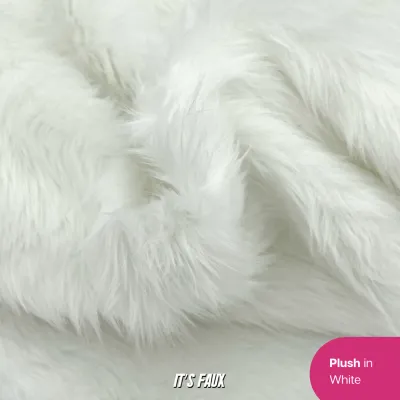
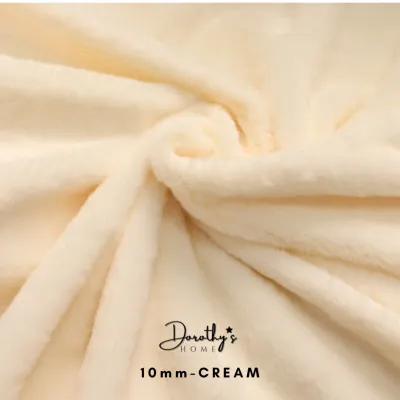
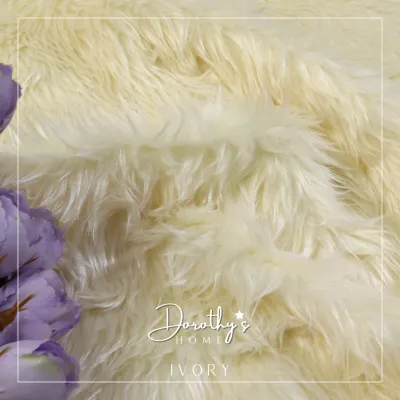
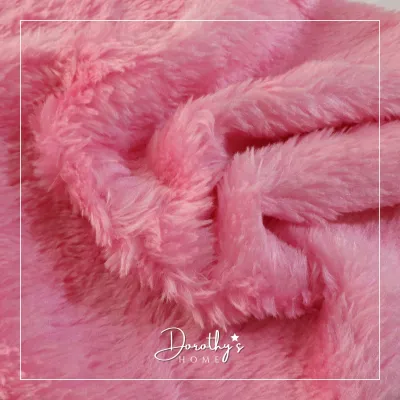
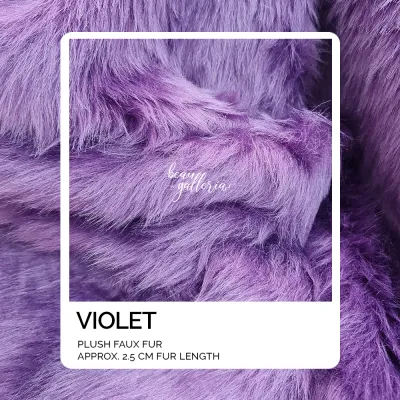
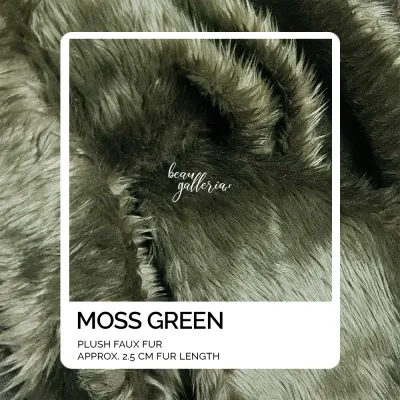
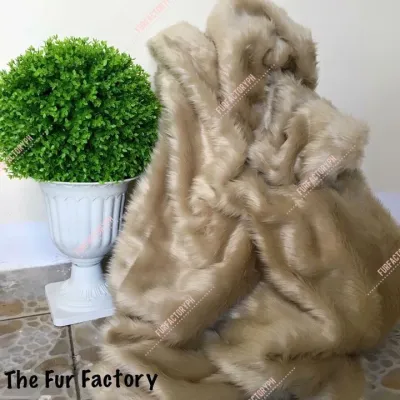
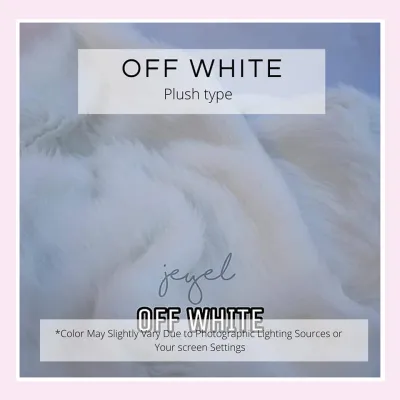
Prices are valid at publication and may change. Please refer to the product page for the latest price.
The method used to attach the pile to the backing directly influences durability and shedding. In knitted constructions, pile fibers are looped directly into the backing knit, offering flexibility but allowing loose fibers to escape more easily. Woven backings interlace the pile fibers tightly between warp and weft threads, creating a highly secure bond that minimizes shedding. Some budget-friendly faux furs rely on adhesive bonding, where fibers are glued to a base fabric; however, this method is generally less durable and prone to stiffening.
Common Fiber Types Used in Faux Fur Pile
The choice of synthetic fiber used in the pile determines how the faux fur feels, how it reacts to heat, and how well it retains its appearance. Acrylic and modacrylic are the premium choices for high-end faux fur. Modacrylic fibers are particularly valued because they are flame-resistant, highly resilient, and can be easily textured to mimic the natural variation of animal guard hairs. These fibers take dyes exceptionally well, allowing manufacturers to produce realistic color gradients and tips.

Polyester is another widely used fiber, chosen for its outstanding durability and cost-effectiveness. Polyester fibers are highly resistant to wrinkling, shrinking, and stretching, making them excellent for items that undergo regular handling. While polyester pile can sometimes feel slightly less silky than acrylic, modern manufacturing techniques have significantly closed the softness gap.
Many commercial faux furs utilize fiber blends to achieve a balance between luxury and practicality. By mixing acrylic and polyester, manufacturers can create a fabric that offers the superior softness of acrylic alongside the strength of polyester. When sourcing fabric, always check the manufacturer’s fiber content label rather than relying on descriptive marketing terms like “luxury mink,” as these names do not guarantee specific material compositions.
Backing Materials and Their Impact on Drape and Use
The backing material is just as important as the pile when determining the success of your sewing projects. Knit backings are common in garment construction because they offer stretch and flexibility. This elasticity allows the finished piece to move comfortably with the wearer, making knit-backed faux fur the ideal choice for jackets, vests, and collars.
Woven backings provide a stable, non-stretch foundation. This lack of elasticity is highly beneficial when you need the fabric to maintain a precise shape under tension. If you are planning to use faux fur for home decor projects such as throw pillows, heavy blankets, or light upholstery, a woven backing ensures that the seams will not stretch out of shape or sag over time.
Some specialty faux furs feature a fleece or sherpa backing, creating a double-sided fabric that offers warmth and softness on both sides. These materials are exceptionally thick and opaque, making them perfect for unlined blankets and heavy winter coat linings where a separate lining fabric is not desired.
Before purchasing, consider how the backing’s weight and thickness will interact with your sewing equipment. Heavy, stiff backings require a heavy-duty sewing machine needle, such as a size 90/14 or 100/16 leather or denim needle, to pierce the layers without skipping stitches. Additionally, thick backings can overwhelm the feed dogs of standard domestic sewing machines, making a walking foot attachment highly recommended.
How to Evaluate Faux Fur Quality Before Buying
Evaluating the quality of faux fur before committing to a purchase can save you significant frustration. Start by checking the pile density. Part the fibers with your fingers to see how easily the backing fabric is exposed. High-quality faux fur features a dense, closely packed pile that conceals the backing completely, even when the fabric is bent. If the backing is easily visible through the fibers under normal conditions, the fabric may look sparse once sewn.
Next, perform a gentle shedding test. Grab a small pinch of the pile fibers and pull gently. While a few loose fibers from the cut edges are normal, a high-quality fabric should not shed clumps of fiber from the center of the yardage. If fibers pull out easily with minimal effort, the pile is poorly anchored to the backing.
Examine the backing fabric closely for uniform tension and consistent thickness. Look for any visible defects, such as uneven weaving, loose threads, or weak spots where the backing feels unusually thin. A compromised backing will not hold up well to the stress of sewing machine needles and may tear along the seam lines under tension.
Finally, always review the care instructions provided on the fabric bolt. Faux fur is highly sensitive to heat, meaning most varieties require hand washing or gentle machine washing in cold water, followed by air drying. If a fabric requires strict dry cleaning that does not align with your maintenance capabilities, it is best to look for an alternative.
Matching Faux Fur Composition to Your Sewing Projects
To ensure your project turns out exactly as planned, you must match the physical properties of the faux fur to its intended end-use. For apparel and wearable items, prioritize lightweight backings and soft acrylic or modacrylic piles. These materials drape naturally around the body and offer better breathability, preventing the garment from feeling overly stiff or suffocatingly hot, which is a crucial consideration if you plan to wear your creations in warm, humid climates like the Philippines.
For home decor and upholstery, choose dense piles with stable woven backings to withstand friction, maintain shape, and resist crushing. If you are working on crafts or small accessories, shorter piles and versatile polyester blends are often the easiest to handle, producing far less mess and reducing bulk at the seams.
When budgeting for your project, factor in the cost per yard (in ₱) relative to the project size, required durability, and the amount of fabric waste expected when cutting along the nap. Because faux fur must be cut along the “nap”—the natural direction in which the fur lays—you will likely experience more fabric waste than you would with standard flat textiles, so it is wise to purchase an extra 10% to 15% of yardage to ensure all your pattern pieces align correctly.
Frequently Asked Questions (FAQ)
Is faux fur fabric breathable compared to natural fur?
Synthetic fibers like polyester and acrylic are essentially plastics, meaning they naturally trap more heat and moisture than natural protein fibers like wool or real fur. To improve comfort when wearing faux fur garments in warmer climates, look for fabrics with lightweight, loosely knitted backings. Additionally, lining your garments with breathable, natural fabrics like cotton or rayon can help wick moisture away from the skin and make the piece much more comfortable to wear.
Can I dye faux fur fabric at home to change its color?
Standard household dyes designed for natural fibers like cotton or silk will not bond with the synthetic fibers used in faux fur. To change the color of faux fur, you must use specialized dyes formulated specifically for synthetic materials like polyester and acrylic. Keep in mind that these dyes require high heat to activate, which can easily melt, frizz, or permanently damage the delicate synthetic pile of your faux fur. Always test a small scrap of fabric before attempting to dye an entire yardage.
Community discussion
Share your experience or ask a question. Comments are reviewed before publication.