
Felt cloth is a unique, non-woven textile created by matting, condensing, and pressing fibers together rather than weaving or knitting them. Unlike traditional woven fabrics that rely on interlaced warp and weft threads, felt relies on mechanical friction, moisture, heat, or chemical processes to lock fibers into a dense, cohesive sheet. In the Philippines, this versatile material is a staple in school supplies, DIY crafts, holiday decorations, and professional stationery design due to its clean, fray-free edges and structural stability.
Because of its distinct manufacturing process, felt behaves differently from standard textiles. When you cut into a piece of woven cotton or linen, the exposed threads immediately begin to unravel, requiring hemmed edges or fabric sealants to preserve the piece. Felt completely eliminates this issue, allowing crafters to cut precise shapes, sharp angles, and intricate patterns without any fear of fraying. This clean-cutting nature makes it an incredibly accessible and forgiving medium for beginners, students, and professional designers alike.
What Is Felt Cloth and How Is It Made?
To understand the performance of felt cloth, it helps to look at its structural makeup. Traditional textiles are constructed by weaving or knitting yarns together in a structured grid pattern. Felt, however, bypasses the spinning and weaving stages entirely. Instead, loose raw fibers are distributed in thick, uniform layers and then subjected to intense pressure, heat, and moisture to entangle the fibers into a permanent, solid sheet.
Products mentioned in this guide
![[Local Shipment]40Pcs Felt Fabric Squares DIY Craftwork Felt Crafts Assorted Colors Textile Fuzzy Fabrics for Scrapbooks Sewing](https://img.lazcdn.com/g/p/bddbed62a9b949d21313c876307085ed.jpg_400x400q80.jpg_.webp)
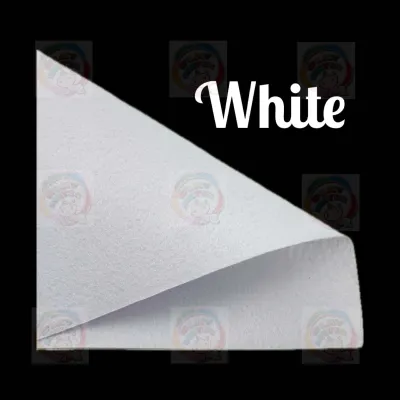
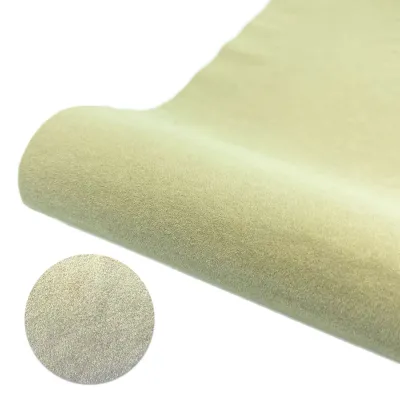
Prices are valid at publication and may change. Please refer to the product page for the latest price.
The specific manufacturing method depends heavily on the type of fiber used. Natural felt is typically made from sheep’s wool or other animal fibers. Under a microscope, wool fibers feature tiny, directional scales. When exposed to heat, moisture, and physical agitation (a process known as wet felting), these scales open up and lock into one another like microscopic hooks, creating an incredibly dense and durable bond that cannot be undone.
Synthetic felt, on the other hand, is made from manufactured fibers like polyester or acrylic. Because these synthetic fibers are completely smooth and lack natural scales, they cannot be wet-felted. Instead, manufacturers use a mechanical process called needle-punching. Thousands of barbed industrial needles rapidly punch up and down through the fiber web, physically tangling the synthetic strands together to form a tight, uniform sheet of craft felt.
This non-woven structure provides several key benefits for crafting and stationery design. Because there are no threads to pull loose, felt holds its shape exceptionally well, provides natural cushioning, and offers a beautiful matte finish that absorbs light rather than reflecting it. Its dense surface is highly receptive to stitching, gluing, and layering, making it the perfect material for everything from simple school dioramas to highly detailed stationery organizers.
Common Types of Felt for Crafting and Stationery
Acrylic and Synthetic Craft Felt
Acrylic and synthetic craft felt is the most common and budget-friendly variety found in local bookstores, school supply shops, and general craft stores across the Philippines. Typically manufactured from 100% acrylic or polyester fibers, this type of felt is heavily favored for quick, low-cost projects. It is most commonly sold in pre-cut sheets, often measuring 9×12 inches or standard A4 size, and is available in an incredibly wide array of bright, highly saturated colors.

The primary advantage of synthetic craft felt is its affordability, with individual sheets often costing only ₱5 to ₱15. It has a relatively stiff, lightweight texture, which allows it to stand upright or hold basic geometric shapes without collapsing. This stiffness makes it highly suitable for children’s school dioramas, quick holiday banners, and basic flat appliqué designs where structural rigidity is more important than a soft hand-feel.
However, synthetic craft felt has distinct performance limitations. Because the fibers are mechanically tangled rather than naturally scaled, the material has a rougher, slightly plastic-like texture and is highly prone to pilling (forming small fiber balls) when subjected to friction. It also lacks elasticity, meaning it can tear or warp permanently if stitched too tightly or stretched. For these reasons, synthetic craft felt is best reserved for temporary decorations, classroom projects, and items that will not experience heavy daily wear.
100% Wool Felt
At the opposite end of the spectrum is 100% wool felt, the premium, natural option favored by professional crafters, artisans, and high-end stationery designers. Made entirely from natural sheep’s wool, this material offers an incredibly soft, dense, and luxurious texture. It is highly durable, naturally flame-resistant, and capable of holding intricate, detailed shapes without tearing or warping under tension.
Because of its superior density and natural elasticity, pure wool felt is the preferred choice for heirloom-quality crafts, complex hand embroidery, durable bag charms, and premium stationery accessories. The natural wool fibers absorb dye beautifully, resulting in rich, matte, and sophisticated color palettes that synthetic alternatives cannot easily replicate. It also cuts with extreme precision, allowing for incredibly clean edges even on the smallest, most detailed applique pieces.
The main trade-off of 100% wool felt is its cost and availability. It is significantly more expensive than synthetic options, often costing ₱150 to ₱400 or more per sheet or yard, and is typically sourced from specialized textile importers or premium online craft shops. It also requires careful handling and specific storage conditions to protect it from moisture and pests, which are common challenges in tropical climates.
Wool Blend Felt
Offering a practical middle ground, wool blend felt combines the best properties of natural and synthetic fibers. Typically composed of a mix of 20% to 35% wool and 65% to 80% rayon or polyester, this material provides a much softer hand-feel and better durability than pure acrylic felt while remaining far more affordable than 100% wool.
The addition of wool gives the fabric a lovely matte finish, excellent density, and superior stitch-holding capability, while the synthetic fibers help keep the material lightweight, resilient, and cost-effective. It resists pilling and stretching much better than pure acrylic, making it an excellent choice for intermediate crafters, sensory quiet books, and functional stationery items that require a balance of structural integrity and budget.
How to Choose the Right Felt for Your Project
Selecting the right felt requires matching the material’s physical properties to the practical demands of your project. For example, a temporary classroom decoration does not require the durability of a daily-use desk mat.
To simplify your decision, use the following comparison matrix to match your specific crafting or stationery needs with the ideal felt type and thickness:
| Project Type | Recommended Felt Type | Ideal Thickness | Key Characteristics |
|---|---|---|---|
| School Dioramas & Kids' Crafts | Acrylic Craft Felt | 1.0mm to 1.5mm | Low cost, stiff, easy for children to cut and glue. |
| Intricate Hand Embroidery | Wool Blend or 100% Wool | 1.2mm to 1.5mm | Dense fibers hold tight stitches without puckering or tearing. |
| Daily-Use Accessories (Sleeves, Charms) | 100% Wool or Heavy Blend | 2.0mm to 3.0mm | High durability, soft texture, resists wear and pilling. |
| Desk Mats & Bulletin Boards | Thick Polyester or Wool Blend | 3.0mm to 5.0mm | High structural support, sound-dampening, smooth writing surface. |
Always check the material labels and manufacturer specifications rather than relying solely on vague marketing names like “premium craft felt.” Many synthetic felts are labeled as “premium” simply because they are slightly thicker, but they still lack the fiber density and soft texture of a true wool blend.
When evaluating felt, consider three main physical factors: stiffness, drape, and colorfastness. Stiff felt is excellent for structural items like boxes or standing figures, while soft felt with a gentle drape is better for stuffed toys or clothing accents. To test colorfastness, rub a dry white cloth over the felt’s surface; if any pigment transfers, the dye may bleed when exposed to moisture or wet adhesives.
Thickness is another critical dimension. A standard 1mm sheet is perfect for detailed layering and delicate hand stitching, but you will need 2mm or 3mm felt if the item must support its own weight or withstand heavy daily handling. Using a material that is too thin for a structural project will cause it to sag and lose its shape over time.
Furthermore, when working with markers or adhesives, always perform a trial test on a scrap piece of your chosen felt. Synthetic felt may resist water-based glues and require specialized fabric glue or child-safe, solvent-free adhesives. If you plan to draw patterns directly onto the felt, test your pen first; some inks bleed rapidly along synthetic fibers, ruining your cutting lines.
Buying and Inspecting Felt in the Philippines
Felt is widely available across the Philippines in two primary formats: pre-cut sheets and yardage. Pre-cut sheets (typically 9×12 inches or A4 size) are highly convenient for small craft projects and are easily found in local bookstores and stationery shops. If you are planning larger projects, such as covering a bulletin board or making multiple desk organizers, purchasing felt by the yard or meter from fabric hubs like Divisoria or specialized online textile suppliers is much more cost-effective.
When shopping in physical fabric markets or stationery stores, performing a quick quality inspection can save you from purchasing low-grade materials. First, hold the felt sheet up to the light to check for uniform thickness; lower-quality felts often have thin, almost translucent patches where the fibers are poorly distributed. Second, run your fingers across the surface to assess its texture—high-quality felt should feel dense and smooth, not scratchy or loose. Finally, verify that the cut edges are straight and clean, as warped edges indicate that the fabric was stretched during cutting or storage.
If you are buying from online marketplaces, physical inspection is not possible, making communication with the seller essential. Always request actual, unedited photos of the current fabric batch taken under natural lighting to verify the color accuracy. Confirm the exact dimensions in centimeters or inches, and ask the seller to specify the thickness in millimeters rather than relying on generic descriptions. Reading customer reviews specifically looking for comments on material density, odor, and packaging quality is also a highly reliable way to gauge the seller’s accuracy.
Before placing your order, calculate your required material carefully. Unlike woven fabrics, felt does not have a grain line, meaning you can arrange your cutting patterns in any direction to minimize waste. However, it is always wise to add a 10% to 15% buffer to your total measurements to account for cutting mistakes, pattern testing, or minor surface imperfections.
Caring for and Storing Your Felt Fabric
Proper care and storage are essential to preserve the quality of your felt projects, especially when dealing with the high humidity and tropical climate of the Philippines. Because felt is a non-woven material, aggressive washing can distort its structure and ruin your hard work.
For minor stains or dust, spot cleaning is always the safest method. Gently dab the soiled area with a clean, damp cloth and a tiny drop of mild, pH-neutral soap; never rub the surface vigorously, as this will cause the fibers to pill and fuzz. Avoid machine washing and tumble drying at all costs, especially for wool and wool blend felts, as the combination of heat, water, and agitation will cause the fibers to shrink, warp, and lose their shape entirely.
In the Philippines, high relative humidity poses a constant threat of mold, mildew, and pest damage, particularly for natural wool fibers which attract moths and silverfish. To prevent moisture buildup, always store your felt flat or gently rolled in airtight plastic containers or heavy-duty zip-top bags. Avoid folding the felt tightly for long periods, as this can create permanent creases that are incredibly difficult to iron out.
To further protect your materials, place several silica gel packets (desiccants) inside the storage containers to absorb any trapped moisture. You can also add natural pest repellents like cedar blocks or dried lavender sachets, but ensure they do not come into direct contact with light-colored felt to prevent oil staining. Finally, store your containers in a cool, dark place away from direct sunlight, as prolonged exposure to UV rays will rapidly fade the vibrant colors of both synthetic and natural felts. Always refer to any specific care labels or manufacturer instructions provided with specialized or treated felts to ensure their longevity.
Frequently Asked Questions (FAQ)
Does felt cloth fray when cut?
No, felt cloth does not fray or unravel when cut. Because felt is a non-woven fabric created by interlocking and pressing fibers together rather than weaving them into a grid of threads, there are no warp or weft yarns to slip out of place. This unique structural characteristic allows you to cut intricate shapes, sharp angles, and clean curves with standard scissors or a rotary cutter, making it an exceptionally beginner-friendly material for crafting, applique, and precise stationery designs.
Can I use regular craft felt for complex embroidery?
While you can technically use regular synthetic craft felt for basic stitching, it is not recommended for complex or highly detailed embroidery. Thin acrylic felt lacks the fiber density and structural strength required to support dense stitching patterns, which often leads to the fabric puckering, stretching out of shape, or even tearing under the tension of the embroidery floss. For intricate hand embroidery or machine stitching, it is highly recommended to use wool or a high-quality wool blend felt, as their dense, elastic natural fibers provide excellent stitch support and a professional, smooth finish.

Community discussion
Share your experience or ask a question. Comments are reviewed before publication.